Last updated August 27, 2026 · Editorial policy
The best summer holiday destination for 2027 is Puglia, Italy – reliable heat, two coastlines, and prices that still undercut the Amalfi crowd. Beyond Puglia, the strongest June-August 2027 picks blend dependable weather with a real reason to be there in summer: festivals in Salzburg and Edinburgh, dry-season beaches in Bali and Zanzibar, and value coastlines in Albania and Turkey. Here are all 12, with the practical details that decide a trip.
| Destination | Vibe | Typical weather then | Why it works for summer |
|---|---|---|---|
| Puglia, Italy | Slow-food coast | 28-32C, dry | Beach towns plus baroque cities, fair prices |
| Naxos, Greece | Laid-back island | 27-30C, breezy | Big sandy beaches without Santorini prices |
| Albanian Riviera | Budget beach | 28-32C, sunny | Ionian water at half the Greek cost |
| Lake Bled and Ljubljana, Slovenia | Alpine-lake escape | 22-28C | Swimmable lakes, hiking, compact capital |
| Split and Hvar, Croatia | Islands and nightlife | 28-31C, dry | Ferry-hopping season at its peak |
| Kotor, Montenegro | Fjord-like bay | 27-31C | Dramatic scenery, smaller crowds than Croatia |
| Azores, Portugal | Green volcanic isles | 20-25C, mild | Cool-summer hiking and whale watching |
| Salzburg, Austria | Culture and lakes | 20-26C | World-class festival plus alpine swimming |
| Edinburgh, Scotland | Festival city | 15-20C | The Fringe turns August electric |
| Bodrum, Turkey | Aegean resort | 30-34C, dry | Strong value, long beach season |
| Bali, Indonesia | Tropical long-haul | 27-30C, dry season | June-August is Bali’s driest window |
| Zanzibar, Tanzania | Indian Ocean beach | 26-29C, dry season | Cool dry season, safari add-on potential |
1. Puglia, Italy
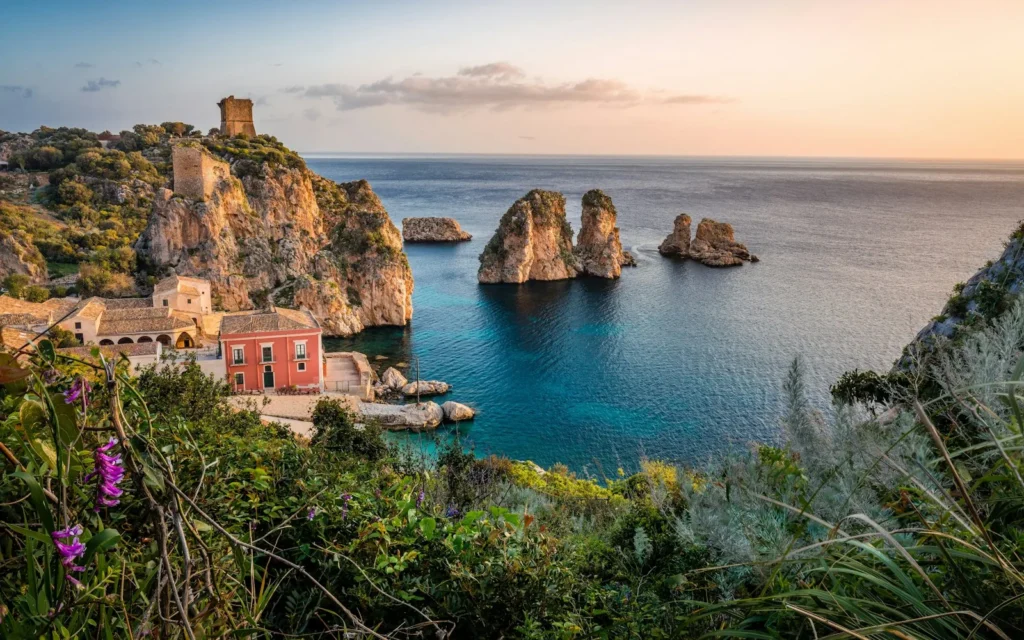
Puglia is the number one pick because it does everything a summer holiday asks for at once: the Adriatic on one side, the Ionian on the other, and whitewashed towns like Ostuni and Polignano a Mare in between. Summer is when the region comes alive – late-August brings La Notte della Taranta in Melpignano, a huge folk-music festival that fills Salento with pizzica dancing. Prices remain gentler than Tuscany or the Amalfi Coast, though August is when Italians themselves holiday here. Book accommodation in Salento by early spring 2027; June and September-edge dates are noticeably cheaper than Ferragosto week.
2. Naxos, Greece
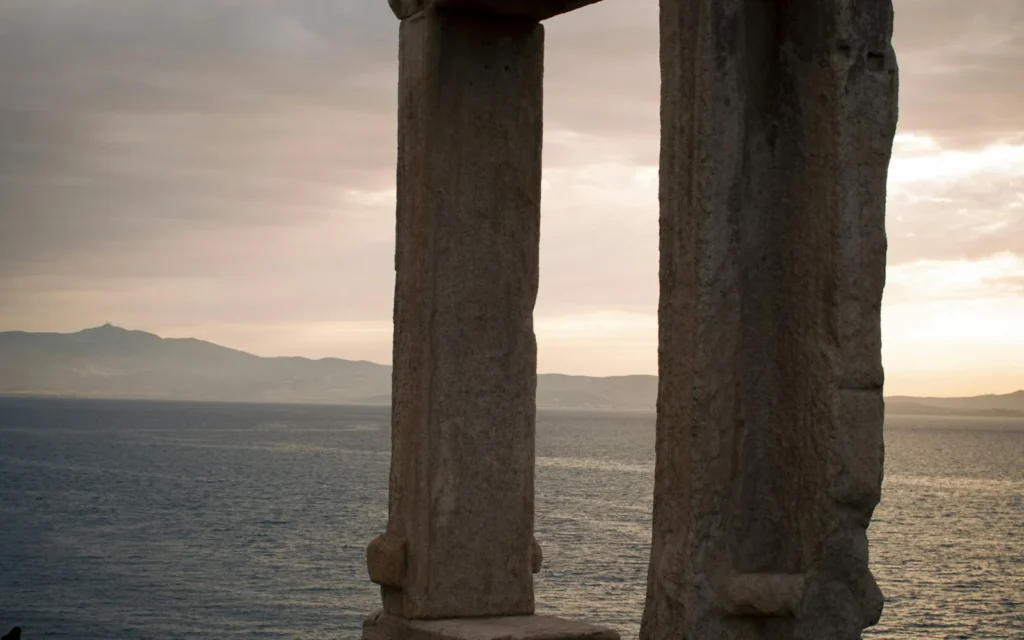
Naxos gives you the Cyclades – Portara sunset arch, marble villages, meltemi-cooled evenings – without the couples-only price tags of Santorini. Its west-coast beaches, especially Agios Prokopios and Plaka, are long, sandy and genuinely swimmable for families, which many famous Greek islands cannot claim. The interior adds mountain villages like Halki, where citron liqueur distilleries have run for over a century. Summer ferries connect it easily to Paros and Mykonos for day trips. Book ferries and rooms together once schedules open, and note the meltemi wind peaks in late July – beach-club loungers on sheltered coves go fast.
3. Albanian Riviera, Albania
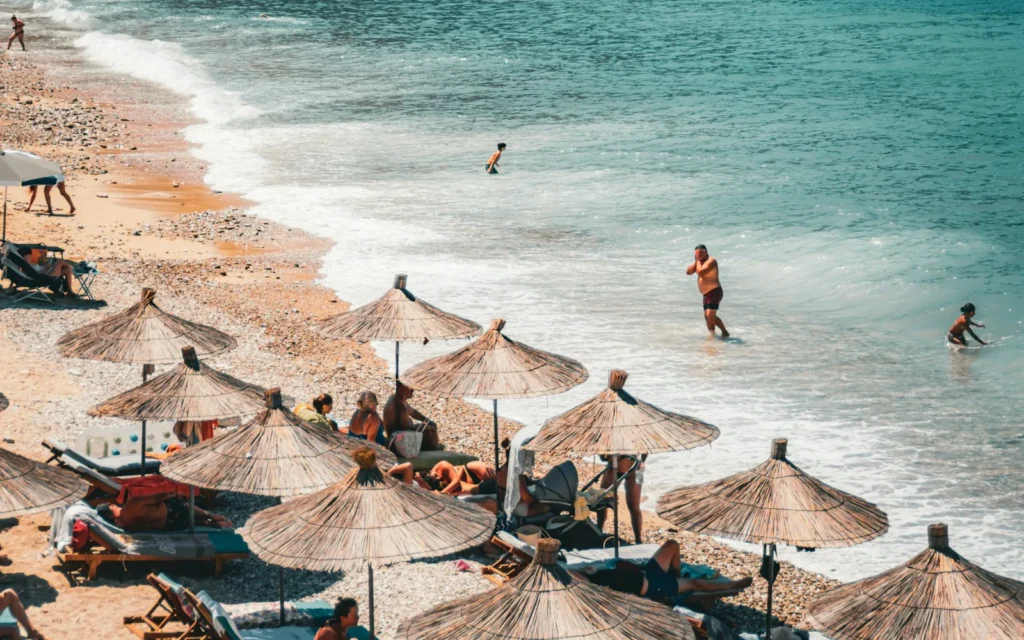
The stretch from Dhermi to Ksamil delivers Ionian water as clear as Corfu – which sits visible offshore – at a fraction of the price of Greece or Croatia. Summer is festival season on this coast, with electronic music events staged on Dhermi’s beach in early summer drawing a young European crowd, while Ksamil’s islets suit slower travelers. Infrastructure has improved fast, but August is now genuinely busy; this is no longer a secret. Fly into Tirana or Corfu (then ferry to Saranda), and book beachfront rooms months ahead – inland guesthouses stay cheap and available far later.
4. Lake Bled and Ljubljana, Slovenia
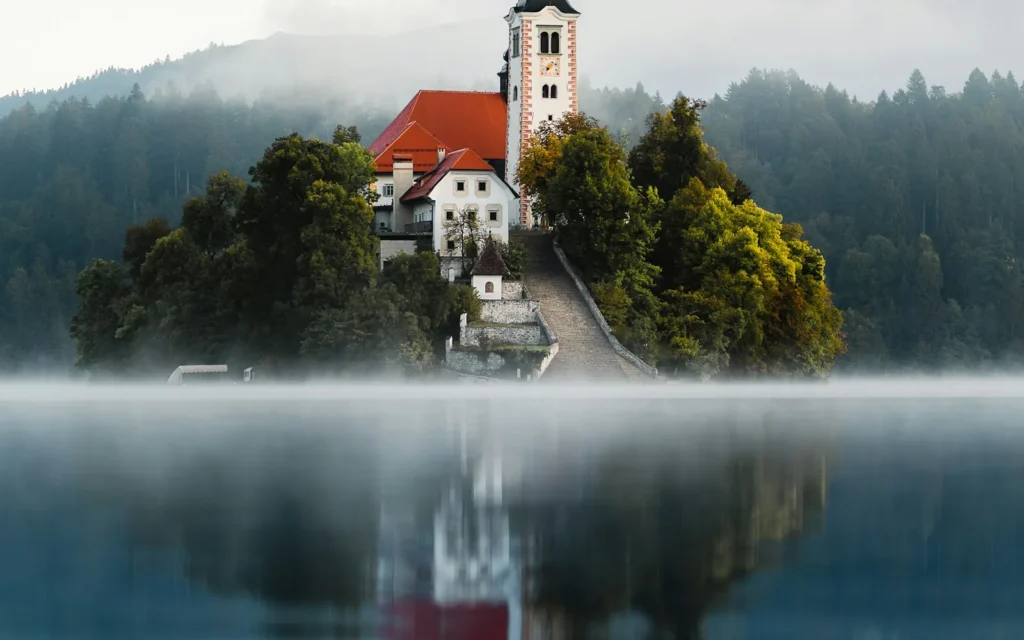
Slovenia is the answer when Mediterranean heat sounds exhausting. Lake Bled sits at 22-28C in midsummer, warm enough to swim beneath the castle, cool enough to hike Vintgar Gorge at midday. Ljubljana, forty minutes away, runs its long-standing Ljubljana Festival through July and August, filling courtyards and the open-air Krizanke venue with concerts. Add Lake Bohinj for a quieter swim and Triglav National Park for real mountains. Distances are tiny, so one base covers everything. Book Bled accommodation early – it is small and sells out – but Ljubljana hotels hold availability much longer.
5. Split and Hvar, Croatia
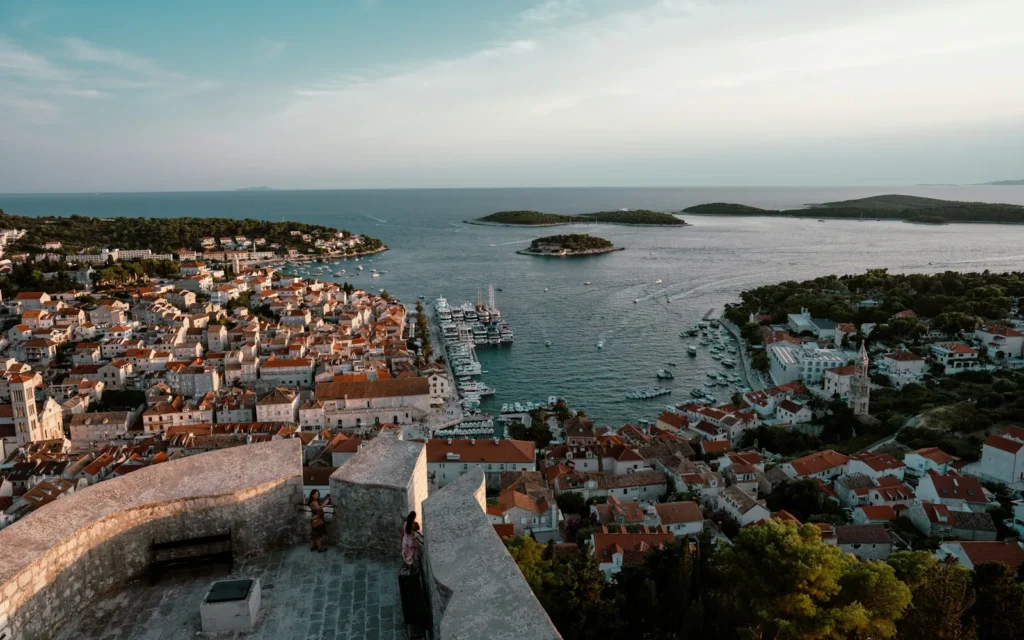
July and August are exactly when the Dalmatian coast is designed to be experienced: warm dry days, a sea at its calmest, and the full ferry network running. Split pairs Diocletian’s Palace – a living Roman ruin full of bars and homes – with fast catamarans to Hvar, Brac and Vis. Ultra Europe, the electronic festival held in Split each July, sets the tone for the party end of the spectrum; Vis and Solta cover the quiet end. Crowds and prices peak hard in August, so June or early July hits the sweet spot. Reserve car-ferry slots ahead if driving.
6. Kotor, Montenegro
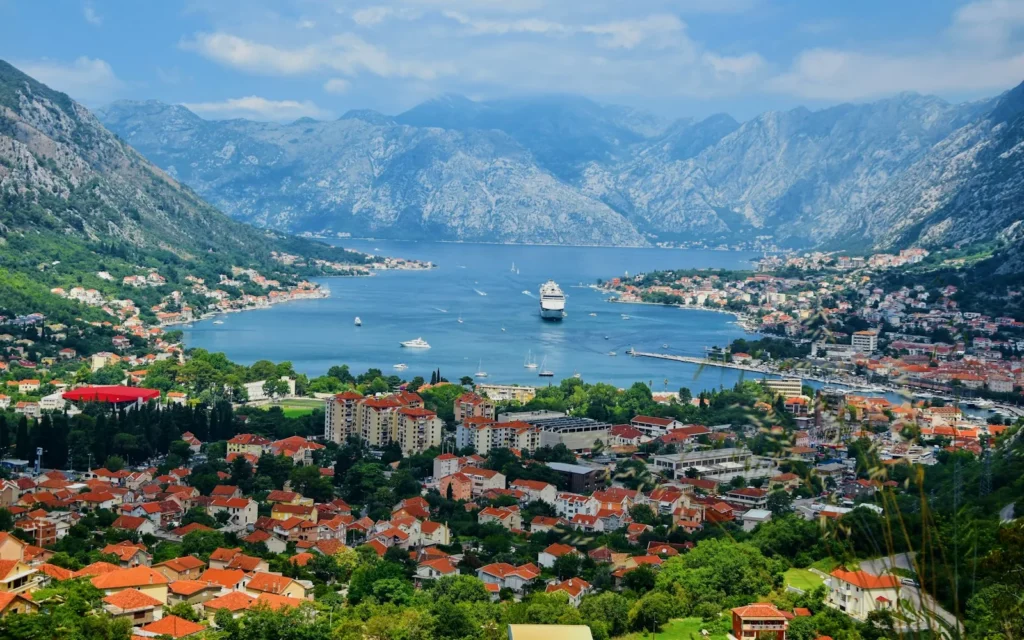
The Bay of Kotor looks like a fjord dropped into the Mediterranean, with medieval walls climbing the mountain behind the old town. Summer brings Bokeljska Noc, the bay’s traditional decorated-boat night with fireworks each August, plus open-air events inside the walls. It is warmer and cheaper than neighboring Croatia, and towns like Perast – with its famous Our Lady of the Rocks island church – stay manageable outside cruise-ship hours. The catch: cruise days crowd Kotor town by mid-morning, so sleep in Perast or Dobrota instead. Book boat trips to the blue cave locally rather than online at a markup.
7. Azores, Portugal
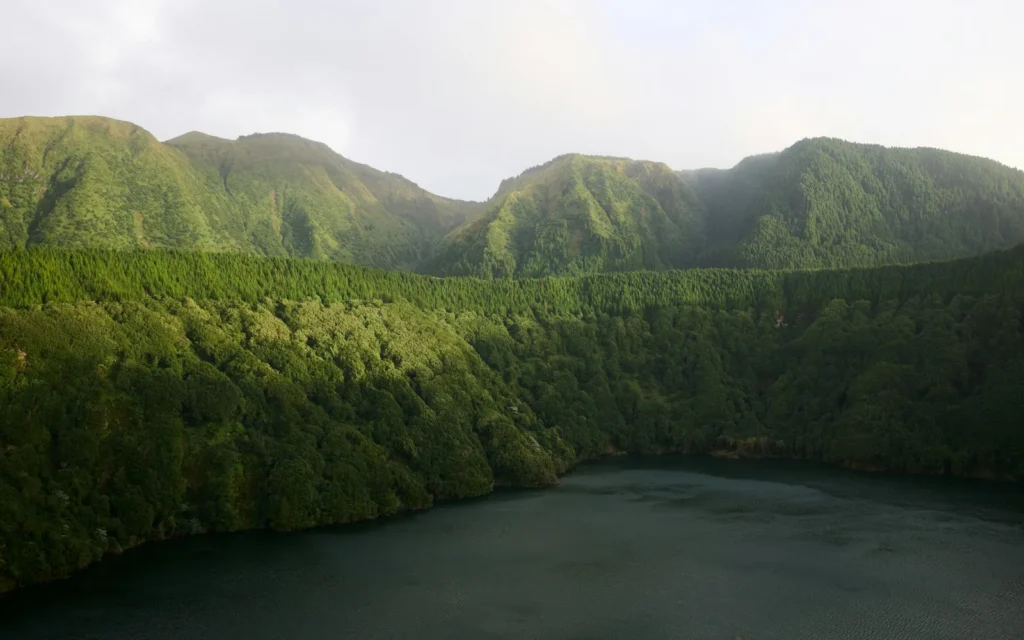
The Azores are Europe’s best summer choice for travelers who want green over golden. June to August brings the calmest seas and most reliable whale-watching trips off Sao Miguel and Pico, with resident sperm whales the dependable stars – the big migrating blue and fin whales peak in spring, before this window. Temperatures hold a mild 20-25C – perfect for the crater-lake hikes at Sete Cidades and Lagoa do Fogo, and for soaking in the hot springs at Furnas afterward. This is the driest, most stable stretch of the Azorean year, though pack a layer regardless. Inter-island flights and the summer ferry network make two-island trips easy; book rental cars well ahead, as island fleets are small.
8. Salzburg, Austria
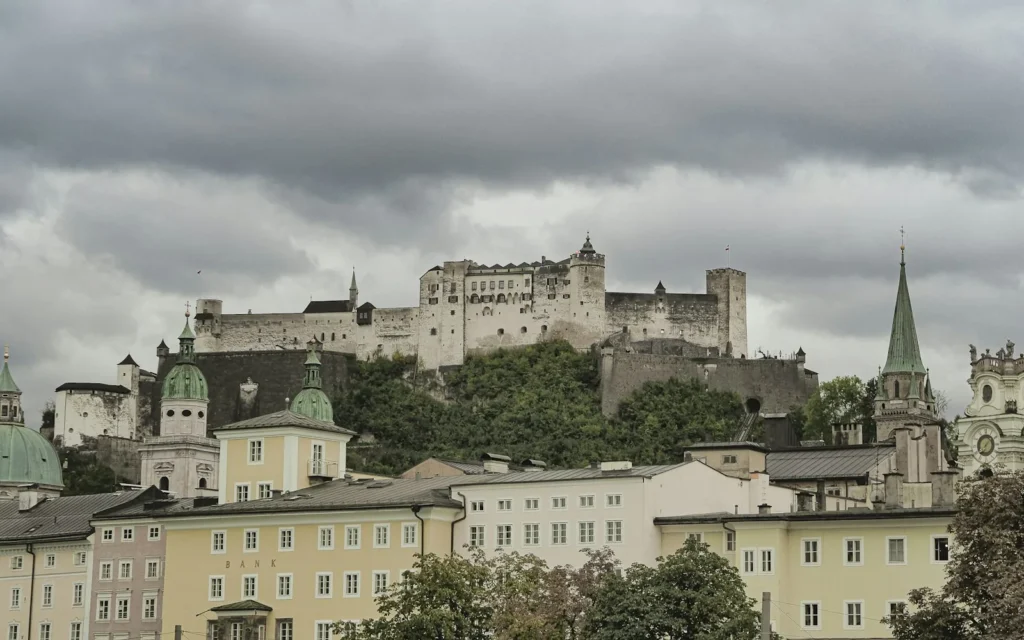
Salzburg in summer is a cultural heavyweight with an alpine beach out back. The Salzburg Festival, running late July through August since 1920, fills the city with opera, theatre and concerts – standing tickets and open-air events keep it accessible beyond black-tie prices. When the culture is done, the Salzkammergut lake district starts twenty minutes away: Wolfgangsee and Fuschlsee are warm enough for proper swimming, ringed by trails and lakeside villages, with postcard-famous Hallstatt a little deeper into the region. It is a rare destination where one trip covers Mozart and mountain lidos. Festival-period hotels sell out far in advance; staying lakeside and day-tripping in is the value play.
9. Edinburgh, Scotland
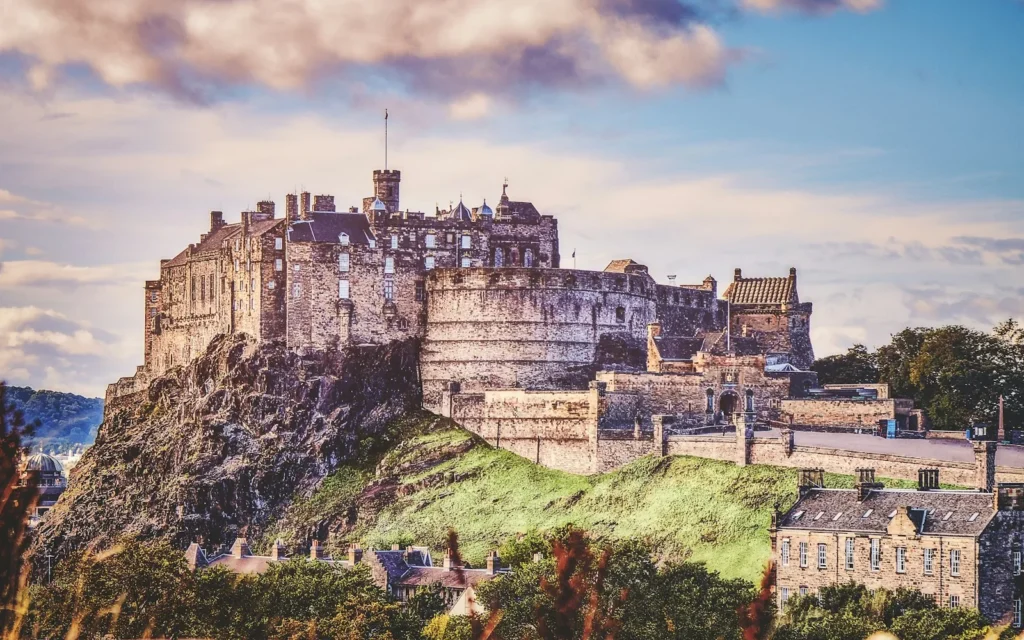
If your ideal summer holiday is atmosphere rather than sunbathing, nothing on earth matches Edinburgh in August. The Edinburgh Festival Fringe – the world’s largest arts festival – takes over the city alongside the International Festival and the Royal Edinburgh Military Tattoo on the castle esplanade. Days sit at a comfortable 15-20C, ideal for climbing Arthur’s Seat between shows. The reality check: August accommodation is the most expensive of the year and books up nearly a year out. Lock in rooms as soon as you commit, consider staying in Leith, and buy Tattoo tickets the moment they release.
10. Bodrum, Turkey
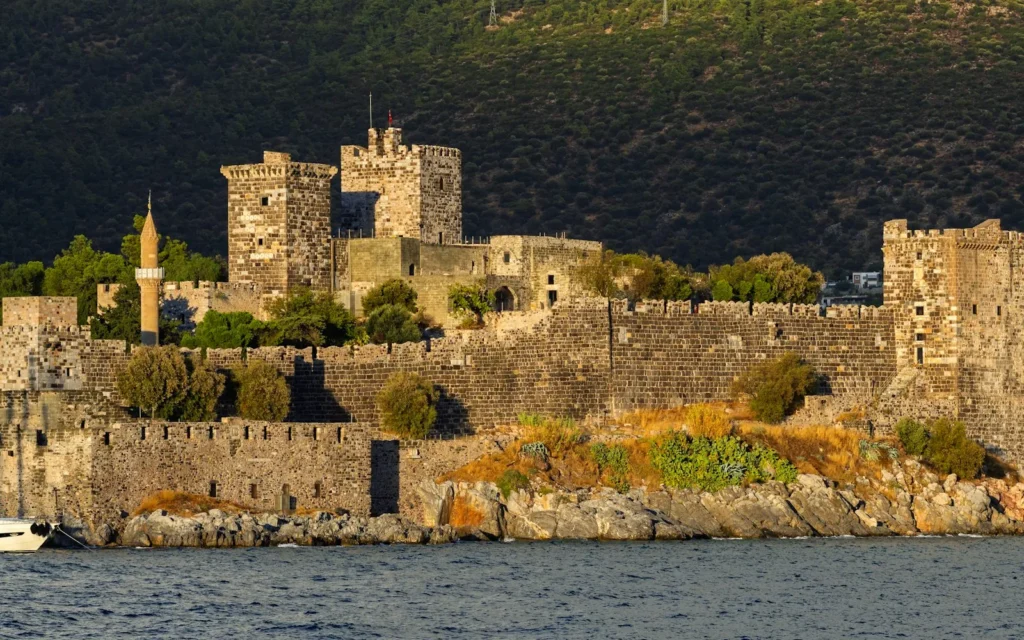
Bodrum is the Aegean’s value heavyweight: guaranteed 30C-plus sunshine, a castle-crowned harbor town, and a peninsula of distinct resorts from lively Gumbet to upscale Yalikavak with its superyacht marina. Turkey’s pricing keeps meals, gulet boat trips and beach clubs cheaper than equivalent Greek islands an hour away by ferry – and that ferry link to Kos makes a two-country trip trivial. The ancient Mausoleum site and the Castle of St Peter’s underwater archaeology museum give it substance beyond the beach. July and August are hot and busy; June delivers the same sea at friendlier rates. Book gulet cruises directly at the harbor.
11. Bali, Indonesia
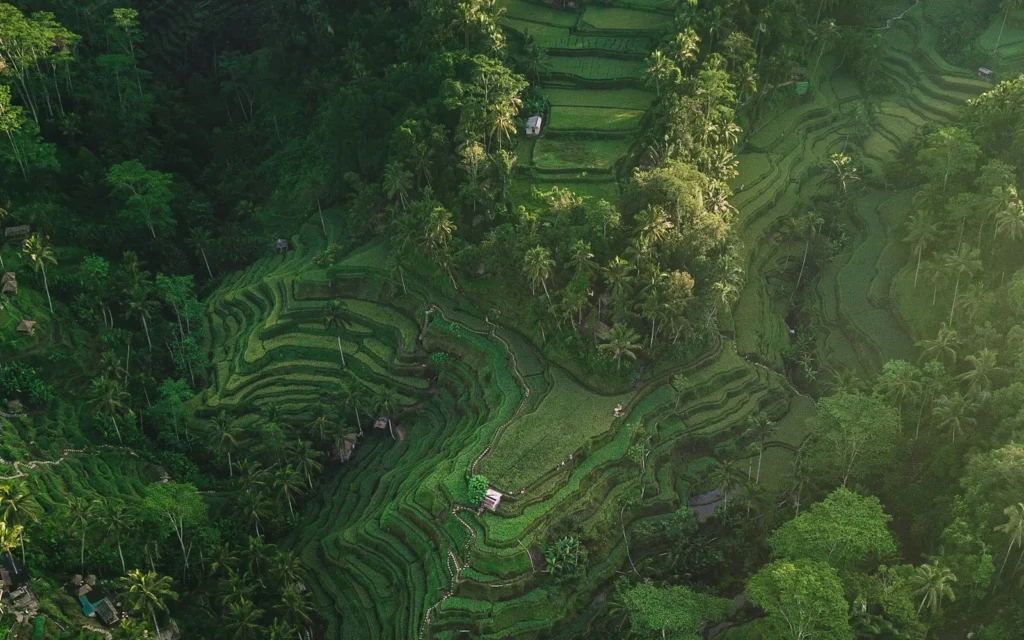
June to August is precisely Bali’s dry season, making it one of the few long-haul tropical picks where a European summer holiday lands in perfect local weather – sunny days, low humidity, and cool evenings in the Ubud highlands. It is also kite season: the Bali Kite Festival tradition fills the skies above Sanur with giant traditional kites each dry season, flown by village teams. Surf on the Bukit Peninsula is at its most consistent, and Nusa Penida day trips run reliably. The catch is that July-August is peak season, coinciding with Australian school holidays – book flights and Uluwatu-area villas early.
12. Zanzibar, Tanzania
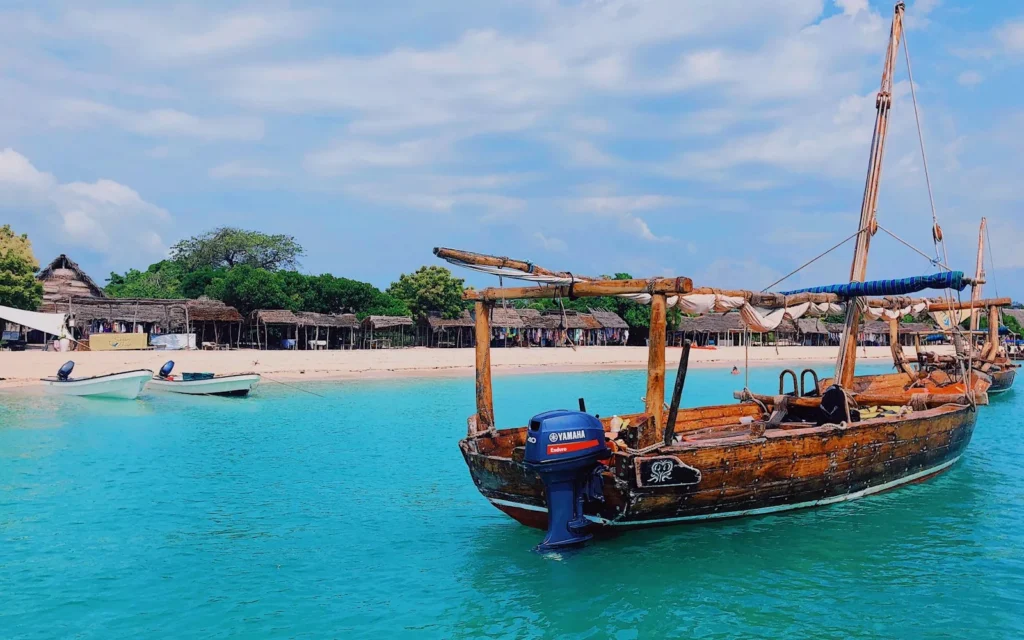
Zanzibar’s June-August window is the cool dry season – kusi trade winds, low humidity, and 26-29C days – which is why it doubles as the classic beach finish to a Serengeti safari timed for the Great Migration season. Stone Town, a UNESCO World Heritage Site, layers Swahili, Arab and Indian history into carved-door alleyways, and the nightly Forodhani Gardens food market is the concrete ritual to build an evening around. East-coast beaches like Paje are tidal and kite-surf friendly; northern Nungwi swims at all tides. Book safari-plus-beach packages together for better rates, and reserve early – this is peak season for the whole region.
Where is hot in summer 2027 but not too crowded?
Puglia outside Ferragosto week, Naxos, the Albanian Riviera in June, and the Bay of Kotor all deliver reliable heat with lighter crowds than Barcelona, Santorini or Dubrovnik. The pattern that works: pick the quieter neighbor of a famous destination.
When should I book a summer 2027 holiday?
For festival-driven trips (Edinburgh, Salzburg) and small-supply spots (Lake Bled, the Azores), book accommodation 8-12 months out – by autumn 2026. For most Mediterranean beach destinations, booking by January-March 2027 still captures good rates; last-minute deals in peak August are increasingly rare.
What is the cheapest good summer destination for 2027?
The Albanian Riviera is the standout on pure cost, with Bodrum close behind thanks to favorable exchange rates. Naxos and Montenegro are the best value among the more established picks, costing meaningfully less than their famous neighbors for a near-identical sea.
Before you commit, check typical daily costs for each of these destinations to match the trip to your budget.
You Might Also Love

Written by
John Morrison is the founder and lead travel writer at Packzup. Over the past decade he has explored destinations across Africa, the Americas, Asia, Europe, the Middle East, and Oceania β€” always self-funded, never on a press trip.