
Last updated August 22, 2026 · Editorial policy
Quick Answer
The most beautiful places in the world pair extraordinary natural scenery with a strong sense of place — from the turquoise lagoons of Bora Bora and the glacier lakes of Banff to ancient wonders like Machu Picchu, Petra and Angkor Wat. Below are 15 bucket-list destinations, each with what makes it special and the best time to go.
Beauty is subjective, but a handful of places stop almost everyone in their tracks. This guide gathers 15 of the most beautiful places in the world — a mix of natural wonders, coastlines and ancient sites — with a note on what makes each one special and the best season to see it at its finest.
15 of the Most Beautiful Places in the World
1. Santorini, Greece
Best months: Jun–Aug · 23–29°C days · dry (climate data)
Whitewashed villages spill down the cliffs of a flooded volcanic caldera, and the sunset over Oia is among the most photographed on Earth. Come in late spring or September to enjoy the light without the peak-summer crowds.

2. Machu Picchu, Peru
Best months: Apr–Jun · 17–21°C days · dry (climate data)
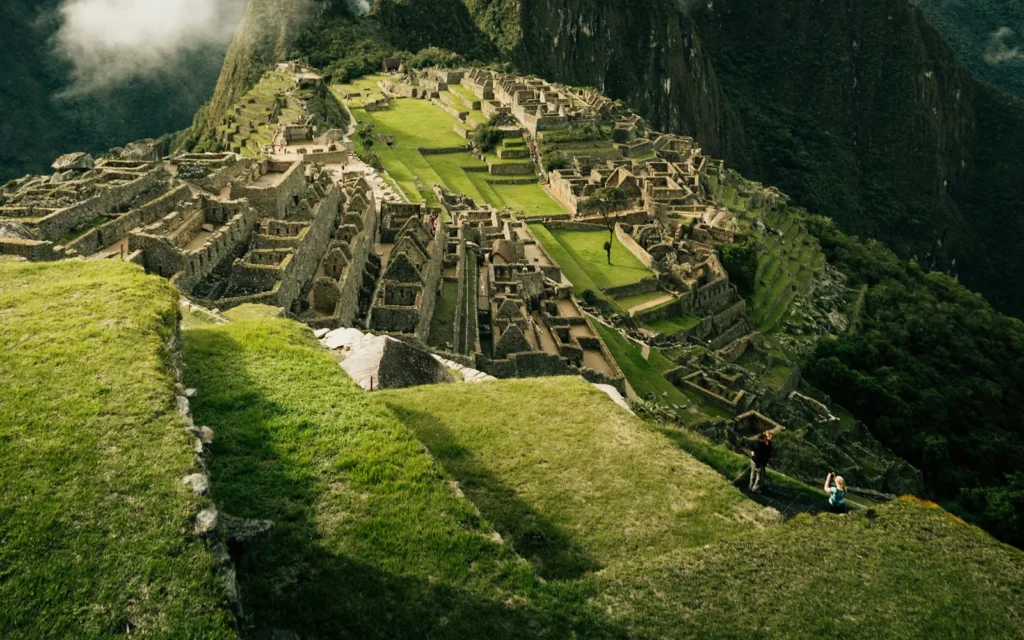
The 15th-century Inca citadel sits on a high saddle between two Andean peaks, wrapped in cloud forest and often a sea of morning mist. The dry season from May to September gives the clearest views — and permits sell out months ahead.
3. Banff & Moraine Lake, Canada
Best months: Jul–Sep · 8–22°C days · some rain (climate data)
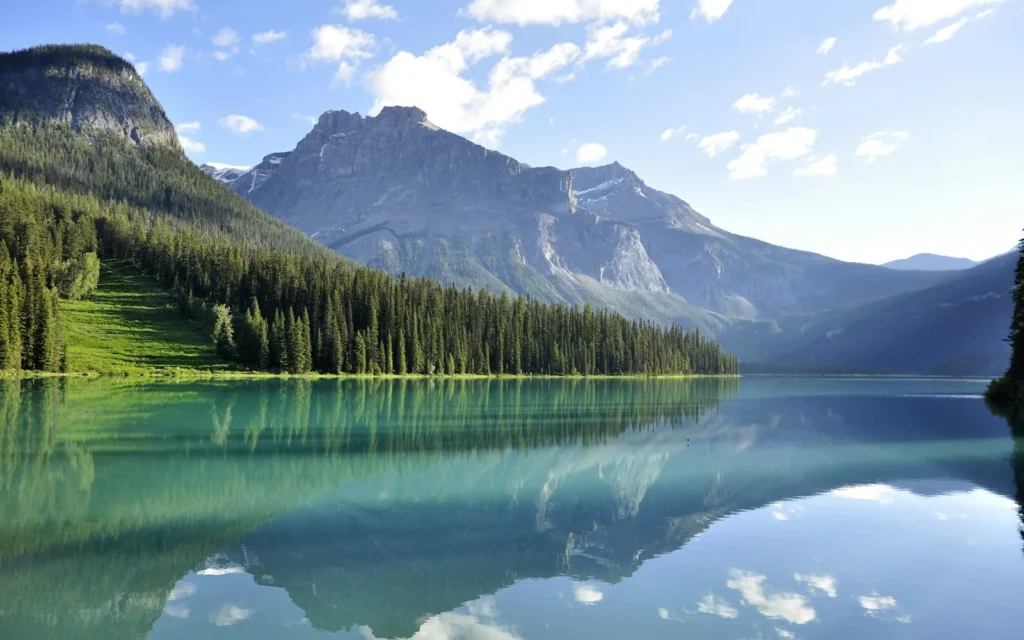
Glacier-fed lakes glow an almost unreal turquoise beneath the jagged peaks of the Canadian Rockies. Moraine and Louise are at their most vivid from late June to September, once the winter ice has melted.
4. The Lauterbrunnen Valley, Switzerland
Best months: Jul–Sep · 15–24°C days · rainy (climate data)
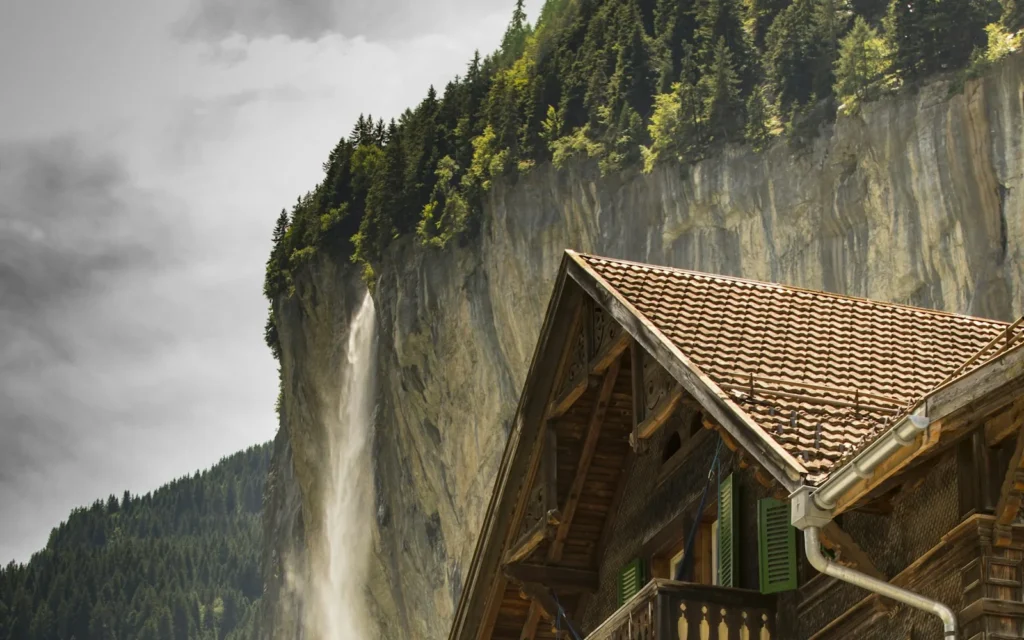
Seventy-two waterfalls tumble from sheer cliffs into a green Alpine valley beneath the Jungfrau massif. Late spring, when snowmelt sends the falls thundering, is the most dramatic time to visit.
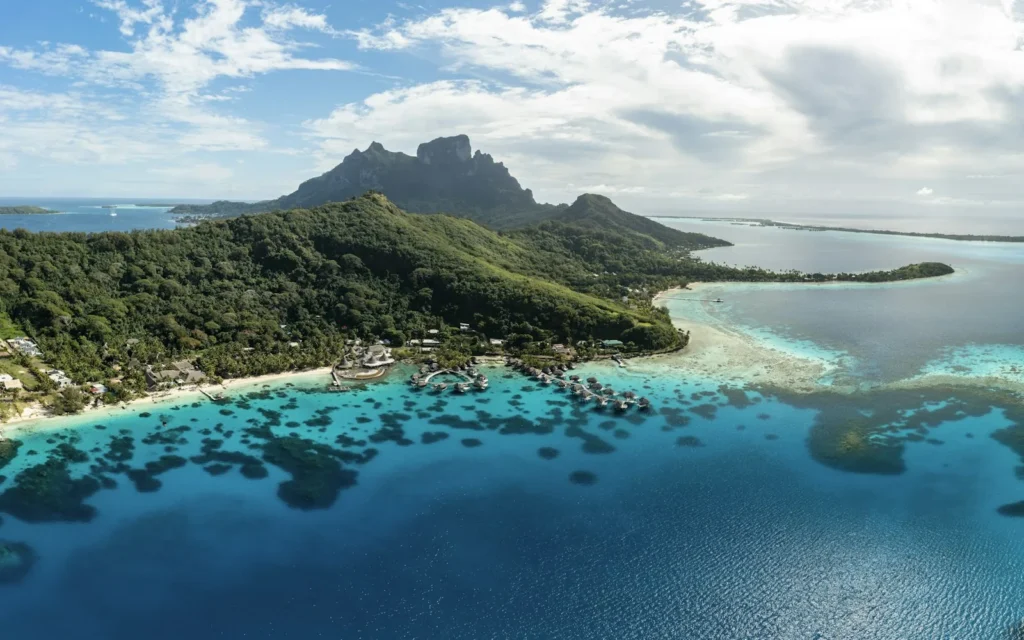
5. Bora Bora, French Polynesia
A ring of coral and overwater bungalows encircles a lagoon in impossible shades of blue, watched over by the volcanic spire of Mount Otemanu. The dry season from May to October brings the calmest, clearest water.
6. Cappadocia, Turkey
Best months: Jul–Sep · 16–30°C days · dry (climate data)
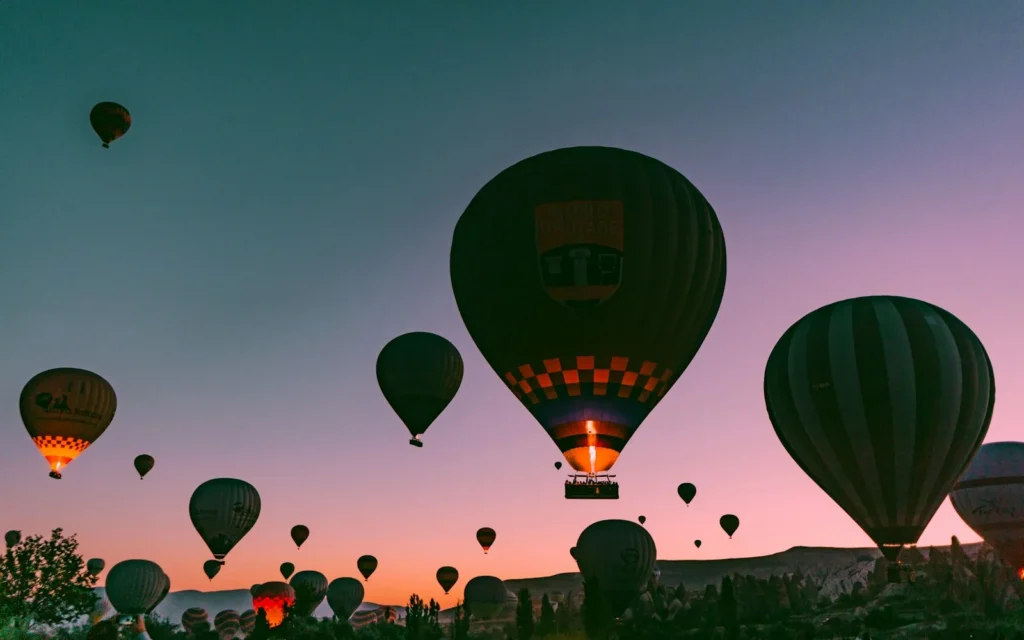
Wind and water carved this Anatolian landscape into fairy chimneys and underground cities, and at dawn hundreds of hot-air balloons drift over the valleys. Spring and autumn offer the mildest weather for ballooning.
7. Plitvice Lakes, Croatia
Best months: Sep–Nov · 14–22°C days · some rain (climate data)
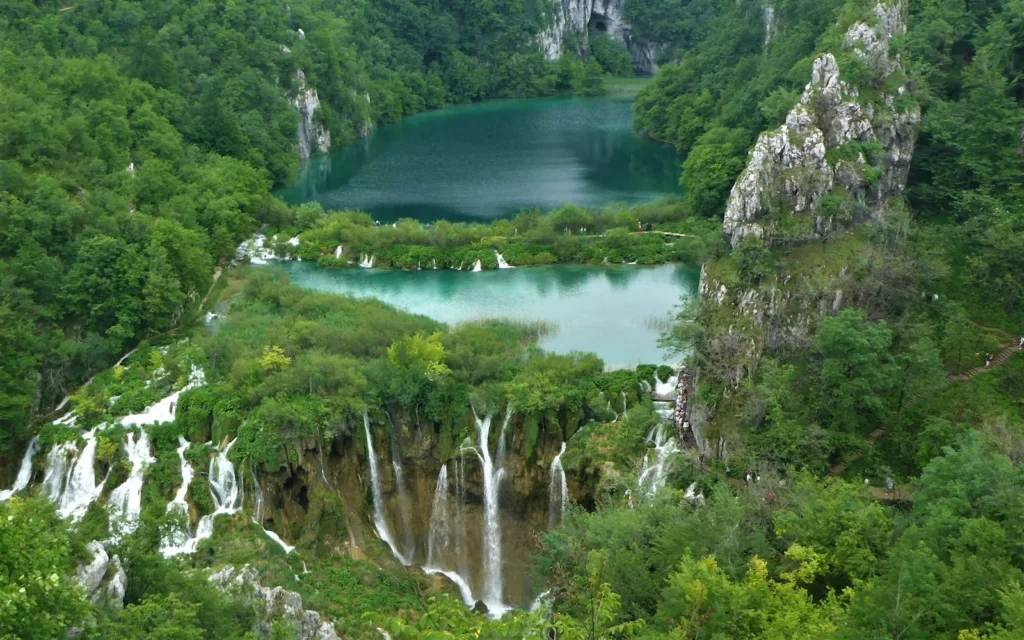
Sixteen terraced lakes cascade one into the next over travertine barriers, ringed by forest and linked by wooden walkways. Autumn colour and spring’s full waterfalls are the two most beautiful windows.
8. Petra, Jordan
Best months: Apr–Jun · 16–29°C days · dry (climate data)
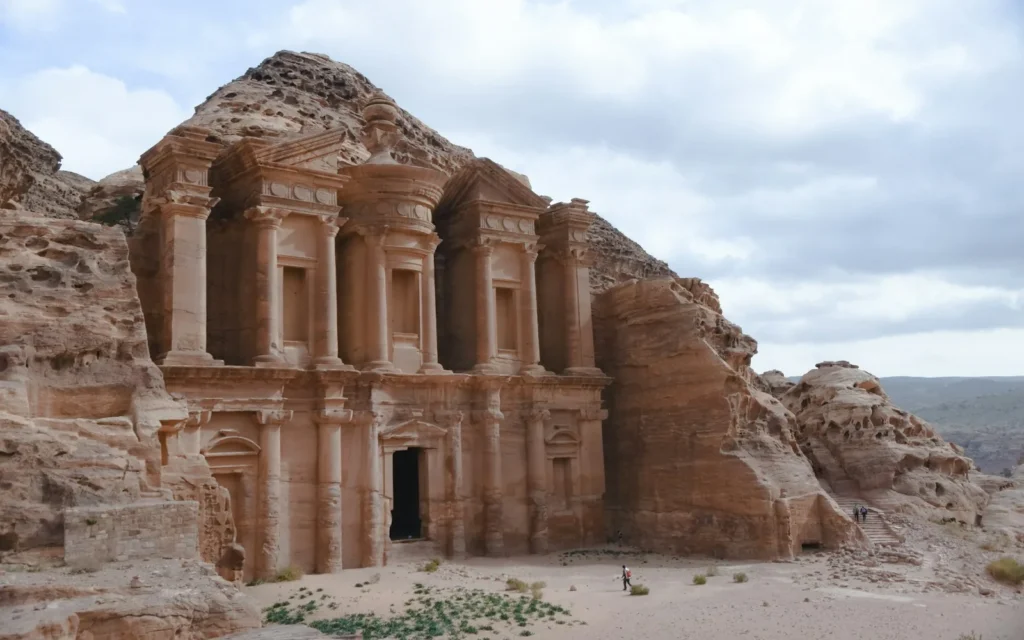
Carved into rose-red sandstone, the ruined Nabataean city is reached through a mile-long slot canyon that opens dramatically onto the Treasury. Spring and autumn keep the desert heat manageable.
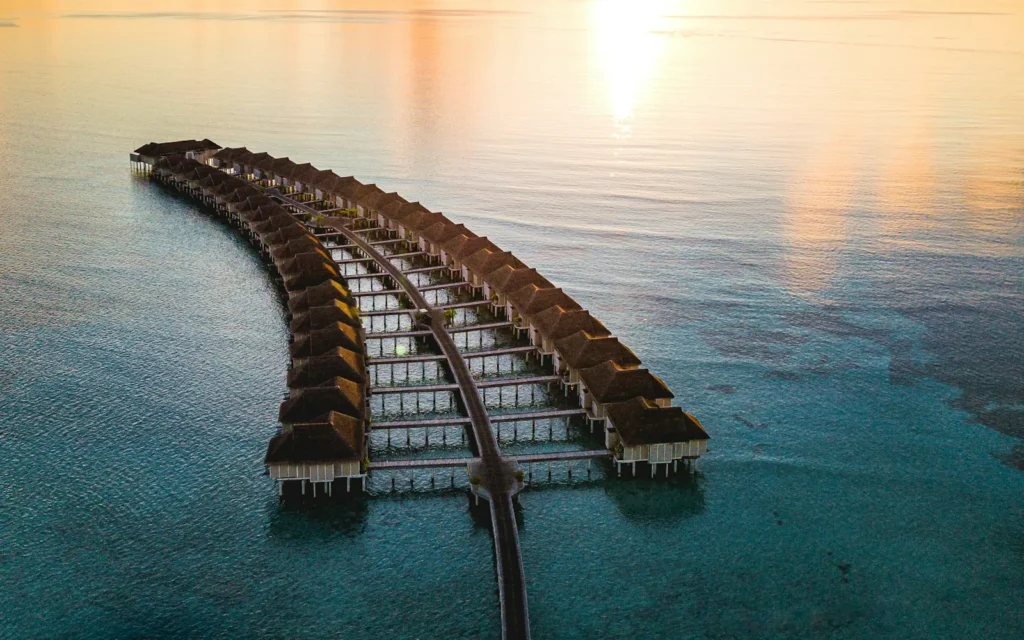
9. The Maldives
Best months: Jan–Mar · 27–28°C days · dry (climate data)
Hundreds of low coral islands scatter across the Indian Ocean, each ringed by white sand and glassy turquoise shallows. The dry season from November to April is the reliable time for sun and calm seas.
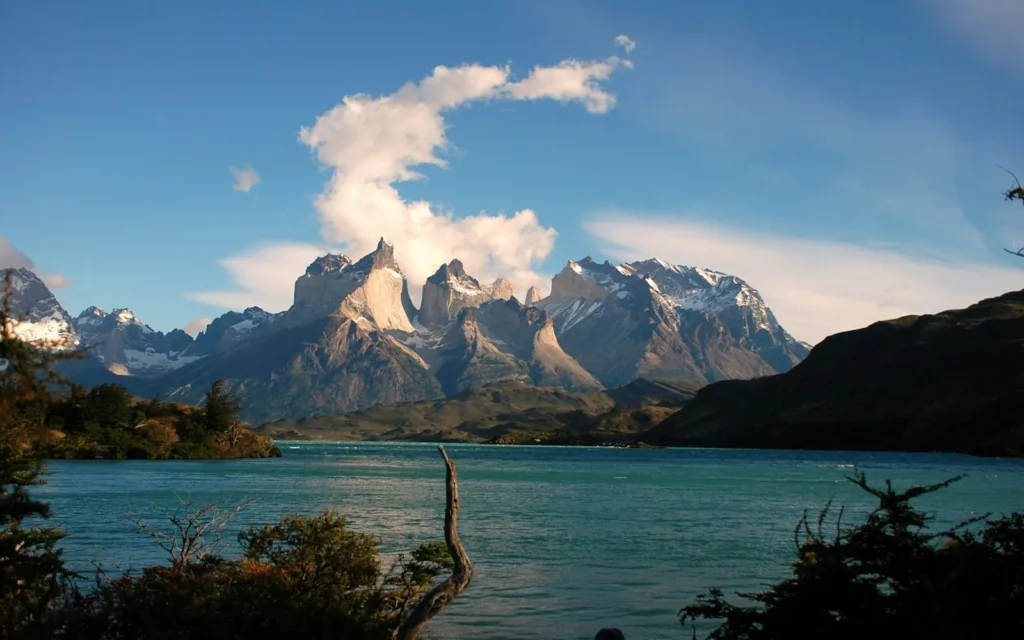
10. Torres del Paine, Chile
Best months: Oct–Dec · 12–26°C days · dry (climate data)
Sheer granite towers rise straight from the Patagonian steppe above turquoise lakes and hanging glaciers. The southern summer, December to February, brings the longest days and the best trekking weather.
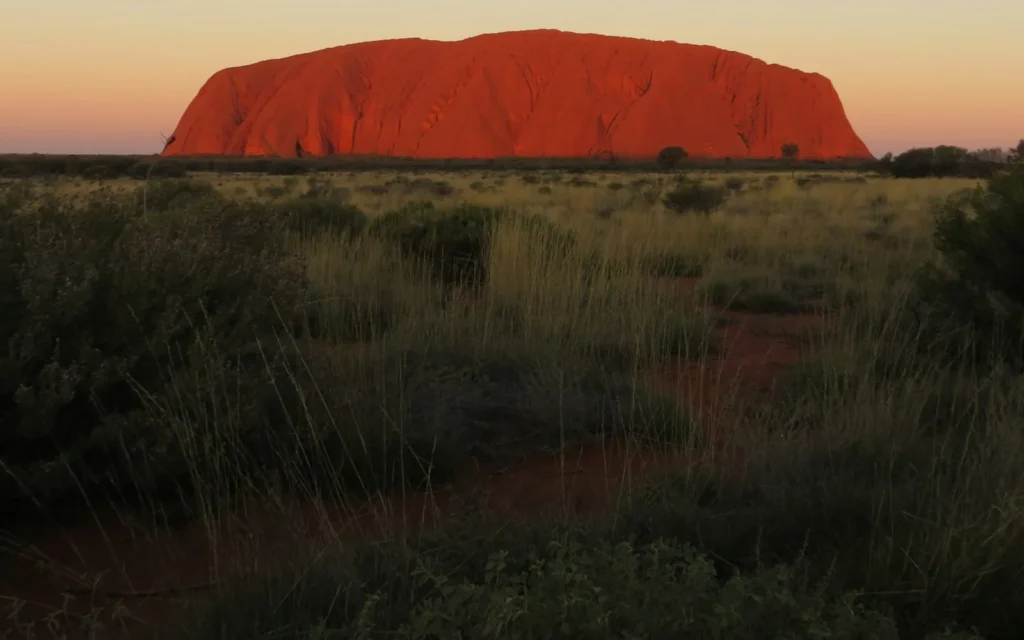
11. Uluru, Australia
The vast sandstone monolith glows deep red at sunrise and sunset in the heart of the outback, and is sacred to the Anangu people. The cooler months from May to September are the most comfortable for a visit.
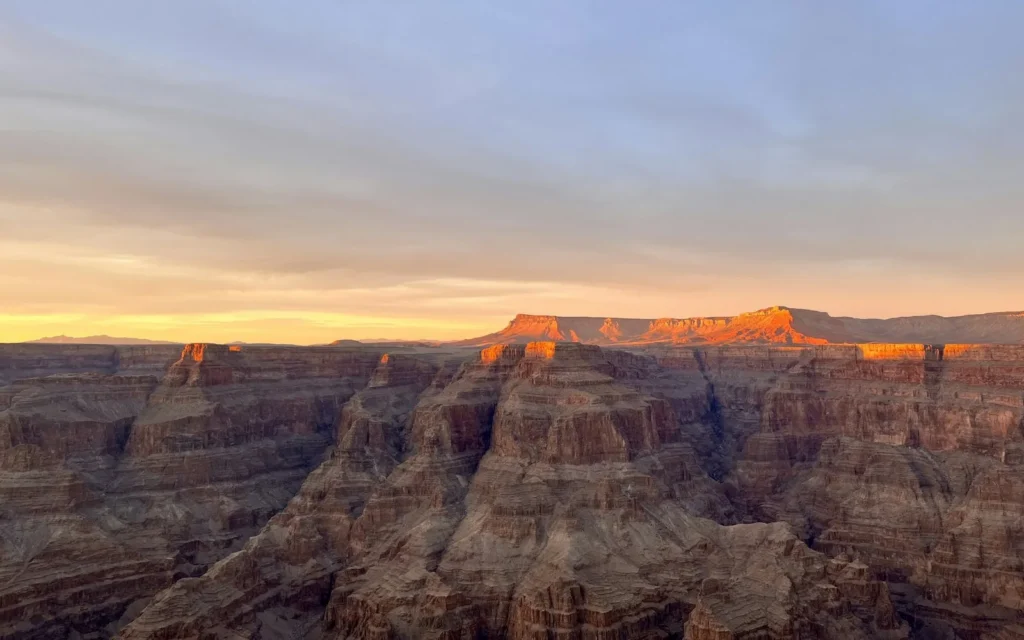
12. The Grand Canyon, USA
The Colorado River has cut a mile deep through layered rock, laying bare nearly two billion years of the Earth’s history. The South Rim is open year-round, with spring and autumn the quietest and mildest.
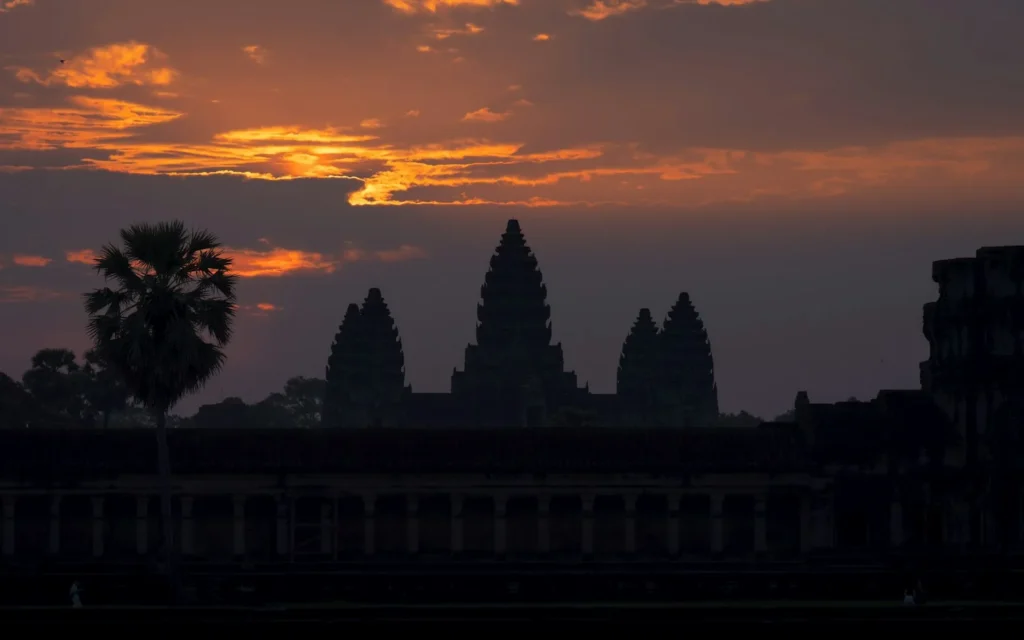
13. Angkor Wat, Cambodia
Best months: Dec–Feb · 22–31°C days · dry (climate data)
The largest religious monument on Earth rises in five lotus-bud towers, most magical when silhouetted against a fiery sunrise. Visit in the dry season, November to March, for cooler and clearer days.
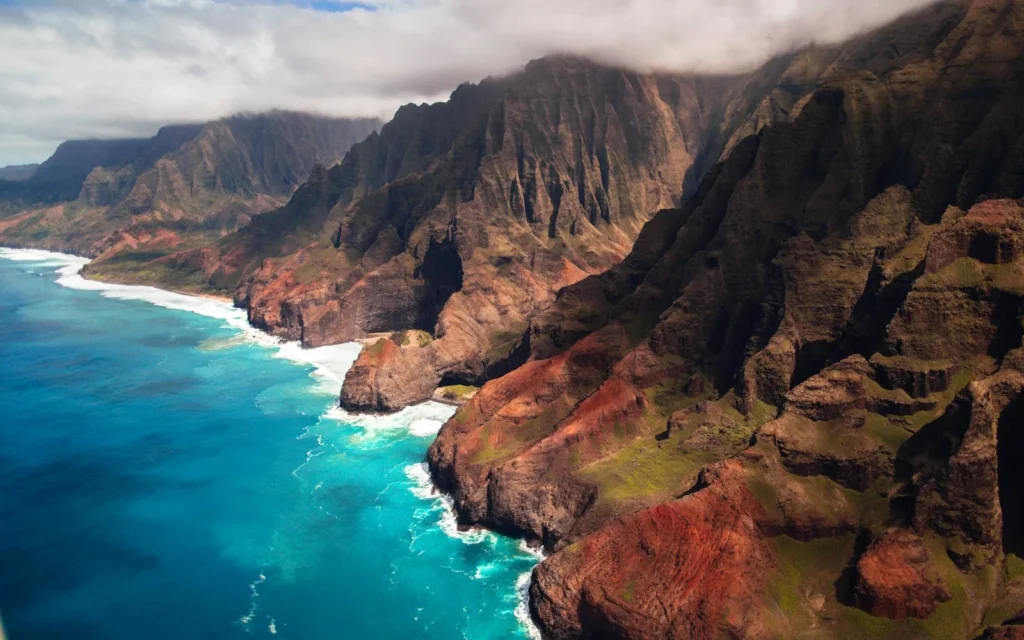
14. The Nā Pali Coast, Hawaii
Best months: Jun–Aug · 23–29°C days · some rain (climate data)
Emerald cliffs pleat down to the sea along Kauai’s roadless northern shore, reachable only by boat, foot or helicopter. Summer brings the calmest water for seeing them from the ocean.
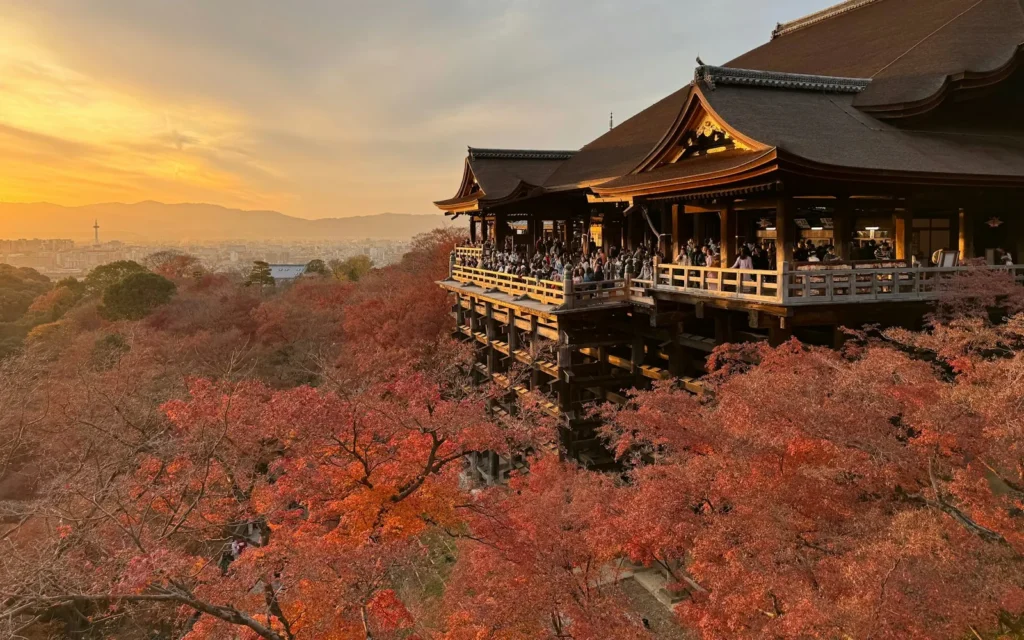
15. Kyoto, Japan
Best months: Sep–Nov · 14–22°C days · rainy (climate data)
Japan’s old imperial capital is at its most beautiful in autumn, when its temples, gardens and torii-lined paths blaze with maple colour. Mid-to-late November is usually the peak.
How to plan a bucket-list trip
Most of these destinations reward planning ahead: peak seasons book out fast (Machu Picchu permits, Bora Bora bungalows), and the shoulder months often bring better light and thinner crowds. Group destinations by region to save on long-haul flights — the Mediterranean (Santorini, Plitvice), Southeast Asia (Angkor Wat), or the Americas (Grand Canyon, Machu Picchu, Patagonia) — and always check visa rules and the local weather window before you lock in dates.
Frequently Asked Questions
What is the most beautiful place in the world?
What is the best time to visit these bucket-list destinations?
How many of these can you see in one trip?
Related Articles
You Might Also Love




Written by
John Morrison is the founder and lead travel writer at Packzup. Over the past decade he has explored destinations across Africa, the Americas, Asia, Europe, the Middle East, and Oceania — always self-funded, never on a press trip.
