Quick Answer
The best destinations for photographers combine reliable light with subjects that reward the effort: Santorini’s caldera, Cappadocia’s dawn balloons, Machu Picchu in mist, Bagan’s temple plain, Petra, the Serengeti, Iceland and Mount Fuji. Here are 12, with the shot to aim for and when the light works.
Great travel photography is mostly about being somewhere remarkable at the right hour. These 12 destinations deliver both — each entry notes the signature composition, the time of day that works, and the season worth planning around.
12 of the Best Destinations for Photographers
1. Santorini, Greece
Best months: Jun–Aug · 23–29°C days · dry (ERA5 climate data)
Blue hour over Oia is the shot everyone wants, but the caldera rewards patience — shoot from Imerovigli at sunrise to avoid the crowds entirely.

2. Cappadocia, Turkey
Best months: Jul–Sep · 16–30°C days · dry (ERA5 climate data)
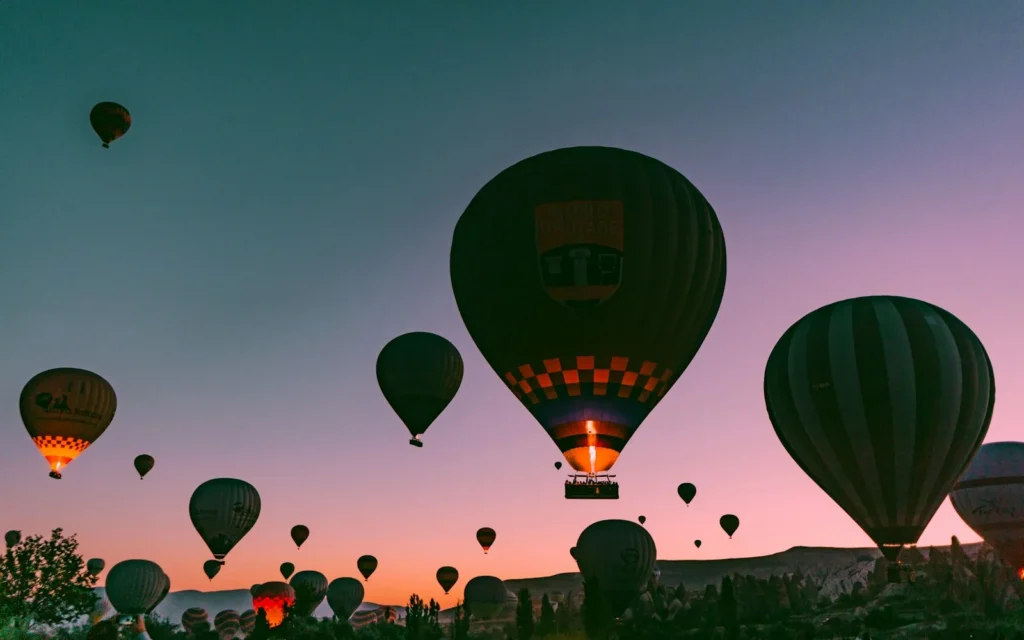
Hundreds of balloons at dawn over fairy chimneys. Shoot from a hotel terrace in Göreme, or from a hillside for compression with a longer lens.
3. Machu Picchu, Peru
Best months: Apr–Jun · 17–21°C days · dry (ERA5 climate data)
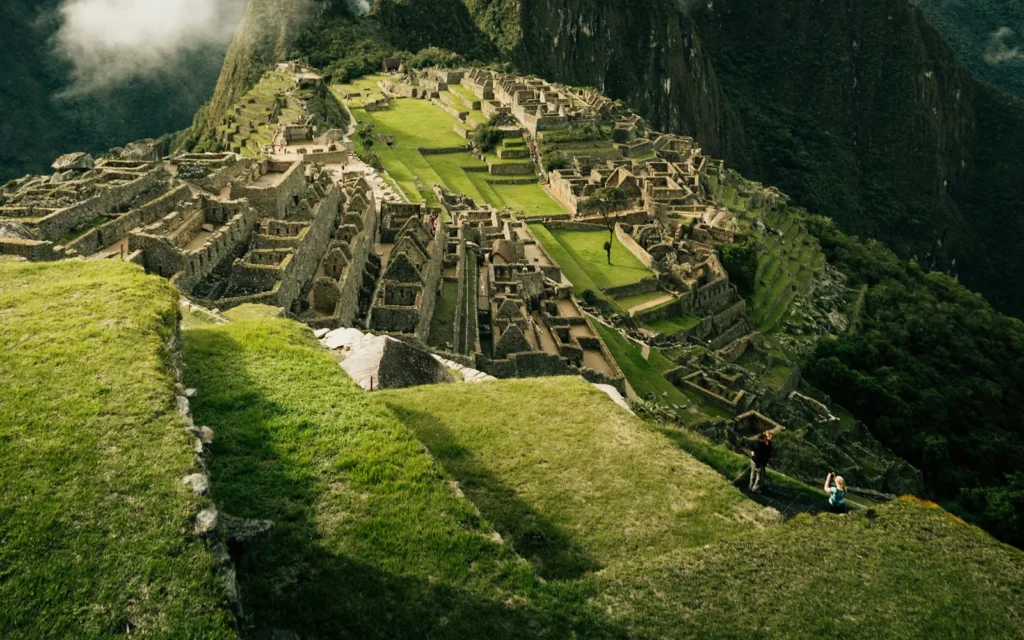
Arrive for the first entry slot to catch mist moving through the citadel — the classic view is from the Guardhouse terrace.
4. Bagan, Myanmar
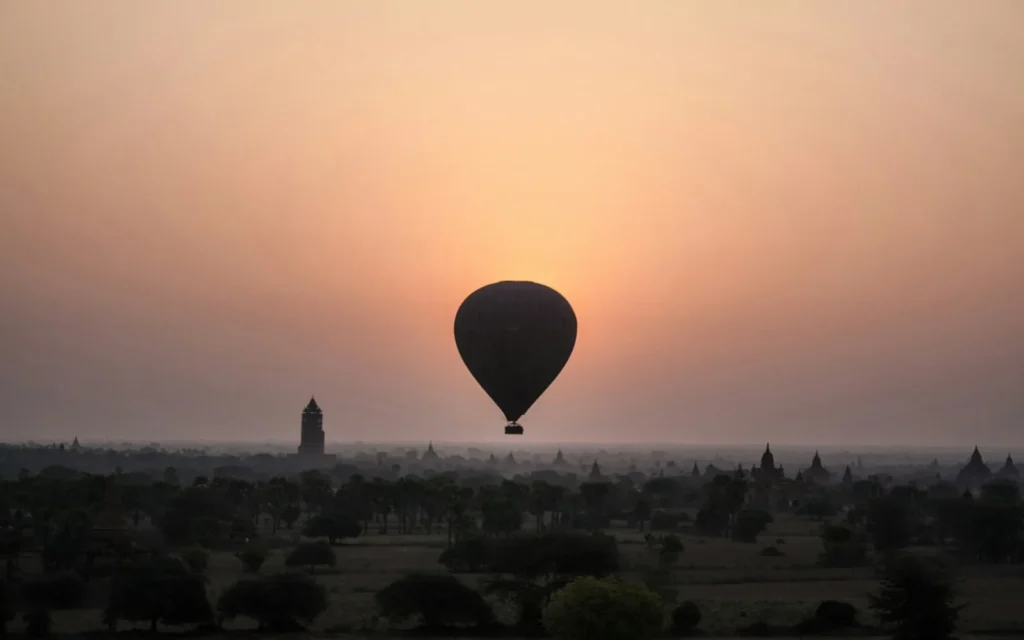
Two thousand temples on a plain, best at first light when haze separates them into layers.
5. Petra, Jordan
Best months: Apr–Jun · 16–29°C days · dry (ERA5 climate data)
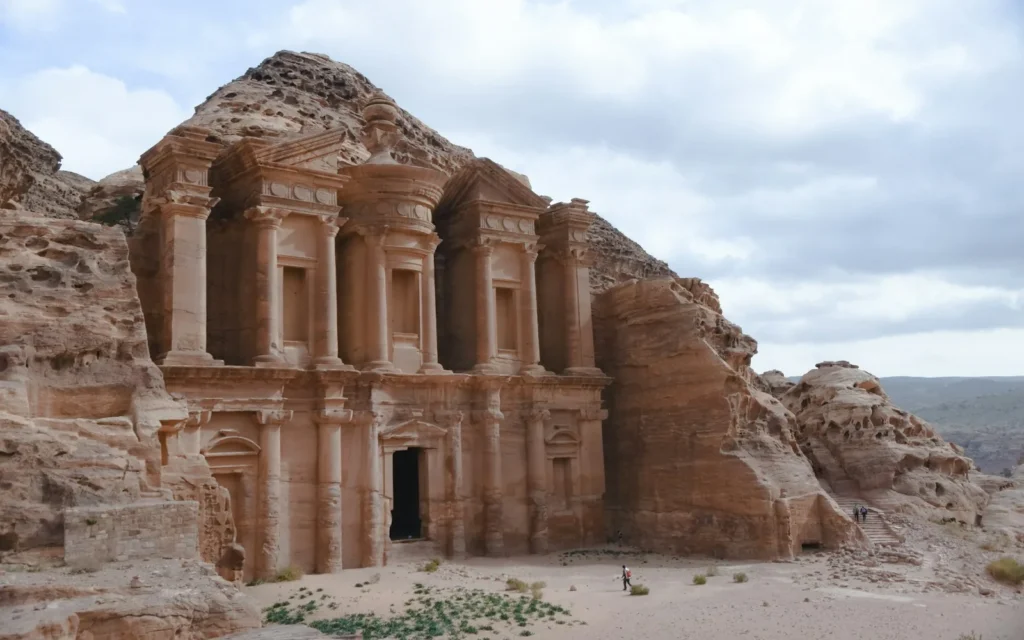
The Treasury framed at the end of the Siq, and the Monastery after a long climb — both reward early starts and a wide lens.
6. The Serengeti, Tanzania
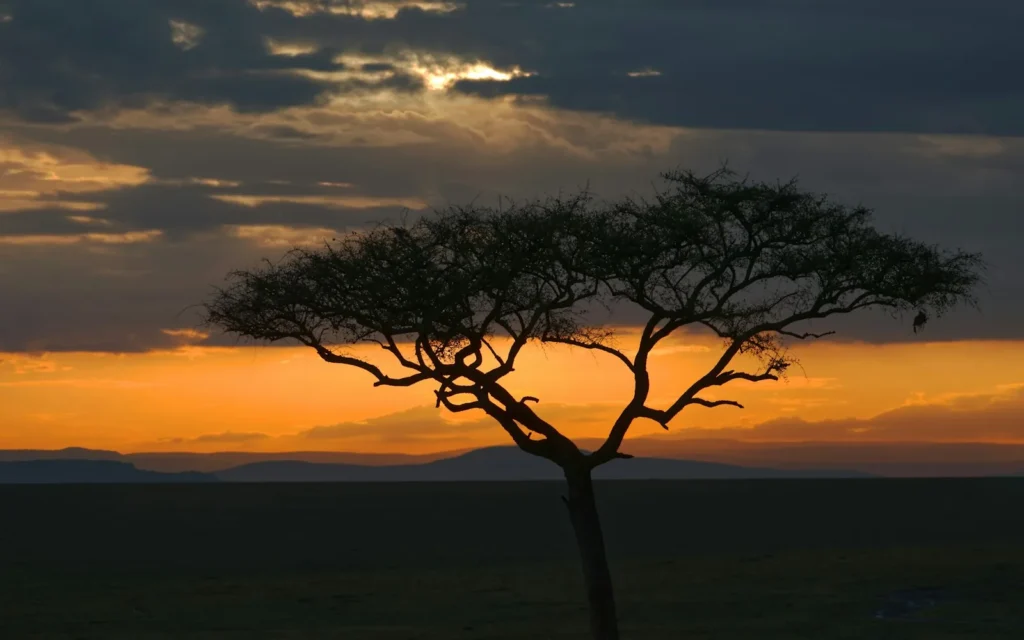
Golden grass, acacia silhouettes and the Great Migration. A long lens is essential; a beanbag beats a tripod in a vehicle.
7. Iceland
Best months: Jun–Aug · 9–13°C days · rainy (ERA5 climate data)
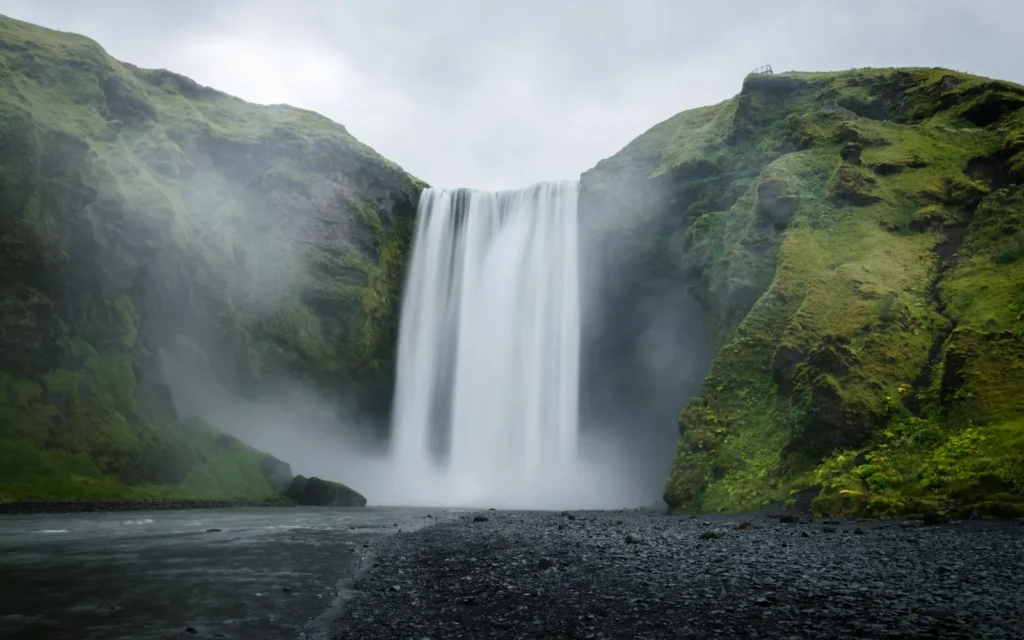
Waterfalls, black beaches and ice caves within a short drive of the Ring Road — plus the aurora from September to March.
8. Mount Fuji, Japan
Best months: Sep–Nov · 14–22°C days · rainy (ERA5 climate data)
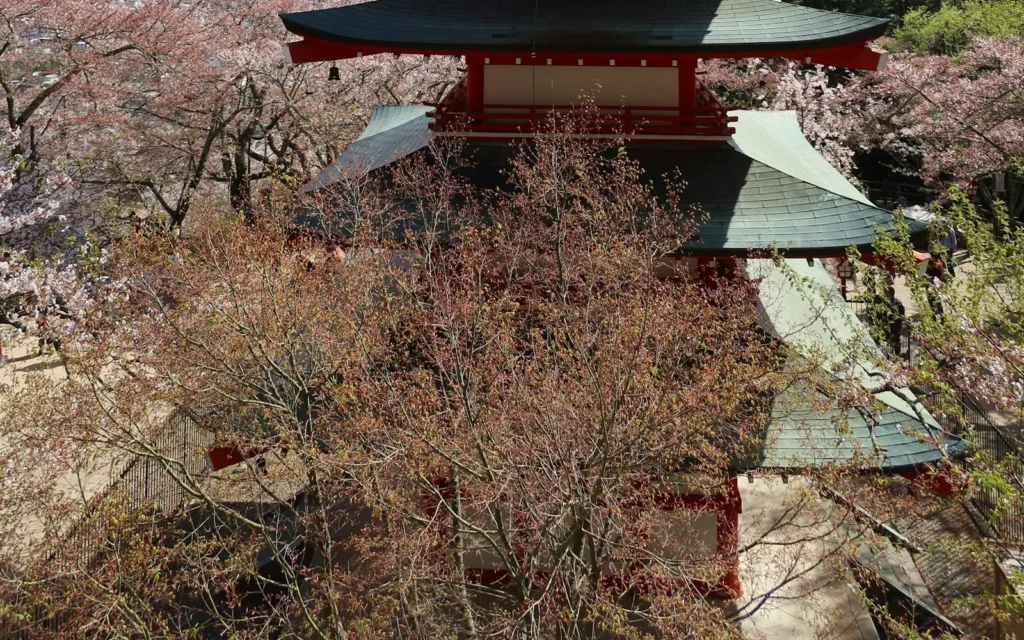
The Chureito Pagoda with Fuji behind is Japan’s signature frame, at its best with cherry blossom in mid-April.
9. Venice, Italy
Best months: Apr–Jun · 13–23°C days · rainy (ERA5 climate data)
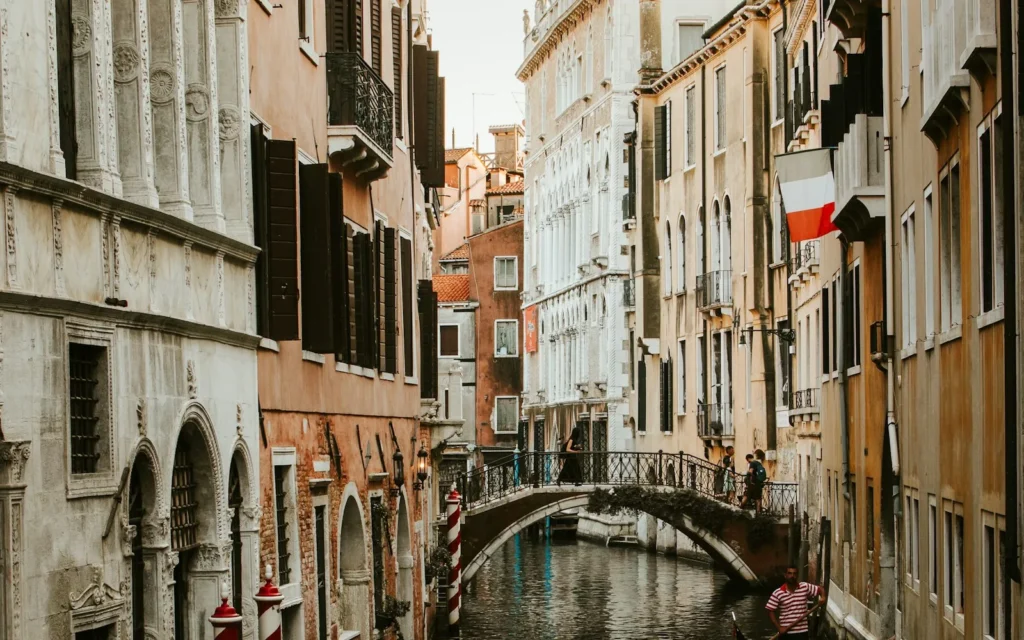
Shoot the canals at dawn before the crowds and the vaporetto wake — winter fog makes the best images.
10. Plitvice Lakes, Croatia
Best months: Jun–Aug · 22–31°C days · dry (ERA5 climate data)
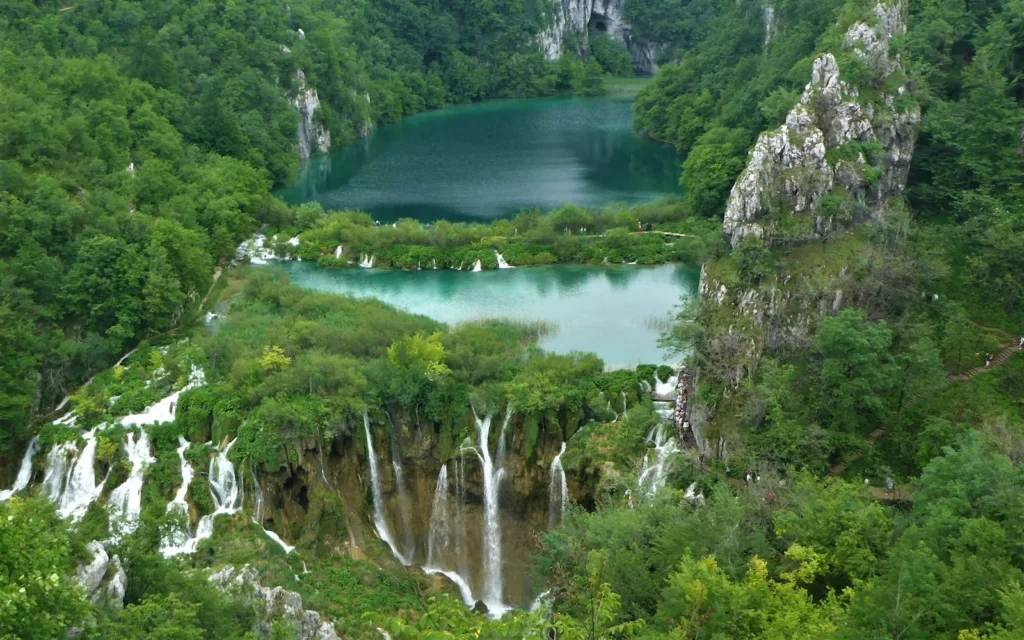
Turquoise terraced lakes and waterfalls seen from wooden walkways — overcast days give the most saturated water.
11. Lauterbrunnen, Switzerland
Best months: Jul–Sep · 15–24°C days · rainy (ERA5 climate data)
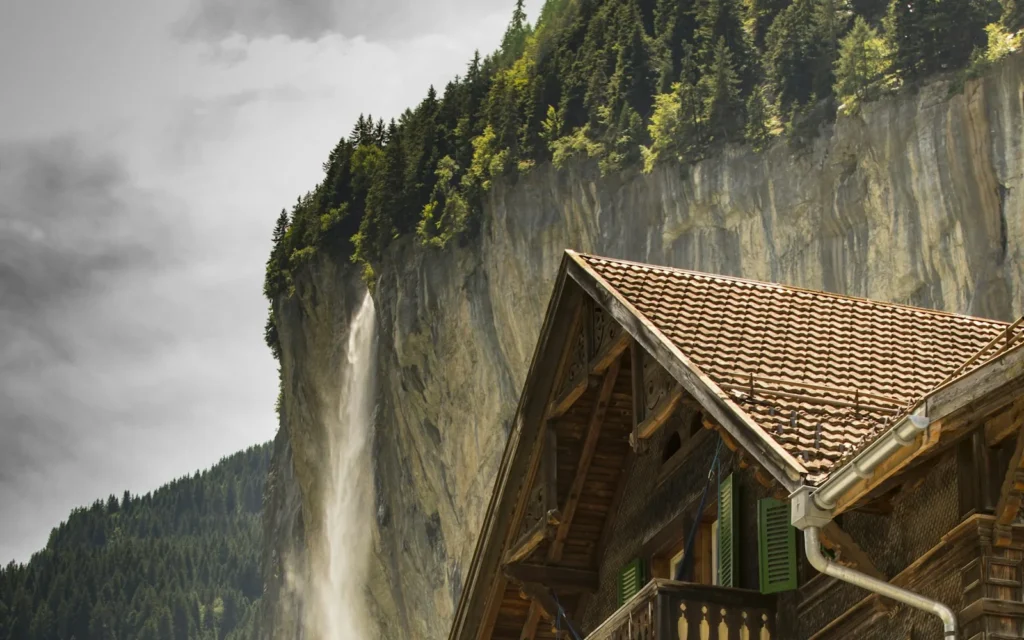
Seventy-two waterfalls in a glacial valley beneath the Jungfrau — spring snowmelt makes them thunder.
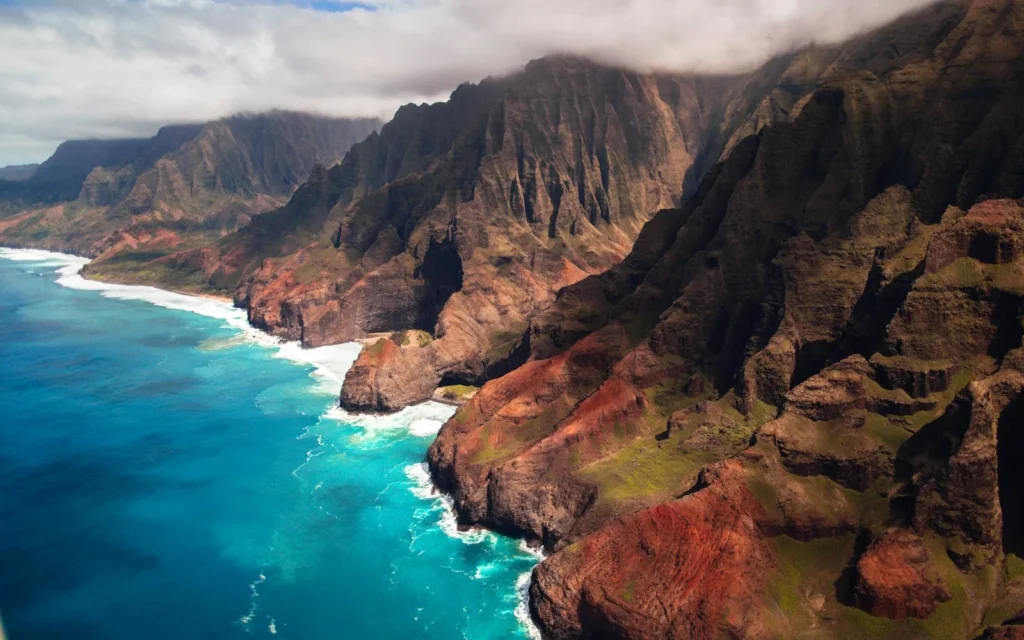
12. The Na Pali Coast, Hawaii
Best months: Jun–Aug · 23–29°C days · some rain (ERA5 climate data)
Emerald cliffs pleating into the Pacific, shot from a boat, the Kalalau Trail, or a doors-off helicopter.
Practical notes for shooting these places
Nearly every shot on this list happens within an hour of sunrise or sunset — build your itinerary around light, not opening times. Take a fast wide lens for interiors and landscapes, a 70–200 for compression (Cappadocia’s balloons, Serengeti wildlife needs longer still), and a tripod anywhere you plan to shoot blue hour. Check local rules before flying a drone: it is restricted or banned outright at Machu Picchu, Petra, much of Iceland’s protected land and most national parks. And respect people and places of worship — ask before photographing individuals, and look for posted restrictions inside temples.
Frequently Asked Questions
What is the best destination for travel photography?
Iceland offers the greatest variety within a short drive; Cappadocia and Bagan give the most distinctive single images; Santorini remains the classic.
When should you shoot?
The hour after sunrise and before sunset almost everywhere, plus blue hour for cities. Overcast days suit waterfalls and forests like Plitvice.
Can you fly a drone at these sites?
Often not — Machu Picchu, Petra and most national parks prohibit it. Always check local regulations first.