
Last updated September 8, 2026 · Editorial policy
Quick take: Every travel blog says the same thing about when to visit Cambodia. Most of it is copy-pasted from tourism boards. Here’s what actually matters. Cool dry season (November-February) gives the most comfortable temperatures for exploring Angkor — sunrise photography, all-day temple touring, no humidity. December-January are peak; November and February have similar weather with marginally fewer tourists.
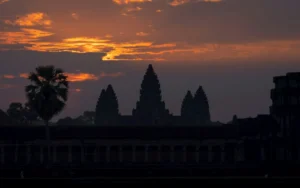
Cambodia is essentially two seasons — bone-dry and bone-wet — with a few weeks of transition between. Angkor Wat at sunrise in February versus August is two completely different experiences, and pricing follows weather closely. Here is when to go and what trade-offs each season delivers.
Best time to visit Cambodia: at a glance
Short answer: November to February — dry and (relatively) cool.
| Season | Months | What to expect |
|---|---|---|
| Peak | Nov–Feb | Dry, cooler, best for Angkor; busiest |
| Shoulder (best value) | Mar, Oct | Warm/humid shoulder, fewer crowds |
| Low | Jun–Sep | Wet, hot; lush, cheapest |
Best months to visit Cambodia
Cool dry season (November-February) gives the most comfortable temperatures for exploring Angkor — sunrise photography, all-day temple touring, no humidity. December-January are peak; November and February have similar weather with marginally fewer tourists.
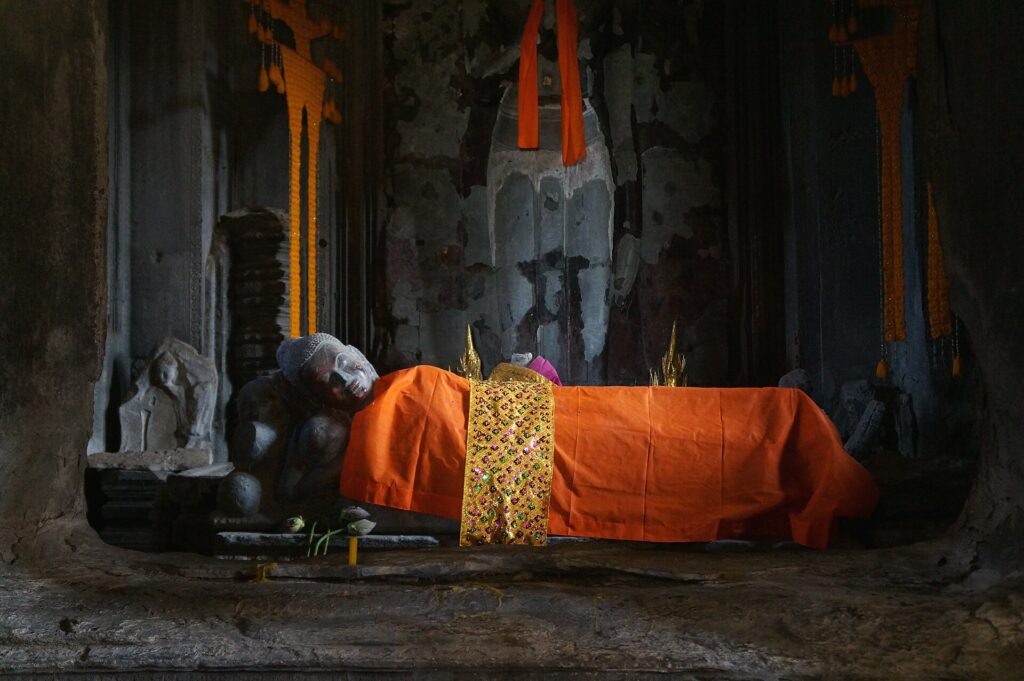
Month-by-month overview
When to avoid Cambodia
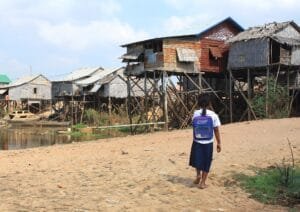
April and May are oppressively hot — 36°C+ daily, temple touring is brutal. June-September is wet season with daily afternoon downpours, but trade-off is lush green and Tonlé Sap floating villages at their most photogenic.
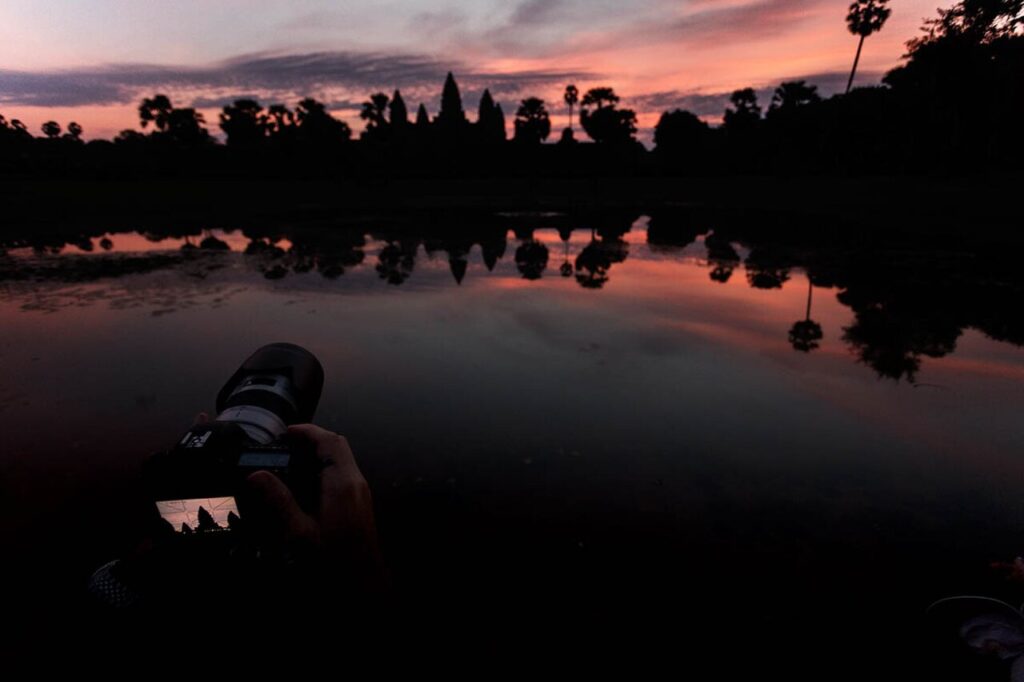
Key events and festivals
- Khmer New Year (Choul Chnam Thmey) (April 13-15): Three-day national holiday; cities empty out as families return to villages. Temples are uniquely quiet.
- Water Festival (Bon Om Touk) (Late October / early November (full moon)): Phnom Penh fills with boat races on the Tonlé Sap; spectacular.
- Pchum Ben (September / October (15 days)): Ancestor honouring festival; markets bustle, monks chant pre-dawn.
- Angkor Photography Festival (November (every other year)): Held in Siem Reap; major regional event for documentary photographers.
A local planning note
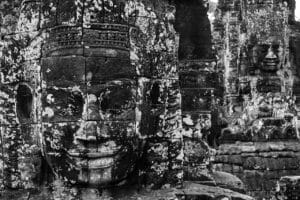
If you want Angkor without the crowds, go in mid-November. The rains have just stopped, temples are at their greenest, the air is clean (post-rainy-season), and December-pricing hasn’t kicked in. Sunrise at Bayon (not Angkor Wat) gives you the smiling faces in golden light with maybe 20 people, not 2,000.
The Late-October-to-November Sweet Spot Most Guides Skip
The page rightly flags December to February as the dry-season peak and April as the month to dodge. The window worth fighting for sits just before that peak: roughly late October into November, when three things line up at once.
First, the weather turns. November opens the dry season, with rainfall dropping to around 60mm across about five days and humidity easing to roughly 70 percent, down from October’s soggier 76. Daytime highs settle near 23 to 31C, so you can tour Angkor from sunrise to dusk without the wrung-out feeling of the hot months.
Second, Tonle Sap is still at its fullest. The lake hits maximum extent in October, swelling toward 15,000 square kilometres with water risen 8 to 10 metres, so the flooded forest and stilt villages are genuinely afloat rather than stranded on dry mud.
Third, the timing catches Bon Om Touk, the water festival marking the Tonle Sap River’s flow reversal. In 2026 it runs November 23 to 25, with boat races and fireworks along the Phnom Penh riverside.
- Skip April: averages around 35C and can push 40C, with humidity at its yearly worst.
You get dry skies and a full lake before December crowds and prices arrive.
Frequently asked questions
When is the cheapest time to visit Cambodia?
May-September has the cheapest flights and Siem Reap hotels — sometimes 40-50% off December peak. Trade-off is heat and rain.
Is Angkor crowded in dry season?
Yes — sunrise at Angkor Wat sees 2,000+ people in December-January. Visit Bayon at sunrise instead, or Angkor in late afternoon when day-trippers leave.
Should I visit Cambodia in wet season?
Yes for greener temples, full Tonlé Sap floating villages, fewer tourists, and cheaper rooms. Plan around daily 1-2 pm downpours.
When is the best time to see the Tonlé Sap floating villages?
August through October when water is highest. In dry season, villages are stranded above receded water.
How hot is April actually?
Brutal — 36-40°C with little humidity but intense sun. Temples have no shade; locals stop work in afternoon. Skip Cambodia in April unless you must.
Plan your Cambodia trip
Cambodia weather & climate by month
Best months to visit: December. Cambodia’s warmest month is March (avg 34°C / 93°F), the coolest is December (low 21°C / 70°F). The wettest is September (376 mm) and the driest is January.
| Month | Avg high | Avg low | Rainfall | Rainy days |
|---|---|---|---|---|
| January | 31°C / 88°F | 22°C / 71°F | 20 mm | 2 |
| February | 32°C / 90°F | 23°C / 73°F | 33 mm | 6 |
| March | 34°C / 93°F | 25°C / 77°F | 51 mm | 9 |
| April | 33°C / 92°F | 26°C / 78°F | 133 mm | 17 |
| May | 33°C / 91°F | 26°C / 79°F | 202 mm | 23 |
| June | 33°C / 91°F | 26°C / 79°F | 136 mm | 22 |
| July | 32°C / 90°F | 26°C / 78°F | 226 mm | 25 |
| August | 32°C / 89°F | 26°C / 78°F | 222 mm | 27 |
| September | 30°C / 87°F | 25°C / 76°F | 376 mm | 28 |
| October | 30°C / 86°F | 24°C / 74°F | 265 mm | 23 |
| November | 30°C / 87°F | 23°C / 73°F | 114 mm | 14 |
| December | 30°C / 86°F | 21°C / 70°F | 27 mm | 4 |
Climate source: Open-Meteo / WMO climate normals (WMO 1991–2020, or ERA5 2019–2023 where unavailable). Compare destinations in the Best Time to Visit Index.
You Might Also Love

Written by
John Morrison is the founder and lead travel writer at Packzup. Over the past decade he has explored destinations across Africa, the Americas, Asia, Europe, the Middle East, and Oceania — always self-funded, never on a press trip.
