
Last updated August 29, 2026 · Editorial policy
Best time to visit Sri Lanka: at a glance
Short answer: December to March for the west & south coasts and the hill country.
| Season | Months | What to expect |
|---|---|---|
| Peak | Dec–Mar | Dry west/south, prime beaches; busiest |
| Shoulder (best value) | Apr, Sep | Inter-monsoon, fewer crowds |
| Low | May–Aug | SW monsoon (west) — but the east coast shines |
Best Time to Visit Sri Lanka: Month-by-Month Guide
Quick take: Sri Lanka changes dramatically depending on when you visit. Here’s what each month actually looks like on the ground.
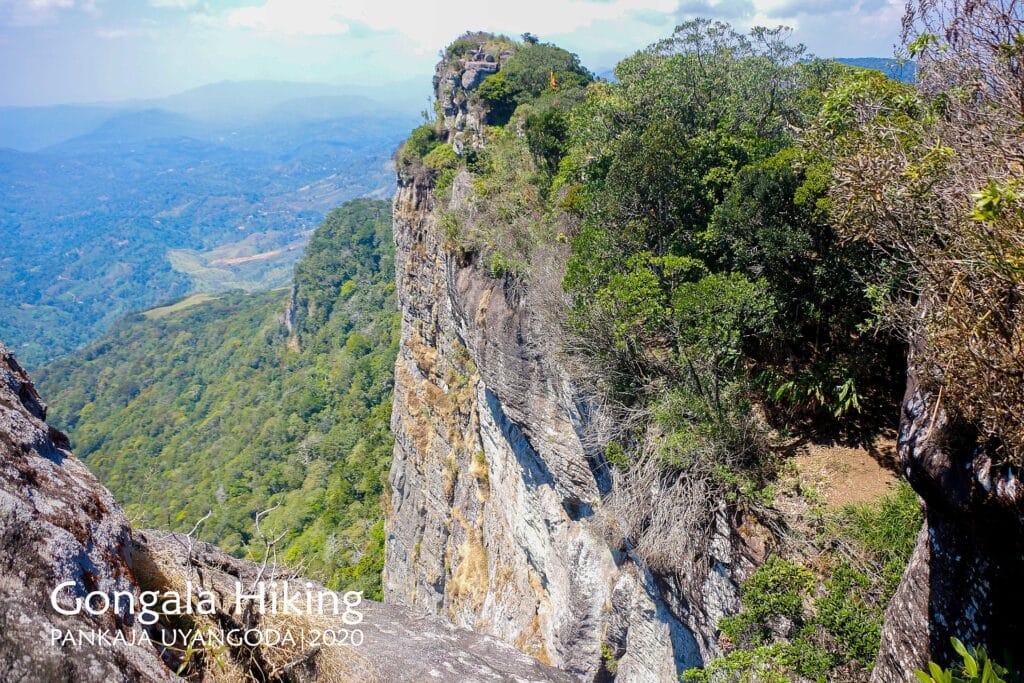
Knowing the best time to visit Sri Lanka can transform your trip — saving you hundreds on flights and hotels while putting you in better weather with fewer crowds. This guide breaks down each season, key events, and what to expect month by month so you can pick the right travel dates.
Festivals & Events in Sri Lanka
The Kandy Esala Perahera is the one window to book far ahead. Rooms in Kandy and balcony viewing spots along the procession route typically go months in advance for the final nights, which fall around late July or early August depending on the full moon.
- Kandy Esala Perahera (Jul-Aug)
- Sinhala & Tamil New Year (Apr)
- Vesak (Buddha Purnima) (May)
- Nallur Festival (Aug-Sep)
- Deepavali (Diwali) (Oct-Nov)
When to Visit by Travel Goal
- Fewest crowds: May through August empties the west and south coasts, with June typically the quietest along the Galle to Mirissa strip. April and September are quiet inter-monsoon shoulders. Within peak season, late January and February feel far thinner than the Christmas and New Year fortnight.
- Festivals & culture: The Kandy Esala Perahera is the marquee event, a run of night processions with caparisoned elephants and drummers ending on the Esala full moon, typically late July or early August. Jaffna’s Nallur festival follows across August into September, and Vesak lights the island in May.
- Budget travelers: May through August is the cheapest stretch for the southwest, since the Yala monsoon suppresses demand around Galle and Mirissa. Those same months are Arugam Bay’s surf season, so an east-coast trip typically buys good weather at low-season rates. September stays soft too.
What to Avoid
- Major holidays: Sinhala and Tamil New Year around April 13 and 14 is the biggest domestic surge, emptying Colombo and filling hill-country and beach towns. Vesak in May, Thai Pongal in mid-January, Deepavali in November, and every monthly Poya weekend also crowd temples and trains.
- Closures: Yala’s Block 1 typically shuts around September 1 to mid-October for park rejuvenation, and Arugam Bay’s surf guesthouses largely wind down outside July to September. Monthly Poya full-moon days close some shops and halt alcohol sales islandwide, so plan meals and safaris accordingly.
Booking Tips
- Sri Lanka’s west and south coasts peak from December to March, and long-haul seats over Christmas and New Year typically sell out first. Book roughly four to six months ahead for that window. For the late January to March sweet spot, two to three months usually suffices.
- The real shoulders are April and September, the two inter-monsoon gaps. April brings warm seas and the Sinhala and Tamil New Year but rising afternoon storms; September trades reliable southwest sun for softer rates and open space. Late January is the quieter half of peak.
- India sends the most visitors, so Indian school breaks in late December, April and May, and around Diwali tighten flights and south-coast hotels. UK half-term in February and the Christmas holidays matter next, followed by German and Russian winter breaks and Chinese New Year travel.
- Sri Lanka’s risks are weather and roads rather than snow or altitude. Monsoon rain can flood routes and trigger hill-country landslides, and the October to mid-November inter-monsoon hits both coasts. Check that a policy covers trip delay, medical evacuation, and any scooter or surfing you plan.
The Sweet Spot: Late January to March, and the Weeks to Skip
The calendar splits Sri Lanka into two opposing systems. The Yala (southwest) monsoon soaks the west and south coasts from roughly May to September, peaking in May and June, while the Maha (northeast) monsoon turns the east and north wet from about October into January. That geography is why one half of the island is almost always in season.
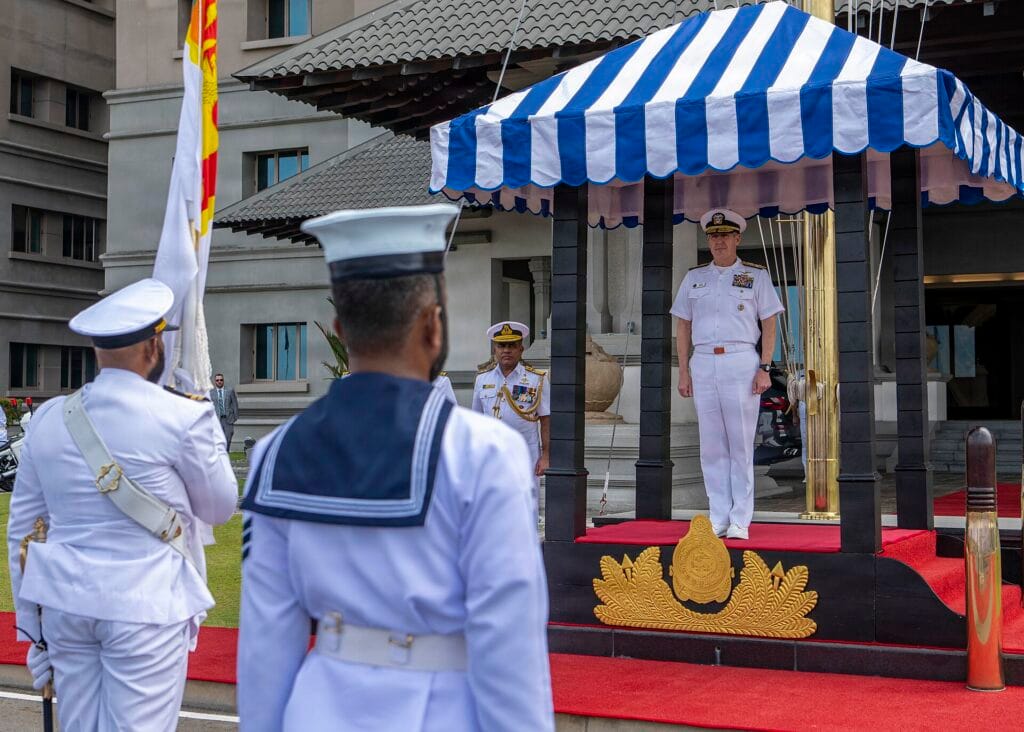
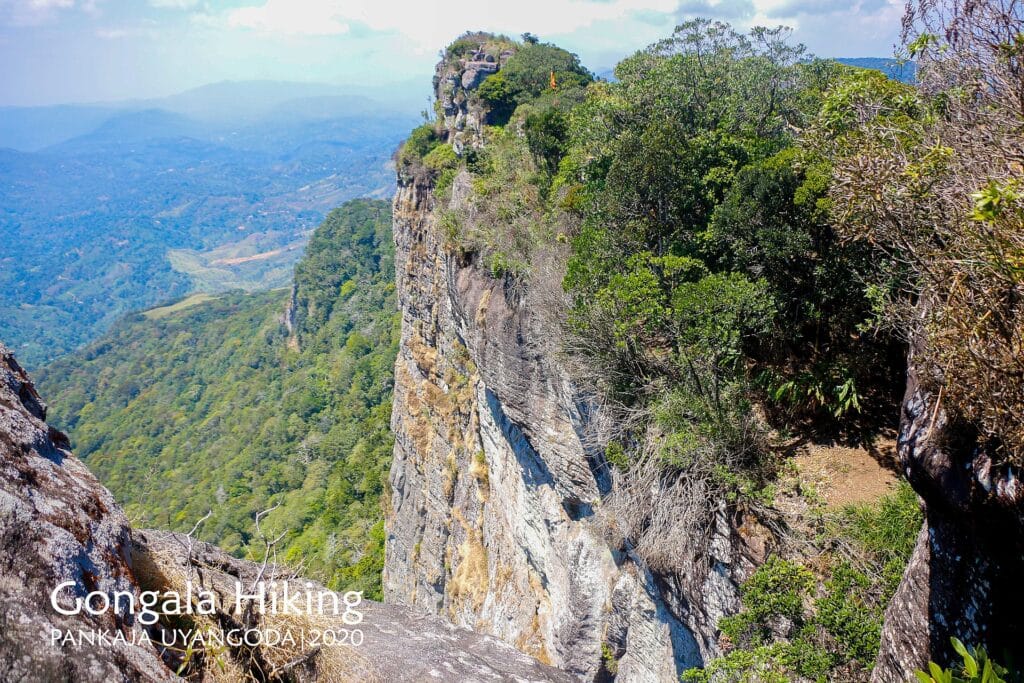
For the classic Galle-to-Mirissa coast and the hill country, the smart window is late January through March rather than the packed December holidays. Crowds thin once the New Year rush clears, room rates ease before the April peak returns, and the weather holds: February is both the driest month and the warmest at around 31C. The same stretch overlaps blue whale season off Mirissa, where sightings run highest from December to March.
Surfers should flip the map. Arugam Bay on the east coast hits its stride from July to September, the very months that bury the southwest under rain. A July or August trip can also be timed around the Kandy Esala Perahera, the Buddhist procession of caparisoned elephants and drummers.
- The period to avoid is the second inter-monsoon, roughly October into mid-November, when heavy rain can land almost anywhere on the island at once and no single coast offers a reliable dry escape.
Frequently Asked Questions
Are there major festivals in Sri Lanka?
Yes — Sri Lanka hosts notable events including: Kandy Esala Perahera (Jul-Aug), Sinhala & Tamil New Year (Apr), Vesak (Buddha Purnima) (May), Nallur Festival (Aug-Sep), Deepavali (Diwali) (Oct-Nov). Major festivals can spike hotel prices 50-200% — book 3-6 months ahead if attending.
What should I pack for Sri Lanka?
Pack for the season you’re visiting and the climate zone. Summer in Sri Lanka: lightweight breathable clothes, sunscreen, hat, comfortable walking shoes. Winter: layers, waterproof jacket, warm accessories. Check the 10-day forecast 1-2 weeks before departure and adjust.
Related Sri Lanka Travel Guides
- Best Things to Do in Sri Lanka
- Where to Stay in Sri Lanka
- Best Food in Sri Lanka
- How Much Does a Trip to Sri Lanka Cost?
- Sri Lanka Itinerary Guide
Climate data source: monthly temperature and rainfall figures on this page come from Open-Meteo’s Historical Weather API, which serves the ECMWF ERA5 reanalysis (Copernicus Climate Change Service). Five-year averages, 2019–2023. See our data methodology.
Sri Lanka weather & climate by month
Best months to visit: February, January, March. Sri Lanka’s warmest month is February (avg 31°C / 88°F), the coolest is January (low 23°C / 73°F). The wettest is November (419 mm) and the driest is February.
| Month | Avg high | Avg low | Rainfall | Rainy days |
|---|---|---|---|---|
| January | 30°C / 87°F | 23°C / 73°F | 97 mm | 14 |
| February | 31°C / 88°F | 23°C / 74°F | 57 mm | 11 |
| March | 31°C / 88°F | 24°C / 75°F | 104 mm | 19 |
| April | 31°C / 87°F | 25°C / 76°F | 146 mm | 23 |
| May | 30°C / 85°F | 26°C / 78°F | 334 mm | 29 |
| June | 29°C / 84°F | 26°C / 78°F | 293 mm | 29 |
| July | 29°C / 84°F | 25°C / 78°F | 223 mm | 27 |
| August | 29°C / 83°F | 25°C / 77°F | 272 mm | 29 |
| September | 28°C / 83°F | 25°C / 76°F | 352 mm | 29 |
| October | 28°C / 83°F | 24°C / 75°F | 381 mm | 30 |
| November | 29°C / 84°F | 23°C / 74°F | 419 mm | 25 |
| December | 29°C / 85°F | 23°C / 73°F | 204 mm | 21 |
Climate source: Open-Meteo ERA5 reanalysis (2019–2023). Compare destinations in the Best Time to Visit Index.
You Might Also Love



Written by
Drew Treasury is a contributing travel writer at Packzup, specialising in city culture, food markets, street art, and neighbourhood-level travel.
