
Last updated September 10, 2026 · Editorial policy
- Why Hokkaido is not a Tokyo extension
- Winter Hokkaido: Sapporo, Niseko, Furano
- Summer Hokkaido: a completely different island
- The Sapporo Snow Festival: worth planning around?
- Niseko or Furano for ski?
- Otaru day-trip from Sapporo
- Shiretoko: the bears, the peninsula
- JR Hokkaido Pass break-even
- Hokkaido in 5 days vs 10 days
- Related guides
- Frequently asked
- Plan Your Hokkaido Trip
- More Travel Guides You'll Love
- Frequently Asked Questions
Hokkaido is Japan’s northernmost main island, larger than Belgium and the Netherlands combined, with five hours of train time separating it from Tokyo. It is so distinct from mainland Japan that many travellers treat it as a separate trip rather than an add-on. This guide covers a 5-day Hokkaido itinerary in two seasons: winter (Sapporo Snow Festival + Niseko or Furano skiing) and summer (Furano lavender + Daisetsuzan hiking + Shiretoko peninsula). It addresses the JR Hokkaido Pass break-even, the Niseko-vs-Furano ski-base decision, and why this island doesn’t work as a Tokyo extension.
Quick stats
- When to come: Feb (snow festival, skiing); Jul (lavender, hiking)
- Best month: Feb (winter) or Jul (summer)
- How long: 5 days minimum, 7 days ideal
- Daily budget: JPY 12,000–25,000 (USD 80–170) mid-range
- JR Hokkaido Pass: 3-day JPY 16,500; 5-day JPY 22,000; 7-day JPY 24,000
- Sapporo Snow Festival: Tentatively Feb 5–Feb 11 (confirm at snowfes.com)
Why Hokkaido is not a Tokyo extension
The temptation: “I’m going to Tokyo, I’ll add 2–3 days in Hokkaido.” The reality
- The bullet train (shinkansen) from Tokyo to Sapporo takes 8 hours. The line currently terminates at Shin-Hakodate-Hokuto (until the extension to Sapporo opens, currently projected for 2030).
- Flying is the practical option: Tokyo (Haneda or Narita) to Sapporo (Chitose Airport) is 90 minutes, USD 80–200 depending on booking timing and airline (JAL, ANA, Peach, Jetstar).
- Hokkaido itself requires distance. Sapporo to Niseko (the main ski resort) is 2.5 hours by bus. Sapporo to Furano: 2 hours by train. Sapporo to Shiretoko: 6+ hours.
For these reasons, Hokkaido works best as a minimum 5-day trip with its own dedicated planning. Add it to a Japan trip only if your total Japan time is 14+ days. For shorter Japan trips, save Hokkaido for next time.
Winter Hokkaido: Sapporo, Niseko, Furano
Winter is Hokkaido’s signature season. The combinationSiberian-pattern snowfall (one of the world’s most powder-rich climates), the Sapporo Snow Festival (early February), and the resort skiing makes January and February the peak visitor months.
Sapporo as the base
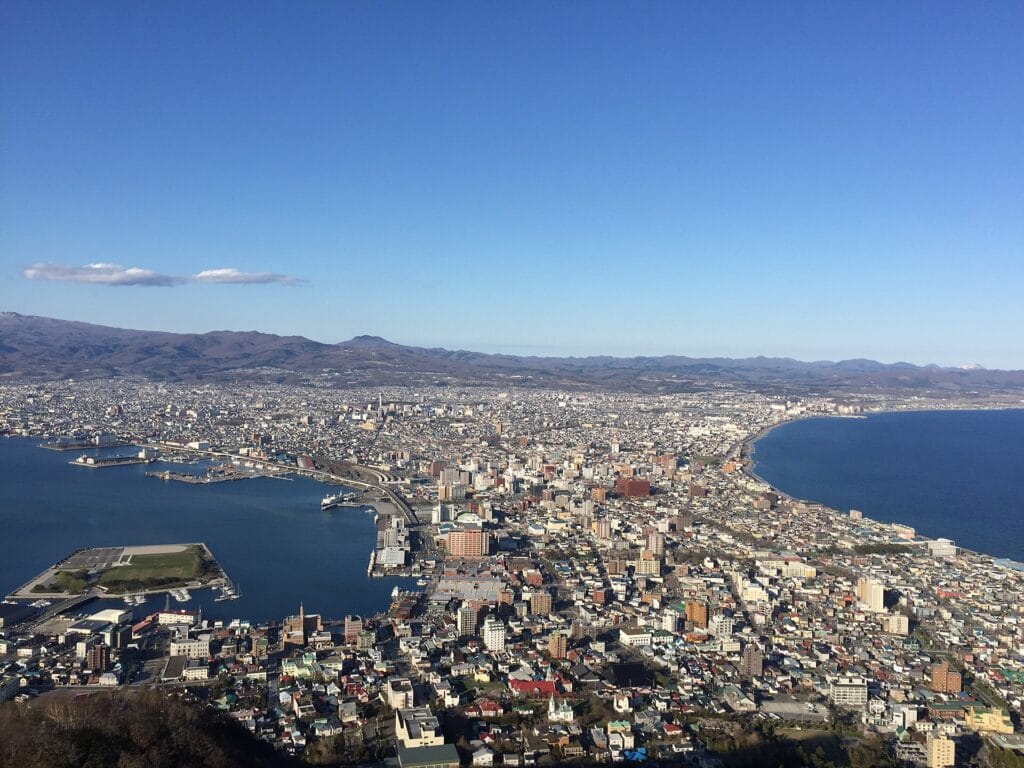
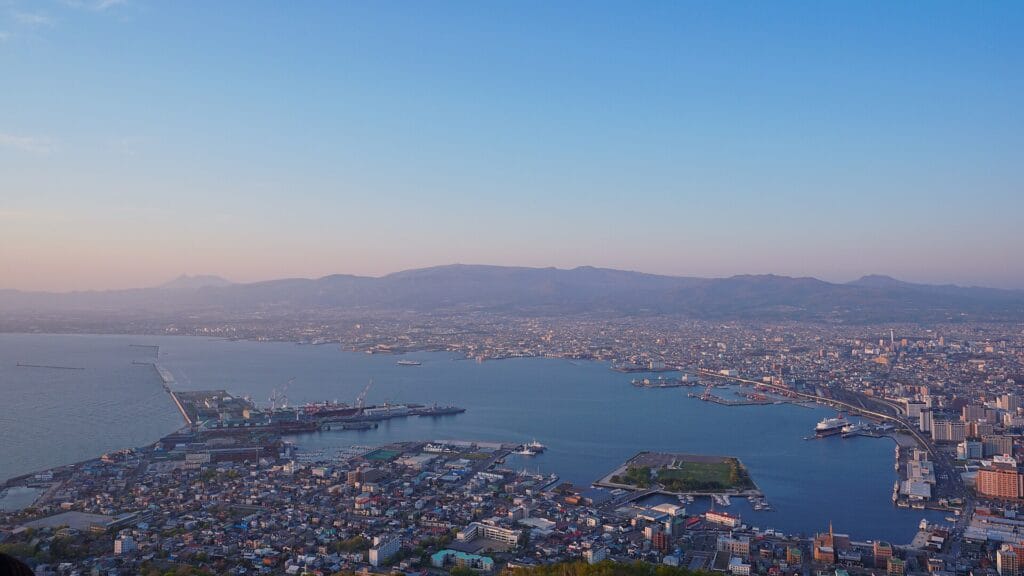
Sapporo is Hokkaido’s only large city (1.9 million people) and serves as the inevitable starting point. Most flights land at New Chitose Airport (CTS), 45 minutes from Sapporo’s centre by JR train.
The city itself is a 2-day visit
- Odori Park and the TV Tower: The downtown linear park where the Snow Festival sculptures appear in February.
- Sapporo Beer Museum: The original Sapporo Beer brewery, with English tours and a beer hall.
- Sapporo Ramen Republic: The food-court-style ramen hall at Sapporo Stellar Place. Multiple regional ramen shops; Sapporo’s specialty is miso ramen.
- Mount Moiwa cable car: Night view ranked one of Japan’s three best.
- Susukino district: The nightlife district, especially active in winter.
Summer Hokkaido: a completely different island
Hokkaido’s summer (June–August) is short, cool by Japanese standards (20–25°C daytime), and dramatically different from the famous winter. It is also a fraction as touristed.
The summer landscape
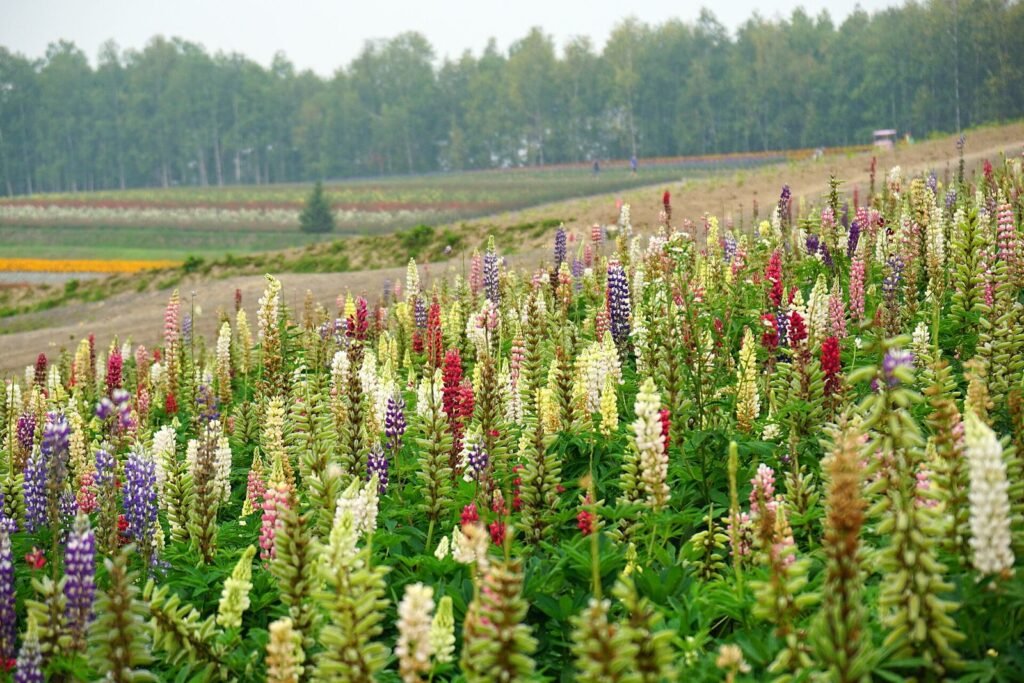
- Furano lavender fields (mid-July): The 2-week peak when Furano’s lavender farms (especially Farm Tomita) become photographic. Crowds spike for this window.
- Daisetsuzan National Park: Hokkaido’s largest national park and Japan’s biggest. Multi-day backpacking through alpine meadows and active volcanoes. Asahidake (Hokkaido’s highest peak, 2,291 m) has a cable car to a high pass.
- Shiretoko Peninsula (UNESCO): The wild east coast. Brown-bear sightings, coastal hot springs (Kamuiwakka Falls hot waterfall), boat tours along sheer cliffs.
- Biei rolling hills: The patchwork-quilt agricultural landscape that Japanese photographers travel to in summer. 30 minutes from Furano.
The summer Hokkaido trip is for travellers who want Japan’s most “wilderness” experience. It is the closest Japan gets to Alaska or the Scottish Highlands.
The Sapporo Snow Festival: worth planning around?
The Sapporo Snow Festival (Yuki Matsuri) runs the first week of February. The dates will tentatively be early February, verify at snowfes.com when planning.
The three festival sites
- Odori Park (downtown): The main snow-sculpture site. Block after block of giant sculptures, some 15+ metres tall. Free entry, walks the length of the park.
- Susukino site: Smaller, ice-sculpture focused, more entertainment.
- Tsudome: The interactive family site, mostly snow slides and play structures. Skip if you’re not with kids.
Worth planning around?
Yes, if you have any winter-Japan interest. The combination of Snow Festival + nearby skiing + Sapporo food is the city’s strongest week of the year. Hotels are pricier and book out 3+ months ahead, but the experience is genuinely special.
If you’re going specifically for the festival: 2 days in Sapporo at festival time is the right stay. Combine with 2–3 ski days at Niseko or Furano for the full week.
Niseko or Furano for ski?
Hokkaido has dozens of ski resorts but two dominate visitor planning
Niseko United (Niseko)
- Reputation: Japan’s most internationally famous ski destination. Australian, Singaporean, and Chinese visitors have remade the town.
- Snow: 14–15 metres annual snowfall; consistent powder.
- Terrain: Four interconnected mountains (Grand Hirafu, Hanazono, Niseko Village, Annupuri). Strong intermediate and advanced terrain.
- Cost: The most expensive Hokkaido resort. Mid-range hotels JPY 30,000–60,000/night peak. Lift tickets JPY 8,500/day.
- English: Widely spoken. Many staff are international.
Furano
- Reputation: The traditional Japanese ski destination. Far less international.
- Snow: Slightly less than Niseko (9–10 metres), still excellent.
- Terrain: Smaller (Furano Resort + Kitanomine), but well-groomed.
- Cost: 30–50% cheaper than Niseko across the board. Lift tickets JPY 6,000/day.
- English: Limited. More authentic Japanese-onsen-town atmosphere.
The choice: Niseko for first-time Japan skiers wanting infrastructure ease, varied terrain, and proven powder. Furano for repeat visitors wanting better value, fewer crowds, and a more local-coded experience.
Otaru day-trip from Sapporo
Otaru is the canal-town port 30 minutes by train from Sapporo. The half-day visit covers
- Otaru Canal: The photogenic 19th-century canal lined with restored brick warehouses. Best at dusk when gas-lamp lighting activates.
- Sushi Street (Sushi-ya Dori): Otaru is famed for sushi quality given its port location. Masazushi and Sushiya no Magoroku are the long-established names; expect JPY 4,000–8,000 for a lunch sushi set.
- Sakaimachi Street: The pedestrianised shopping street with traditional buildings, glasswork shops, and the famous LeTAO cheesecake (the original Otaru shop).
- Music Box Museum: A working music-box museum with 4 floors of antique mechanical musical instruments. Polarising — some find it old, others tourist-trap. JPY 1,500 entry.
Otaru works as a 4–5 hour half-day from Sapporo; you don’t need to overnight.
Shiretoko: the bears, the peninsula
The Shiretoko Peninsula in north-east Hokkaido is a UNESCO World Heritage site, one of Japan’s most remote regions, and home to one of the densest brown bear populations in the world.
What you do there
- Shiretoko Goko (Five Lakes): Boardwalk and ground-level trails through five small lakes with views of the volcanic Shiretoko mountains. Some sections close during bear-activity periods (typically late summer).
- Boat tours from Utoro: The standard way to see the peninsula’s roadless north coast. 1.5-hour or 3-hour cruises along sheer 200-metre cliffs with waterfalls, brown-bear sightings (binoculars essential), seabird colonies. JPY 4,500–8,500.
- Kamuiwakka Hot Waterfall: A natural hot spring that flows down through a series of small pools. Wear non-slip footwear (rope-soled shoes rented at the trailhead). Access requires a shuttle bus during summer.
Logistics
Shiretoko is far. From Sapporo: 6–8 hours by car or train+bus combination. From Memanbetsu Airport (MMB, the regional airport closest to Shiretoko): 90 minutes by car. Add Shiretoko only if you have 7+ days in Hokkaido. For 5-day trips, prioritise the Sapporo + Furano or Sapporo + Niseko axis.
JR Hokkaido Pass break-even
The JR Hokkaido Pass covers unlimited travel on Japan Railways (JR) within Hokkaido. Pricing
- 3-day pass: JPY 16,500
- 5-day pass: JPY 22,000
- 7-day pass: JPY 24,000
Break-even is determined by the routes you take. Useful comparisons
- Sapporo ↔ Furano: JPY 4,840 one-way.
- Sapporo ↔ Hakodate: JPY 9,440 one-way.
- Sapporo ↔ Asahikawa: JPY 4,840 one-way.
A typical Sapporo + Furano + Hakodate trip (3 cities, 5 days) totals around JPY 30,000 in one-way fares. The 5-day pass saves JPY 8,000+. For trips with only one main destination (e.g., Sapporo + Niseko by bus only), the pass is not worth it.
Buy the pass at New Chitose Airport on arrival or in advance via JR-East Travel Service Centers. Foreign passport required.
Hokkaido in 5 days vs 10 days
5-day winter itinerary
- Day 1: Fly into New Chitose, train to Sapporo. Evening at Susukino district.
- Day 2: Sapporo proper. Snow Festival sites if timed, otherwise Mount Moiwa night view + Sapporo Beer Museum.
- Day 3: Day-trip to Otaru. Return for Sapporo dinner.
- Day 4: Bus to Niseko or train to Furano for skiing.
- Day 5: Second ski day, return to Sapporo or fly out from Chitose.
10-day summer itinerary
- Days 1–2: Sapporo + Otaru.
- Days 3–4: Furano lavender + Biei hills.
- Day 5: Train to Asahikawa, transfer to Asahidake.
- Days 6–7: Daisetsuzan hiking from Asahidake base.
- Days 8–9: Shiretoko (rental car from Memanbetsu).
- Day 10: Return Sapporo and fly out.
Related guides
Frequently asked
Is Hokkaido worth visiting as a separate trip?
Yes, particularly for ski travellers and travellers wanting Japan’s wilderness landscape. Hokkaido’s powder snow is world-class, its summers are dramatically different from mainland Japan, and the cuisine (Sapporo miso ramen, Hokkaido seafood) is distinct. Plan a dedicated 5+ day trip rather than tacking onto Tokyo.
When is the Sapporo Snow Festival?
Early February, tentatively February 5–11. Confirm exact dates at snowfes.com closer to travel. Hotels book out 3+ months ahead. The festival runs three sites: Odori Park (main sculptures), Susukino (ice sculptures), and Tsudome (interactive).
Niseko or Furano for skiing?
Niseko for first-time Japan skiers wanting top powder, four-mountain terrain, and English-speaking infrastructure (at premium prices). Furano for repeat skiers wanting 30–50% lower prices, smaller crowds, and a more traditional Japanese atmosphere. Snow quality is excellent at both.
Is the JR Hokkaido Pass worth it?
Yes for multi-city trips (e.g., Sapporo + Furano + Hakodate). The 5-day pass at JPY 22,000 typically saves JPY 8,000+ versus individual tickets. Not worth it for single-destination trips like Sapporo + Niseko (Niseko is reached by bus, which the pass doesn’t cover).
How many days do you need in Hokkaido?
5 days minimum for the Sapporo + one regional base (Niseko, Furano, or Otaru extended). 7 days lets you add Hakodate or Daisetsuzan. 10 days includes the remote Shiretoko Peninsula. Less than 5 days does not justify the flight from Tokyo.
Is summer worth visiting in Hokkaido?
Yes: Hokkaido’s summer is dramatically different from mainland Japan, with cool temperatures (20–25°C), lavender fields in Furano (mid-July peak), excellent hiking in Daisetsuzan, and the wild Shiretoko Peninsula. The island sees far fewer foreign visitors in summer than winter.
Plan Your Hokkaido Trip
Frequently Asked Questions
Is Hokkaido worth visiting?
Yes. Hokkaido rewards travelers who are willing to look beyond the surface. From local food to cultural sites, there is plenty to discover for every type of traveler.
How many days should I spend in Hokkaido?
Plan for at least 3-4 days to cover the main highlights. A week allows for day trips and a more relaxed pace that lets you experience the destination more deeply.
What is the best way to get to Hokkaido?
Options typically include flights to the nearest international airport, followed by local transport. Check for direct flight routes from your departure city for the most convenient travel.
Do I need travel insurance for Hokkaido?
Travel insurance is strongly recommended for any international trip. It covers medical emergencies, trip cancellations, and lost luggage — risks that are expensive to handle out of pocket.
Torn between destinations? See our honest comparisons: Kyoto vs Hokkaido.
You Might Also Love

Written by
Founder of Packzup. Independent travel writer covering offbeat destinations across six continents since 2018. Every guide is independently researched and self-funded — no press trips, never sponsored.
Before you go: see whether they speak English in Hokkaido and what to wear, check the tap water, sort your mobile data, and find out if it is a cash or card destination, and brush up on local etiquette.
