
Last updated August 28, 2026 · Editorial policy
Best time to visit Athens: at a glance
Short answer: April–June and September–October — warm but not scorching.
| Season | Months | What to expect |
|---|---|---|
| Peak | Jul–Aug | Hot, packed beaches; priciest |
| Shoulder (best value) | Apr–Jun, Sep–Oct | Warm, ideal sightseeing, fewer crowds |
| Low | Nov–Mar | Mild, quiet, some rain |
Best Time to Visit Athens: Month-by-Month Guide
Quick take: The short answer on Athens: The longer answer involves weather windows, festival timing, and the difference between ‘technically open’ and ‘actually enjoyable.’
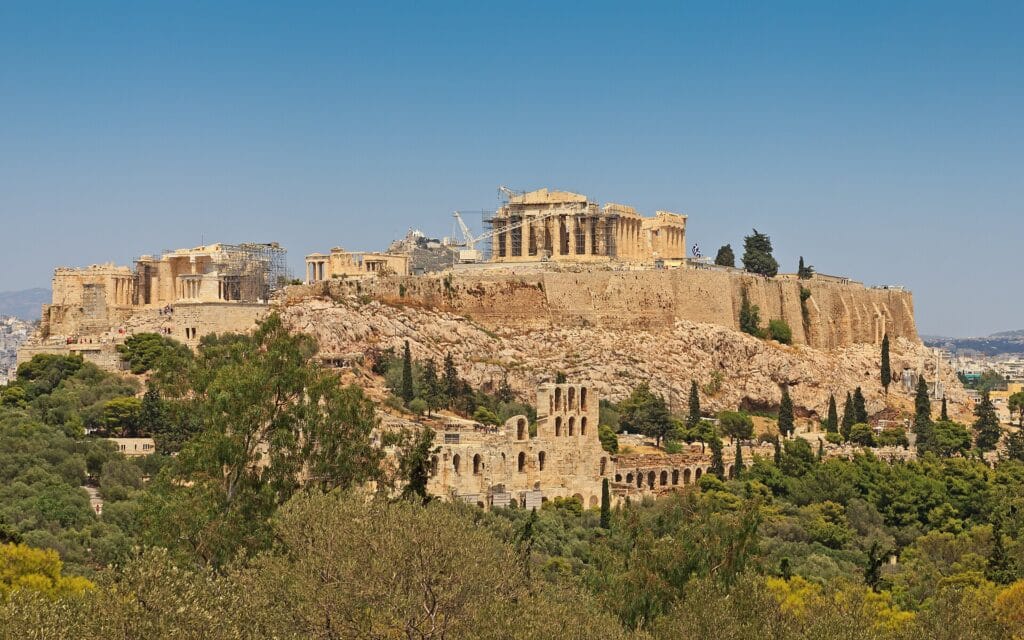
Peak: summer (June-August) · Off-season: winter (December-February)
Knowing the best time to visit Athens can transform your trip — saving you hundreds on flights and hotels while putting you in better weather with fewer crowds. This guide breaks down each season, key events, and what to expect month by month so you can pick the right travel dates.
Best Months to Visit Athens
Top pick: Late April to early June, or mid September through October. Spring brings 20-27C days ideal for climbing the Acropolis before July and August heat regularly tops 35C; autumn adds warm seas for island day trips. Crowds thin noticeably after mid September, and hotel rates typically drop a rough 20-40 percent from August peaks.
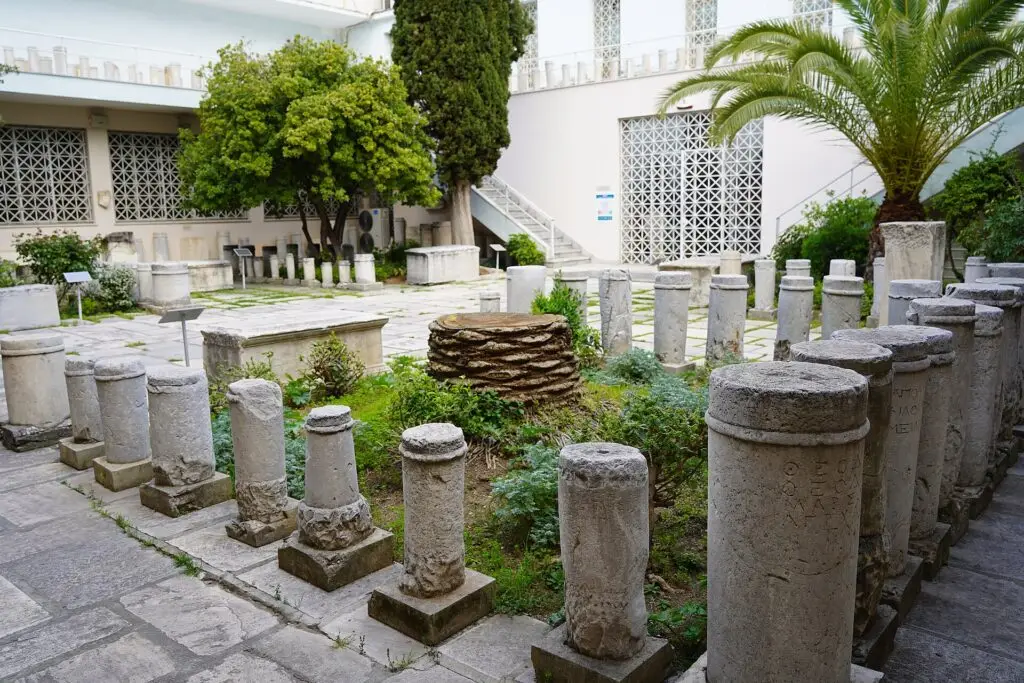

Summer is the period most guides tell you to skip, and the reason is sharper than ‘it’s hot.’ July and August average highs sit around 32C and routinely climb to 35 to 36C, with heatwaves pushing past 40C. That is not just uncomfortable. Greek authorities have repeatedly closed the Acropolis during the hottest hours, roughly midday to 5pm, in both 2024 and 2025 summers, which can wreck a tightly planned day.
There is one real summer reward. The Athens Epidaurus Festival runs into late August, staging ancient drama and opera in open-air venues during the cooler evening hours. One caveat for 2026: the Odeon of Herodes Atticus is closed for restoration, so check which venues are active before you build a trip around it.
Frequently Asked Questions
Are there major festivals in Athens?
Yes — Athens hosts notable events including: Greek Orthodox Easter (Apr-May), Athens Epidaurus Festival (Jun-Aug), Athens Marathon (The Authentic) (Nov), Apokries (Carnival) (Feb-Mar). Major festivals can spike hotel prices 50-200% — book 3-6 months ahead if attending.
What should I pack for Athens?
Pack for the season you’re visiting and the climate zone. Summer in Athens: lightweight breathable clothes, sunscreen, hat, comfortable walking shoes. Winter: layers, waterproof jacket, warm accessories. Check the 10-day forecast 1-2 weeks before departure and adjust.
Related Athens Travel Guides
- Best Things to Do in Athens
- Where to Stay in Athens
- Best Food in Athens
- How Much Does a Trip to Athens Cost?
- Athens Itinerary Guide
Timing your trip? See our data study: Best Time to Travel the World 2026 — the best (and worst) months to travel, from 26 top destinations.
Athens weather & climate by month
Best months to visit: April, May, June, September, October, November. Athens’s warmest month is July (avg 34°C / 92°F), the coolest is January (low 5°C / 42°F). The wettest is December (110 mm) and the driest is July.
| Month | Avg high | Avg low | Rainfall | Rainy days |
|---|---|---|---|---|
| January | 12°C / 54°F | 5°C / 42°F | 91 mm | 9 |
| February | 13°C / 56°F | 6°C / 43°F | 51 mm | 7 |
| March | 15°C / 59°F | 7°C / 45°F | 42 mm | 6 |
| April | 19°C / 66°F | 10°C / 51°F | 44 mm | 7 |
| May | 25°C / 76°F | 16°C / 60°F | 33 mm | 5 |
| June | 29°C / 85°F | 20°C / 68°F | 30 mm | 6 |
| July | 34°C / 92°F | 23°C / 74°F | 5 mm | 1 |
| August | 33°C / 92°F | 23°C / 74°F | 13 mm | 3 |
| September | 29°C / 83°F | 20°C / 67°F | 16 mm | 3 |
| October | 24°C / 75°F | 15°C / 60°F | 38 mm | 4 |
| November | 19°C / 66°F | 12°C / 53°F | 72 mm | 8 |
| December | 15°C / 59°F | 9°C / 47°F | 110 mm | 10 |
Climate source: Open-Meteo ERA5 reanalysis (2019–2023). Compare destinations in the Best Time to Visit Index.
You Might Also Love



Written by
Drew Treasury is a contributing travel writer at Packzup, specialising in city culture, food markets, street art, and neighbourhood-level travel.
