
Last updated August 28, 2026 · Editorial policy
Hokkaido Itinerary: 5-Day Day-by-Day Travel Plan
Quick answer: Five Hokkaido days from a Sapporo base: ramen-and-beer Sapporo, the canal town of Otaru, Furano’s lavender and Biei’s Blue Pond, Hell Valley onsen bathing in Noboribetsu, and a Mount Moiwa night-view farewell.
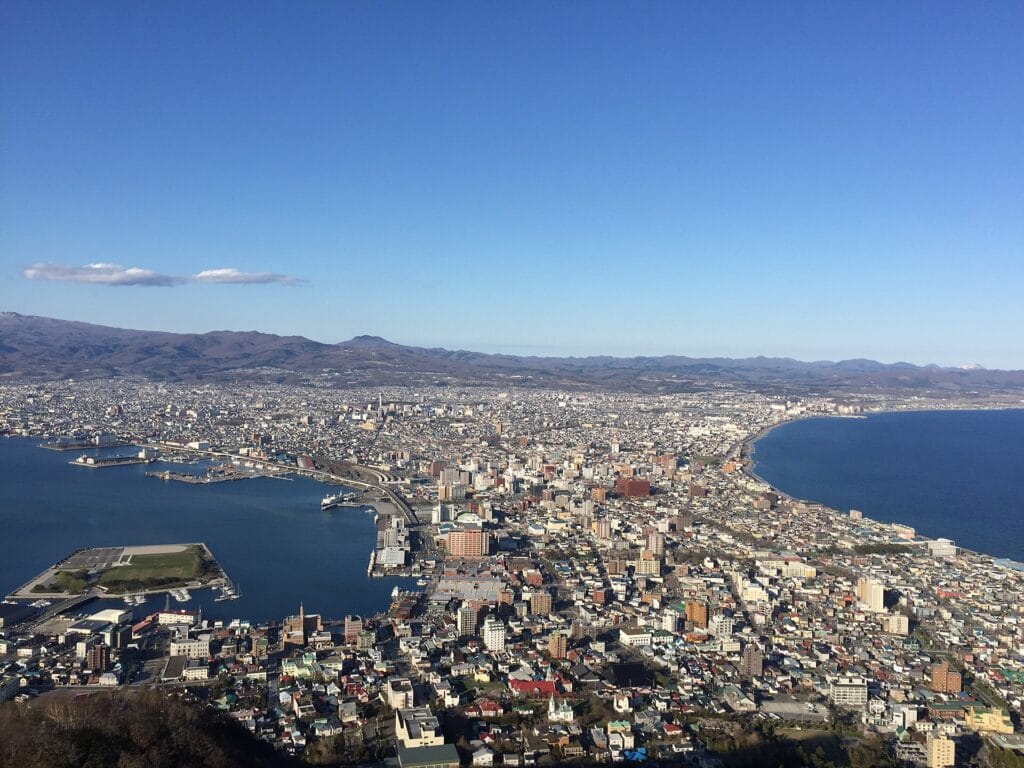
Planning a trip to Hokkaido? This itinerary is built from a first-time-visitor perspective: hit the icons, eat the best food, and finish with memorable experiences. Each day mixes a major sight, food stops, and downtime.
Hokkaido Itinerary at a Glance
| Day | Focus |
|---|---|
| Day 1 | Sapporo |
| Day 2 | Otaru Day Trip |
| Day 3 | Furano & Biei |
| Day 4 | Noboribetsu Onsen |
| Day 5 | Sapporo Farewell & Mt. Moiwa |
Day-by-Day Itinerary
Day 1 — Sapporo
Start in Sapporo, Japan’s breezy northern capital. Get bearings in Odori Park — the green spine that hosts the February Snow Festival’s giant sculptures — with the TV Tower at one end and the historic Clock Tower nearby. Lunch is the local religion: miso ramen in its birthplace, ideally down the lantern-lit nook of Ramen Alley in Susukino (about ¥900–1,200 a bowl). Afternoon at the Sapporo Beer Museum in the red-brick 1890 brewery (free entry; tasting sets a few hundred yen), followed by jingisukan — the grill-it-yourself lamb barbecue named for Genghis Khan — in the beer garden. Finish with dessert: Hokkaido dairy makes Japan’s best soft-serve, full stop.
Day 2 — Otaru Day Trip
Day-trip 40 minutes by JR to Otaru, the Meiji-era herring port that got rich and built like it. Stroll the canal with its gas lamps and brick warehouses (postcard-perfect under snow), then browse Sakaimachi Street: glassblowing studios and the chiming Music Box Museum in a grand 1912 hall — Otaru’s twin crafts — plus LeTAO’s famous double-fromage cheesecake for the queue-worthy snack. The real reason locals come is lunch: Otaru’s sushi is Hokkaido’s best — uni, ikura and botan shrimp straight off the boats (sets roughly ¥2,500–5,000; the side-street shops beat the canal-front tourist rows). Wobble back to Sapporo by early evening.
Day 3 — Furano & Biei
Rent a car or join a tour into central Hokkaido’s farm country. In July the Furano lavender fields run purple to the horizon — Farm Tomita is free and gloriously fragrant (lavender soft-serve mandatory) — while the patchwork hills of Biei roll like a screensaver in any green month. Don’t miss the surreal Shirogane Blue Pond, its milky cobalt water studded with dead larches, and the Shirahige waterfall five minutes up the road. Winter travelers: swap all this for the powder capital Niseko or Asahiyama Zoo’s penguin walk — Hokkaido simply runs two different greatest-hits reels by season. Overnight back in Sapporo or in Furano’s quiet pensions.
Day 4 — Noboribetsu Onsen
Go south to Noboribetsu, Hokkaido’s great onsen town (about 1 hour 10 by limited express). Walk the boardwalks of Jigokudani — Hell Valley — a steaming, sulfur-yellow volcanic crater that feeds the town’s baths, then the forest path to Oyunuma pond and the natural foot bath in a warm forest stream. Check into a ryokan or day-bathe at the grand bathhouses (day passes roughly ¥1,000–2,500): milky sulfur pools, iron-red baths, a dozen waters under one roof. Demon statues (yukijin) guard the streets — they’re the town mascots. Kaiseki dinner and a post-bath bottle of local milk complete the ritual. Sleep like a stone.
Day 5 — Sapporo Farewell & Mt. Moiwa
Return to Sapporo for the farewell round. Morning at Nijo Market for a kaisendon — the seafood rice bowl piled with crab, salmon roe and scallops (about ¥1,500–3,000) — or tour the Shiroi Koibito cookie factory’s chocolate theme park if traveling with kids. Shop the Tanukikoji arcade for omiyage: butter cookies, Royce chocolate, marimo souvenirs. As dusk falls, ride the ropeway up Mount Moiwa (about ¥2,100 round trip) for one of Japan’s official three great night views — Sapporo’s grid glittering to the sea. Last stop Susukino: a final miso ramen, or soup curry — the city’s other cult dish — to argue about on the flight home.
Where to Stay in Hokkaido
Choose a central neighborhood within walking distance of major sights — you’ll save hours of commute time over 5 days. Book 6-12 weeks ahead for best rates.
Budget Breakdown (5 Days)
Japan is rated Pricey in our Travel Cost Index 2026. Figures are country-level daily ranges per person and exclude international flights.
| Travel style | Per day | Total 5 days |
|---|---|---|
| Budget | $55-100 | $275-500 |
| Mid-range | $180-300 | $900-1,500 |
| Luxury | $450-700 | $2,250-3,500 |
Source: Packzup Travel Cost Index 2026 — country-level averages; city and peak-season prices run higher. Excludes international flights.
What to Pack
- Clothing: Pack warm layers and waterproof boots for Hokkaido winters with heavy snow and icy sidewalks; summers are mild, so bring a light jacket for cool evenings and hiking trails.
- Tech: Japan uses Type A and B plugs at 100V. Download offline Google Maps and a Japan transit app; an eSIM or pocket wifi helps in rural Hokkaido where signal thins.
- Documents: Many nationalities enter Japan visa-free for short tourist stays, but check current rules before booking. Passport should be valid for your whole stay; carry copies and travel insurance details.
- Money: Currency is the Japanese yen. Cards work in Sapporo, but rural onsen towns, small ramen shops, and markets often want cash; 7-Eleven ATMs take foreign cards. No tipping.
- Day bag: Refillable bottle (tap water is safe), hand warmers and grippy soles in winter, insect repellent for summer trails, small towel for onsen stops, coin purse for lockers.
Where Most Hokkaido Itineraries Lose a Day to Backtracking
The most common planning error is treating Sapporo as a hub you keep returning to between every stop. Otaru sits about 30 minutes west of Sapporo on the JR Rapid; Furano lies roughly 2 to 3 hours east. Bouncing back to the city in between burns hours on the same track. Sequence directionally instead: land at New Chitose Airport (around 37 minutes from Sapporo on the Rapid Airport train), handle Otaru as a half-day on the coastal side first, then push east toward Furano and Biei together rather than splitting them across separate trips.
What to skip and what to add:
- In summer, skip the standard transfer route to Furano (change at Takikawa, close to 3 hours). The seasonal Furano Lavender Express runs roughly June through September and reaches Furano direct in about 2 hours.
- Pair Furano with Biei, which sit around 30 minutes apart, and base the lavender day around Farm Tomita.
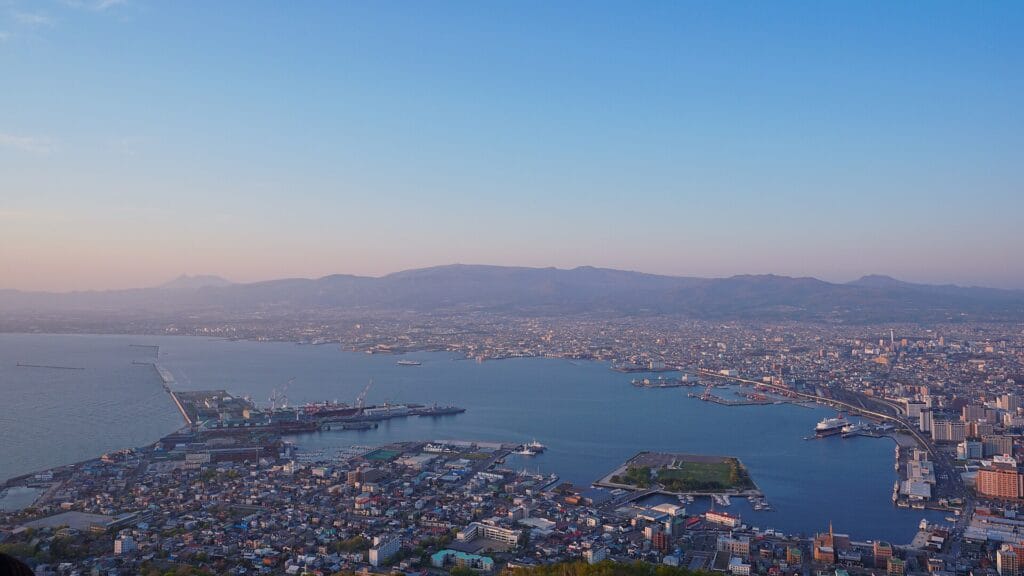
- Add Hakodate only as your entry or exit point. With the Hokkaido Shinkansen still ending at Shin-Hakodate-Hokuto until the late 2030s, the Hokuto limited express up to Sapporo runs about 3.5 hours, so doubling back for it costs most of a travel day.
Frequently Asked Questions
Is 5 days enough for Hokkaido?
For first-time visitors, 5 days in Hokkaido covers the main highlights without rushing. If you want to add day trips, slower pace, or hidden gems, plan 2-3 more days.
How much will a 5-day Hokkaido trip cost?
Using the Budget Breakdown table above, drawn from our Travel Cost Index 2026: Budget $55-100/day ($275-500 for 5 days), Mid-range $180-300/day ($900-1,500 for 5 days), Luxury $450-700/day ($2,250-3,500 for 5 days). Country-level averages, excluding international flights.
What’s the best time for this Hokkaido itinerary?
Shoulder seasons offer the best balance of weather, crowds, and prices for Hokkaido. See destination-specific best-time guide.
How do I get around Hokkaido?
For Sapporo, Otaru, Hakodate and Asahikawa, JR trains and highway buses work well, but a rental car is the practical choice for Furano, Biei, Shiretoko and eastern Hokkaido; in winter, stick to trains and buses unless you are confident driving on snow.
What should I pack for 5 days in Hokkaido?
Hokkaido mostly skips Japan’s June rainy season but runs far cooler: pack a warm layer even for July and August evenings, and in winter bring a heavy insulated coat and waterproof boots with grip for icy sidewalks.
Should I book hotels in advance?
Book 4-6 months out for the Sapporo Snow Festival in early February, Niseko ski season over New Year, and Furano lavender season in mid-July; outside those peaks a few weeks ahead is usually fine.
Related Hokkaido Travel Guides
- Best Things to Do in Hokkaido
- Where to Stay in Hokkaido
- Best Food in Hokkaido
- Best Time to Visit Hokkaido
You Might Also Love

Written by
Drew Treasury is a contributing travel writer at Packzup, specialising in city culture, food markets, street art, and neighbourhood-level travel.
Trip prep: before you travel, plan what to wear, check the tap water, sort your mobile data, and see if it is a cash or card country, and skim local etiquette.
