
Last updated September 1, 2026 · Editorial policy
Quick answer: The Danube and Rhine are Europe’s classic first river cruises (castles, Christmas markets, four countries in a week), the Douro is the connoisseur’s pick, and the Mekong and Nile turn a cruise into a full cultural expedition.
1. The Danube
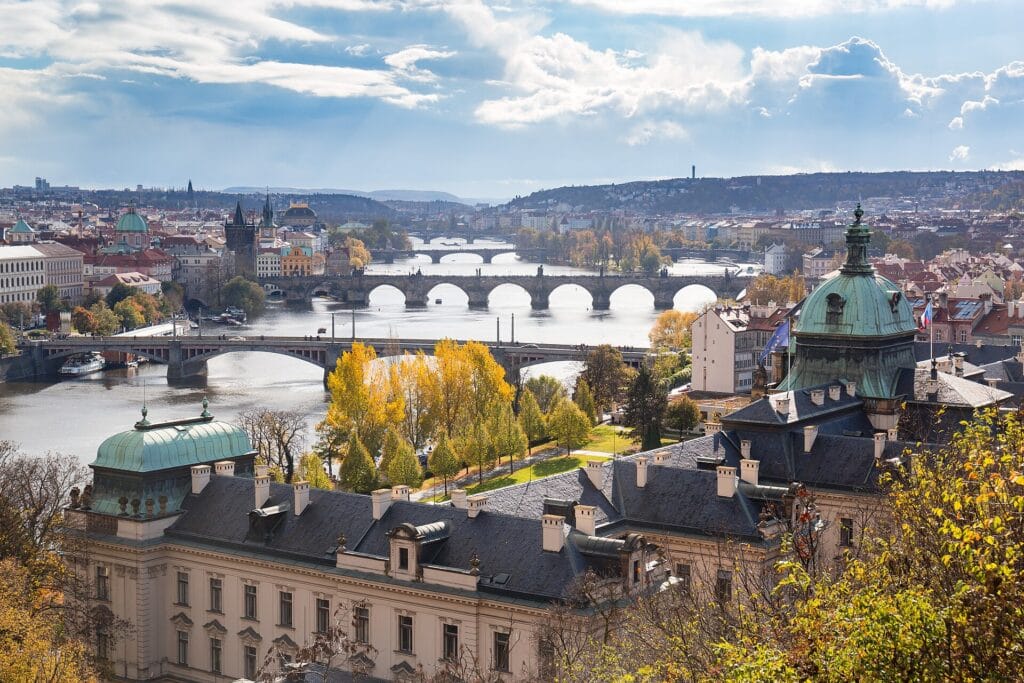
Vienna, Budapest, Bratislava and the vineyard-lined Wachau Valley on one gentle ribbon of water. December sailings string together the world’s best Christmas markets; summer brings long deck evenings.
2. The Rhine
Castle after castle through the UNESCO-listed gorge, plus Cologne, Strasbourg and Basel. The classic seven-night Amsterdam–Basel run is the best single introduction to river cruising.
3. The Douro, Portugal
Terraced vineyards rise straight from the water in port-wine country. Smaller ships, quinta visits and tastings, and Porto bookending the trip — slow travel at its most beautiful.
4. The Mekong
Vietnam and Cambodia from the water: floating markets, silk villages, Phnom Penh’s history and an Angkor extension from Siem Reap. Cruise season runs roughly August–April.
5. The Nile
The original river cruise: Luxor’s temples, the Valley of the Kings, Edfu and Kom Ombo en route to Aswan. Three to four nights afloat pairs perfectly with Cairo and the pyramids.
6. The Rhône, France
Lyon’s gastronomy, Avignon’s papal palace and Provence’s lavender-and-vineyard hinterland. A food-and-wine cruise in all but name.
7. The Mississippi
Paddle-wheelers between New Orleans and Memphis: antebellum estates, Civil War history and blues at the end of the gangway. America’s most atmospheric domestic cruise.
Choosing your cruise
River ships carry 100–190 passengers — book early for the few balcony-suite cabins, check what excursions are included (they vary hugely by line), and favour itineraries with overnight city stays so evenings aren’t spent sailing past the best parts.
What Each River Actually Costs You — and When to Sail
Five rivers, five very different bills and calendars. Here is the real shape of it, in 2026 dollars, per person per day, ship-only unless noted:
- The Danube — Best in April–May or September–October; summer is hot and packed, and spring snowmelt can swing water levels enough to block low bridges and locks. Budget the grand-capitals run (Vienna, Budapest, Bratislava) at roughly $385/day on CroisiEurope up to $900+ on Scenic, with most mainstream lines landing $400–$600. Planning note: the Parliament sits on the Pest (east) bank, so book a port-side cabin southbound and Budapest’s lit-up Parliament drifts past your window at the night sail-in, not the blank far bank.
- The Rhine — September is the sweet spot: harvest light, thinner crowds, foliage on the vineyard slopes. Value lines (Avalon, Gate 1) dip to ~$225/day; Viking and Uniworld sit $350–$400. Tip: the castle density peaks in the 40-castle UNESCO stretch between Koblenz and Bingen — be on the top deck mid-morning, not at lunch, or you’ll miss the Lorelei.
- The Douro — Go for the September–October grape harvest (stomping, new wine at the quintas). Smaller ships, limited inventory, so fares run a touch higher than the Rhine. Tip: the dull Baixo Corgo stretch out of Porto eats your first hours; the dramatic scenery starts past Régua.
Mekong and Nile: The Two That Run on Different Rules
The Asian and African picks behave nothing like Europe — different seasons, different price logic, and a single decision that makes or breaks each trip.
The Mekong (Vietnam–Cambodia) shines in the dry season, November through February: cool, low humidity, clear skies, green delta. Full Ho Chi Minh City-to-Siem Reap programs run roughly $6,500–$8,000 per person for the week-plus journey, with the steepest fares December–March. Smart move: if you specifically want to float over the flooded forest of Tonle Sap Lake, you have to break the dry-season rule and come in the September-to-November high-water window instead — outside it, the lake shrinks and boats can’t reach the stilt villages.
The Nile (Luxor–Aswan) is a winter river: October–April for bearable heat, with Christmas, New Year and Easter carrying a premium. The price spread is enormous — budget boats around $88–$200/day, deluxe $160–$500, luxury and boutique $375–$1,000+, almost always full board. The tip that changes the trip: skip the 300-cabin floating hotels and book a dahabiya — a small sail boat that docks where the big ships can’t, so you walk into Kom Ombo and Edfu without the crowd. Sail Luxor→Aswan (4 nights) to follow the chronology; Aswan→Luxor is the faster, cheaper 3-night reverse.
How to Choose — and How to Actually Get There
Don’t agonize over the “best” river; match it to who you are:
- First trip to Europe, want castles and storybook villages? The Rhine. It’s the safest pick and the flights are easiest.
- Crave grand capitals, museums and big-history walking? The Danube — Vienna, Budapest and Bratislava back-to-back.
- Wine over monuments, and you’ve done Europe already? The Douro, slower and quieter, the one that still feels like a secret.
- Want the trip that doesn’t feel European at all? The Mekong for delta life and temples, the Nile for antiquity from the water.
Getting there, no guesswork:
- Rhine: fly into Amsterdam Schiphol (north end) or EuroAirport Basel-Mulhouse (south); cruise fares usually bundle the transfer.
- Douro: fly to Porto if you can. From Lisbon, the ~3-hour Alfa Pendular train to Porto’s Campanhã (free onward transfer to São Bento) spares you the drive, the tolls and the parking — and the São Bento–Pinhão line along the river is itself one of Europe’s great rides.
- Nile: nearly everyone connects through Cairo, then a 70–90 minute domestic hop to Luxor or Aswan. Book the outbound flight to arrive before 10am and the return after 1pm so you don’t lose cruise days to airport time.
You Might Also Love



Written by
John Morrison is the founder and lead travel writer at Packzup. Over the past decade he has explored destinations across Africa, the Americas, Asia, Europe, the Middle East, and Oceania — always self-funded, never on a press trip.
