
Last updated September 1, 2026 · Editorial policy
August is the month the travel industry loves to oversell. It’s peak summer across Europe, peak school-holiday season in most of the northern hemisphere, and peak pricing nearly everywhere the crowds default to. But August 2027 is also the heart of the dry season across big stretches of Asia and East Africa, the best weather window of the year in the far north, and — if you pick carefully — one of the most rewarding months on the calendar. The trick is going where August is genuinely the right season, not just where it happens to be summer.
Here’s the pricing reality up front: a beach hotel on the Amalfi Coast or in Santorini costs more in mid-August than at almost any other point of the year, and you’ll share it with everyone in Europe. Meanwhile Bali is dry and glorious, Hokkaido runs a good ten degrees cooler than Tokyo, and Kenya’s Masai Mara is staging the best wildlife spectacle on the planet. If your dates are flexible, cross-check this list against the best places to visit in July 2027 — a couple of these picks only really work in August.
| Destination | Weather in August | Crowds | Daily budget | Best for |
|---|---|---|---|---|
| Hokkaido, Japan | 22–26°C, low humidity | Moderate (Obon spike) | $110–160 | Escaping the heat |
| Bali, Indonesia | 27–30°C, dry season | Heavy in hotspots | $60–110 | Beaches and diving |
| Sri Lanka east coast | 29–32°C, dry | Light–moderate | $40–70 | Budget surf trips |
| Edinburgh, Scotland | 15–19°C, showery | Very heavy (Fringe) | $180–280 | Festival culture |
| Iceland | 10–15°C, long days | Heavy on the ring road | $200–300 | Road trips |
| Lake Bled, Slovenia | 24–28°C, sunny | Heavy at the lake | $90–140 | Alpine lakes, hiking |
| Tallinn, Estonia | 19–23°C, mild | Moderate | $70–110 | Affordable Europe |
| Cusco, Peru | 18–20°C days, cold nights | Heavy on the trails | $60–100 | Andean trekking |
| Banff, Canada | 20–25°C, dry | Very heavy | $180–260 | Mountain hiking |
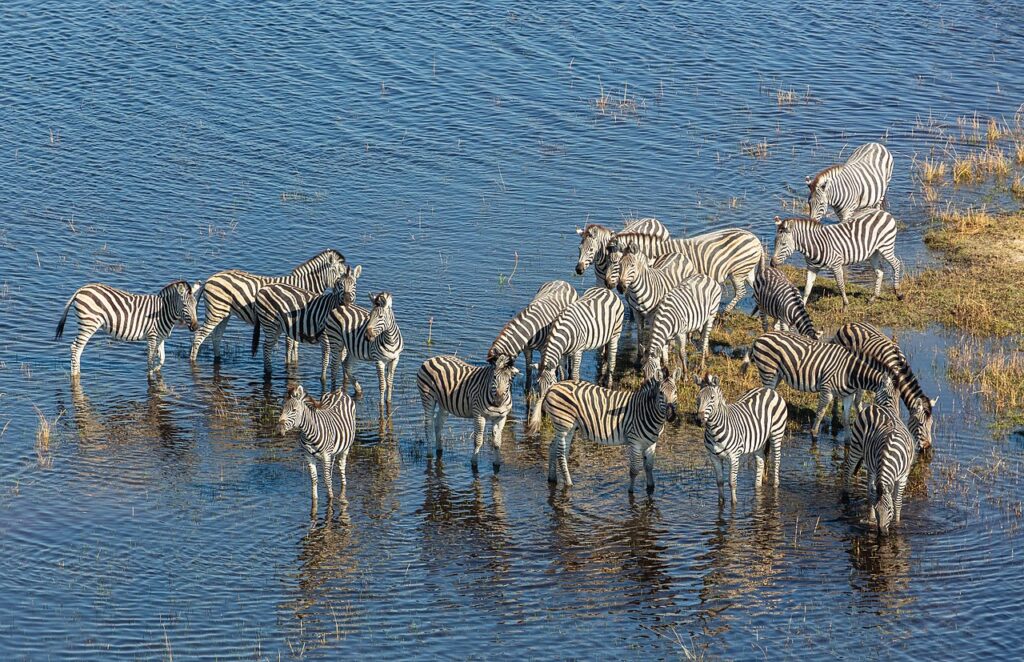
| Masai Mara, Kenya | 23–25°C, dry | Heavy at crossings | $350–700+ | The migration splurge |
1. Hokkaido, Japan — summer without the sweat
Most of Japan is a sauna in August: Tokyo and Kyoto regularly push past 35°C with humidity that makes sightseeing genuinely unpleasant. Hokkaido is the escape hatch. Daytime temperatures sit in the low-to-mid 20s, the air is dry, and the island is at its greenest — flower fields still blooming around Biei and Sapporo’s outdoor beer gardens running all month. The honest drawback is Obon, the mid-August holiday week when domestic travelers fill trains and hotels; book that stretch early or avoid it.
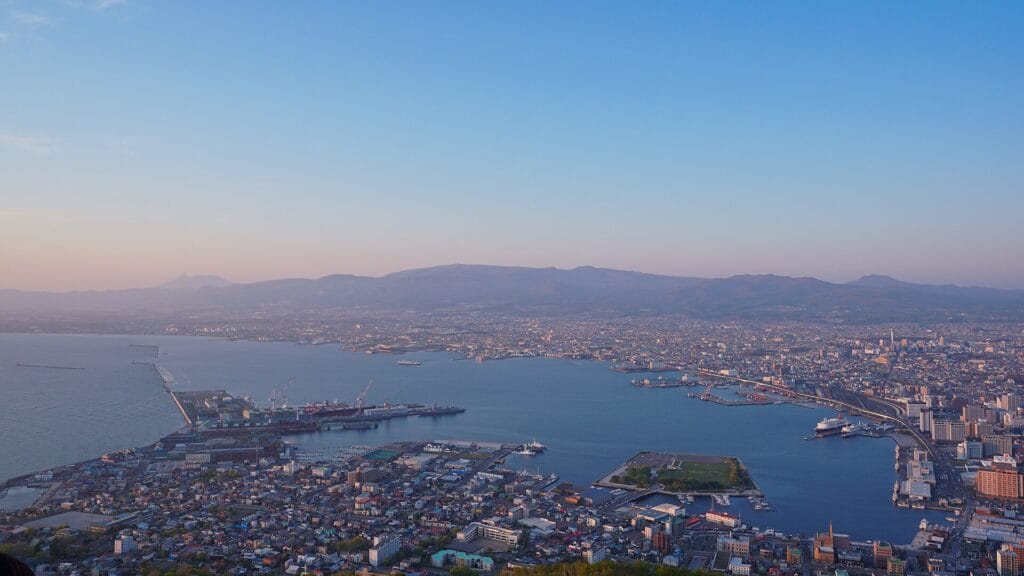
Expect $110–160 a day mid-range, with food a bargain relative to quality — the seafood in Hakodate’s morning market alone justifies the trip north. Planning note: rent a car. The best of Hokkaido is rural, trains are sparse outside the main corridor, and driving here is the easiest in Japan. For a season-by-season breakdown, see our full guide to the best time to visit Japan.
2. Bali, Indonesia — the dry season at full strength
August sits in the driest, least humid part of Bali’s year: reliable sun, cooler nights, and calm seas — prime season for diving and boat trips toward Nusa Penida and Komodo, where manta sightings are most consistent. The drawback is no secret — August is also Bali’s busiest month, and the Canggu–Seminyak strip plus central Ubud can feel like a traffic jam with temples attached.
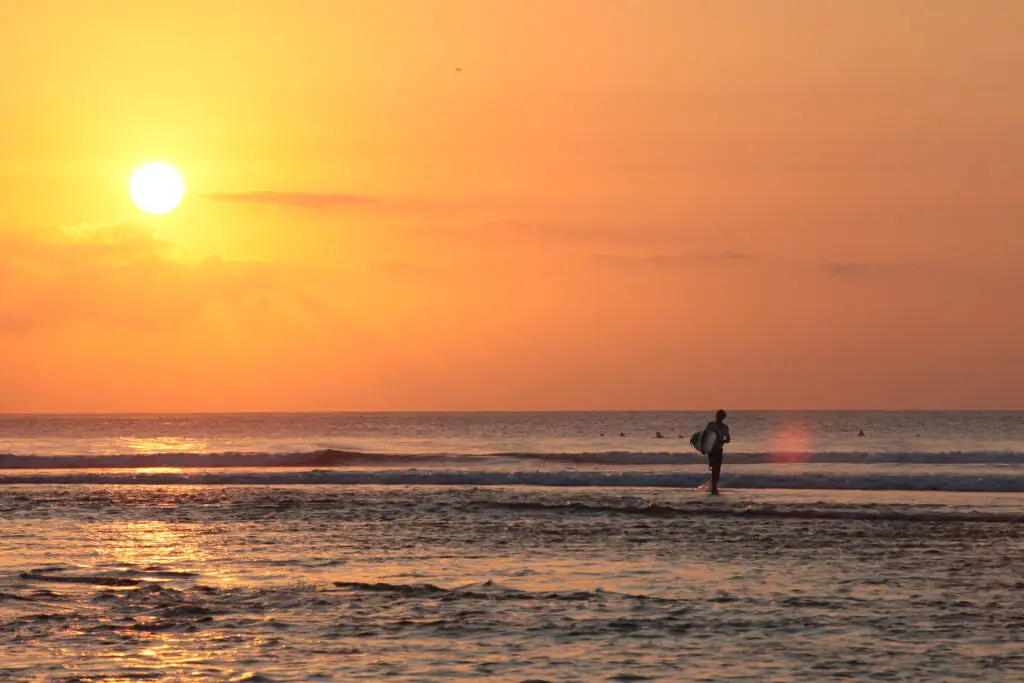
Budget $60–110 a day for genuinely nice mid-range travel: private pool guesthouses, scooter rental, and meals that rarely pass $10. The smart move is to base yourself away from the crush — Sidemen for rice-terrace scenery without Ubud’s coaches, or Amed on the east coast for quiet diving. You’ll still day-trip to the famous spots, but you won’t sleep in the noise.
3. Sri Lanka’s east coast — the budget pick
Sri Lanka runs on two monsoons, and in August they’re drenching the southwest — which is exactly why the east coast is dry, glassy, and at its absolute best. Arugam Bay is in peak surf season, Trincomalee and Nilaveli have flat, clear water for snorkeling, and the whole coast feels more relaxed than the south in its own high season. The catch: getting there means a 6–8 hour transfer from Colombo, so it rewards trips of a week or more.
This is the cheapest destination on this list at $40–70 a day, with beachfront cabanas from around $25 and huge rice-and-curry spreads for a few dollars — it holds its own against anything in our roundup of the best budget destinations. Planning note: Kumana National Park, just south of Arugam Bay, delivers elephants and leopards without Yala’s vehicle scrums.
4. Edinburgh, Scotland — festival month, priced accordingly
For all of August 2027, Edinburgh becomes the biggest arts festival on earth. The Fringe takes over hundreds of venues alongside the International Festival and the Military Tattoo on the castle esplanade. The weather is a mild 15–19°C with regular drizzle, which after southern Europe’s furnace feels like a gift. The honest drawback is cost: accommodation prices double or triple for the month, and central flats sell out by spring.
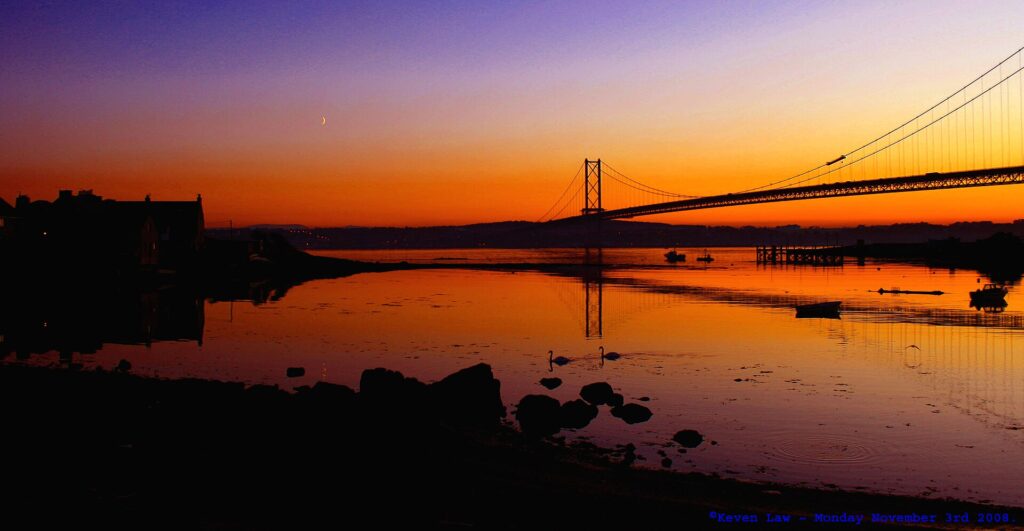
Realistically budget $180–280 a day once Fringe-season lodging is factored in, though show tickets themselves are cheap and street performances are free. Planning note: stay in Leith rather than the Old Town — it’s a 20-minute bus ride, has the city’s best food scene, and costs meaningfully less. Book accommodation by February 2027; by May the good options are gone.
5. Iceland — the one month everything is open
August is the most forgiving month Iceland offers: 10–15°C, long bright evenings, highland interior roads open to 4x4s, and puffins still on the cliffs until roughly mid-month. Every trail, campsite, and remote hot spring is accessible in a way that isn’t true most of the year. The drawback is that everyone knows it — the Golden Circle and south coast run at full capacity, and this is peak pricing in an already expensive country.
Budget $200–300 a day for car rental, guesthouses, and fuel; self-catering from supermarkets is how most travelers keep food costs sane. Planning note: drive the ring road counterclockwise. Most tours run clockwise from Reykjavik, so you’ll hit the south-coast sights out of sync with the coach traffic, and the north feels nearly empty.
6. Lake Bled and the Julian Alps, Slovenia — the smarter Alpine summer
While the Mediterranean coast roasts and overcharges, Slovenia’s alpine corner offers 24–28°C days, a lake warm enough to swim across, and serious hiking in Triglav National Park — at prices that undercut Austria and Switzerland by a wide margin. August is honestly busy at Bled itself: the lakefront path fills with day-trippers by mid-morning, and parking is a small war. But walk thirty minutes up to the Mala Osojnica viewpoint and the crowds evaporate.
Expect $90–140 a day mid-range. The smart move: sleep in Bohinj, 25 minutes away — a bigger, wilder lake, roughly half the accommodation price, and a better base for the mountains. Do Bled as an early-morning visit, before the buses arrive, then spend afternoons in the valleys.
7. Tallinn and the Estonian coast — Europe’s underpriced summer
The Baltics get a short, bright summer, and August is its sweet spot: 19–23°C, evenings that stay light past nine, and a medieval Old Town that — cruise-ship hours aside — never approaches Prague or Dubrovnik levels of crush. Tallinn pairs cobbled-lane atmosphere with a modern food scene in Telliskivi, and the Baltic is as warm as it ever gets — which is to say: swimmable, briefly.
At $70–110 a day this is one of the best-value city-plus-coast trips in Europe during peak season. Planning note: rent a car for a day and drive east to Lahemaa National Park — bog boardwalks, abandoned Soviet submarine bases, and manor houses, mostly empty even in August.
8. Cusco and the Sacred Valley, Peru — dry-season trekking
August is the heart of the Andean dry season: day after day of clear skies over Machu Picchu, the Sacred Valley, and the high trekking routes, with almost no rain to wreck a once-in-a-lifetime hike. The trade-offs are real, though. This is peak trekking season, so the classic Inca Trail sells out months in advance, and nights at altitude drop near freezing — pack properly.
Peru remains great value at $60–100 a day, with excellent set-lunch menus for a few dollars and comfortable guesthouses under $50. Planning note: if Inca Trail permits are gone by the time you book, don’t force it — the Salkantay and Lares treks are arguably more scenic, easier to book, and end at the same ruins. Acclimatize in the lower Sacred Valley for two days before attempting anything strenuous.
9. Banff and the Canadian Rockies — the short, perfect window
The Rockies’ hiking season is brutally short, and August is its peak: every high trail is finally snow-free, the glacial lakes hit their most unreal shade of turquoise, and daytime temperatures sit in the pleasant low 20s. The honest downsides: it’s the park’s busiest month, headline spots like Moraine Lake are shuttle-access-only and need reservations, and late-summer wildfire smoke can roll in some years — buy travel insurance that lets you move dates.
Budget $180–260 a day; lodging in Banff townsite is the painful line item. Planning note: stay in Canmore, 20 minutes outside the park gate, where hotels run noticeably cheaper — and start every hike before 7 a.m. The difference between a 6:30 a.m. and 10 a.m. trailhead in August is the difference between solitude and a queue.
10. Masai Mara, Kenya — the splurge that’s worth it
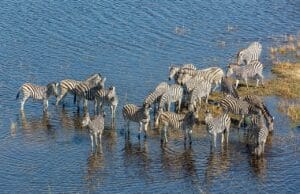
If there’s one trip that justifies August’s peak-season pricing, it’s this. August is the prime window when Great Migration herds are in the Mara ecosystem, and the dramatic river crossings — thousands of wildebeest plunging past waiting crocodiles — typically run through August and September. Weather is dry, mild, and ideal for game drives. The honest caveats: crossings are luck, never a scheduled event, and the most popular crossing points can draw a scrum of vehicles.
Costs are serious: $350–700+ per person per day for good tented camps with drives included. Planning note: book a camp in one of the private conservancies bordering the reserve — Naboisho or Olare Motorogi — where vehicle numbers are capped, off-road driving is allowed, and the experience is dramatically quieter. Four nights minimum if you’re hoping to witness a crossing.
Where NOT to go in August
The Caribbean and the Gulf Coast. August sits at the front edge of the most active stretch of hurricane season, which peaks from late August through October. Yes, the hotel deals look tempting — they’re cheap for a reason. If you go anyway, book refundable rates and read your travel insurance’s named-storm clauses carefully.
Rome, Seville, and inland southern Europe. Expect 35–42°C afternoons, maximum crowds at the headline sights, and — around the mid-August Ferragosto holiday — a surprising number of local restaurants and shops simply closed. The famous coastal spots from our best Mediterranean beaches list are at their most expensive and packed right now; almost all of them are better in September.
Goa, Kerala, and India’s southwest coast. The southwest monsoon is in full force: torrential rain, rough seas with no swimming, and many beach shacks shuttered for the season. The lush green scenery is real, but for beaches it’s the wrong month entirely — aim for December to February.
When to book for August 2027
August is peak season on most long-haul routes, so it punishes procrastination. For flights from North America to Europe or Asia, the practical sweet spot is roughly February to April 2027 — set fare alerts around the new year and move when you see a genuine dip. Safari camps are the big exception: the good Mara conservancy camps for migration season fill 9–12 months out, so that booking belongs in autumn 2026. Same story for Inca Trail permits (buy when the 2027 releases open) and Edinburgh Fringe accommodation (by February).
One quiet trick: the last week of August behaves differently. North American schools resume, demand sags, and both airfare and hotel rates soften noticeably while the weather everywhere on this list is still excellent. If you can push even later, shoulder season rewards patience — our guide to the best places to visit in autumn 2027 covers where September and October quietly beat the summer.
FAQ
Is Europe a mistake in August?
What’s the cheapest destination on this list?
How far ahead should I book flights for August 2027?
Is August too late for the Great Migration?
Planning by month? See our data study: Best Time to Travel the World 2026 — the best (and worst) months to travel, from 26 top destinations.
You Might Also Love

Written by
John Morrison is the founder and lead travel writer at Packzup. Over the past decade he has explored destinations across Africa, the Americas, Asia, Europe, the Middle East, and Oceania — always self-funded, never on a press trip.
