Last updated August 12, 2026 · Editorial policy
Autumn is not one season but three months that behave completely differently, and the most common way this trip goes wrong is picking the right country in the wrong month. September still belongs to summer's sea: the Mediterranean and the Atlantic hold their heat for weeks after the crowds thin. October is the pivot, when the desert and plateau countries become comfortable, Europe's interior turns to harvest, and northern Japan's mountains begin to colour in the typical pattern. November is when the tropics dry out and, in the typical pattern, the classic lowland foliage finally arrives. One mechanical detail shapes every European itinerary in 2026: EU and UK clocks go back on Sunday 25 October, so a sightseeing day that ended in daylight on the Saturday ends in the dark on the Sunday. US clocks do not follow until Sunday 1 November, leaving one week when the usual transatlantic difference is an hour narrower. Each of the twelve below is slotted to its month, with the drawback stated rather than buried.
Want the month, not the season? This page slots twelve countries across September, October and November: for a single month in detail, see September, October or November 2026.
12 Best Places to Visit in Autumn 2026 at a glance
| # | Destination | Suits | Main trade-off | Planning estimate |
|---|---|---|---|---|
| 1 | Portugal, Southern Europe (Atlantic Iberia) | Beach-and-city travellers who want a genuine swim without August's crush, | Algarve rates have generally held near high-season levels through the first weeks | roughly $1,700-2,900 for two across a one-week September window on the gro |
| 2 | Greece, Southeastern Europe (Aegean) | Island-hoppers who want summer's sea without summer's queues, and who can | The ferry network is what breaks a Greek September. Once the summer timetable ends | roughly $1,900-3,200 for two across a one-week September window on the gro |
| 3 | Croatia, Southeastern Europe (Adriatic) | Sailing and swimming travellers who want a warm Adriatic with quieter old | Catamaran and car-ferry frequencies drop when the summer timetable ends, and that | roughly $1,800-3,000 for two across a one-week September window on the gro |
| 4 | Peru, South America (Andes and Amazon) | High-altitude walkers and ruin-focused travellers who will give the week a | Altitude is the real constraint here, not weather. Cusco and Lake Titicaca sit hig | roughly $2,200-3,800 for two across a one-week September window on the gro |
| 5 | Italy, Southern Europe (Mediterranean) | City walkers and food-led travellers who would rather have harvest country | October is no longer a quiet month in the famous cities. The shoulder has been dis | roughly $2,300-3,900 for two across a one-week October window on the groun |
| 6 | Spain, Southern Europe (Iberia) | Southern-city travellers who want Andalusia at walking temperature with a | Andalusia can still deliver a summer-grade heat spike in early October, and the in | roughly $2,000-3,400 for two across a one-week October window on the groun |
| 7 | Morocco, North Africa (Maghreb) | Medina wanderers and Atlas walkers who want desert nights without summer's | Desert nights turn cold fast even in October, and most people pack for the daytime | roughly $1,500-2,700 for two across a one-week October window on the groun |
| 8 | Turkey, Western Asia and the Eastern Mediterranean | Travellers who want a late swim, valley walking and a big city in one week | Balloon flights over Cappadocia are cancelled for wind more often as autumn advanc | roughly $1,600-2,800 for two across a one-week October window on the groun |
| 9 | Japan, East Asia | Foliage-focused travellers who will book far ahead, accept crowds, and kee | November is peak domestic travel in Japan in the typical pattern, and Kyoto in par | roughly $3,000-5,000 for two across a one-week November window on the grou |
| 10 | India, South Asia | Single-region travellers, Rajasthan or the foothills, who will take curren | Air quality in the northern plains deteriorates through late autumn, and Delhi in | roughly $1,200-2,400 for two across a one-week November window on the grou |
| 11 | Vietnam, Southeast Asia | Northern-Vietnam travellers who want dry karst-country walking and will le | The central coast is the problem. Hue, Da Nang and Hoi An sit in what is usually t | roughly $1,100-2,200 for two across a one-week November window on the grou |
| 12 | Mexico, North America (Latin America) | Highland-city and ruins travellers who will either commit early to the fir | The first days of November are typically the most committed and most expensive str | roughly $1,800-3,100 for two across a one-week November window on the grou |
Editorial planning estimate, not surveyed prices. Ranges are deliberately wide, assume two people sharing, and cover lodging, food and local transport unless a row says otherwise.
1. Portugal, Southern Europe (Atlantic Iberia)
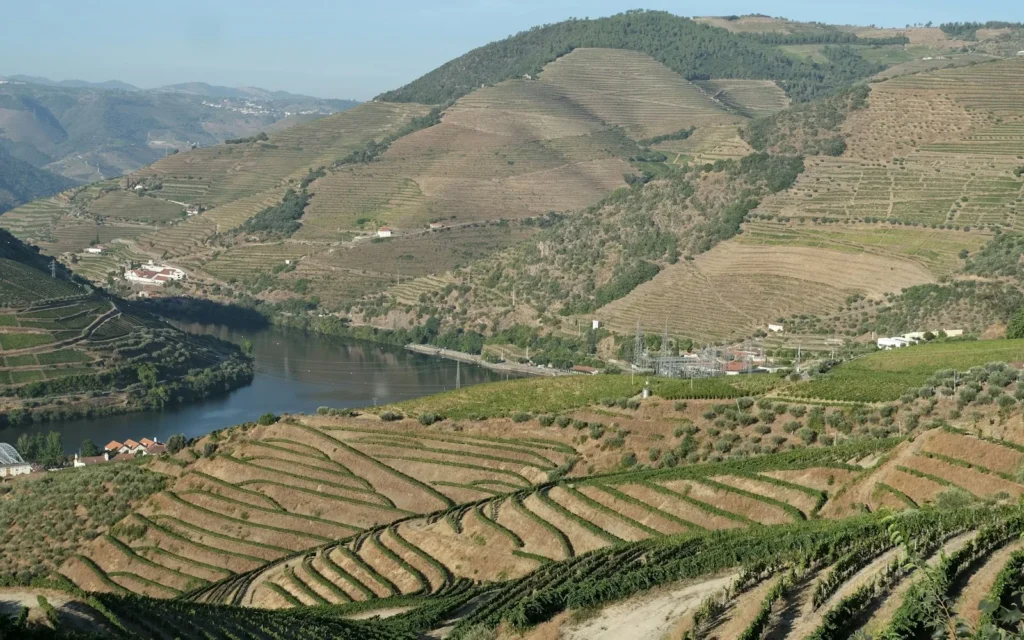
Portugal peaks in September, and the reason is the ocean rather than the air. Atlantic water off the Algarve and the Alentejo lags the calendar by weeks, so it reaches its most swimmable state exactly as the school holidays end. That is the one moment when a cold-current coastline behaves almost like a warm-sea one, and the beaches under the cliffs are no longer shoulder to shoulder. Inland, the same month brings the grape harvest in the Douro in the typical pattern, which turns terraced vineyards into a working landscape rather than a view; picking moves with the year, so confirm the current season's timing before building a trip around it. Lisbon and Porto become walkable again once August's glare softens, and the evening light still holds late. By the middle of October the picture shifts quickly: Atlantic fronts arrive, the surf turns serious, and swimming fades rather than stops outright. September is the narrow overlap where sea, light and quiet all coincide.
The honest warning: Algarve rates have generally held near high-season levels through the first weeks of September in recent years, so the quiet, cheap coast most people picture belongs to late October, by which point swimming has faded to a bonus rather than a reason to go. Two other things bite. The Atlantic is bracing even at its best, so anyone expecting Aegean bathwater will be unhappy. And Portugal is narrow but slow: the Douro, the Algarve and Lisbon are effectively three separate trips, and stitching all three into seven days produces long transfer days and little else. Autumn weather here is also genuinely two-faced, and a settled week and a wet week look identical when you are booking months in advance. Put the coast early in the month and the north later, never the other way round. Best suited to beach-and-city travellers who want a genuine swim without August's crush, and who will trade a cool ocean for empty cliff paths. Editorial planning estimate, not surveyed prices: roughly $1,700-2,900 for two across a one-week September window on the ground, covering lodging, food and local transport, with flights excluded. Check live prices.
2. Greece, Southeastern Europe (Aegean)
Greece peaks in September because the Aegean is at or near its warmest of the entire year then. Sea warmth lags the sun, so the water is better in September than it was in June, while the islands empty week by week. The meltemi, the summer wind that can pin ferries to the quay in July and August, usually eases as the month goes on, and that matters more than any glossy detail: island-hopping becomes something you can plan rather than something you hope for. Athens is a walking city again, and the big archaeological sites at opening time feel like different places from their August selves. Ferry frequencies and site hours generally hold their summer patterns through most of the month in recent years and then thin sharply, so check current timetables instead of assuming. October keeps the warm sea but loses the connections, and by November much of the small-island machinery has closed for winter. September is the last month when everything is both open and calm.
The honest warning: The ferry network is what breaks a Greek September. Once the summer timetable ends, sailings between smaller islands can drop to a couple a week, and an itinerary built on summer frequencies quietly stops working weeks before anyone notices. Family-run places on the smallest islands begin closing during autumn without announcing it anywhere you will see, so a route that looked viable on paper can hollow out under you. Add the fact that one windy stretch can strand you for a day, and you should keep a slack day before any onward flight. Holiday-season pricing also lingers into the first week or so, and the islands most people actually want stay busy enough that a walk-up room is a gamble rather than a plan. Two islands in a week is comfortable, three is busy, and four is a transport exercise with some scenery attached. Best suited to island-hoppers who want summer's sea without summer's queues, and who can absorb a wind-delayed day without losing a flight. Editorial planning estimate, not surveyed prices: roughly $1,900-3,200 for two across a one-week September window on the ground, covering lodging, food, ferries and local transport, with flights excluded. Check live prices.
3. Croatia, Southeastern Europe (Adriatic)
Croatia peaks in September, when the Adriatic is at or near its warmest and the summer machine winds down almost overnight. Dalmatia's problem in July and August is volume, from cruise arrivals to day-trip boats to queues on Dubrovnik's walls, and most of that thins during the first fortnight of September while the sea stays swimmable well into the month. The islands are the payoff: Hvar, Vis and the Kornati channels are still warm enough to swim from the boat, and the coastal towns get their squares back. Inland, Istria turns to harvest in the typical pattern, with grapes and olives and, later in autumn, truffle hunting, all of which moves with the year, so confirm the current season rather than trusting last year's schedule. Plitvice and Krka walk best now, before the light gets short. October keeps the colour but the ferry timetable contracts and island life closes down; by November the coast is a winter place.
The honest warning: Catamaran and car-ferry frequencies drop when the summer timetable ends, and that is the thing that breaks Croatian itineraries. An island you can reach twice a day in August may be reachable once a day, or less, a few weeks later, and the last sailing back gets earlier. Dubrovnik still fills whenever a large ship is in port, so a September date is no guarantee of a quiet old town; check the port calendar for your specific days. The country's shape works against you too, with the coast strung out over a long drive and Zagreb well inland. And the sea, warm as it is, brings jellyfish in some years and some bays. Commit to island accommodation before arriving, because walk-ups thin out with the boats. Best suited to sailing and swimming travellers who want a warm Adriatic with quieter old towns, and who will build the week around boat timetables. Editorial planning estimate, not surveyed prices: roughly $1,800-3,000 for two across a one-week September window on the ground, covering lodging, food, island ferries and local transport, with flights excluded. Check live prices.
4. Peru, South America (Andes and Amazon)
Peru peaks in September, at the tail of the Andean dry window, and its logic is the opposite of Europe's. The highlands run dry through the middle of the year and wet through the southern summer in the typical pattern, so September gives clear mountain air, dependable views over the Sacred Valley and the Colca canyon, and trails that are firm underfoot, with fewer people than the July and August peak and before afternoon cloud build-up returns. Cusco's altitude is easier to settle into in dry, stable air. The classic multi-day treks sit inside this dry window in the typical pattern, but permits, quotas and any annual maintenance closure are set year by year and go early, so check the current season's rules and availability at source before fixing dates. Lima's coastal cloud usually persists into the early part of the window, which argues for treating the capital as a stop rather than a base. October fades, and November leans wet.
The honest warning: Altitude is the real constraint here, not weather. Cusco and Lake Titicaca sit high enough that a compressed week can leave you unwell for the exact part you flew in for, and no amount of clear September air changes that, so build in acclimatisation low before going high. The dry season also means cold, clear nights on the altiplano and dust on the trails. Anything trek-related is capacity-controlled and frequently committed months ahead, so a late decision usually means a different route than the one you had in mind. Domestic flights and long night buses eat whole days, and a single cancellation cascades through a tight plan. The Amazon and the highlands are two climates in one country, and doing both properly needs more than a week. Best suited to high-altitude walkers and ruin-focused travellers who will give the week a genuine acclimatisation buffer at lower elevation first. Editorial planning estimate, not surveyed prices: roughly $2,200-3,800 for two across a one-week September window on the ground, covering lodging, food, site entries and local transport, with flights excluded. Check live prices.
5. Italy, Southern Europe (Mediterranean)
Italy peaks in October, once the coast has emptied and the interior comes into its own. This is the month when Rome, Florence and Naples are walkable all day rather than merely survivable in the morning, when the Tuscan, Umbrian and Piedmontese hills are in harvest in the typical pattern, grapes first and then olives, with truffle markets later in autumn, and when low afternoon light does more for a hill town than any summer afternoon manages. It is also the month where clocks matter: EU clocks go back on Sunday 25 October 2026, so the final week has abruptly early dusk. Put viewpoints, gardens and drives in the first three weeks and shift the last week towards museums, churches and long dinners. Confirm harvest and market timing for the current year, since all of it moves with the season, and confirm the clock rule closer to the date too. September is still hot and crowded in the south; November usually turns wet and much of the countryside closes.
The honest warning: October is no longer a quiet month in the famous cities. The shoulder has been discovered, and Florence, Rome and Venice have in recent years felt close to peak, with timed entry for the headline sites committed well ahead. Rain arrives properly in the north, and a wet week in Piedmont or the Veneto is an indoor week whether you planned one or not. Countryside businesses start closing once the harvest is in, particularly in the mountains and on the smaller islands, so a rural base can be quieter than intended in the wrong sense. The clock change lands mid-itinerary for many trips and catches people out on the morning itself, especially with early trains. And the sea is finished for most people, so an Italy-in-October plan built around beaches is built on a memory. Best suited to city walkers and food-led travellers who would rather have harvest countryside and long lunches than a swimmable sea. Editorial planning estimate, not surveyed prices: roughly $2,300-3,900 for two across a one-week October window on the ground, covering lodging, food, regional trains and local transport, with flights excluded. Check live prices.
6. Spain, Southern Europe (Iberia)
Spain peaks in October because that is when the south becomes usable. Seville, Cordoba and Granada are punishing in high summer and genuinely pleasant by October, with the Alhambra and the Mezquita comfortable to visit at any hour rather than only at opening. The Mediterranean southeast keeps enough warmth for swimming into the first half of the month, so one week can carry both walking cities and a coast. A quirk of clocks adds to it: mainland Spain runs on Central European Time despite sitting far to the west, so its evenings stay light unusually late until EU clocks go back on Sunday 25 October 2026, when an hour of that late light shifts to the morning and Spanish dusk arrives an hour earlier overnight; confirm that rule closer to the date, since clock legislation can change. Because the country eats late anyway this hurts less here than elsewhere, but it changes what you can still see after five. Olive harvest and inland festivals fall in the typical pattern of late autumn, so confirm current dates. September belongs to the green north; November is for cities only.
The honest warning: Andalusia can still deliver a summer-grade heat spike in early October, and the interior is unforgiving when it does, leaving Seville and Cordoba the same walking problem in an unseasonal warm week that they are in August. The north flips the other way, with Galicia, Asturias and the Basque coast turning wet as autumn advances, so a north-and-south week almost guarantees that one half gets the wrong weather. Resorts on the costas begin shutting down during the month, and a seaside base can feel half-closed around you. October also tends to be heavy for domestic city breaks around long weekends, which tightens lodging in the big cities without warning. And distances are real: Andalusia, Madrid and Barcelona in one week is train time, not sightseeing time. Best suited to southern-city travellers who want Andalusia at walking temperature with a late Mediterranean swim still on the table. Editorial planning estimate, not surveyed prices: roughly $2,000-3,400 for two across a one-week October window on the ground, covering lodging, food, high-speed rail and local transport, with flights excluded. Check live prices.
7. Morocco, North Africa (Maghreb)
Morocco peaks in October, the month the summer heat finally breaks. Marrakech and Fes are barely tolerable at midday in high summer and become proper walking cities in October, when medina alleys are pleasant and rooftop evenings are still warm. It is also the best window for the High Atlas, where trekking routes above the Ourika and Imlil valleys are clear of snow in the typical pattern and free of summer heat, though route conditions and mountain refuges change year to year and should be checked before committing. In the desert, October sits between the dead heat of summer and the genuinely cold nights of midwinter, so a dune camp is comfortable rather than an endurance event. Date and olive harvests fall across autumn in the typical pattern, so confirm current timing locally. September is still hot inland, and November usually brings shorter days, the first Atlas snow and a real chance of rain in the north.
The honest warning: Desert nights turn cold fast even in October, and most people pack for the daytime and then shiver through the camp, which makes the swing between afternoon and pre-dawn the single most underestimated thing about this trip. Rain, when autumn delivers it, can be sudden and disruptive: flash flooding closes mountain roads and can strand a valley for a day. Marrakech's souks are at their most insistent during good-weather months, and October is firmly one, so first-timers should expect sustained pressure rather than browsing. Distances between the imperial cities, the Atlas and the dunes are long, and a week that tries for all three is mostly spent in a vehicle. Coastal Essaouira stays windy year-round, so treat it as a break from the heat rather than a beach week. Best suited to medina wanderers and Atlas walkers who want desert nights without summer's punishment and will pack for a hard day-to-night swing. Editorial planning estimate, not surveyed prices: roughly $1,500-2,700 for two across a one-week October window on the ground, covering lodging, food, a desert overnight and local transport, with flights excluded. Check live prices.
8. Turkey, Western Asia and the Eastern Mediterranean
Turkey peaks in October, when the two things people come for stop fighting each other. The Aegean and Turquoise coasts hold swimmable water through the first half of the month while the crowds and the heat have gone, so Kas, Bodrum and the Lycian shore are at their most pleasant of the year. Inland, October is the month Cappadocia works: walking the valleys is comfortable rather than draining, and the morning air is usually stable enough for balloon flights, which are cancelled on wind and are the first thing an autumn trip loses. Istanbul is at its best in this month too, clear and crisp, without the summer humidity that flattens a day of walking between mosques and museums. Harvest and food events across Anatolia follow the typical autumn pattern, so confirm the current year's dates. September is still hot and busy on the coast, and by November Istanbul turns grey and wet while central Anatolia gets properly cold at night.
The honest warning: Balloon flights over Cappadocia are cancelled for wind more often as autumn advances, and because they are the reason many people go, that risk deserves planning: allow more than one morning and treat a single-night stop as a coin flip. On the coast the season starts folding during the month, with boat trips running less often, resort towns winding down and the Lycian Way still hot in the sun but dark early. Istanbul is a large, slow city where crossing the Bosphorus at the wrong hour costs an hour. Coast, Cappadocia and Istanbul in one week means two domestic flights and three unpacking days. Autumn rain in the northwest can also settle in for several days at a stretch rather than passing through. Best suited to travellers who want a late swim, valley walking and a big city in one week, and who will fly domestically to get all three. Editorial planning estimate, not surveyed prices: roughly $1,600-2,800 for two across a one-week October window on the ground, covering lodging, food, domestic transfers and local transport, with flights excluded. Check live prices.
9. Japan, East Asia
Japan's autumn event is koyo, the turning of the leaves, and for most itineraries it peaks in November. The gradient is the whole planning problem. In the typical pattern colour reaches the far north and the high mountains during October, then works south and downhill, with the lowland cities of Kyoto, Nara and Tokyo usually at their best in the second half of November and sometimes into early December. Choose the month by altitude and latitude rather than by the word autumn: October suits Hokkaido, Tohoku and the alpine routes, while November suits the temple gardens and maple valleys that most people actually picture when they book. The season also sits after the main summer typhoon risk has usually eased, though tropical systems can still reach the islands in this window, and it is generally one of the settled travel stretches of the Japanese year. Colour timing shifts by a week or more with the year's warmth, so track current-year foliage reporting instead of locking dates months out and hoping.
The honest warning: November is peak domestic travel in Japan in the typical pattern, and Kyoto in particular is genuinely crowded, with queues at the famous temple gardens, shoulder-to-shoulder weekends in the best-known maple valleys, and lodging in the popular districts typically committed months ahead at the top of its annual range. Timing is the second risk: a warm autumn pushes colour later and a cold snap strips it early, so an itinerary locked to specific gardens on specific days can arrive to green or bare branches. Keep alternatives at different altitudes within reach of your base, because a hillside above a city often turns a week or two before the city does. Days shorten quickly as well, and garden and temple closing times are early, which compresses what a day can hold. Best suited to foliage-focused travellers who will book far ahead, accept crowds, and keep a higher-altitude alternative in reserve. Editorial planning estimate, not surveyed prices: roughly $3,000-5,000 for two across a one-week November window on the ground, covering lodging, food, rail and local transport, with flights excluded. Check live prices.
10. India, South Asia
India peaks in November, once the monsoon has normally withdrawn and before the northern winter fog settles in. This is the month Rajasthan makes sense, with Jaipur, Jodhpur and Udaipur warm by day and cool after dark rather than scorching, and the month the Himalayan foothills give their clearest views of the year, the high peaks visible from Darjeeling or the Kumaon ridges on most mornings in the typical pattern. The plains are dry, the light is long and low, and wildlife parks reopen for their season after the rains, although opening is set park by park each year and must be checked. Diwali falls in autumn in the typical pattern and is movable, so confirm the current year's date and expect swollen domestic travel, closed businesses and higher lodging prices around it. October is still humid across much of the country in most years, and the far south's rains arrive later, running against the northern pattern entirely.
The honest warning: Air quality in the northern plains deteriorates through late autumn, and Delhi in particular can become genuinely unpleasant for anyone with a respiratory condition. That is the strongest argument against a November trip built around the north, and it varies enough year to year that no calendar predicts it. The movable festival period compounds the problem, adding travel demand and, in places, further smoke. Distances are long and trains commit early, so a week means choosing one region and staying inside it. The south runs on a different rain cycle, which makes Kerala and Tamil Nadu a poor substitute rather than a safe fallback for a hazy north. Popular fort and palace sites are also busy with domestic visitors right through the autumn window. Best suited to single-region travellers, Rajasthan or the foothills, who will take current air-quality advice before committing to the north. Editorial planning estimate, not surveyed prices: roughly $1,200-2,400 for two across a one-week November window on the ground, covering lodging, food, monument entries and local transport, with flights excluded. Check live prices.
11. Vietnam, Southeast Asia
Vietnam peaks in November if you go north, and understanding that split is the whole trick. Hanoi, Ha Long and the karst country around Ninh Binh dry out and cool down after the summer rains, giving the clearest, most comfortable walking conditions of the northern year through the month in the typical pattern. The far northern mountains around Sapa and Mu Cang Chai are a different slot again, because the terraced rice harvest there normally comes earlier in autumn and moves with the crop, so anyone going for golden terraces should confirm the current year's timing rather than arriving in November and expecting them. Meanwhile the central coast around Hue, Da Nang and Hoi An is, in the typical pattern, in its wettest and most storm-exposed stretch during October and November, while the south stays warm and dry on its own cycle. November is a northern month in Vietnam, not a national one.
The honest warning: The central coast is the problem. Hue, Da Nang and Hoi An sit in what is usually their rainy and typhoon-exposed season through this part of autumn, so the classic north-to-south sweep books flooding into the middle of the trip. Choose one region instead of the sweep. Even in the north the season brings grey, still days when the karst scenery disappears into haze, a real risk for a Ha Long cruise sold entirely on views. Northern mountain nights get cold, and mountain roads are slow and occasionally closed after rain. Internal distances are enormous, so a week in Vietnam is comfortably one third of the country and no more. Storm disruption can also close coastal airports with very little notice. Best suited to northern-Vietnam travellers who want dry karst-country walking and will leave the central coast for a different season entirely. Editorial planning estimate, not surveyed prices: roughly $1,100-2,200 for two across a one-week November window on the ground, covering lodging, food, a boat night and local transport, with flights excluded. Check live prices.
12. Mexico, North America (Latin America)
Mexico peaks in November, when the rains have typically tapered and the country enters its dry, clear stretch. The highland cities are at their most comfortable, with Mexico City, Oaxaca, San Cristobal and Guanajuato giving warm days, cool evenings and the greenery left by the wet season still intact rather than burnt off. The Yucatan is dry enough for ruins at Uxmal or Calakmul without summer's sapping humidity, and both coasts are usually past the worst of their storm exposure. Day of the Dead sits at its fixed calendar position of 1 and 2 November, but observances, processions and public programmes vary widely by state and community and are arranged year by year, so confirm what is actually happening where you are going instead of assuming one national spectacle. September and October are typically the wet, storm-exposed months, and late November usually starts the high-season climb in the beach resorts.
The honest warning: The first days of November are typically the most committed and most expensive stretch of the year in the communities most associated with the Day of the Dead observance, so a trip that lands there by accident pays top rates for lodging it did not choose. Either commit very early or arrive after it and take the same clear weather for less. Storm risk has not fully closed in early November in the typical pattern, so check the current season's outlook before locking anything coastal, and treat a beach leg as the flexible half of the week rather than the fixed half. Altitude also surprises people, since Mexico City and the highland cities sit high enough that evenings are cold, walking uphill is harder than the latitude suggests, and a first day arriving from sea level is worth keeping gentle. Best suited to highland-city and ruins travellers who will either commit early to the first days of November or deliberately arrive after them. Editorial planning estimate, not surveyed prices: roughly $1,800-3,100 for two across a one-week November window on the ground, covering lodging, food, site entries and local transport, with flights excluded. Check live prices.
The places to visit autumn 2026 calendar
| Autumn 2026, northern hemisphere | September, October and November 2026 – three months that behave so differently that the country should follow the month, not the other way round. |
| September equinox | Around 22-23 September, when day and night are close to equal. From here northern daylight shortens noticeably week by week. |
| EU and UK clocks go back | Sunday 25 October 2026, the last Sunday of October. 31 October 2026 is a Saturday, so the 25th is the month's last Sunday. Clock rules are set by legislation and can change, so confirm closer to the date. |
| US clocks go back | Sunday 1 November 2026, the first Sunday of November. Worth confirming closer to the date for the same reason. |
| The one-week offset gap | 25 October to 1 November 2026. Europe has changed and the US has not, so the usual US-Europe difference is one hour narrower for that week only. |
| Halloween | Saturday 31 October 2026, which falls inside the offset gap and the night before US clocks go back on Sunday 1 November. |
| US Thanksgiving | Thursday 26 November 2026, the fourth Thursday; November's Thursdays are 5, 12, 19 and 26. It loads the last week of the month with US travel demand. |
| September picks in this twelve | Portugal, Greece, Croatia and Peru – southern Europe's warm-sea shoulder plus the closing edge of the Andean dry window. |
| October picks in this twelve | Italy, Spain, Morocco and Turkey – harvest interiors, and the desert and plateau countries once summer's heat breaks. |
| November picks in this twelve | Japan, India, Vietnam and Mexico – lowland koyo in the typical pattern, the post-monsoon plains, the dry northern Vietnamese window and Mexico's clear highland season. |
| Day of the Dead calendar position | 1 and 2 November, fixed in the calendar. The observances and public programmes built around it are arranged locally and year by year, so confirm the current year's details. |
| Where daylight changes fastest | Late September through October. Evening light drains away faster after the equinox, then drops an hour at once in Europe on 25 October. |
Planning and booking notes
- Slot the country to the month before booking anything. The usual autumn mistake is not choosing the wrong country, it is arriving several weeks off that country's window.
- Treat Sunday 25 October 2026 as a hard edge in any European itinerary: viewpoints, gardens, coastal drives and hill towns belong before it, and museums, churches and long dinners belong after it.
- In the week between 25 October and 1 November 2026, recheck every transatlantic connection and every call home. Timetables are printed in local time, so nothing looks wrong on the ticket even though the usual difference has narrowed by an hour.
- Daylight loss accelerates after the equinox around 22-23 September, so a late-September afternoon is materially shorter than an early-September one even before any clock change.
- The sea lags the land. September is the swimming month, October is the walking-and-harvest month, and November is the tropics-and-foliage month. That order shifts by weeks rather than by preference: an October swim survives in Spain's Mediterranean southeast and on Turkey's Aegean, but not much further north.
- Anything built on colour, harvest or a festival needs a fallback in the same region and a check of the current year's timing, because all three move with the season or with a local decision.
- The cost bands here are country-level windows for a week on the ground for two. A single-city version of the same trip lands below the band and a three-region version lands above it.
- Halloween falling on Saturday 31 October 2026 adds a domestic weekend layer to European cities the weekend after their clock change, which is the same weekend many visitors discover their evenings now end early. If the night itself is the reason for the trip rather than a scheduling detail, that is a different plan: our guide to the best Halloween destinations for 2026 (/best-halloween-destinations-2026/) covers that ground.
- Thanksgiving on Thursday 26 November 2026 pulls US demand into the final week of November, so anything in the November group is worth settling before that week hardens. For trips built around the holiday itself rather than around it, see our guide to the best Thanksgiving getaways for 2026 (/best-thanksgiving-getaways-2026/).
- Autumn 2026 here means the northern hemisphere. South of the equator these same months are spring, so none of this month-slotting transfers.
12 Best Places to Visit in Autumn 2026 FAQ
Autumn 2026 is three months. How do I choose between September, October and November?
September is the sea month: southern Europe's water is at or near its warmest of the year while the crowds thin, which is why Portugal, Greece and Croatia belong there, and it is also the quiet end of the Andean dry window in Peru. October is the pivot: the coast is over, Europe's interior is in harvest in the typical pattern, and the hot countries become comfortable, which is Italy, Spain, Morocco and Turkey. November is the payoff month for everywhere the rain has just left, plus Japan's lowland foliage, so Japan, India, Vietnam and Mexico sit there. Pick the month first, then the country.
What actually changes when EU and UK clocks go back on Sunday 25 October 2026?
An hour of evening daylight moves to the morning, so a sightseeing day that finished in usable light on the Saturday finishes in the dark on the Sunday. In practice it reshapes rather than shortens the day: sunrise arrives earlier, which helps at busy sites, and dusk arrives an hour sooner, which ends anything view-dependent. If your European trip straddles that weekend, front-load the outdoor half. Clock rules are set by legislation and have been revisited more than once, so confirm the change is still on that date closer to travel.
Why is the US to Europe time difference strange between 25 October and 1 November 2026?
The EU and UK change on the last Sunday of October, which is the 25th in 2026, and the US changes on the first Sunday of November, which is the 1st. For that one week Europe has already moved and America has not, so the usual difference is one hour narrower. Nothing on a ticket looks unusual because schedules are written in local time. The trap is anything you calculate yourself from the normal offset: a tight connection, a work call, a family video call, or a pickup arranged from home.
Is Japan's autumn colour an October trip or a November trip?
Both, at different altitudes and latitudes. Koyo, the autumn foliage, typically starts in the far north and the high mountains in October, so Hokkaido, Tohoku and the alpine routes are the October version. It then works downhill and south, with the lowland cities such as Kyoto, Nara and Tokyo usually best in the second half of November and sometimes into early December. That is the typical pattern only, and the timing swings by a week or more with the year's warmth, so follow current-year foliage reporting and keep a higher-altitude backup near your base.
Which of the twelve still give a genuine swim?
In September, Greece and Croatia are at or near their warmest of the year, and Portugal gives a real Atlantic swim that is bracing rather than balmy. Into the first half of October, Spain's Mediterranean southeast and Turkey's Aegean and Turquoise coasts still work. After the middle of October, European swimming is a bonus rather than a plan. By November the swimming has moved to the tropics, which in this list means Mexico's coasts and southern Vietnam, both with their own storm-season caveats to check.
Can I combine two of these countries in one autumn week?
Only within one slot, or across the seam where two adjacent slots meet. Greece with Turkey's Aegean coast works in September into early October. Croatia with northeast Italy works across a late-September to early-October seam. Portugal with southern Spain is possible if you accept a long overland leg. What does not work is pairing across the whole span, such as a September Greek island week with a November Kyoto week, or combining Vietnam's north with its central coast in the same trip. Japan, Peru, India and Mexico each fill a week on their own.
Why do the festival, harvest and foliage dates need checking rather than booking?
Because they move. Foliage and harvest timing follow the year's weather, so a warm autumn can push both back by a week or more, and many festivals run on a lunar or local calendar or on a programme that is published late. Anything of that kind is worth confirming for the current year before it becomes the reason for a trip. What does hold is the set of dates fixed by rule: the equinox window around 22-23 September, the EU and UK clock change on Sunday 25 October 2026, the US change on Sunday 1 November 2026, Halloween on Saturday 31 October 2026, Thanksgiving on Thursday 26 November 2026, and Day of the Dead's fixed 1 and 2 November position. Clock rules are legislated, so confirm those two closer to travel as well.
Is autumn cheaper than summer across these twelve?
Unevenly, and less than people assume. Southern Europe has typically held high-season pricing through the first part of September and softened properly only from mid-October, by which point the swimming has faded, so the cheap week and the good week are rarely the same week. Kyoto in November, and the first days of November in the Oaxaca area, have in recent years been among the most expensive weeks of their respective calendars. Morocco, Turkey, India, Vietnam and Peru all sit near a seasonal demand peak in their autumn window rather than in a trough, so autumn tends to buy comfort and space rather than a lower bill.
What this page does not claim to know
- Clock-change rules are legislated and have been repeatedly debated. Treat Sunday 25 October 2026 for the EU and UK, and Sunday 1 November 2026 for the US, as the current rule and confirm both close to departure.
- Foliage, harvest, festival and trekking-season timing here is the typical pattern only; each shifts with the year's weather or with a local decision, so check the current year before booking around any of them.
- Cost bands are planning estimates for a week on the ground for two, not surveyed prices. They exclude flights, and they will not match a peak quote for Kyoto in late November or Oaxaca in the first days of the month.
- None of this is a forecast. Inside any one of these months a settled week and a washout week can sit side by side, so a good window is a probability rather than a promise, and an average figure would hide exactly the swing that decides how the trip goes.
- Regional split matters more than the country label. Vietnam, Spain, Italy and Peru each contain climates that are months apart, so a country-level month-slot is where planning starts, not where it ends.
- The equinox is given as around 22-23 September because its clock time shifts between years and between time zones, so no single date holds everywhere.
- Storm seasons do not stop at a calendar boundary. Tropical systems in the Atlantic and Pacific and typhoons in East Asia can affect parts of this window, so check the current season's outlook for anything coastal.
- These are country-level slots chosen for a one-week trip. Stretch to two or three weeks and the answer changes in several of them, because a longer window can straddle a seam – late September into October, or late October into November – and reach two seasons in one country.
- Permits, entry rules, timed tickets and site capacity change without much notice, so anything requiring one should be checked at source for the current season rather than from last year's experience.
- Air quality in northern India in late autumn varies year to year and cannot be read off a calendar. Anyone with a respiratory condition should check current conditions before committing to that part of the November plan.
You Might Also Love



Written by
John Morrison is the founder and lead travel writer at Packzup. Over the past decade he has explored destinations across Africa, the Americas, Asia, Europe, the Middle East, and Oceania — always self-funded, never on a press trip.
Planning further ahead? Halloween 2027 falls on a Sunday, which changes the whole shape of the weekend. See the 12 best Halloween destinations for 2027.