Last updated August 28, 2026 · Editorial policy
Best time to visit Porto: at a glance
Short answer: May–June and September for warm, dry weather.
| Season | Months | What to expect |
|---|---|---|
| Peak | Jul–Aug | Warm, festival season; busiest |
| Shoulder (best value) | May–Jun, Sep–Oct | Mild, dry-ish, fewer crowds; grape harvest in Sep |
| Low | Nov–Mar | Cool and rainy |
Best Time to Visit Porto: Month-by-Month Guide
Quick take: Timing your Porto trip right makes everything better: lower prices, better weather, fewer crowds. Month-by-month reality below.
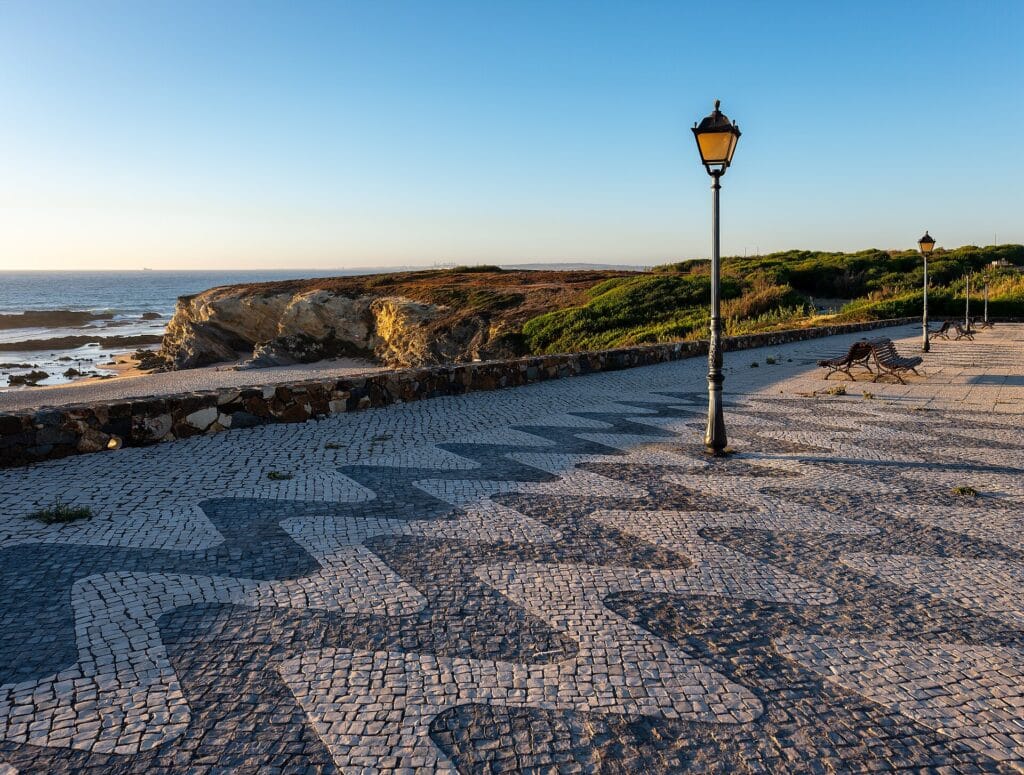
Peak: summer (June-August) · Off-season: winter (December-February)
Knowing the best time to visit Porto can transform your trip — saving you hundreds on flights and hotels while putting you in better weather with fewer crowds. This guide breaks down each season, key events, and what to expect month by month so you can pick the right travel dates.
Best Months to Visit Porto
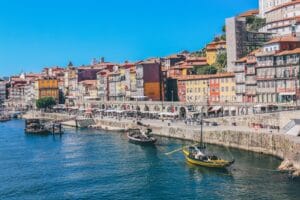
Top pick: Late May through June, or September. Days run roughly 18-27 C with little of Porto’s notorious winter rain, the Ribeira and port lodges are lively but not jammed, and rooms sit well below August peaks. September adds the Douro grape harvest; April is still often wet and grey.
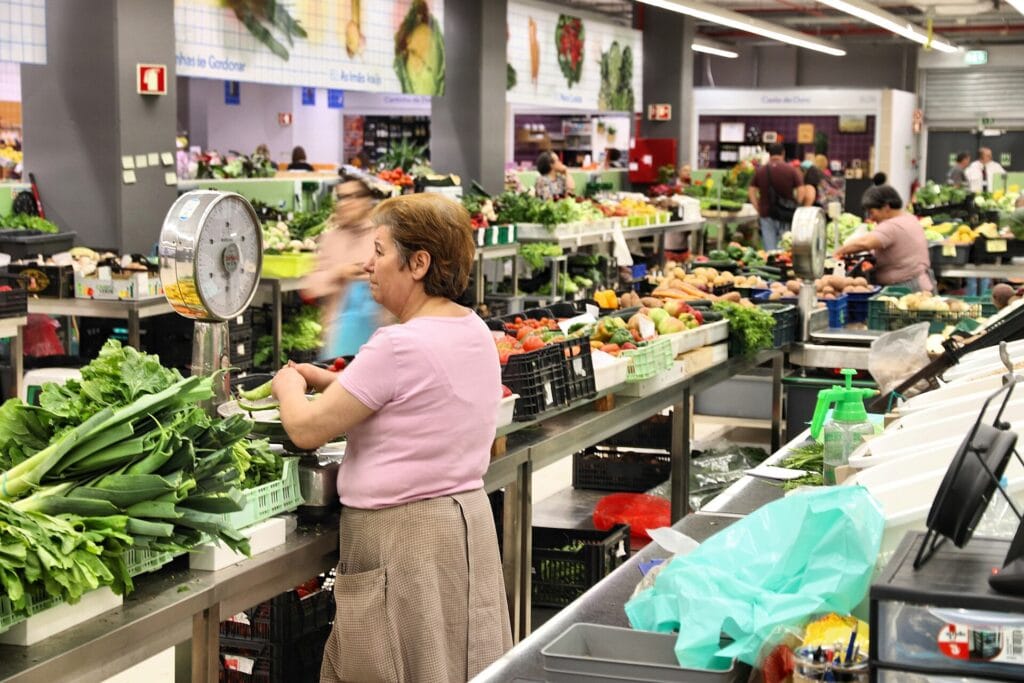
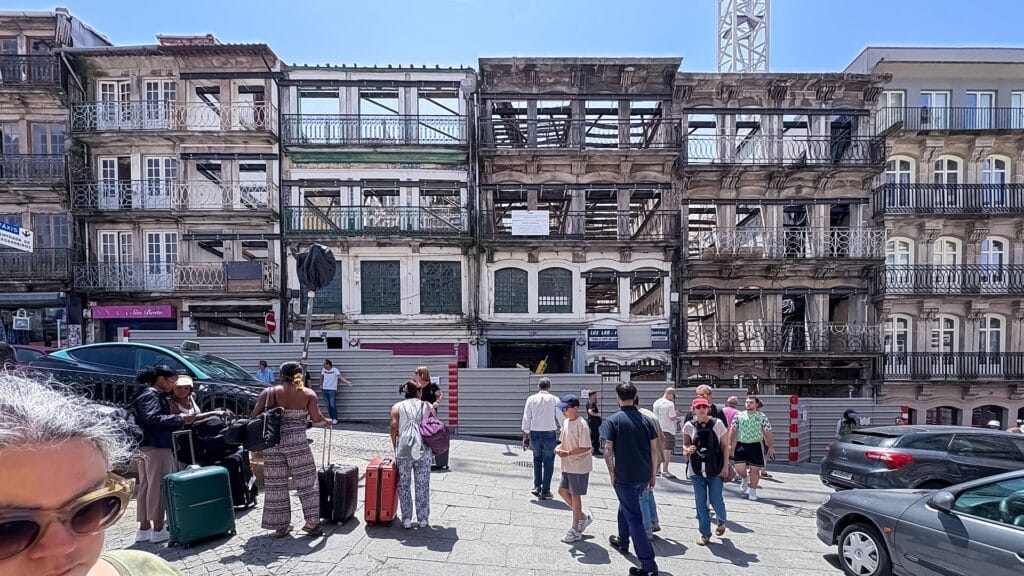
Peak is July and August, when highs reach around 25C (about 77F) and rainfall drops to almost nothing. The trade-off is real: it is the busiest, priciest stretch, and the Ribeira gets shoulder-to-shoulder by midday.
- One exception to the shoulder rule: June 23, the night of Festa de Sao Joao, with citywide fireworks over the Douro at midnight running into the 24th. Book months out or skip the date entirely.
Avoid December and January. They are Porto’s wettest months, around 160-195mm of rain across roughly 13 wet days each, with highs near 14C (about 57F).
Frequently Asked Questions
Are there major festivals in Porto?
Yes — Porto hosts notable events including: Festa de São João do Porto (Jun), NOS Primavera Sound (Jun), Serralves em Festa (May-Jun), Fantasporto Film Festival (Feb-Mar). Major festivals can spike hotel prices 50-200% — book 3-6 months ahead if attending.
What should I pack for Porto?
Pack for the season you’re visiting and the climate zone. Summer in Porto: lightweight breathable clothes, sunscreen, hat, comfortable walking shoes. Winter: layers, waterproof jacket, warm accessories. Check the 10-day forecast 1-2 weeks before departure and adjust.
Related Porto Travel Guides
- Best Things to Do in Porto
- Where to Stay in Porto
- Best Food in Porto
- How Much Does a Trip to Porto Cost?
- Porto Itinerary Guide
Porto weather & climate by month
Best months to visit: May, June, July, August, September, October. Porto’s warmest month is July (avg 24°C / 76°F), the coolest is January (low 7°C / 44°F). The wettest is November (166 mm) and the driest is July.
| Month | Avg high | Avg low | Rainfall | Rainy days |
|---|---|---|---|---|
| January | 13°C / 56°F | 7°C / 44°F | 151 mm | 13 |
| February | 16°C / 60°F | 8°C / 47°F | 98 mm | 10 |
| March | 17°C / 62°F | 9°C / 48°F | 101 mm | 10 |
| April | 17°C / 63°F | 11°C / 51°F | 96 mm | 10 |
| May | 21°C / 69°F | 13°C / 56°F | 86 mm | 9 |
| June | 21°C / 70°F | 15°C / 58°F | 34 mm | 5 |
| July | 24°C / 76°F | 16°C / 62°F | 17 mm | 3 |
| August | 24°C / 75°F | 16°C / 61°F | 29 mm | 3 |
| September | 24°C / 74°F | 16°C / 61°F | 68 mm | 6 |
| October | 20°C / 69°F | 14°C / 57°F | 149 mm | 11 |
| November | 16°C / 61°F | 11°C / 52°F | 166 mm | 13 |
| December | 14°C / 58°F | 9°C / 49°F | 153 mm | 12 |
Climate source: Open-Meteo / WMO climate normals (WMO 1991–2020, or ERA5 2019–2023 where unavailable). Compare destinations in the Best Time to Visit Index.
You Might Also Love

Written by
Drew Treasury is a contributing travel writer at Packzup, specialising in city culture, food markets, street art, and neighbourhood-level travel.