- Where to start
- North Africa & The Maghreb
- The Levant
- Turkey & The Bosphorus
- Arabian Gulf
- What we love most about travelling in Middle East
- Best month for each destination, at a glance
- Compare any two side by side
- Entry rules for US travelers: who waves you through and who charges at the door
- Frequently asked questions
- Destination Guides
- Related Articles
- Frequently Asked Questions
Travel in the Middle East rewards a careful look at the calendar. The cool months, broadly November through March — turn cities like Dubai and Abu Dhabi from survival-mode air-conditioning into walkable destinations, open up desert excursions in Jordan that aren’t possible in midsummer, and let you actually enjoy Marrakech’s medina without seeking shade every five minutes. Istanbul plays by Mediterranean rules and works year-round. The destinations below are all field-tested.
Where to start
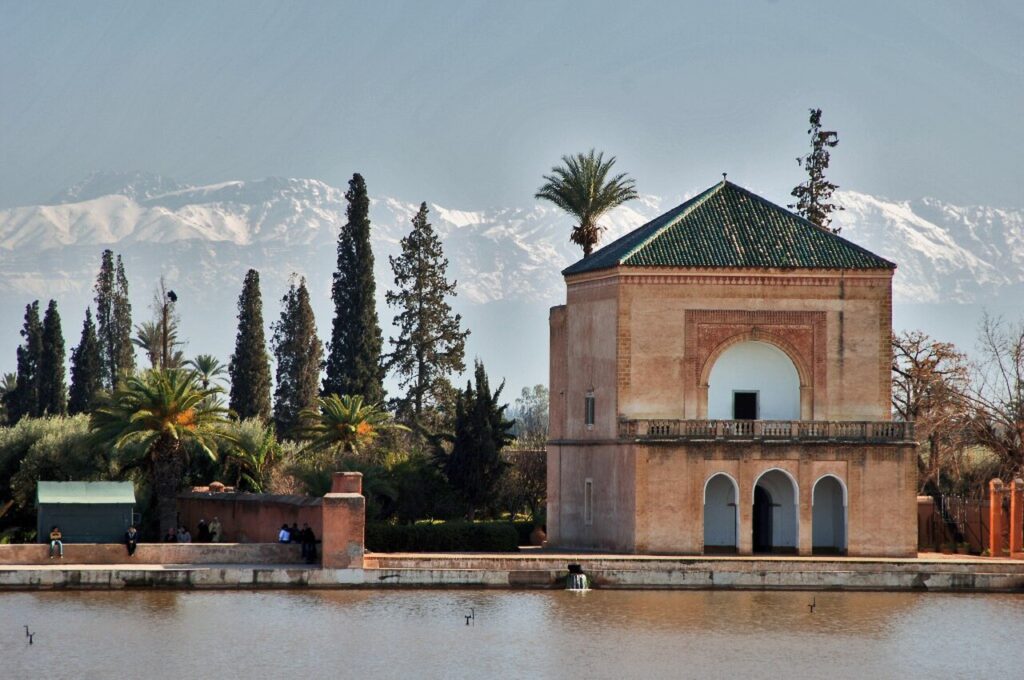
North Africa & The Maghreb
The Levant
Turkey & The Bosphorus
Arabian Gulf
What we love most about travelling in Middle East
The early-morning balloon flights, the way a souk changes character three times before lunch, the desert silence, the architectural traditions you can trace back a thousand years on the same street.
Best month for each destination, at a glance
| Month | At their best |
|---|---|
| January | Dubai, Abu Dhabi |
| February | Dubai, Abu Dhabi |
| March | Marrakech, Jordan, Dubai, Abu Dhabi |
| April | Marrakech, Jordan, Cappadocia, Istanbul |
| May | Jordan, Cappadocia, Istanbul |
| June | Cappadocia |
| September | Cappadocia, Istanbul |
| October | Marrakech, Jordan, Cappadocia, Istanbul |
| November | Marrakech, Jordan, Dubai, Abu Dhabi |
| December | Dubai, Abu Dhabi |
Compare any two side by side
The interactive comparison tool sets any two of these destinations next to each other on best months, real budgets, crowd levels, trip lengths and vibes: so the actual trade-off is visible at a glance.
Entry rules for US travelers: who waves you through and who charges at the door
The page points to a visa checker but never says how entry actually works across the four areas it covers, and the rules are not the same. For US passport holders the spread runs from walk-straight-through to pay-on-arrival, and knowing which is which saves both money and a tense moment at immigration.
- Turkey is the easy one. US citizens enter visa-free for stays up to 90 days within any 180-day period, with no e-visa needed for ordinary tourism, so Istanbul and Cappadocia need only a valid passport.
- Morocco also waves Americans through for up to 90 days, with the entry stamp issued at the port of arrival rather than arranged in advance, which keeps Marrakech simple.
- Jordan charges at the door. The standard visa on arrival runs about 40 Jordanian dinars, roughly 56 USD, though the Jordan Pass can bundle that fee with Petra entry if you buy it before you fly.
- The UAE is straightforward for US citizens, typically a visa on arrival good for around 30 days, covering Dubai and Abu Dhabi.
Two practical notes that catch people out. Carry a passport with at least 6 months of validity beyond your travel dates, since several of these countries enforce it strictly. And if you are chaining countries on one trip, plan around Jordan being the one that costs money up front, then weigh whether the Jordan Pass is cheaper than paying the visa and Petra ticket separately.
Frequently asked questions
When is the best time to visit Middle East?
It depends entirely on the destination. Marrakech is strongest March, April, October; others in the region work in completely different windows. See each destination’s best-time guide for specifics.
How long should I spend in Middle East?
The minimum useful trip for a single destination is around 3–5 days; multi-destination routes typically run 10–14 days. We list a recommended trip length on each individual guide.
Are these guides field-tested?
Yes. Every destination guide on Packzup is written from first-hand reporting. No press trips, no AI filler, no sponsorship. Each guide notes when it was last updated.
Destination Guides
- Abu Dhabi Travel Guide
- Cappadocia Travel Guide
- Dubai Travel Guide
- Jordan Travel Guide
- Marrakech Travel Guide
Related Articles
- 15 Best Things to Do in Cairo, Egypt (Real Local Guide)
- 15 Best Things to Do in Petra and Jordan (Real Guide)
- 15 Best Things to Do in Marrakech (Red City Guide)
- 20 Best Things to Do in Istanbul (Where East Meets West)
Frequently Asked Questions
Is Middle East worth visiting?
Yes. Middle East rewards travelers who are willing to look beyond the surface. From local food to cultural sites, there is plenty to discover for every type of traveler.
How many days should I spend in Middle East?
Plan for at least 3-4 days to cover the main highlights. A week allows for day trips and a more relaxed pace that lets you experience the destination more deeply.
What is the best way to get to Middle East?
Options typically include flights to the nearest international airport, followed by local transport. Check for direct flight routes from your departure city for the most convenient travel.
Do I need travel insurance for Middle East?
Travel insurance is strongly recommended for any international trip. It covers medical emergencies, trip cancellations, and lost luggage ??? risks that are expensive to handle out of pocket.