Last updated July 30, 2026 · Editorial policy
| At a glance | Greece | Spain |
|---|---|---|
| Daily budget (mid-range) | €80–120 | €80–120 |
| Headline | Santorini + Cyclades islands | Barcelona + Andalusia + Balearics |
| Beach style | Aegean coves, island-hopping | Med & Atlantic, city beaches |
| Best months | June–September | April–October |
Torn between Greece and Spain for your next trip? Both are fantastic — but they suit different travelers, budgets, and trip styles. Here is an honest, data-driven comparison of Greece vs Spain across cost, visas, best time to visit, and overall vibe, with a clear verdict on which to choose.
Choose Spain for the kind of trip it does best — the two sit in the same daily-cost band, so price will not decide this one. Choose Greece if it better matches the experience you are after. Both reward travelers who plan around the right season.
When to go: Greece vs Spain
Measured, not guessed — five years of ERA5 reanalysis (2019–2023). Months are ranked by how close the average high sits to 25°C, penalised by wet days.
Greece
- Best month
- May
- Then expect
- 24.6°C · 5 wet days
- Next best
- October, September
- Wettest month
- December (10 wet days)
Spain
- Best month
- May
- Then expect
- 25.1°C · 5 wet days
- Next best
- September, June
- Wettest month
- April (11 wet days)
- Same window — both Greece and Spain are at their best in May.
- Biggest split is November — Greece is 4.8°C warmer that month.
Source: ERA5 reanalysis (2019–2023) via Open-Meteo, CC BY 4.0 — Packzup Travel Climate Dataset (open data).
Greece vs Spain at a glance
| Greece | Spain | |
|---|---|---|
| Best for | Islands, ancient history | Cities, beaches, variety |
| Vibe | Iconic, island-hopping | Lively, social, late |
| Daily budget (mid-range) | €80–130 | €90–140 |
| Best time | May–Jun, Sep | Apr–Jun, Sep–Oct |
| Don't miss | Santorini, Athens, Crete | Barcelona, Madrid, Andalusia |
| The catch | Island logistics | August heat & crowds |
Greece vs Spain: Cost & Entry Snapshot
| Greece | Spain | |
|---|---|---|
| Region | Europe | Europe |
| Daily cost (mid-range) | $100-$180 | $100-$180 |
| Budget daily | $30-$55 | $30-$55 |
| Cost level | Mid-Priced | Mid-Priced |
| US visa | Visa-Free | Visa-Free |
| Currency | EUR | EUR |
| Capital | Athens | Madrid |
Which is cheaper, Greece or Spain?
Day to day, the two are close on cost. A mid-range traveler spends around $140/day in either Greece or Spain — roughly $980 per person over a one-week trip, so budget is unlikely to be the deciding factor. Backpackers can go lower in both, and luxury travelers will spend well above these figures in either country.
Visas & entry
For US passport holders, Greece typically requires visa-free and Spain requires visa-free. Rules vary by nationality and change often — always confirm with the official government source before booking. See our full visa guides linked below for a passport-by-passport breakdown.
Greece or Spain: which is better?
- You want a Europe trip with mid-priced daily costs.
- Entry is straightforward — visa-free for US travelers.
- You want a Europe trip with mid-priced daily costs.
- Entry is straightforward — visa-free for US travelers.

The verdict: Greece or Spain?
Choose Greece if your trip is built around the sea, ancient sites, and slow island days. Choose Spain if you want one rich, walkable country you can cross by train without ever booking a ferry.
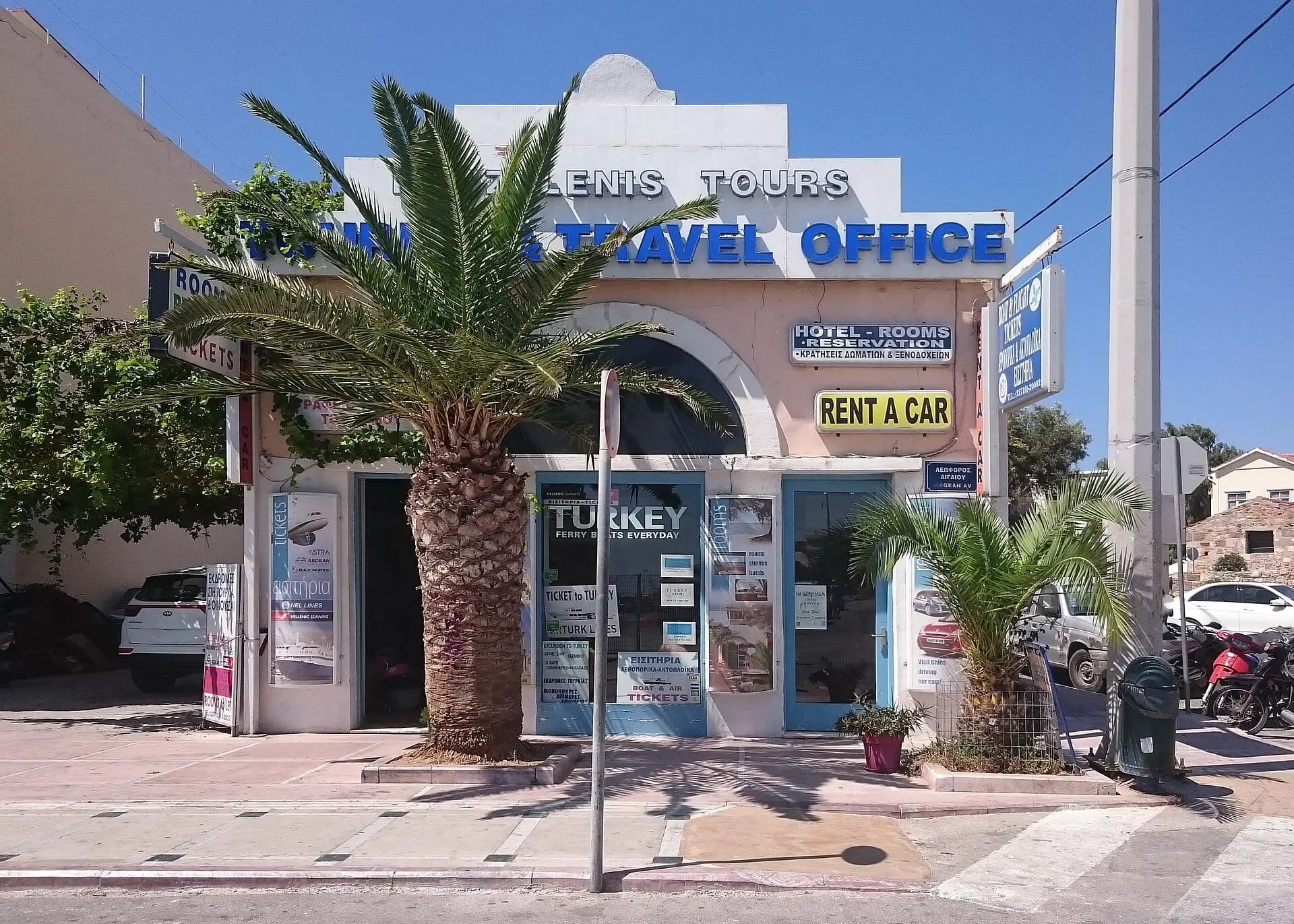
The deciding factor is movement. Greece's magic lives on the islands, and getting there is the tax you pay: an Athens–Santorini ferry runs about €71 on a conventional boat or €108 on the high-speed catamaran, plus a hop to the port. Spain hands you a 2.5-hour AVE train from Madrid to Barcelona or Seville and you're done. If hopping islands sounds romantic, that's Greece. If it sounds like logistics, that's Spain.
Three things that actually separate them:
- Crowds. Santorini now runs a visitor-to-resident ratio near 220:1 and Mykonos around 200:1, and Mykonos has added a €20 peak-season cruise fee. Spain's coast absorbs crowds far better, with Andalusian cities and the Costa de la Luz still breathing in July.
- Getting in. Madrid and Barcelona draw transatlantic fare wars (Miami–Barcelona has dipped to $236 round-trip); US–Athens nonstops are seasonal and pricier.
- The payoff. Nobody trades a Santorini caldera sunset or Meteora's clifftop monasteries for a tapas crawl, and nobody trades the Alhambra for a beach.
Greece vs Spain FAQ
Is Greece cheaper than Spain?
Greece or Spain: which is better for first-time visitors?
Can I visit both Greece and Spain in one trip?
Do I need a visa for Greece or Spain?
Which is better for your trip, Greece or Spain?
For families
Verdict: Spain wins for families. Spain's big resort coasts were built for exactly this: the Costa del Sol, Costa Blanca, and Costa Dorada offer long, shallow, sandy beaches, and Malaga and Alicante airports put you at your hotel within an hour of landing. Add PortAventura near Tarragona, the Canary Islands' guaranteed winter sun, and all-inclusive options at every price point. Greece is wonderful with kids too, but many island trips involve a ferry leg on top of the flight, and beaches on islands like Santorini and Milos are often pebbly or volcanic rather than bucket-and-spade sand.
For couples & honeymoons
Verdict: Greece wins for couples. Nothing in Spain quite matches watching the sunset over the Santorini caldera from a cave hotel in Oia, or wandering the whitewashed lanes of Mykonos and Milos with a glass of Assyrtiko. Book May, June, or September for warm weather without peak crowds and prices. Spain's romantic cards, Seville's orange-blossom old town and Granada's Alhambra, are superb, but they are city experiences rather than the classic honeymoon island fantasy.
For budget travelers
Verdict: Spain wins on a budget. Competition among low-cost carriers makes flights to Madrid, Barcelona, Valencia, and Seville cheap year-round, and the menu del dia lunch tradition delivers three courses with wine for roughly 12 to 16 euros. Granada still serves free tapas with drinks. Greece's mainland and bigger islands like Crete are genuinely affordable, but July and August ferry fares and room rates on the famous Cyclades climb fast, and Santorini in summer is one of Europe's priciest islands.
For island hopping
Verdict: Greece wins for island hopping, and it is not close. Greece has well over 100 inhabited islands linked by a dense ferry network out of Piraeus and Rafina, so you can string together Naxos, Paros, and Ios in one trip without ever boarding a plane. Spain's islands, the Balearics and the far-flung Canaries, are excellent but sit in two separate archipelagos that usually require flights between them.
Planning the trip? Go deeper with our Greece Travel guide and best time to visit Spain.
You Might Also Love





Written by
John Morrison is the founder and lead travel writer at Packzup. Over the past decade he has explored destinations across Africa, the Americas, Asia, Europe, the Middle East, and Oceania — always self-funded, never on a press trip.