
Last updated September 1, 2026 · Editorial policy
3-Day Rome Itinerary: A Day-by-Day Travel Plan
Quick answer: This 3-day Rome itinerary covers the must-see highlights without rushing, with detailed day-by-day plans, restaurant recommendations, and budget guidance.

Best for: first-time visitors happy to walk long days, mixing ancient ruins, Vatican art, and trattoria evenings at a brisk but manageable pace.
Planning a 3-day trip to Rome? This itinerary is built from a first-time-visitor perspective: hit the icons, eat the best food, and finish with one or two memorable experiences locals would recommend. Each day mixes a major sight, food stops, and downtime — no death marches, no missing highlights.
Rome Itinerary at a Glance
| Day | Focus |
|---|---|
| Day 1 | Ancient Rome on Foot |
| Day 2 | Vatican and Trastevere |
| Day 3 | Baroque Heart and Borghese |
Day-by-Day Itinerary
Day 1 — Ancient Rome on Foot
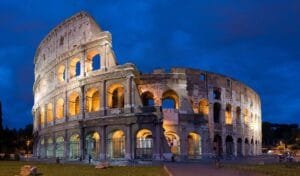
Start early at the Colosseum — book a timed entry on ticketing.colosseo.it (about €18 / roughly $20 standard, or €24 / about $26 for the Full Experience arena-floor add-on) for the 9:00 slot before the crowds and heat arrive. Your ticket also covers the adjacent Roman Forum and Palatine Hill, so walk straight through the Arch of Titus and spend the late morning among the ruins and the Palatine’s imperial views over the Circus Maximus. Climb the ramp to the Capitoline Hill and Michelangelo’s Piazza del Campidoglio, then step behind it for the free terrace over the whole Forum. For lunch, the Monti district just north is packed with trattorie — try a classic Roman cacio e pepe. Planning note: everything today is walkable, so skip taxis; the Colosseo Metro Line B stop drops you at the entrance if you’re coming from afar.
Day 2 — Vatican and Trastevere
Cross the Tiber to Vatican City, reserving a Vatican Museums slot online (about €20 plus a €5 booking fee, roughly $27 total) for the earliest morning entry to beat the queue that snakes along the walls by mid-day. Move through the galleries toward the Sistine Chapel, then use the interior shortcut some guided groups take straight into St. Peter’s Basilica (free entry; dress covered shoulders and knees or you’ll be turned away). Climb the dome cupola for a small fee if your legs allow — the Rome panorama is unmatched. In the afternoon, walk south along the river into Trastevere, the medieval-lane neighborhood around Piazza di Santa Maria in Trastevere. Linger over a plate of saltimbocca or a wood-fired pizza. Planning note: Tram 8 from Largo Argentina crosses right into Trastevere for a couple of euros if you’d rather ride than walk back.
Day 3 — Baroque Heart and Borghese
Begin in Rome’s Baroque core at the Pantheon (a few euros to enter the near-perfect ancient dome), then thread the alleys to Piazza Navona for Bernini’s Fountain of the Four Rivers. Toss a coin backward into the Trevi Fountain — arrive before 9:00 or after 8:00 pm to actually see the marble, as it’s mobbed midday — and climb the Spanish Steps nearby. Grab a mid-morning espresso standing at the bar (about €1.20, roughly $1.30) as Romans do; sitting doubles the price. In the afternoon head north to Villa Borghese park and the Galleria Borghese, which requires a mandatory timed reservation (about €18 / roughly $20) for a strict two-hour slot — book weeks ahead, as walk-ins are impossible. Planning note: for a farewell dinner, the Testaccio district south of the center serves Rome’s most authentic carbonara away from tourist markups.
Where to Stay in Rome
Choose a central neighborhood within walking distance of major sights — you’ll save hours of commute time over 3 days. Book 6-12 weeks ahead for best rates.
Budget Breakdown (3 Days)
Italy is rated Pricey in our Travel Cost Index 2026. Figures are country-level daily ranges per person and exclude international flights.
| Travel style | Per day | Total 3 days |
|---|---|---|
| Budget | $55-100 | $165-300 |
| Mid-range | $180-300 | $540-900 |
| Luxury | $450-700 | $1,350-2,100 |
Source: Packzup Travel Cost Index 2026 — country-level averages; city and peak-season prices run higher. Excludes international flights.
What to Pack
- Clothing: Comfortable broken-in shoes for cobblestones, plus covered shoulders and knees for St. Peter’s and other churches — carry a light scarf or layer. Summer means intense sun and heat; winter calls for a warm jacket and rain layer.
- Tech: Italy uses type C, F, and L plugs at 230V, so pack an adapter. Download Free Now for licensed taxis and Moovit or Citymapper for bus and metro routing.
- Documents: Italy is in the Schengen area — many nationalities enter visa-free, but check current rules as the ETIAS authorization phases in. Ensure passport validity beyond your departure date, and carry your passport: Colosseum tickets are named and may be ID-checked.
- Money: Italy uses the euro, and cards work almost everywhere in Rome — but keep small notes and coins for espresso bars, gelato, and church donations. Tipping is modest: a coperto cover charge often already appears on restaurant bills.
- Day bag: A refillable bottle for Rome’s free nasoni drinking fountains, a scarf or layer to cover shoulders and knees in churches, and comfortable soles for cobblestones.
Tips for a 3-Day Rome Trip
- Book the Borghese Gallery and Vatican Museums ahead: Borghese requires timed entry and often sells out a week or more ahead, while official Colosseum tickets can vanish days in advance during summer.
- Build in buffer time: Timed entries at the Colosseum, Vatican Museums, and Galleria Borghese generally won’t admit latecomers, so leave a generous gap between bookings for security lines, cobblestone walking, and Rome’s slow, worthwhile detours.
- Eat like a local: Skip menus near the Pantheon and eat in Testaccio or Trastevere: grab pizza al taglio or a suppli for lunch, then a cacio e pepe trattoria dinner.
- Travel insurance: $40-100 for 3 days. Covers medical, theft, cancellations.
- Get connected: EU roaming covers European SIMs; others should load an eSIM like Airalo or Holafly before landing, roughly 15-20 euros for a week, cheaper than Fiumicino airport kiosks.
The Sequencing Mistakes That Waste a Day in Rome
The single biggest error on a tight Rome trip is fighting the calendar instead of working with it. The Vatican Museums close on Sundays apart from the last Sunday of the month, when entry is free but the hours shrink to roughly 9 AM to 2 PM and the crowds are punishing. Slot your Vatican day onto a weekday and you avoid that whole trap. The Colosseum runs strict timed entry with a 15-minute arrival window, so build Day 1 around your booked slot rather than hoping to wander in.
Galleria Borghese catches people out the same way: it admits visitors only in fixed two-hour windows (9 to 11, 11 to 1, and so on), with no walk-up entry, and slots sell out well ahead. Reserve it before you fly.
For routing, lean on how compact the centro storico is. A few things worth knowing:
- The Pantheon and Piazza Navona sit under a 10-minute walk from the Trevi Fountain, so do all three in one loop.
- The Colosseum to the Trevi Fountain is about 1.6 km, a 20 to 25 minute walk, not a metro ride.
Skip the Pompeii day trip on three days; it eats 11 to 13 hours door to door. If you crave an escape, Tivoli is 47 to 70 minutes by train and leaves your evening intact.
Frequently Asked Questions
Is 3 days enough for Rome?
For first-time visitors, 3 days in Rome covers the main highlights without rushing. If you want to add day trips, slower pace, or hidden gems, plan 2-3 more days. 3 days is the minimum to feel you’ve truly seen Rome — anything less is a sampler.
How much will a 3-day Rome trip cost?
Using the Budget Breakdown table above, drawn from our Travel Cost Index 2026: Budget $55-100/day ($165-300 for 3 days), Mid-range $180-300/day ($540-900 for 3 days), Luxury $450-700/day ($1,350-2,100 for 3 days). Country-level averages, excluding international flights.
What’s the best time to do a 3-day Rome itinerary?
Shoulder seasons (just before/after peak) offer the best balance of weather, crowds, and price for Rome. Check the destination’s specific best-time guide for exact months. Avoid major local holidays which spike prices and crowd attractions.
How do I get around Rome?
Rome’s ATAC network covers metro lines A, B, and C plus buses and trams; a single BIT ticket costs about 1.50 euros and lasts 100 minutes, or you can tap a contactless card at metro turnstiles. Walking is often fastest in the centro storico. For taxis, use the Free Now app or official white cabs, since ride-hailing is limited mostly to premium Uber tiers.
What should I pack for 3 days in Rome?
Pack broken-in walking shoes for cobblestones and hills, plus layers: summers are hot and sunny, winters mild and sometimes rainy. Bring a scarf or light cover for shoulders and knees, required in St. Peter’s and many churches, and a refillable bottle for the free nasoni fountains.
Should I book hotels or use Airbnb in Rome?
For 3-day trips, hotels are usually better: easier check-in, daily housekeeping, no laundry expectations, included breakfast often. Airbnb/apartments make sense for stays of 5+ nights, families, or kitchen-focused travelers. Book central locations to save commute time.

Related Rome Travel Guides
- Best Things to Do in Rome
- Where to Stay in Rome
- Best Food in Rome
- Best Time to Visit Rome
- Rome Trip Cost Breakdown
Best time to visit Rome (real climate data)
Best months: April, June, September, October.
Rome’s warmest month is July (avg 34°C / 92°F), the coolest is January (low 3°C / 38°F). The wettest is November (194 mm) and the driest is July.
Source: Open-Meteo / WMO climate normals (WMO 1991–2020, or ERA5 2019–2023 where unavailable).
You Might Also Love


Written by
John Morrison is the founder and lead travel writer at Packzup. Over the past decade he has explored destinations across Africa, the Americas, Asia, Europe, the Middle East, and Oceania — always self-funded, never on a press trip.
Trip prep: before you travel, plan what to wear, check the tap water, sort your mobile data, and see if it is a cash or card country, and skim local etiquette.
Still deciding? Read our honest take: Is Rome worth visiting? The honest verdict
