
Last updated September 8, 2026 · Editorial policy
Northern Lights viewing is part lottery, part geography. The closer to the Arctic Circle + the longer the darkness + the clearer the skies, the better your odds. We’ve ranked the 8 best aurora destina…
Northern Lights viewing is part lottery, part geography. The closer to the Arctic Circle + the longer the darkness + the clearer the skies, the better your odds. We’ve ranked the 8 best aurora destinations by reliability, infrastructure, and what you can do during the day. Here’s the honest breakdown.
Ranked: top 8 destinations
Detailed picks
Tromsø, Norway
Best months: Jun–Aug · 14–21°C days · rainy (climate data)
Best for: First-time aurora chasers. 68° N latitude, mild climate (Gulf Stream), excellent infrastructure. Stay 4+ nights for reliable sightings.
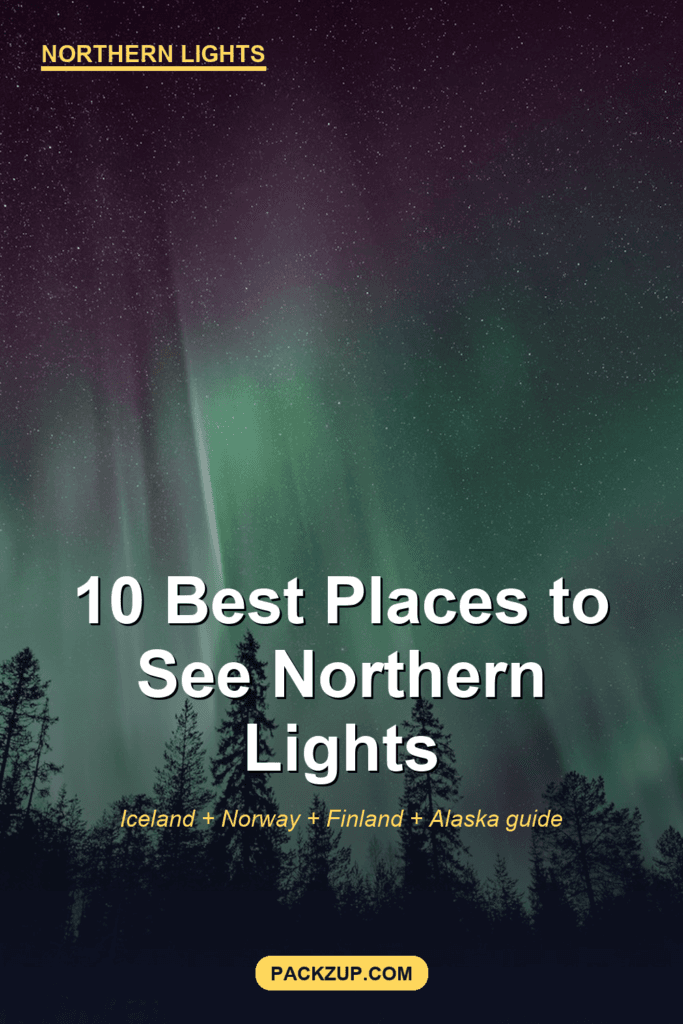
Read the full Tromsø, Norway guide →
Abisko, Sweden
Best for: Most reliable clear skies. Inside Sweden’s Aurora Sky Station. Sits in a microclimate that consistently has clearer skies than surrounding regions.
Read the full Abisko, Sweden guide →
Reykjavik & Vik, Iceland
Best months: Jun–Aug · 9–13°C days · rainy (climate data)
Best for: Aurora + dramatic landscapes. Drive south coast for the most photogenic aurora over waterfalls, black sand beaches, glaciers.
Read the full Reykjavik & Vik, Iceland guide →
Rovaniemi & Lapland, Finland
Best for: Aurora + Santa Claus Village + glass igloos. Stay at Kakslauttanen for glass igloo aurora viewing. Family-friendly.
Read the full Rovaniemi & Lapland, Finland guide →
Yellowknife, Canada
Best for: Statistically most aurora nights per year. Sits directly under the auroral oval. 240+ aurora nights per year average.
Read the full Yellowknife, Canada guide →
Murmansk, Russia (when accessible)
Best for: Highest latitude European aurora. Above the Arctic Circle. Geographic access depends on current restrictions.
Fairbanks, Alaska
Best for: Combining with national park access. Two-week stays give ~90% chance of seeing aurora. Excellent dark-sky reserves.
Senja Island, Norway
Best months: Jun–Aug · 14–21°C days · rainy (climate data)
Best for: Smaller crowds than Tromsø. Off-the-beaten-track in Norway. Wild coastal scenery for daytime exploration.
Read the full Senja Island, Norway guide →
A local planning note
If you want maximum aurora odds at the lowest cost, target late January through early February at Tromsø, Norway. Mid-winter darkness (sun barely rises), low cloud cover statistically, and 4-night stays at affordable apartments (NOK 800-1200/night). Skip the famous Aurora Sky Station unless your trip pivots around photography — most guests see aurora cheaper via local Tromsø tours.
Frequently asked questions
When are Northern Lights visible in Europe?
September through March, with peak viewing November-February. Stay at least 4 nights to give yourself realistic odds (~75% for 4 nights at high latitude).
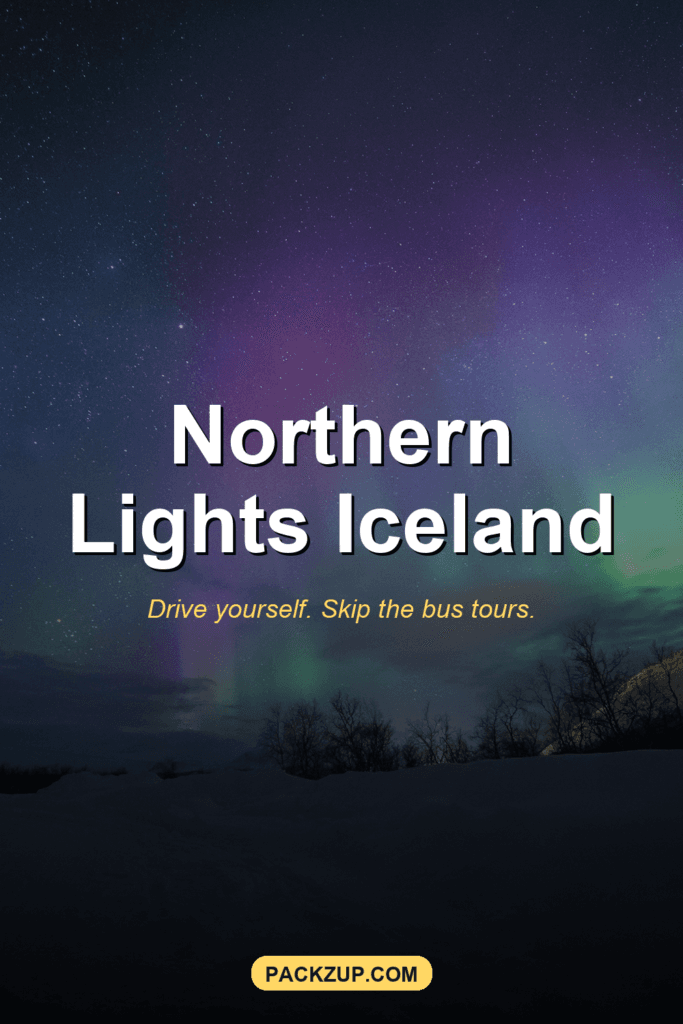
Where are Northern Lights most reliable?
Abisko, Sweden (clear-sky microclimate), Tromsø, Norway (excellent infrastructure), and Yellowknife, Canada (240+ aurora nights/year).
How long do I need to stay to see aurora?
Minimum 4 nights at high latitude (above 66° N). 7+ nights gives 90%+ odds. Single-night chances are roughly 30-40%.
What’s the best time of night to see aurora?
Statistically 10pm-2am local time. KP index over 3 = good odds. Use a forecast app like My Aurora Forecast.
Should I take a guided aurora tour?
Yes for first-timers — guides know where clouds are clear and how to do long-exposure photography. Most Tromsø tours are $100-200 for 4-6 hours including transport from clouds.
Plan your trip
You Might Also Love

Written by
John Morrison is the founder and lead travel writer at Packzup. Over the past decade he has explored destinations across Africa, the Americas, Asia, Europe, the Middle East, and Oceania — always self-funded, never on a press trip.
