
Last updated September 2, 2026 · Editorial policy
Faroe Islands sits in the premium tier of travel destinations, where high prices are the default — even basic costs are higher than most travellers expect. This page breaks down what an honest daily budget actually looks like, where the costs concentrate, and which line items are worth spending up on. The numbers below assume a mid-range traveller in Faroe Islands: adjust upward or downward based on your own travel style.
Daily budget for Faroe Islands, by traveller style
| Travel style | Daily budget (USD) | What that gets you |
|---|---|---|
| Shoestring | $120–180/day | Hostels or budget guesthouses, mostly self-catered or street food, public transport, free or low-cost activities. |
| Comfortable mid-range | $220–400/day | Private room in a mid-range hotel or guesthouse, casual sit-down restaurants, mix of public transport and occasional taxis, paid attractions as the trip allows. |
| Premium | $500+/day | Well-located hotels with character, the better local restaurants, taxis or rentals as default, curated experiences and guided tours. |
Where the daily cost goes
- Accommodation: $150–450 (good hotels, well-located boutique) per night, depending on location and season.
- Meals: $25–80 (mid-range restaurant scene to fine dining) per meal, with strong variation between local-style spots and tourist-facing restaurants.
- Local transport: $20–60/day (taxis, premium transit, occasional rentals), more if you take long-distance day trips.
- Activities: $40–150 (curated tours, signature experiences), with the bigger-ticket items (guided tours, multi-day excursions) running higher.
Sample 6-day Faroe Islands budget
At the comfortable mid-range tier, a 6-day trip to Faroe Islands typically lands between $1,320 and $2,400 per person. Excluding international flights. That covers accommodation, food, local transport, and a typical mix of paid attractions and unscheduled meals.
Where to save without compromising the trip
In premium destinations, the biggest variable is accommodation. Moving from the top-tier hotels to a well-chosen mid-tier option can halve that line without much loss in experience quality. The other lever is meals: the destination’s best chefs often run more affordable bistros or lunch counters where the cooking is similar and the cost is one-third. Activities that are ‘worth visiting’ on every itinerary are often the worst value; the most-rewarding experiences tend to be smaller, less-promoted ones.
Where to splurge well
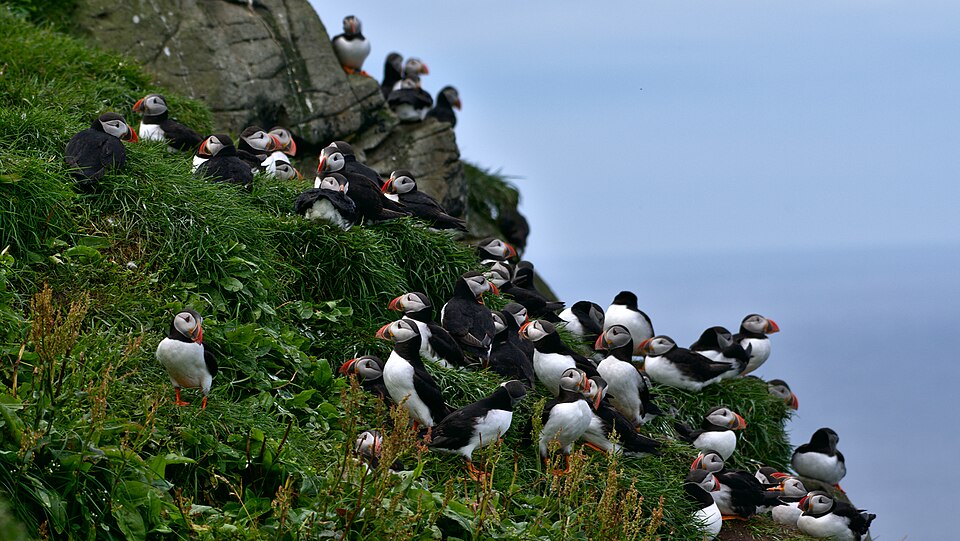
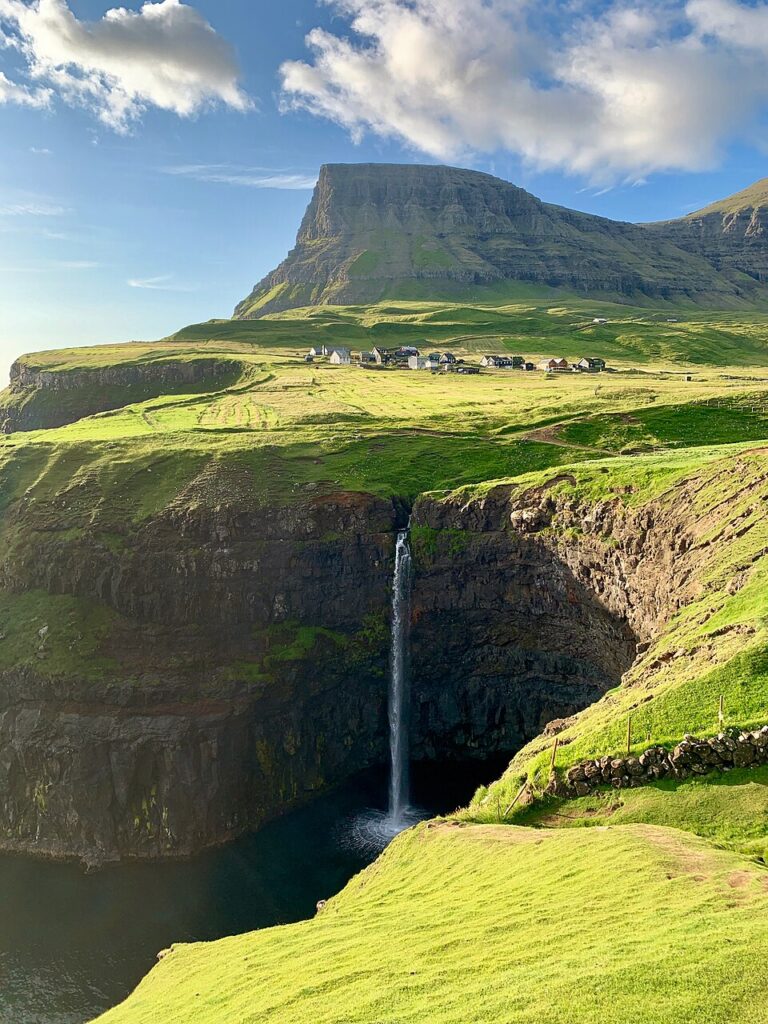
If you’re going to spend up on one thing in Faroe Islands, base it on the destination’s strongest signature: nature. A single high-quality experience tied to that — a meal, a guided cultural session, a specialist tour, a one-night upgrade — is usually the line item travellers remember years later. The rest of the trip can stay at the comfortable mid-range.
When prices fall
Accommodation and activity pricing in Faroe Islands is lowest in the months outside its best window. The most reliable months for Faroe Islands are June–August; everything outside that range typically drops 20–40% on accommodation. The trade-off is weather or crowd density. Sometimes both. See the best-time guide for the specifics.
Quick facts
- Budget tier: Premium
- Currency / country: Faroe Islands
- Recommended trip length: 5-7d
- Best months for value-to-experience ratio: June–August
Keep planning
For the full guide, see the Faroe Islands travel guide. For seasonal timing and price-drop windows, the month-by-month guide goes deeper. To compare Faroe Islands’s pricing against another destination side by side, use the interactive comparison tool.
Other destinations in the region
The Two-Tier Daily Budget, Plus the Faroese Costs That Sneak Up on You
Two honest daily numbers frame a Faroe trip in 2026. A true shoestring runs about $90-110/day: a hostel dorm bed (under DKK 300, roughly $43, in summer; as low as DKK 100 off-season), groceries and a packed lunch, and public buses where a single adult fare is only DKK 75-90 (about $11-13). A comfortable day sits closer to $200-260: a budget guesthouse at DKK 750-1000 (about $108-145), one restaurant meal, and a share of a rental car, which starts around $100-110/day in summer and spikes near $197/day in peak July. Over a typical 6-day visit that pencils out to about $540-660 shoestring or $1,200-1,560 comfortable, before international flights.
The costs travelers miss: from 1 February 2026 every visitor aged 16+ pays a DKK 20 (about $3) per-night sustainability fee on paid stays. The Faroes sit outside Schengen, so a Schengen or Danish visa does not cover them and ETIAS does not apply; visa-required nationals need a permit specifically endorsed for the Faroe Islands. Tipping is not expected because service is included.
- Buy the 7-day travel card (DKK 700, about $100) instead of single bus tickets and skip a rental car for a few days; the saving can top $300 over a week.
- Take the standard SSL ferry to Mykines at DKK 100 (about $14) each way rather than a guided sightseeing return near DKK 600, saving roughly $58 per person.
- Pay by card everywhere (accepted at cafes, taxis and petrol stations) to dodge cash-withdrawal and FX fees on an island where ATMs are scarce.
Frequently Asked Questions
Is Faroe Islands Travel expensive to visit?
Cost depends on your travel style and timing. By the daily budget table on this page, Faroe Islands Travel Budget runs shoestring $120-180/day, comfortable mid-range $220-400/day, premium $500+/day. Shoulder season offers the best value-to-experience ratio.
How can I save money in Faroe Islands Travel?
Key savings strategies include traveling in shoulder season, eating at local spots instead of tourist restaurants, using public transportation, and booking activities directly rather than through hotel concierges. Free walking tours are available in most major destinations.
What is the cheapest way to get to Faroe Islands Travel?
Compare flights across multiple airlines and booking platforms. Flying midweek and during off-peak months typically yields the lowest fares. Consider nearby alternate airports and budget carriers for additional savings.
Should I exchange money before arriving in Faroe Islands Travel?
Exchange a small amount for immediate expenses, then use ATMs locally for better rates. Avoid airport exchange counters which typically charge 5-10% more. A travel credit card with no foreign transaction fees is ideal for larger purchases.
Eating your way around the islands? Faroe Islands Food Guide
Is it expensive to visit the Faroe Islands?
Honestly, yes. Prices here sit at Nordic levels, and even careful travellers should plan on $100-180 a day, rising to $220-400 for mid-range comfort. A pint of beer in a Torshavn pub runs about DKK 60-70 (roughly $9-11), and a restaurant meal typically costs $25-80. Driving adds a cost many visitors miss: the subsea tunnels are tolled. The older tunnels to Vagar and Klaksvik work out at about DKK 100 for a return trip, while the newer Eysturoy and Sandoy tunnels charge DKK 175 each way for a car at the standard rate. Cameras read your number plate as you drive through, and rental companies bill the tolls to you afterwards, so factor them into your route planning.
The encouraging part is that the two biggest costs, beds and food, are also the easiest to trim. A budget guesthouse costs DKK 750-1000 per night (about $110-155), roughly half the price of a mid-range hotel, and most include a shared kitchen, so buying groceries and self-catering most meals cuts your food spend to a fraction of restaurant prices. Hostel dorm beds go for under DKK 300 (around $45) in summer. Pair a self-catered guesthouse with packed lunches for hiking days and the trip stays firmly at the lower end of the daily budget range.
Not sure where you can afford to go? Try our Travel Budget Finder — enter your budget and see which of 200 countries fit, or estimate a trip cost by country.
You Might Also Love




Written by
Drew Treasury is a contributing travel writer at Packzup, specialising in city culture, food markets, street art, and neighbourhood-level travel.
Working out the money? Check whether your destination is a cash or card country, how much to bring, and how to dodge ATM fees and the DCC trap.
