Quick Answer
The best natural hot springs in the USA include Chena in Alaska, Glenwood and Strawberry Park in Colorado, Travertine in California, Ojo Caliente in New Mexico and Umpqua in Oregon. Some are developed resorts; others are free, wild and require care.
American hot springs split into two kinds: developed resorts with changing rooms and lifeguards, and wild pools at the end of a trail with no facilities and no supervision. Both are worth seeking out, but they ask different things of you.
10 Natural Hot Springs Worth the Trip
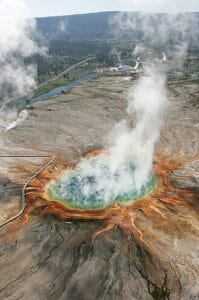
1. Yellowstone's Boiling River and Firehole area, Wyoming
Soaking rules in Yellowstone change with conditions and closures are common. Never enter thermal water outside designated areas — people have died doing so.
2. Chena Hot Springs, Alaska
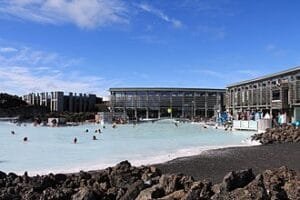
An outdoor rock lake near Fairbanks, and one of the best places in the country to soak under the aurora.
3. Glenwood Hot Springs, Colorado
One of the largest mineral pools in the world, developed and family-friendly, right off I-70.
4. Strawberry Park, Colorado
Stone-terraced pools outside Steamboat Springs, reached by a rough road in winter. Adults-only after dark.
5. Travertine Hot Springs, California
Free, undeveloped pools above Bridgeport with a long view to the Sierra Nevada.
6. Ojo Caliente, New Mexico
A historic resort with several mineral waters — lithia, iron, soda and arsenic — each in its own pool.
7. Umpqua Hot Springs, Oregon
Terraced pools on a bluff above the North Umpqua River, up a short steep trail.
8. Bagby Hot Springs, Oregon
Hollowed-log tubs in old-growth forest, an hour and a half from Portland plus a mile-and-a-half walk.
9. Hot Springs National Park, Arkansas
The country’s oldest protected thermal site, where you soak in restored 19th-century bathhouses rather than outdoors.
10. Goldmyer, Washington
Strictly limited daily numbers by advance reservation only, deep in forest east of Seattle — among the best-managed wild springs anywhere.
Safety first, and this is not boilerplate. Water temperature at undeveloped springs is not regulated and can scald — test before entering, every time. Never soak alone, never soak after drinking, and never enter thermal features in Yellowstone or any geyser basin outside marked areas: the ground can be a thin crust over boiling water, and this has killed visitors. Check current closures with the managing agency before you drive.
Wild-spring etiquette
Rinse off before getting in, and use no soap or shampoo in or near the water — it destroys the microbial mats that make these systems work. Pack out everything, including bottle caps and food scraps. Many wild springs are clothing-optional by long custom; read the room and do not photograph other bathers. Numbers are the main threat to these places, so go midweek, keep groups small, and if a pool is full, wait or move on rather than crowding in.
Practicalities: bring water (soaking dehydrates you fast), sandals for sharp rock, a headlamp, and a towel you do not mind losing. Rare but serious infections are associated with hot springs — keep your head above water and do not submerge your face.
Frequently Asked Questions
Can you soak in Yellowstone’s hot springs?
Only in specifically designated areas, and rules change with conditions. Entering thermal features elsewhere is prohibited and has killed people.
Which US hot spring is best for the northern lights?
Chena Hot Springs near Fairbanks, Alaska.
Are wild hot springs free?
Usually yes — Travertine, Umpqua and Bagby among them, though some require a parking pass or advance reservation.