
Last updated August 27, 2026 · Editorial policy
- Cost comparison: what a day actually costs
- Beaches: Tulum wins on beauty, Playa wins on convenience
- Food: everyday eating vs statement dinners
- Nightlife: bar crawls vs beach parties
- Cenotes, ruins and day trips
- Layout and where to stay (this quietly decides your trip)
- Crowds, hassle and the seaweed question
- Weather and when to go
- Getting there and around
- Tulum or Playa del Carmen: the honest verdict
- FAQ
Tulum and Playa del Carmen sit about 40 miles apart on the same stretch of Mexico’s Riviera Maya, share the same turquoise Caribbean water, and show up in the same flight deals out of Cancun. That is roughly where the similarities end. One is a spread-out, image-conscious boho resort strip where the famous beach is a taxi ride from the actual town; the other is a dense, walkable beach city with a mile-long party street running through the middle of it. Travelers constantly book one expecting the other, and it is the single most common regret we hear about from this coast.
We have based ourselves in both, ridden the colectivo vans between them more times than we can count, and paid both the $2 street-taco bill and the $18 beach-club-cocktail bill. What follows is the comparison we give friends: no sponsorships, no sugar-coating, and a clear recommendation for every type of traveler at the end.
| Category | Tulum | Playa del Carmen | Winner |
|---|---|---|---|
| Beaches | Wilder and more beautiful, harder to access | Convenient town beaches, busier backdrop | Tulum |
| Food scene | Cheap pueblo tacos or pricey concept dining | Huge range at every price point | Playa del Carmen |
| Nightlife | Beach-club parties and DJ events | Walkable bar crawls on Quinta Avenida | Playa del Carmen |
| Cenotes & day trips | Ruins, cenotes and Sian Ka’an on the doorstep | Cozumel ferry and eco-parks nearby | Tulum |
| Getting around | Spread out; bikes and pricey taxis | Flat, walkable grid | Playa del Carmen |
| Vibe | Boho-luxe, wellness, Instagram-forward | Lively, international beach city | Tie — pick your flavor |
| Crowds & hassle | Photo crowds and sticker shock | Persistent hawkers on Quinta | Tie |
| Value for money | Weak in the beach zone | Strong at every budget | Playa del Carmen |
Cost comparison: what a day actually costs
Playa del Carmen is meaningfully cheaper at every level, and it is not close. A realistic shoestring day in Playa — hostel dorm, tacos and fruit from side-street stands, an afternoon on the free public beach, an evening beer somewhere off Quinta — lands around $45–75 USD. The same style of day in Tulum runs $60–100, mostly because beds cost more and you will eventually pay for transport, since almost nothing in Tulum is next to anything else.
Mid-range is where the gap gets silly. In Playa, $100–180 a day buys a stylish hotel a couple of blocks from the sand, sit-down dinners and a ferry ticket to Cozumel. In Tulum, budget $150–300: rooms anywhere near the beach carry a heavy premium, cocktails at the beach clubs commonly run $12–18, and many clubs ask a minimum spend somewhere in the $20–50 range just to occupy a lounger for the day. Taxis compound it — short hops that would be a pleasant walk in Playa cost $10–20 in Tulum, and a normal day involves several.
Luxury exists in both towns, but Tulum’s top end — private plunge pools, jungle spas, tasting menus — sails past $400 a day without trying. The consolation prize is that cheap eats in Tulum’s pueblo, the workaday town center a couple of miles inland, are every bit as good and as cheap as Playa’s. Zoom out, though, and this whole coast is still strong value by Caribbean standards; affordability is a big part of why the country performs so well in our Argentina vs Mexico matchup.
Beaches: Tulum wins on beauty, Playa wins on convenience
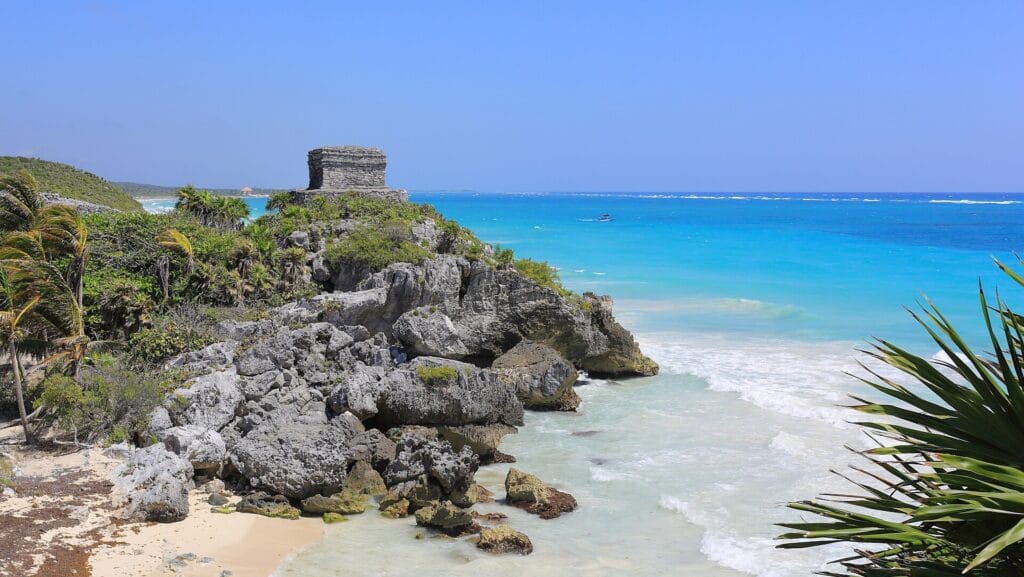
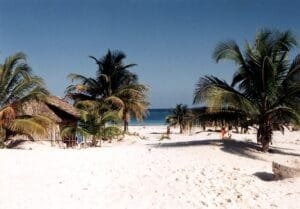
Let’s not pretend this one is close on looks. Tulum’s beach is the postcard: powdery white sand, leaning palms, jungle instead of high-rises behind you, and Maya ruins perched on a cliff at the north end. Playa Paraíso and the public stretches near the ruins are about as photogenic as the Caribbean gets. The catch is access. Long sections of the best sand are fronted by hotels and beach clubs, so unless you are staying on the beach road or willing to pay a club’s minimum spend, you are funneled into a handful of public entry points — and getting there from town costs money every single time.
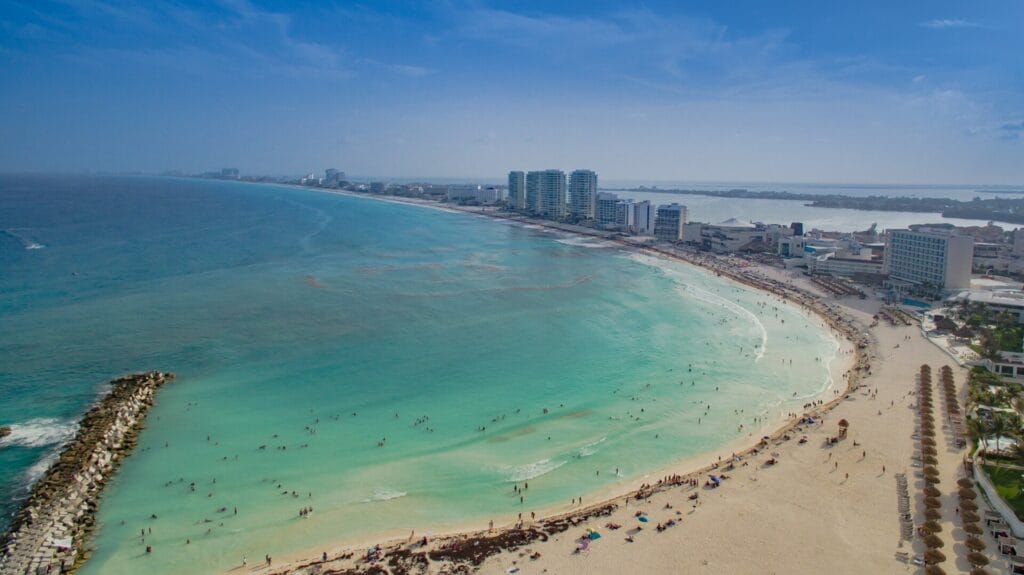
Playa’s beach will never win the photo contest. It is wide and pleasant, but you are looking back at hotels and condos, the ferry pier cuts the shoreline in half, and the central sections fill up by late morning. What it offers instead is frictionlessness: you can walk from your room to the water in five minutes, drop your towel, and wander back to a restaurant for lunch without spending a peso on transport. The quieter, prettier stretch runs south toward Playacar. Decide what you actually do at a beach — admire it or use it — and this category picks itself.
Food: everyday eating vs statement dinners
Playa del Carmen is the better food town, full stop. Its advantage is range: cheap tacos al pastor a couple of streets back from Quinta, bargain set-lunch spots, mid-priced Italian, Argentine grills feeding the sizable expat population, and a respectable top end. You can eat well and differently every single day for a week without repeating a price bracket.
Tulum’s scene has a split personality. In the pueblo, the taquerias and market stalls are excellent, local and cheap. On the beach road, dining is concept-driven — open-fire kitchens, plant-based menus, candlelit jungle settings and mezcal lists as long as your arm — and priced like a destination wedding. Some of those dinners are genuinely memorable; that style of cooking is the reason food-focused travelers still defend Tulum. But as a place to simply eat for a week, Playa wins comfortably. Tulum is where you book the one blow-out dinner of the trip.
Nightlife: bar crawls vs beach parties
These are two different sports. Playa’s nightlife is dense and walkable: Quinta Avenida and the streets around Calle 12 stack sports bars, rooftop lounges, salsa spots and proper clubs within stumbling distance of most hotels. It goes late every night of the week in high season, and you never need a taxi home.
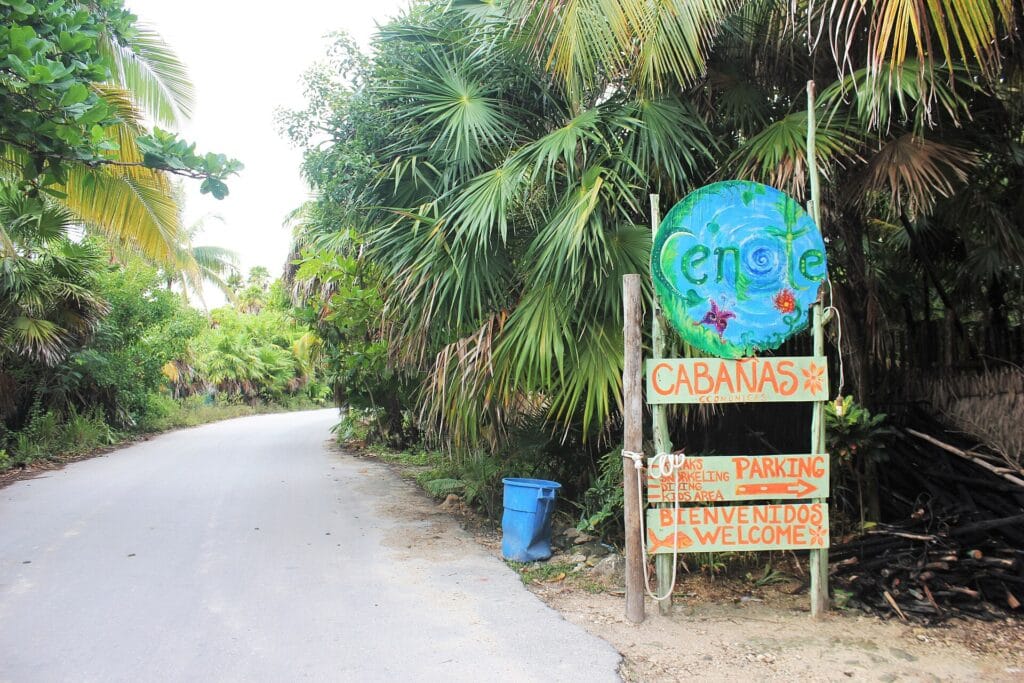
Tulum’s nightlife is event-based. Beach clubs run DJ sessions at sunset, the festival stretch around New Year draws international names, and the setting — a dance floor on the sand with jungle at your back — is hard to top anywhere in the world. It is also expensive: covers can sting, drinks are resort-priced, and you will pay for taxis both ways. For casually going out most nights, choose Playa. For one legendary night you will talk about for years, Tulum.
Cenotes, ruins and day trips
Tulum is the better base for nature. The clifftop Tulum ruins are effectively in town; Gran Cenote and the Dos Ojos cave system are a short ride away; the Coba ruins, with a far wilder jungle setting, sit under an hour inland; and the Sian Ka’an biosphere reserve — lagoons, mangroves, dolphins — begins just south of the beach road. You could fill five days with world-class swimming and archaeology without ever traveling more than an hour.
Playa counters with the ferry pier in the middle of town: Cozumel, one of the Caribbean’s best diving and snorkeling islands, is about 45 minutes across the channel. The big eco-parks such as Xcaret and Xel-Há sit just outside town, and Akumal’s turtle-filled bay lies between the two towns, reachable by colectivo from either. Chichén Itzá is a long but doable day trip from both. For sheer density of natural wonders, Tulum takes it; for an easy island fix and organized family days, Playa.
Layout and where to stay (this quietly decides your trip)
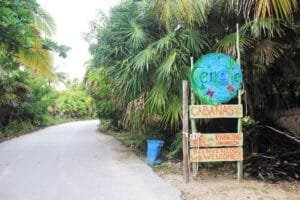
This is the thing brochures never explain. Tulum is really two separate places: the pueblo — the real, affordable Mexican town on the highway — and the beach zone, a single narrow road along the sand, ten to fifteen minutes’ drive away with almost nothing walkable in between. Stay in the pueblo and every beach day involves a bike ride or a taxi; stay on the beach and every cheap meal does. Aldea Zama, a planned district in the middle, splits the difference without fully solving it.
Playa del Carmen is a simple grid. Book anything within half a dozen blocks of Quinta Avenida and a short walk of the pier, and the beach, a hundred restaurants and the nightlife are all on foot — just sleep a few blocks off Quinta itself unless you enjoy hearing bass through the walls. For travelers who hate logistics, this one section is the entire argument.
Crowds, hassle and the seaweed question
Neither town is a secret, so calibrate expectations. Playa’s version of hassle is the Quinta gauntlet — shop touts and tour sellers working every block — plus a rowdy spring-break influx in March. Tulum’s version is subtler: photo queues at the famous spots by mid-morning, construction noise from relentless development, and the low-grade irritation of resort pricing in a place that markets itself as a bohemian village.
Then there is sargassum, the brown seaweed that periodically blankets the whole Riviera Maya. It affects both towns equally, varies wildly by week and by year, and is usually at its worst from late spring through summer. Hotels rake their beaches daily, but in a bad stretch nobody outruns it — check recent traveler reports for the exact weeks you are considering before locking anything in.
Weather and when to go
The two share a climate, so the timing logic is identical. December through April is the dry season: sunny days in the 80s Fahrenheit, lower humidity, and peak prices — Tulum’s festival stretch around Christmas and New Year is the most expensive week on the entire coast. May through October turns hot and sticky with afternoon downpours, in exchange for the year’s best hotel rates.
Hurricane season officially runs June through November and is most active from roughly August to October; direct hits are rare, but travel insurance is cheap peace of mind. Our favorite windows are late November to mid-December and the shoulder weeks of late April and May — dry-season weather at something closer to low-season prices.
Getting there and around
Most travelers still fly into Cancun (CUN). From the airport, ADO buses run direct to Playa del Carmen in about an hour and to Tulum in about two, for roughly $10–20. Tulum now has its own international airport (TQO) south of town with a growing list of direct routes — worth a price check, especially from North American hubs — and the Maya Train links the corridor as well. If you are combining the coast with the capital, flights are short and frequent; our guide to things to do in Mexico City covers that leg of the trip.
Between the two towns, colectivo vans shuttle along Highway 307 every few minutes for a few dollars, taking 45–60 minutes — which is exactly why day-tripping from one to the other works so well. In town, Playa is a walking city, full stop. Tulum runs on bikes (it is flat, and most hotels rent them) and taxis, whose pricing is the coast’s most reliable complaint: agree the fare before you get in, every time. A rental car earns its keep mainly on cenote-hopping days.
Tulum or Playa del Carmen: the honest verdict
Budget travelers: Playa del Carmen, and it is not a debate. Your money goes dramatically further for comparable comfort, and the walkability quietly saves another chunk in transport costs.
Foodies: Playa for the week, Tulum for a night. Playa feeds you better across seven days at every price; Tulum’s beach-road kitchens deliver the single most memorable dinner — book one splurge if the budget allows.
Beach purists: Tulum. Playa’s beach is perfectly fine; Tulum’s is one of the most beautiful in the Americas, and if lying on spectacular sand is the point of the trip, pay the premium and don’t look back.
First-timers: Playa del Carmen. Easy logistics, everything on foot, effortless day trips — including to Tulum itself. (Still deciding between countries rather than towns? Our Colombia vs Mexico comparison tackles that bigger fork in the road.)
Nightlife seekers: Playa for going out every night; Tulum if the trip is built around one festival-style blowout. Couples and honeymooners with room in the budget: Tulum, no hesitation — the aesthetic is the product, and it genuinely works. Families: Playa, for the grid, the eco-parks and the stroller-friendly everything.
Forced to choose one base for most travelers, we say Playa del Carmen — then ride the colectivo down to Tulum for a day of ruins, cenotes and the famous beach. You get Tulum’s greatest hits without paying Tulum prices for seven straight nights. Flip that advice only if the boho-wellness scene is the trip rather than the backdrop.
FAQ
How far apart are Tulum and Playa del Carmen, and can I visit both?
Is Tulum more expensive than Playa del Carmen?
Which has better beaches, Tulum or Playa del Carmen?
Which is better for families with kids?
Planning the trip? Go deeper with best time to visit Tulum.
You Might Also Love


Written by
John Morrison is the founder and lead travel writer at Packzup. Over the past decade he has explored destinations across Africa, the Americas, Asia, Europe, the Middle East, and Oceania — always self-funded, never on a press trip.
