Last updated August 13, 2026 · Editorial policy
- 10-Day Tanzania Safari Itinerary: A Day-by-Day Travel Plan
- Tanzania Safari Itinerary at a Glance
- Day-by-Day Itinerary
- Where to Stay in Tanzania Safari
- Budget Breakdown (10 Days)
- What to Pack
- Tips for a 10-Day Tanzania Safari Trip
- Routing Mistakes That Waste Safari Days (and How to Sequence the Northern Circuit)
- Frequently Asked Questions
- Related Articles
10-Day Tanzania Safari Itinerary: A Day-by-Day Travel Plan
Quick answer: This 10-day Tanzania Safari itinerary covers the must-see highlights without rushing, with detailed day-by-day plans, restaurant recommendations, and budget guidance.
Best for: First-time visitors who want to maximize sightseeing while still tasting local culture.
Planning a 10-day trip to Tanzania Safari? This itinerary is built from a first-time-visitor perspective: hit the icons, eat the best food, and finish with one or two memorable experiences locals would recommend. Each day mixes a major sight, food stops, and downtime — no death marches, no missing highlights.
Tanzania Safari Itinerary at a Glance
| Day | Focus |
|---|---|
| Day 1 | Arrival in Arusha |
| Day 2 | Baobabs & Elephants |
| Day 3 | Manyara & the Rift |
| Day 4 | Into the Crater |
| Day 5 | Central Serengeti |
| Day 6 | Seronera Big Cats |
| Day 7 | Northern Plains Drive |
| Day 8 | Fly to Zanzibar |
| Day 9 | Islands & Spice |
| Day 10 | Nungwi Beach Finale |
Day-by-Day Itinerary
Day 1 — Arrival in Arusha
Land at Kilimanjaro International Airport (JRO), roughly 45 minutes by road from Arusha — most safari transfers are pre-arranged, so confirm your driver holds a name board at arrivals. Tanzania requires a visa; US passport holders must buy the US$100 multiple-entry e-visa online in advance (most other nationalities pay about US$50 single-entry), which spares you the airport queue. Settle into a lodge in the leafy suburbs around Usa River or central Arusha to shake off the flight. If you land early, wander the Central Market for Maasai beadwork and cloves, or sip Tanzanian-grown coffee at a cafe along Sokoine Road. Change a little cash into shillings (roughly 2,600 TZS to the dollar) for tips and market stalls, though lodges take cards. Insider tip: pick up a local SIM or eSIM here — Vodacom and Airtel both sell tourist data bundles for about 20,000 TZS (US$8), and you will have patchy signal once you reach the parks. Early night; the real journey begins tomorrow.
Day 2 — Baobabs & Elephants
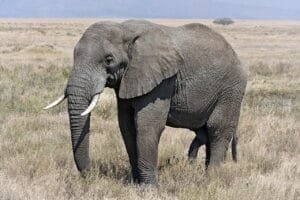
After breakfast your guide points the Land Cruiser southwest to Tarangire National Park, a two-to-three-hour drive from Arusha. Entry runs about US$59 per adult per day in peak season, paid electronically at the gate (no cash). Tarangire is elephant country — herds here are among the largest in Tanzania — and the landscape is stitched with ancient baobab trees, some centuries old, their swollen trunks looming over the tawny grass. Follow the Tarangire River, the park’s dry-season lifeline, where zebra, wildebeest, giraffe and buffalo gather to drink; keep watch for pythons draped in the branches and, if you are lucky, a leopard. A picnic lunch under the acacias is standard, so pack sunscreen and a hat. Insider tip: the pull-off at Silale Swamp in the park’s south rewards patience with buffalo, lion and abundant birdlife away from the busier northern loops. Overnight at a lodge near the park or en route toward Karatu.
Day 3 — Manyara & the Rift
Roll north toward the Great Rift Valley escarpment and Lake Manyara National Park, a compact but scenery-rich reserve tucked beneath towering red cliffs. Entry is around US$59 per adult in high season. Manyara is famous for its elusive tree-climbing lions, draped over acacia limbs, and for the alkaline lake that draws flocks of flamingos and pelicans, tinting the shallows pink in good water years. Groundwater forest near the gate shelters troops of baboons and blue monkeys; hippos wallow at the northern pools. Break for lunch in Mto wa Mbu, a genuinely multicultural farming village where a guided walking or bicycle tour (roughly US$25–35) takes you through banana groves, rice paddies and a local market. Insider tip: order a plate of nyama choma (grilled meat) with ugali at a village eatery — it is the honest Tanzanian roadside meal. Climb the escarpment to overnight in cool, coffee-growing Karatu.
Day 4 — Into the Crater
Rise before dawn for the descent into the Ngorongoro Crater, the world’s largest intact volcanic caldera and a UNESCO World Heritage Site. Conservation-area entry is about US$70.80 per adult, plus a US$295-per-vehicle crater descent fee — steep, but this is one of Africa’s densest concentrations of wildlife. On the 260-square-kilometre crater floor you have a real chance at the Big Five in a single morning: resident lions, elephants with heavy tusks, buffalo and, in the Lerai Forest and swamp margins, the critically endangered black rhino. Flamingos wade in Lake Magadi. Descend early; the light is best and afternoons can cloud over on the rim. Bring layers — the rim sits above 2,200 metres and mornings are genuinely cold. Insider tip: the crater floor has only a few designated stopping points, so use the Ngoitokitok picnic site near the spring for lunch, but guard your food — the black kites here are notorious snatchers. Overnight near Karatu or begin toward the Serengeti.
Day 5 — Central Serengeti
Today you cross into the Serengeti National Park, whose name comes from the Maasai siringet, meaning endless plains. From Ngorongoro it is roughly a two-hour drive to the Naabi Hill Gate, where you pay park entry of about US$83 per adult per day; climb the small kopje at the gate for a first sweeping view of the grasslands. Push on into the Seronera region in the central Serengeti, the park’s wildlife-rich heart, laced with rivers and granite outcrops (kopjes) that big cats love as lookouts and shade. Afternoon game drives here routinely turn up lion prides, giraffe, topi and, along the Seronera River, leopards lounging in sausage trees. If your dates fall between roughly December and March, the great herds may be calving on the southern plains near Ndutu. Insider tip: ask your guide about a dawn hot-air balloon safari (booked ahead, around US$599 per person) — drifting over the plains at sunrise is unforgettable. Overnight at a central Serengeti camp.
Day 6 — Seronera Big Cats
A full day to explore the Seronera Valley and its surrounds, the classic big-cat theatre of the central Serengeti. Set out at first light when predators are still active — lions finishing a hunt, cheetahs scanning the plains from a termite mound, hyenas trotting home. The scattered granite kopjes (Simba, Maasai and others) are reliable spots to find lounging lions and, with a sharp-eyed guide, leopards. Watch the skies too: martial eagles, secretary birds and lilac-breasted rollers are everywhere. A midday break at a picnic site or your camp lets the heat pass while wildlife rests, then head out again for the golden late-afternoon light. This is unhurried safari — no long transfers, just time in the field. Insider tip: tip your guide-driver fairly at the trip’s end — roughly US$20–25 per guest per day is the customary range in Tanzania, and a skilled tracker earns it. Second night in the central Serengeti.
Day 7 — Northern Plains Drive
Devote today to a wider Serengeti drive, tailoring the route to the season and the migration’s whereabouts. Between roughly July and October the herds mass in the Northern Serengeti near the Mara River, where wildebeest and zebra brave crocodile-laden crossings — one of the planet’s great wildlife spectacles, though timing is never guaranteed. Earlier in the year the action shifts south and west toward the Grumeti River and Ndutu. If you are staying central, a long loop toward the Moru Kopjes can turn up black rhino, rock hyrax and ancient Maasai rock paintings. Distances up north are real — a transfer to the Kogatende area can take several hours — so discuss the plan with your guide the night before and pack a packed lunch. Insider tip: keep your camera on a fast shutter and low ISO for the crossings; the action erupts without warning. Final night under Serengeti skies.
Day 8 — Fly to Zanzibar
Trade the plains for the Indian Ocean. Most itineraries use a light-aircraft transfer from a Serengeti airstrip such as Seronera to Zanzibar (ZNZ), typically via a short stop, taking a couple of hours versus a punishing full-day drive; carriers like Coastal Aviation and Auric Air run daily hops, with fares commonly a few hundred US dollars and a strict soft-bag baggage limit (usually 15 kg). Landing on the spice island, transfer into Stone Town, the UNESCO-listed old quarter of coral-rag houses, carved wooden doors and labyrinthine lanes. Wander to the Old Fort and the former slave-market site at the Anglican Cathedral for a sobering, essential history lesson. As dusk falls, head to Forodhani Gardens on the waterfront, where a nightly street-food market fires up around 6pm — grilled seafood skewers and the famous Zanzibar pizza for a few thousand shillings each. Insider tip: dress modestly in town; Zanzibar is predominantly Muslim and covered shoulders and knees are appreciated. Overnight in Stone Town.
Day 9 — Islands & Spice
A classic island day on the water. A short dhow or speedboat ride reaches Prison Island (Changuu), home to a sanctuary of giant Aldabra tortoises, some well over a century old; the small landing fee (around US$4) supports their care, and you can walk among them. Nearby lies the Nakupenda sandbank, a dazzling strip of white sand that appears at low tide — ideal for swimming, snorkelling over the reef and a fresh-seafood beach barbecue lunch that most half- or full-day tours include (commonly US$40–70 per person). In the afternoon, many travellers pair the coast with a spice-farm tour in the island’s interior, wandering among clove, nutmeg, cinnamon and vanilla plants that gave Zanzibar its name and wealth; expect to taste tropical fruit straight off the tree. Insider tip: bring reef-safe sunscreen and water shoes — the sandbank has no shade and the reef edges are sharp. Return to Stone Town or transfer to a north-coast beach hotel for the night.
Day 10 — Nungwi Beach Finale
Spend your last full day on the beach. The powder-white sands and turquoise shallows of Nungwi and neighbouring Kendwa on Zanzibar’s northern tip are the island’s finest — and, crucially, they barely recede at low tide, so you can swim all day (unlike the east coast). Snorkel or dive the nearby reefs, visit the Mnarani Marine Turtle Conservation Pond in Nungwi (entry around US$5–10), or simply order a fresh coconut and watch the fishing dhows. As the sun drops, Kendwa is famous for its west-facing sunset views over the water. When it is time to leave, Zanzibar’s airport is roughly an hour’s drive from the north beaches; international connections often route back through mainland hubs or the Gulf, so build in buffer time. Insider tip: sample urojo (Zanzibar mix, a tangy soup) or a fresh grilled catch at a beach shack — a fitting last taste of Tanzania before you fly home. Kwaheri.
Where to Stay in Tanzania Safari
Choose a central neighborhood within walking distance of major sights — you’ll save hours of commute time over 10 days. Book 6-12 weeks ahead for best rates.
Budget Breakdown (10 Days)
Tanzania is rated Moderate in our Travel Cost Index 2026. Figures are country-level daily ranges per person and exclude international flights.
| Travel style | Per day | Total 10 days |
|---|---|---|
| Budget | $30-55 | $300-550 |
| Mid-range | $100-180 | $1,000-1,800 |
| Luxury | $300-500 | $3,000-5,000 |
Source: Packzup Travel Cost Index 2026 — country-level averages; city and peak-season prices run higher. Excludes international flights.
What to Pack
- Clothing: Layers for changing temperatures. Comfortable walking shoes (you’ll do 15,000-25,000 steps/day).
- Tech: Phone with offline maps downloaded, portable battery, universal adapter.
- Documents: Passport (6+ months validity), copies stored separately, travel insurance proof, hotel confirmations.
- Money: ~$200-300 local currency for arrival (taxis, tips, small purchases). Tell your bank you’re traveling.
- Day bag: Small backpack for daily essentials — water, layer, snacks, sunscreen.
Tips for a 10-Day Tanzania Safari Trip
- Book major attractions ahead: top sights sell out, especially in peak season.
- Build in buffer time: don’t over-schedule. Best experiences often come from wandering.
- Eat where locals eat: avoid restaurants directly adjacent to major sights.
- Travel insurance: $40-100 for 10 days. Covers medical, theft, cancellations.
- Get a local SIM: $10-30 for the trip. Cheaper than international roaming.
Routing Mistakes That Waste Safari Days (and How to Sequence the Northern Circuit)
The costliest planning error is treating Tarangire, Ngorongoro and the Serengeti as if they sit close together. They do not, and a sloppy order forces you to repeat the same roads. Run the circuit as a westward flow out of Arusha so you never double back: Tarangire first (roughly 160 km, about 3 hours), then up to the Ngorongoro Crater rim (around 180 km, about 3 hours), and finally push deep into the Serengeti. Seronera back to the crater is only about 140 km but still near 3 hours on park tracks, so a there-and-back day is wasted seat time.
A second trap is basing yourself in the wrong corner of the Serengeti for your month. The herds shift, so match your nights to the season:
- January and February: stay south near Ndutu for the calving, when roughly half a million wildebeest calves drop in a short February window.
- Late July through October: base north around Kogatende for the Mara River crossings.
What to skip: the long drive home. Flying out of Seronera’s airstrip is about an hour against a 5 to 6 hour road slog, and a direct hop to Zanzibar lets you end on the beach without returning to Arusha. What to add: a full crater descent, since the loop alone runs 6 to 8 hours and deserves an unhurried morning rather than a rushed afternoon.
Frequently Asked Questions
Is 10 days enough for Tanzania Safari?
For first-time visitors, 10 days in Tanzania Safari covers the main highlights without rushing. If you want to add day trips, slower pace, or hidden gems, plan 2-3 more days. 10 days is the minimum to feel you’ve truly seen Tanzania Safari — anything less is a sampler.
How much will a 10-day Tanzania Safari trip cost?
Using the Budget Breakdown table above, drawn from our Travel Cost Index 2026: Budget $30-55/day ($300-550 for 10 days), Mid-range $100-180/day ($1,000-1,800 for 10 days), Luxury $300-500/day ($3,000-5,000 for 10 days). Country-level averages, excluding international flights.
What’s the best time to do a 10-day Tanzania Safari itinerary?
Shoulder seasons (just before/after peak) offer the best balance of weather, crowds, and price for Tanzania Safari. Check the destination’s specific best-time guide for exact months. Avoid major local holidays which spike prices and crowd attractions.
How do I get around Tanzania Safari?
Most major destinations have reliable public transit (metro, bus, train). Buy a multi-day transit pass on arrival. For day trips, look into trains or organized day tours. Rideshare apps (Uber, Lyft, Grab, Bolt) work in most major cities — generally safer and cheaper than taxis.
What should I pack for 10 days in Tanzania Safari?
Pack for the season and climate. Layers help in spring/fall. Essentials: comfortable walking shoes (you’ll do 15,000+ steps/day), versatile outfit pieces (mix and match), small day backpack, portable charger, travel insurance documents, copies of passport, local currency for first day.
Should I book hotels or use Airbnb in Tanzania Safari?
For 10-day trips, hotels are usually better: easier check-in, daily housekeeping, no laundry expectations, included breakfast often. Airbnb/apartments make sense for stays of 5+ nights, families, or kitchen-focused travelers. Book central locations to save commute time.
Related Articles
- Kenya vs Tanzania Safari: Which Is Better? (2026 Comparison)
- 15 Best Things to Do in Cuba
- Best Time to Visit Puerto Rico
You Might Also Love



Written by
John Morrison is the founder and lead travel writer at Packzup. Over the past decade he has explored destinations across Africa, the Americas, Asia, Europe, the Middle East, and Oceania — always self-funded, never on a press trip.
Trip prep: before you travel, plan what to wear, check the tap water, sort your mobile data, and see if it is a cash or card country, and skim local etiquette.