
Last updated September 8, 2026 · Editorial policy
Quick answer: 10-day Egypt itinerary. Best months: October-April (cool, ideal for monuments). May-September is brutally hot (40°C+ in Luxor). Total cost: US$1800-2800 mid-range / US$6000+ luxury (incl. premium Nile cruise) per person.
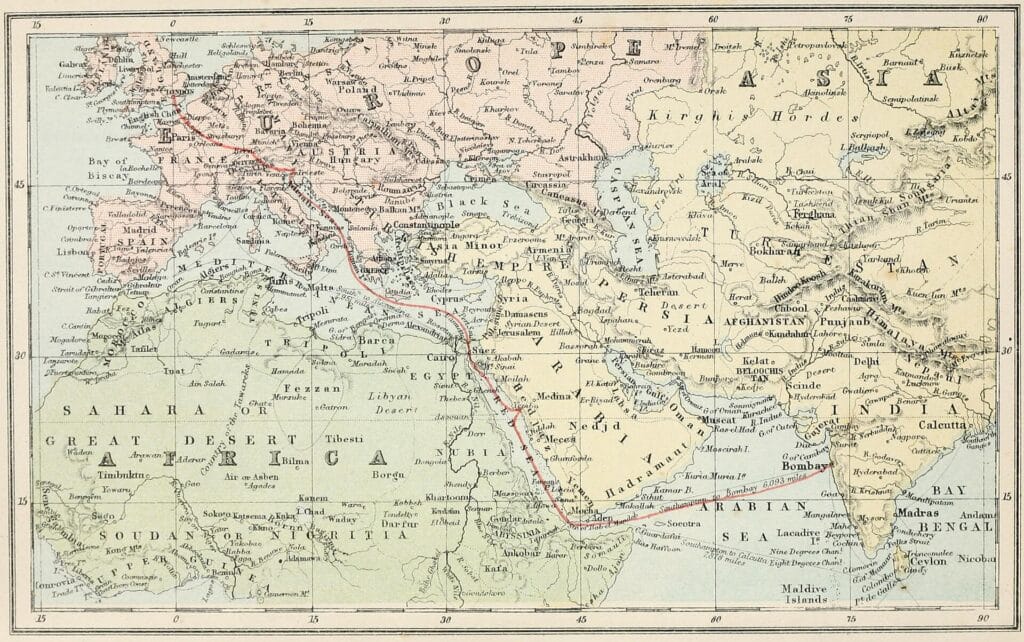
Ten days lets you do Egypt’s classic three — Cairo + Pyramids, Luxor + Aswan via Nile cruise, and Red Sea coast. This itinerary uses sleeper trains and a 4-night Nile cruise, the most efficient way to see Egypt. Built across 2 personal Egypt trips.
Egypt itineraries by trip length
Still deciding? Compare: Morocco vs Egypt · Egypt vs Jordan
Day-by-day breakdown
Day 1 — Cairo & the Pyramids
Land at Cairo International Airport and buy a single-entry visa on arrival for about $25 USD (roughly 1,200 EGP) at the bank kiosk before immigration — have crisp dollars ready. Base yourself in Giza so you wake up to the Pyramids. Spend the afternoon at the Giza Plateau, home to the Great Pyramid of Khufu, the Pyramid of Khafre, and the enigmatic Great Sphinx; the general site ticket runs about 700 EGP (roughly $14 USD), with a separate ticket to climb inside Khufu. Arrive by 2 PM once the tour-bus wave thins, and walk out to the panorama point past the third pyramid for the classic all-three view. Planning note: agree the price with any camel or horse handler in writing before mounting, and never accept an unrequested “free” scarf. End the day on a rooftop in Giza watching the nightly sound-and-light show glow over the plateau.
Day 2 — Grand Egyptian Museum
Dedicate today to the Grand Egyptian Museum, the vast complex that fully opened in November 2025 on the Giza plateau — the largest museum on earth devoted to a single civilization. Book online in advance at tickets.gem.eg, as the on-site office closed in December 2025; the foreign adult ticket is about 1,450 EGP (roughly $30 USD). Arrive at the 9 AM opening to beat the heat and the crowds, and head straight up the monumental Grand Staircase lined with colossal statues before the Tutankhamun Galleries, where all 5,000-plus pieces of the boy king’s treasure are displayed together for the first time. Don’t miss the restored Khufu Solar Boat in its dedicated pavilion. Grab a taxi or ride-hail (use the Uber or Careem app to avoid haggling) for the short hop from your hotel. Planning note: buy the optional Tutankhamun add-on ticket — the main hall alone doesn’t include it, and it is the highlight.
Day 3 — Islamic & Coptic Cairo
Cross into the medieval heart of the city today. Start at the Citadel of Salah al-Din, the hilltop fortress crowned by the alabaster Mosque of Muhammad Ali; entry is about 600 EGP (roughly $12 USD) and the terrace gives the finest skyline view of Cairo. Walk down to Al-Muizz Street, an open-air museum of Mamluk architecture, then lose yourself in the lantern-lit alleys of Khan el-Khalili bazaar — pause for mint tea at the centuries-old El Fishawi cafe. In the afternoon, detour to Coptic Cairo to see the Hanging Church and the Ben Ezra Synagogue clustered in Old Cairo. For lunch, try Egypt’s national dish, koshari — a hearty tangle of rice, macaroni, lentils, chickpeas, and fried onions in tomato sauce for well under 100 EGP. Planning note: dress modestly (covered shoulders and knees) for mosque visits, and carry a scarf.
Day 4 — Sleeper Train to Aswan
Use the morning for anything you skipped — perhaps the stepped Pyramid of Djoser at Saqqara, about 40 minutes south of Giza and the world’s oldest stone pyramid (site ticket roughly 450 EGP, about $9 USD). In the evening, board the overnight sleeper train from Giza or Ramses Station bound for Aswan, now run by Abela Trains; a private double cabin costs roughly $80–120 USD per person and includes dinner and breakfast served in your berth. The train pulls out around 8–9 PM and rolls south through the Nile Valley overnight, a genuinely romantic way to cover the 900-odd kilometres. Book ahead through abelatrains.com, as foreigners have a separate limited quota of berths. Planning note: keep your passport and cash on you in a zipped pocket, request a lower bunk if you’re prone to motion sickness, and set an alarm so the Aswan arrival at dawn doesn’t catch you asleep.
Day 5 — Abu Simbel Sunrise
Rise very early — often around 3:30–4 AM — for the desert run to Abu Simbel, the twin rock temples Ramses II carved into a cliff and later relocated stone by stone above the rising waters of Lake Nasser. The 280-kilometre road from Aswan takes about three to three-and-a-half hours; you cannot self-drive, so go with a licensed operator whose vehicle registers with the Tourism Police at the checkpoints. A seat in a shared minibus with entry typically runs about 1,200–1,800 EGP ($24–36 USD); a 45-minute flight is the splurge alternative. The Great Temple‘s four seated colossi and the neighbouring Temple of Hathor dedicated to Queen Nefertari are staggering up close. Planning note: the road opens at 5 AM, so the early convoy-style departure gets you there before the day-trippers — aim to be at the temples by 8 AM. Back in Aswan by mid-afternoon.
Day 6 — Aswan & the Nile
Slow down and savour Aswan, Egypt’s gentlest, most southerly city, where the Nile splits around granite islands. Take a morning motorboat to Philae Temple on Agilkia Island, the graceful sanctuary of Isis that was salvaged from flooding and rebuilt piece by piece; the site ticket is roughly 550 EGP (about $11 USD) plus a short boat fee. Later, drift the river by felucca, the traditional lateen-sailed boat — expect to pay around 300–500 EGP for a couple of hours, agreed before you board. Glide past Elephantine Island and the botanical Kitchener’s Island, then land in a colourful Nubian village for dinner. Planning note: this is the place to eat true Nubian cooking — try molokhia stewed with garlic, grilled Nile fish, and a glass of ruby-red hibiscus karkade tea. If your cruise boards today, check in by early afternoon and settle in for the first night moored at Aswan.
Day 7 — Kom Ombo & Edfu Cruise
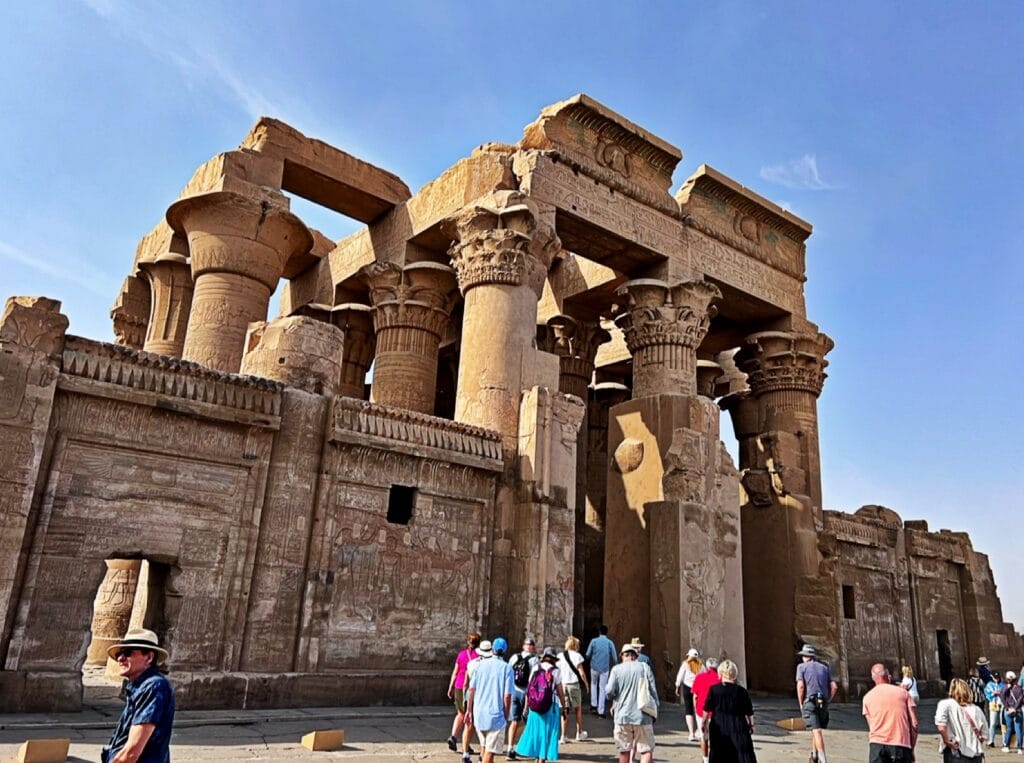
Begin the classic Nile cruise north toward Luxor, the timeless way travellers have moved between Upper Egypt’s temples for a century. Most 5-star boats include full board; a four-night sailing typically runs from roughly $350 USD per person upward depending on the vessel. Mid-morning the boat docks at Kom Ombo, the unusual double temple shared between Sobek the crocodile god and Horus the falcon, right on the riverbank — don’t skip the small adjoining museum of mummified crocodiles. Sail on to Edfu, where a horse-drawn carriage clatters you to the Temple of Horus, the most complete and best-preserved temple in all Egypt, its towering pylon and dark inner sanctuary almost intact. Spend the afternoon on the sun deck watching palm groves, water buffalo, and village life slide by. Planning note: agree the Edfu carriage fare (around 200–300 EGP round trip) firmly before setting off, and tip modestly at the end.
Day 8 — Luxor West Bank
Cross to Luxor’s West Bank, the ancient necropolis where pharaohs were buried for the afterlife. For the ultimate start, take a sunrise hot-air balloon flight over the Theban hills and the Valley of the Kings — flights lift off around 5 AM and cost roughly 2,600–3,200 EGP (about $55–65 USD). Then explore the Valley of the Kings itself, where the standard ticket (about 750 EGP, roughly $15 USD) admits you to three tombs; Tutankhamun’s tomb and Seti I’s require separate tickets. Continue to the dramatic terraced Temple of Hatshepsut at Deir el-Bahari and the towering Colossi of Memnon guarding the plain. Planning note: photography inside most tombs now requires a photo pass (about 300 EGP) bought at the entrance — buy it there rather than risk a fine, and choose the less-visited tombs like Ramses III for vivid, uncrowded colour. Return across the river by mid-afternoon.
Day 9 — Karnak & Luxor Temple
Devote your last full day in Upper Egypt to the East Bank monuments of Luxor, the ancient city of Thebes. Beat the heat with an early visit to the Karnak Temple Complex, an overwhelming sprawl of pylons, obelisks, and the forest-like Great Hypostyle Hall with its 134 giant columns; entry is about 800 EGP (roughly $16 USD). In the cooler late afternoon, walk the recently restored Avenue of Sphinxes that once again links Karnak to Luxor Temple, which is best seen at dusk when floodlights bring the colonnades and the seated Ramses colossi to life (ticket about 600 EGP, roughly $12 USD). Between sites, refuel with taameya (Egyptian fava-bean falafel) and ful medames from a busy local spot near the corniche. Planning note: hire a licensed Egyptologist guide for Karnak — the sheer scale and layered history are hard to decode alone, and it transforms the visit.
Day 10 — Return to Cairo
On your final morning, fly from Luxor International Airport back to Cairo — the one-hour domestic hop on EgyptAir or a low-cost carrier typically costs about $60–110 USD if booked ahead, and spares you a long drive. If your international flight leaves late, use the free hours for anything Cairo you missed: the antiquities-rich Egyptian Museum on Tahrir Square (still worth it for the royal mummies and everyday-life galleries, entry about 550 EGP, roughly $11 USD), or a last wander and souvenir haggle through Khan el-Khalili for hand-blown Muski glass, spices, and cotton. Leave a generous buffer — Cairo traffic is legendary and airport security is thorough, so head out at least three-and-a-half hours before an international departure. Planning note: keep small EGP notes for the customary tips (baksheesh) that smooth every interaction, from porters to restroom attendants, and change leftover pounds before you clear security.
What to book ahead
- Nile cruise: Book 2-3 months ahead. Mid-tier US$400-700 for 4-night. Luxury (Sanctuary Sun Boat, Oberoi Zahra) US$2000-4000.
- Pyramids + Egyptian Museum: No advance tickets — buy at gate. Go early to avoid heat and crowds.
- Hot air balloon Luxor: Book 1-2 weeks ahead. ~$120 per person, sunrise lift-off.
- Sleeper train: Watania trains. Book online via official Egypt Railways app. First-class cabin $90.
A local planning note
Skip the Hurghada/Sharm Red Sea coast (overdeveloped resort strips) and add Marsa Alam instead for diving. Same Red Sea coral, half the prices, none of the package-tour crowds. Or for absolute remote: Marsa Alam to Wadi El Gemal national park.
Best time for this trip
October-April (cool, ideal for monuments). May-September is brutally hot (40°C+ in Luxor).
Get your Nile cruise direction right before you book
The mistake that quietly wrecks a 10-day Egypt plan is booking a cruise that runs against your route, forcing a wasteful backtrack. Cruise direction is not interchangeable. Sailing north from Aswan to Luxor (the common 3-night option) follows the current downstream and reaches Kom Ombo first, then Edfu, before Luxor. The Luxor-to-Aswan run is a 4-night sailing upstream and hits Edfu and Kom Ombo in the reverse order.
Because most travelers fly into Cairo first, the cleaner flow is Cairo, then the overnight sleeper south, then a cruise that ends where your onward flight or balloon ride is booked. Two points to lock down:
- The Cairo sleeper is now operated by Abela (the old Watania branding); foreigner fares run around 84 USD per berth in a shared cabin and about 126 USD for sole occupancy.
- Pick the cruise that disembarks at the city holding your next hotel night, so you are not paying for a transfer back the way you came.
Frequently asked questions
Is 10 days enough for Egypt?
Yes for Cairo + Luxor + Aswan + Nile cruise. 14 days adds Red Sea or Alexandria. 21 days for comprehensive incl. Sinai.
How much does 10 days in Egypt cost?
Backpacker: US$700-1100. Mid-range: US$1800-2800. Luxury (premium Nile cruise): US$6000+.
Best Nile cruise?
Sanctuary Sun Boat IV, Oberoi Zahra are luxury class. Mid-range: M/S Princess Sara, M/S Royal Lily. Avoid budget boats (food safety, overcrowded).
Is Egypt safe?
Touristed areas (Cairo, Luxor, Aswan, Red Sea coast) very safe with high tourist police presence. Sinai Peninsula has restricted areas.
Best time for Egypt?
October-April (cool months). May-September brutal heat — pyramids are unbearable in afternoon.
Plan your Egypt trip
Best time to visit Egypt (real climate data)
Best months: January, February, March, April, November, December.
Egypt’s warmest month is July (avg 39°C / 102°F), the coolest is January (low 9°C / 48°F). The wettest is March (6 mm) and the driest is May.
Source: Open-Meteo / WMO climate normals (WMO 1991–2020, or ERA5 2019–2023 where unavailable). See the full month-by-month weather →
You Might Also Love


Written by
John Morrison is the founder and lead travel writer at Packzup. Over the past decade he has explored destinations across Africa, the Americas, Asia, Europe, the Middle East, and Oceania — always self-funded, never on a press trip.
Trip prep: before you travel, plan what to wear, check the tap water, sort your mobile data, and see if it is a cash or card country, and skim local etiquette.
