Quick Answer
The best ice caves include Iceland’s Vatnajökull and Katla caves, Austria’s Eisriesenwelt (the world’s largest), Slovakia’s Dobsinska, Alaska’s Mendenhall and the Apostle Islands sea caves. Most glacier caves are winter-only and require a licensed guide.
Glacier ice caves are formed by meltwater and re-formed every year, which is exactly what makes them extraordinary and exactly why they are dangerous. No two seasons produce the same cave, and none of them should be entered alone.
10 Ice Caves Worth Travelling For
At a glance: the engineered show caves are the low-commitment options, while the wild glacier caves need a licensed guide and the right season. Details for each are below.
| Ice cave | Country | Type | Guide | Season |
|---|---|---|---|---|
| 1. Vatnajökull | Iceland | Glacier cave | Licensed guide only | November–March |
| 2. Katla | Iceland | Glacier cave | Licensed guide only | Year-round |
| 3. Eisriesenwelt | Austria | Show cave (engineered) | Not required | May–October |
| 4. Dobšinská | Slovakia | Show cave (engineered) | Not required | Not stated |
| 5. Mendenhall Glacier | Alaska, USA | Glacier cave | Licensed guide only | Access changes year to year |
| 6. Apostle Islands | Wisconsin, USA | Frozen sea caves | On foot only when ice is declared safe | Winter, and not every winter |
| 7. Kungur | Russia | Show cave (lit for visitors) | Not required | Not stated |
| 8. Cueva del Milodón area | Chile | Glacier | Licensed guide only | Forms and collapses seasonally |
| 9. Perito Moreno | Argentina | Glacier | Guided mini-trekking | Not stated |
| 10. Franz Josef & Fox | New Zealand | Glacier | Helicopter access | Not stated |
1. Vatnajökull ice caves, Iceland
Best months: Jun–Aug · 9–13°C days · rainy (ERA5 climate data)
The blue ice caves beneath Europe’s largest glacier form fresh each winter and are accessible roughly November to March, with a licensed guide only — never independently.
2. Katla ice cave, Iceland
Best months: Jun–Aug · 9–13°C days · rainy (ERA5 climate data)
Reachable year-round under Mýrdalsjökull, with dramatic black volcanic ash layered through the ice.
3. Eisriesenwelt, Austria
Best months: Jul–Sep · 17–26°C days · rainy (ERA5 climate data)
The largest ice cave in the world, over 40km long, in the Alps near Werfen. Open May to October.
4. Dobsinska Ice Cave, Slovakia
A UNESCO-listed cave with ice formations metres thick, and one of the first in the world to be electrically lit.
5. Mendenhall Glacier caves, Alaska
Blue meltwater caves near Juneau. The glacier is retreating quickly and access changes year to year — check locally.
6. Apostle Islands sea caves, Wisconsin
Frozen waterfalls and icicle curtains on Lake Superior, accessible on foot only when the ice is officially declared safe — which does not happen every winter.
7. Kungur Ice Cave, Russia
A long system in the Urals with grottos and underground lakes, lit for visitors.
8. Cueva del Milodon area glaciers, Chile
Best months: Nov–Jan · 14–30°C days · dry (ERA5 climate data)
Patagonia’s glacier country, where ice caves form and collapse seasonally within the Southern Ice Field.
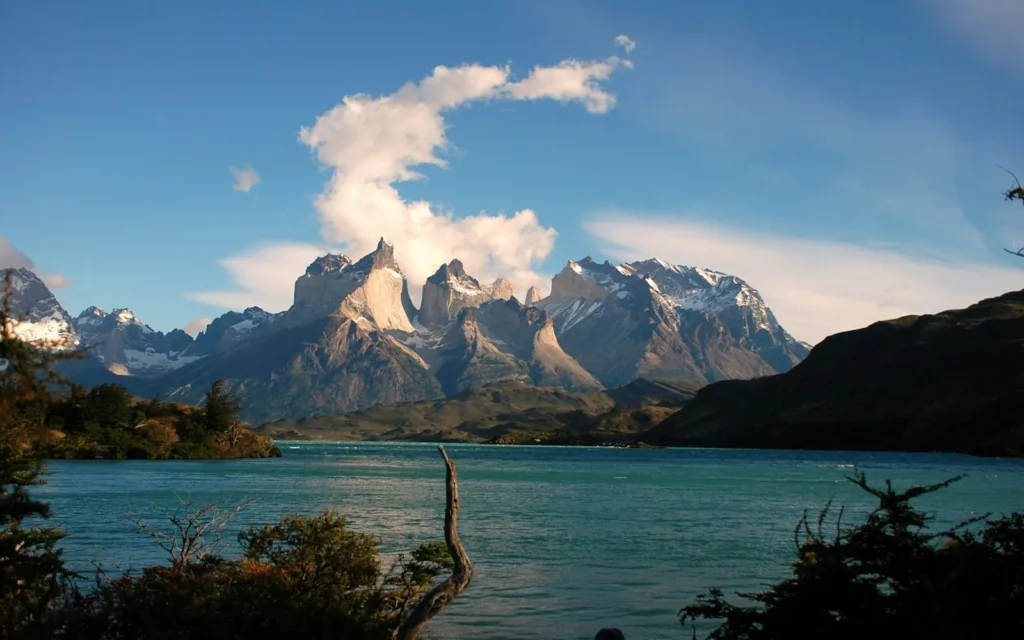
9. Perito Moreno ice, Argentina
Best months: Sep–Nov · 13–21°C days · some rain (ERA5 climate data)
Best known for the calving face, with guided mini-trekking on the glacier surface itself.
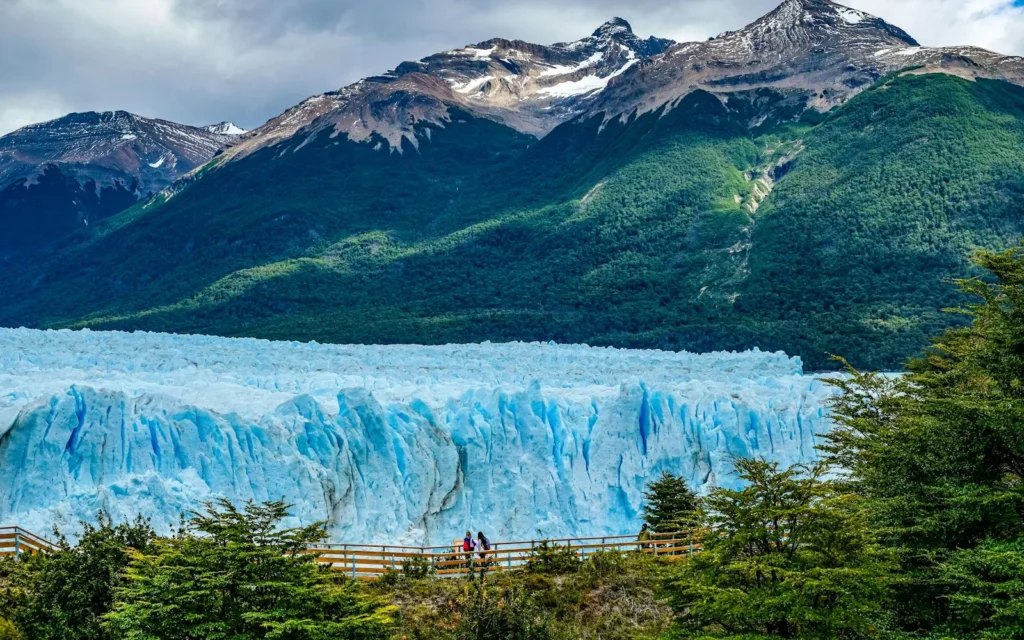
10. Franz Josef and Fox Glaciers, New Zealand
Access is now largely by helicopter as the glaciers retreat, with caves and features that change constantly.
Never enter a glacier ice cave without a licensed guide. These are active, moving structures that collapse without warning, and roofs weaken as temperatures rise — people have been killed in ice caves in Iceland and elsewhere. Glacier caves are a winter activity for that reason. Show caves like Eisriesenwelt and Dobsinska are engineered and safe; wild glacier caves are not.
Practical notes
Season is everything: Icelandic glacier caves generally run November to March, when the ice is cold and stable, while Alpine show caves such as Eisriesenwelt open in summer because the approach is snowbound in winter. Book in advance for Iceland, where the good operators sell out.
Take crampons and a helmet — reputable tours supply both — along with waterproof layers, since caves drip constantly, and gloves. Photography works best with a wide lens and a high ISO; the blue is real, and it deepens on overcast days rather than in sunshine. Expect cancellations: guides call them off for rain, warmth or flooding, and an operator who cancels is one worth trusting. Finally, several of these are retreating fast, so check current conditions rather than relying on any article, including this one.
Frequently Asked Questions
When can you visit ice caves in Iceland?
Glacier ice caves are generally accessible November to March. Katla is reachable year-round, and the Langjökull man-made ice tunnel is open all year.
Can you visit an ice cave without a guide?
No — not a glacier cave. They collapse without warning and have killed visitors. Engineered show caves like Eisriesenwelt are different.
What is the largest ice cave in the world?
Eisriesenwelt in Austria, at over 40km long.