Quick Answer
The best cave snorkelling is at Kleftiko on Milos, the Blue Caves of Zakynthos, Coron’s limestone lakes, the Yucatán cenotes and Portugal’s Benagil arch. Here are 10, with how to reach each and the safety rules that matter.
Snorkelling into a sea cave is a different experience from open reef — light, sound and depth all change. These 10 are the most spectacular, with honest guidance on access, since several have restrictions and a few have real hazards.
10 Best Cave Snorkelling Spots
1. Sarakiniko & the sea caves, Milos
White volcanic rock riddled with caves and arches, with Kleftiko’s swim-through caverns reachable only by boat.
2. The Blue Caves, Zakynthos
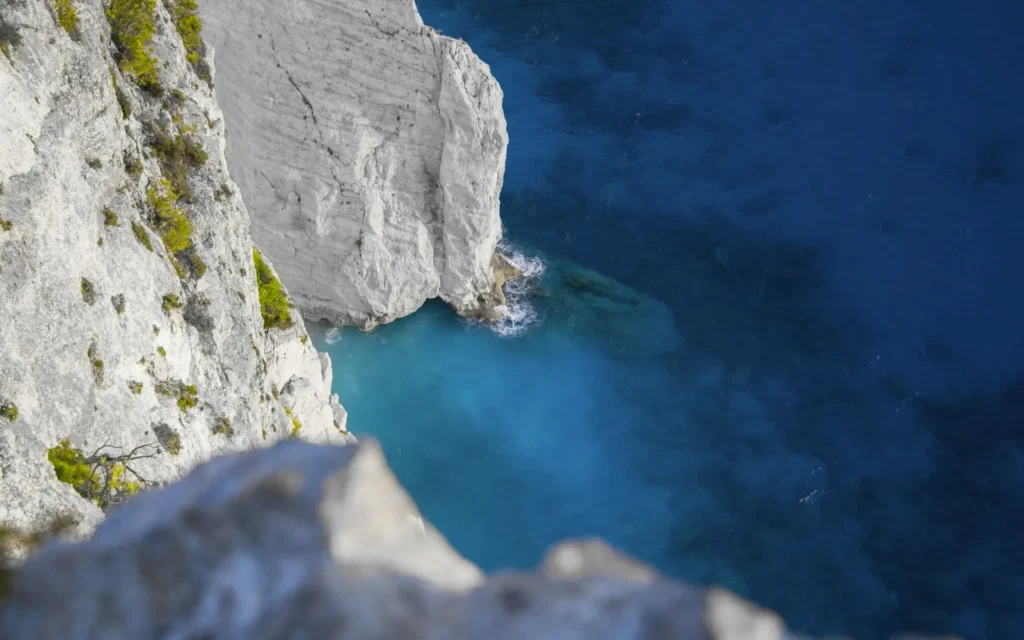
Arches and caverns along the northern cliffs where the light turns the water an electric blue at midday.
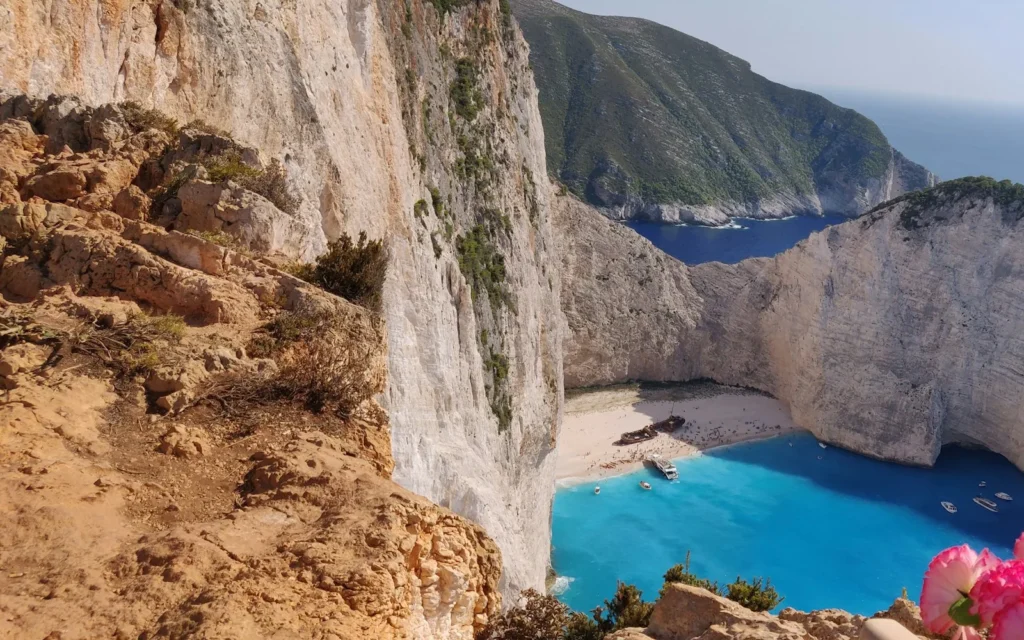
3. Kayangan Lake & Barracuda Lake, Coron
Limestone walls dropping into brackish water, with thermoclines you can feel as you swim through them.
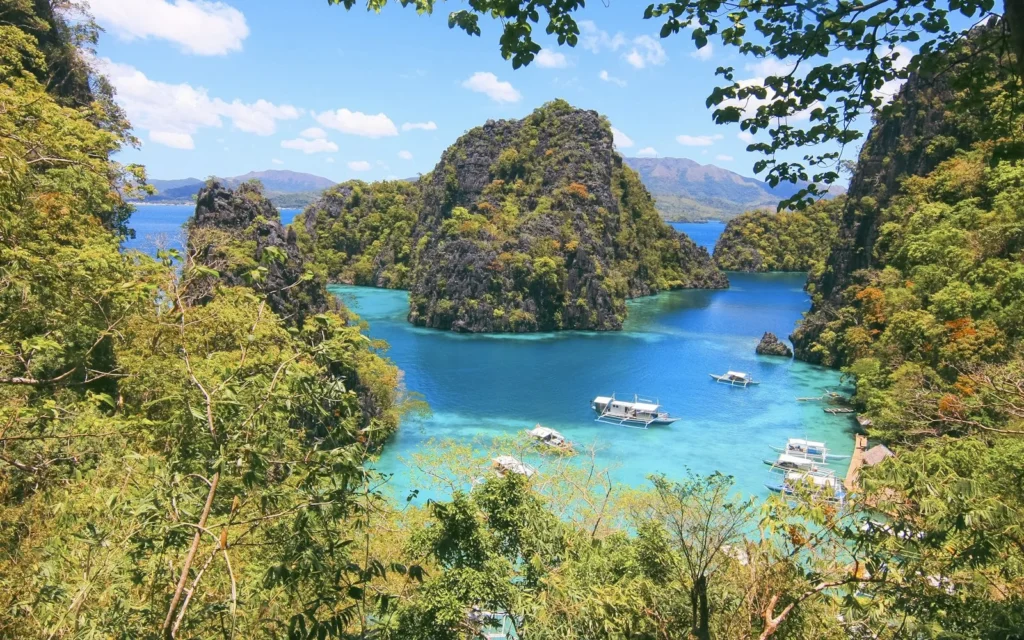
4. The Gili Islands' reef caves
Shallow overhangs and swim-throughs with turtles, ideal for snorkellers rather than divers.
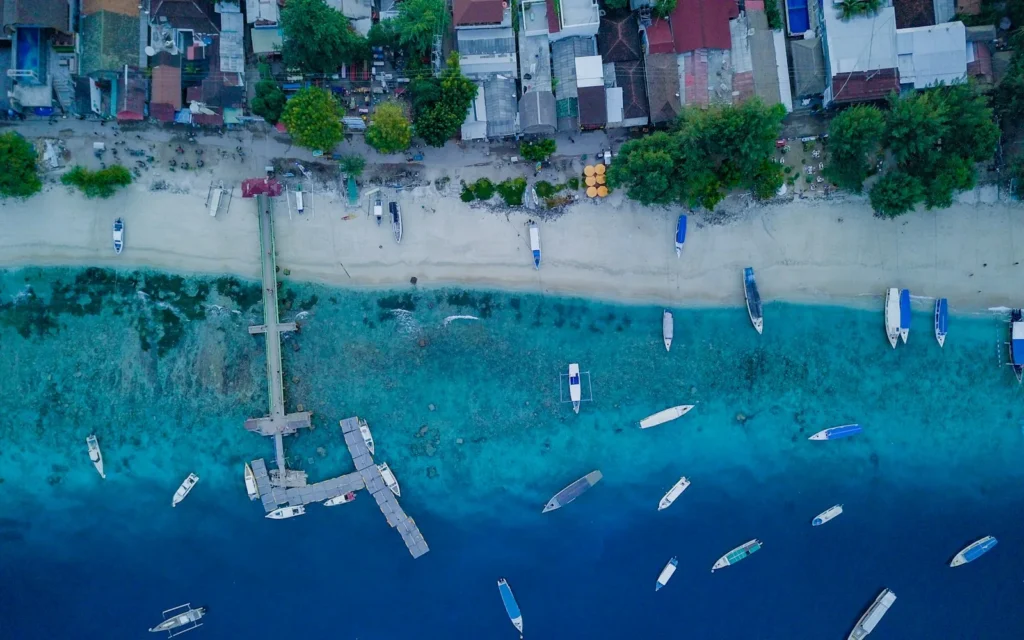
5. Benagil Sea Cave, Portugal
Best months: Jun–Aug · 18–28°C days · dry (climate data)
The famous domed cave with a hole in its roof — reachable by kayak or SUP; landing by boat is now restricted.
6. Grotta Azzurra, Capri, Italy
Best months: Apr–Jun · 13–23°C days · rainy (climate data)
Entered by lying flat in a rowing boat; swimming is officially prohibited during opening hours.
7. Cenotes of the Yucatán, Mexico
Best months: Dec–Feb · 7–23°C days · dry (climate data)
Freshwater sinkholes with stalactites and shafts of light — Dos Ojos and Gran Cenote are the most snorkeller-friendly.
8. Cathedral Cove, New Zealand
A huge natural arch on the Coromandel, best reached by kayak at low tide.
9. Devil's Crown, Galápagos
A submerged volcanic crater with strong currents and exceptional fish density.
10. Anse Chastanet caves, St Lucia
Volcanic rock formations right off the beach, with reef starting a few metres from shore.
Safety in caves and caverns
Stay in daylight. Cavern snorkelling means never losing sight of the exit — true cave penetration requires technical training and equipment, and drownings happen when snorkellers swim beyond the light. Swell turns sea caves dangerous quickly, so go on calm days and with a local operator who knows the site. Some places have specific rules: swimming inside Capri’s Blue Grotto is prohibited during opening hours, and Benagil no longer permits boat landings. Never snorkel caves alone.
Frequently Asked Questions
Where is the best cave snorkelling?
Kleftiko on Milos and the Blue Caves of Zakynthos in the Mediterranean; the Yucatán cenotes for freshwater.
Is cave snorkelling dangerous?
Cavern snorkelling within sight of daylight is manageable with a guide. Going beyond the light without training is genuinely dangerous.
Can you swim in the Blue Grotto at Capri?
Not during official opening hours — entry is by rowing boat only.