Quick Answer
The best wildlife photography destinations are the Serengeti and Maasai Mara for the migration and big cats, the Galapagos for fearless animals, the Pantanal for jaguars, Churchill for polar bears and Ranthambore for tigers. Here are 10, with the season and the gear each demands.
Wildlife photography rewards being in the right place in the right month more than any other kind. These 10 destinations offer the world’s most reliable encounters — each with when to go, and an honest note on the lens you will actually need.
10 of the Best Wildlife Photography Destinations
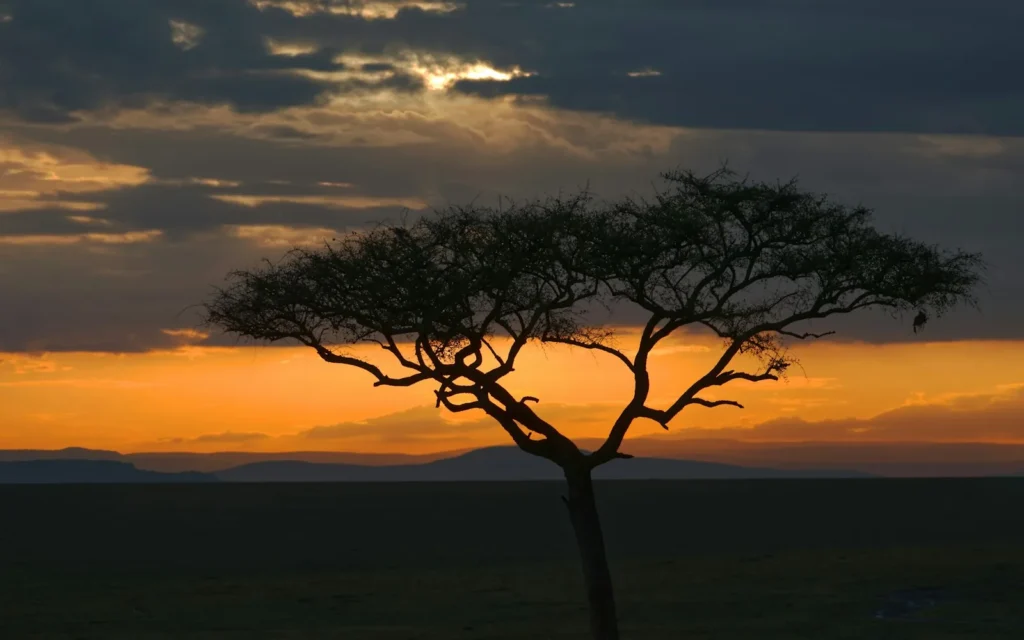
1. The Serengeti, Tanzania
The Great Migration between June and August, plus big cats year-round. Bring a 400mm+ lens and shoot from a vehicle with a beanbag.
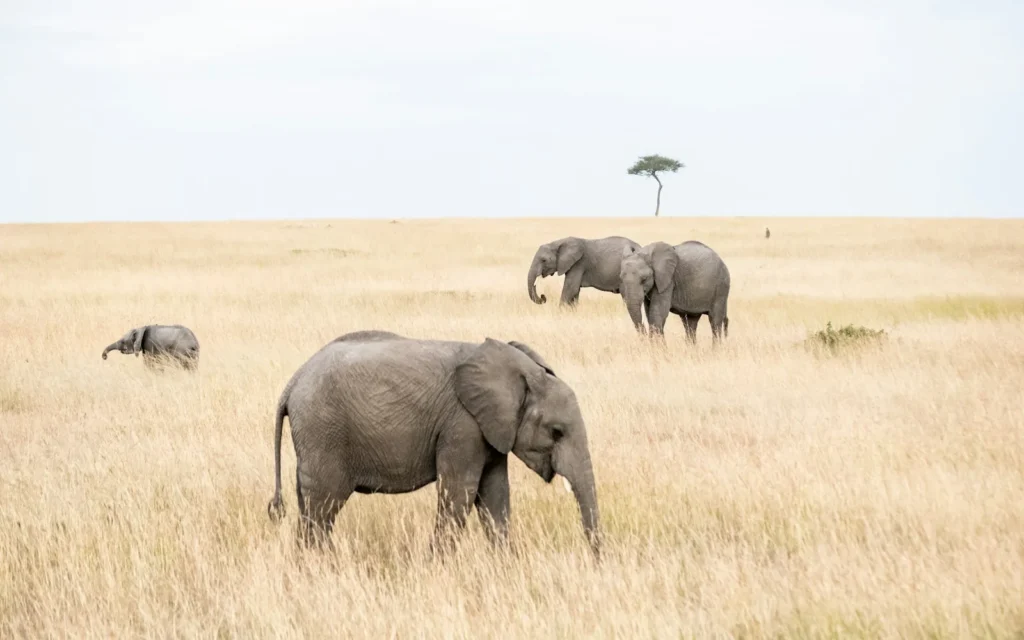
2. The Maasai Mara, Kenya
The best big-cat density in Africa, and river crossings from July to October. Low-angle light at dawn is what makes the images.
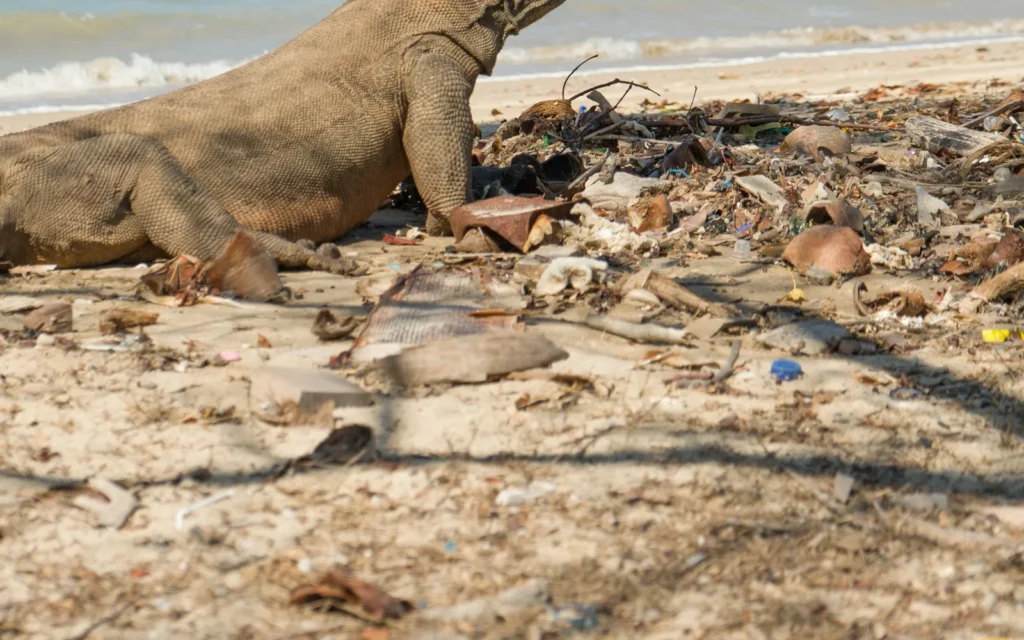
3. Komodo National Park, Indonesia
Best months: Jun–Aug · 23–32°C days · some rain (climate data)
Komodo dragons on Rinca and Komodo, photographed on ranger-guided walks — plus manta rays underwater.
4. The Galapagos, Ecuador
Best months: Jun–Aug · 7–18°C days · some rain (climate data)
Animals with no fear of people, so a wide lens works as well as a long one. Strict rules keep you on marked trails.
5. Ranthambore, India
Best months: Nov–Jan · 9–21°C days · dry (climate data)
India’s best odds of photographing a wild tiger, around the lakes and ruins of a former royal reserve. March to May.
6. Churchill, Canada
Polar bears on the tundra in October and November, shot from purpose-built buggies.
7. The Pantanal, Brazil
Best months: Jun–Aug · 18–25°C days · dry (climate data)
Better than the Amazon for wildlife photography — jaguars along the riverbanks in the dry season, June to October.
8. Bwindi, Uganda
Mountain gorillas in dense forest: low light, fast lenses and a strictly limited permit.
9. Svalbard, Norway
Best months: Jun–Aug · 14–21°C days · rainy (climate data)
Arctic light, polar bears and walrus on summer expedition cruises above 78° north.
10. Yellowstone, USA
Wolves, bison and bears in the Lamar Valley, at their most photogenic in the snow of winter.
Gear and timing
A 400mm lens is the practical minimum for African and Indian wildlife; 100–400mm zooms are the most versatile in a vehicle, and a beanbag beats a tripod when shooting from a window. The Galapagos is the exception — animals are close enough for a wide lens. Shoot in the first and last hour of light, when animals are active and the light is low and warm. Book dry-season dates (June–October in East Africa and the Pantanal), and note that gorilla and polar-bear trips need permits or berths booked many months ahead.
Frequently Asked Questions
Where is the best wildlife photography?
The Maasai Mara and Serengeti for big cats and the migration; the Pantanal for jaguars; the Galapagos for close-range work.
What lens do you need?
400mm or more for most safaris, a 100–400mm zoom for versatility, and a wide lens for the Galapagos.
When is the best time?
June–October for East Africa and the Pantanal; October–November for polar bears; March–May for tigers in India.
Related Articles
Gear that earns its place: best travel cameras for beginners.