
Quick Answer
The best food markets in the world include La Boqueria in Barcelona, London’s Borough Market, Istanbul’s Spice Bazaar, the night markets of Bangkok and Marrakech’s Jemaa el-Fnaa, alongside Tokyo’s Tsukiji and Madrid’s San Miguel. Here are 12 of the best, with what to eat at each.
A city’s market tells you more about how it eats than any restaurant can. These 12 are the world’s finest — some centuries old, some reinvented as modern food halls — each with what to look for and the best time to arrive.
12 of the Best Food Markets in the World
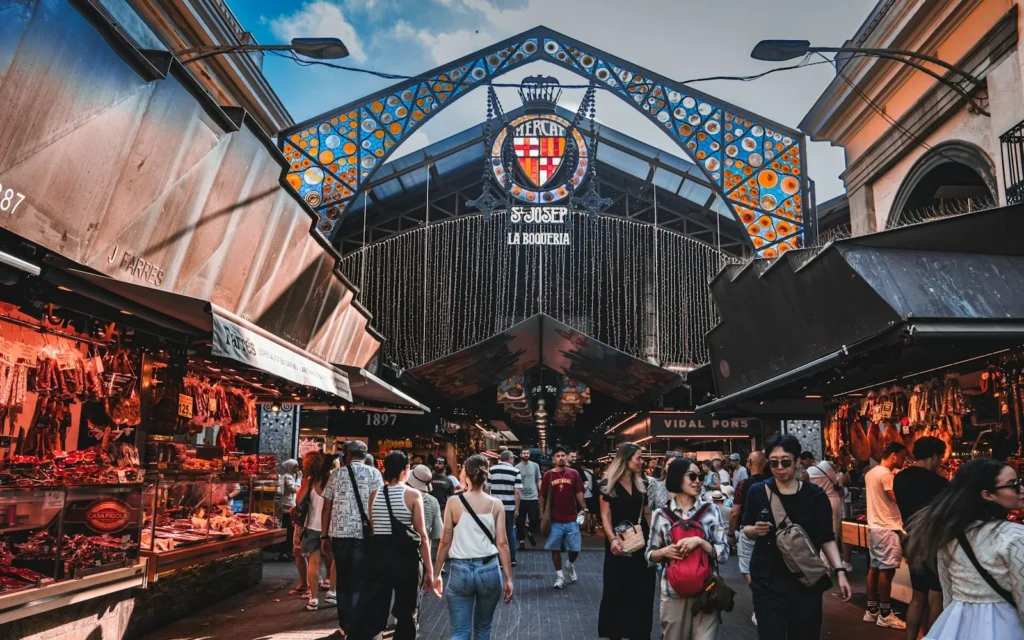
1. La Boqueria, Barcelona
Best months: Jun–Aug · 22–29°C days · dry (climate data)
Barcelona’s cathedral of food, just off La Rambla: jamon counters, seafood on ice and juice stalls under a stained-glass entrance. Go early to beat the crowds.
2. Borough Market, London
Best months: Jun–Aug · 14–23°C days · some rain (climate data)
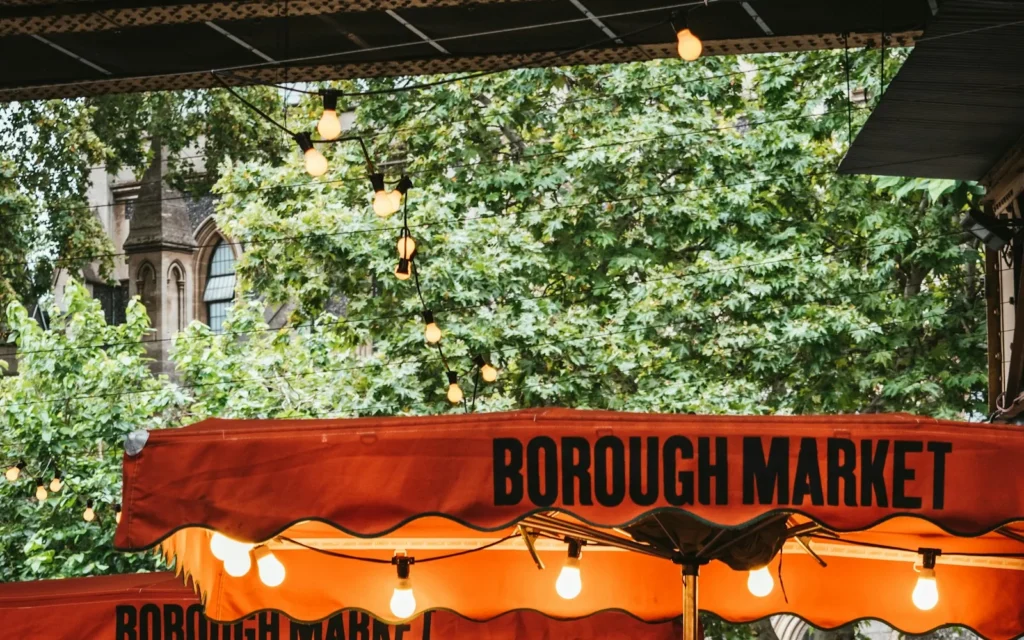
London’s oldest food market, trading since the 12th century — British cheese, oysters, salt-beef bagels and traders happy to let you taste.
3. The Spice Bazaar, Istanbul
Best months: Jul–Sep · 21–30°C days · dry (climate data)
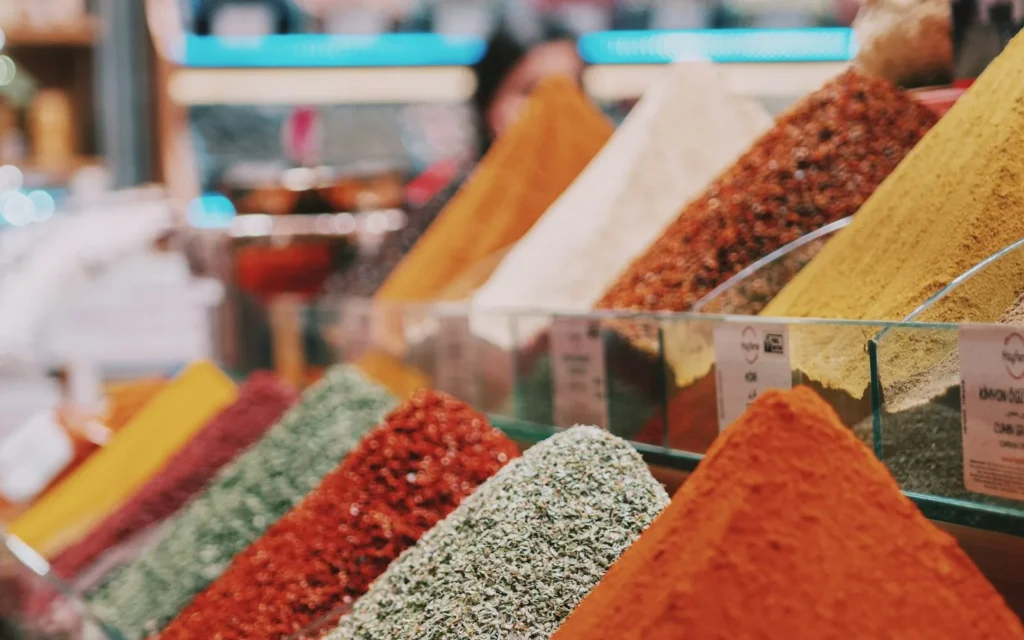
Mounds of saffron, sumac and Turkish delight fill this 17th-century hall beside the Golden Horn, still the city’s aromatic heart.
4. Bangkok's night markets
Best months: Nov–Jan · 22–31°C days · dry (climate data)
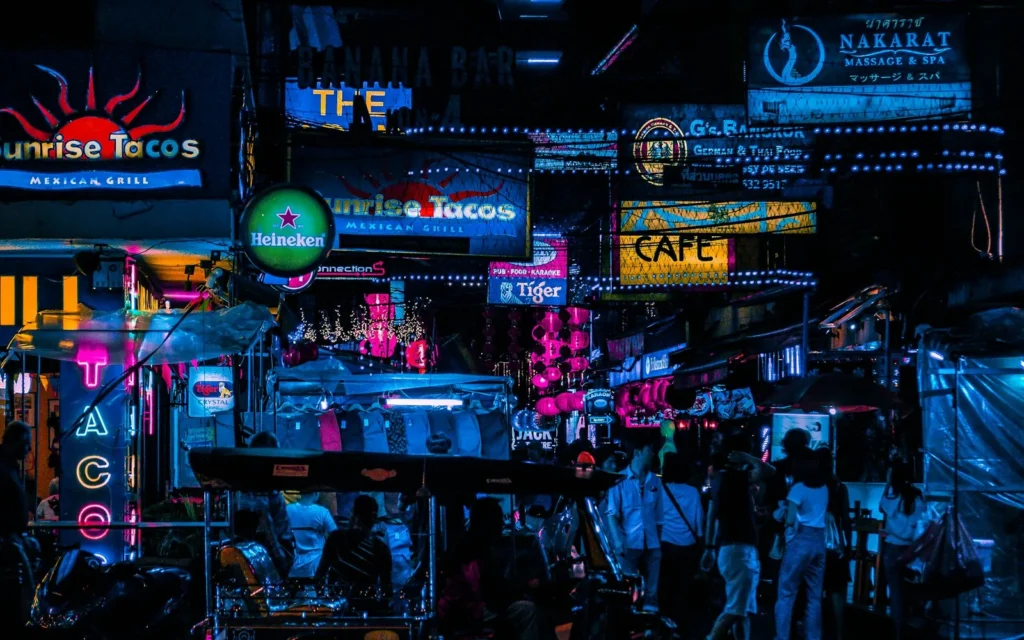
Nowhere does street food better: grilled skewers, papaya salad and boat noodles under neon, from Chinatown’s Yaowarat to the sprawl of Chatuchak.
5. Jemaa el-Fnaa, Marrakech
Best months: Nov–Jan · 7–21°C days · dry (climate data)
By day a souk of spices and preserved lemons; after dark the square fills with smoke, storytellers and a hundred food stalls.
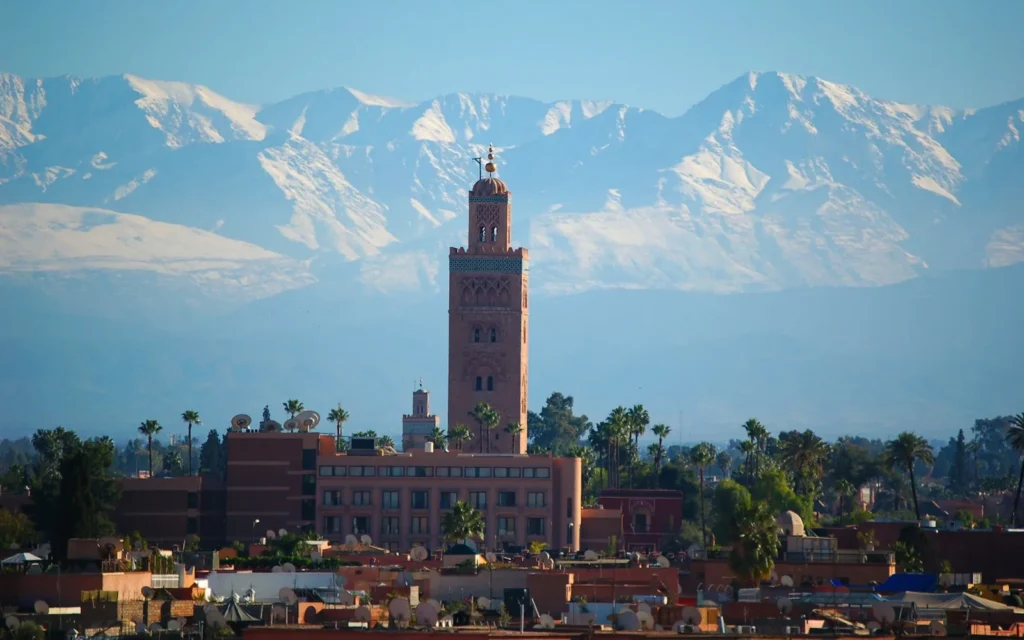
6. Tsukiji Outer Market, Tokyo
Best months: Sep–Nov · 14–22°C days · rainy (climate data)
The wholesale auctions moved to Toyosu, but the outer market still serves the city’s best tamagoyaki, uni and knife shops.
7. Mercado de San Miguel, Madrid
Best months: Apr–Jun · 12–25°C days · some rain (climate data)
A restored iron-and-glass hall by the Plaza Mayor, now a tapas hall of vermouth, croquetas and Iberian ham.
8. Time Out Market, Lisbon
Best months: Jun–Aug · 18–28°C days · dry (climate data)
The city’s best chefs under one roof in a converted riverside market — the model now copied worldwide.
9. Or Tor Kor Market, Bangkok
Best months: Nov–Jan · 22–31°C days · dry (climate data)
Bangkok’s premium produce market, famous for durian, mango sticky rice and curries good enough to rival any restaurant.
10. Ben Thanh Market, Ho Chi Minh City
Pho, banh mi and Vietnamese coffee amid the bustle of Saigon’s landmark market hall.
11. Naschmarkt, Vienna
Best months: Jul–Sep · 17–26°C days · some rain (climate data)
Almost two kilometres of stalls selling Austrian, Balkan and Middle Eastern food, with a famous Saturday flea market alongside.
12. Mercato Centrale, Florence
Tripe sandwiches downstairs, a modern food hall above — the best of Tuscan cooking in one 19th-century building.
How to do markets properly
Arrive early for produce markets — traders are freshest before mid-morning, and the crowds at famous halls like La Boqueria thin out well before noon. Night markets are the opposite: Bangkok and Marrakech only come alive after dark. Carry small notes, follow the queues of local shoppers rather than the photogenic front stalls, and eat where you can see the cooking. Many markets close on Sundays or Mondays, so check before building a day around one.
Frequently Asked Questions
What is the best food market in the world?
La Boqueria in Barcelona and Borough Market in London top most lists, while Bangkok’s street-food markets are unbeatable for sheer variety and value.
When should you visit a food market?
Early morning for produce and seafood; evening for street-food markets in Asia and North Africa. Avoid Sundays and Mondays, when many close.
Are food markets safe to eat at?
Generally yes — choose busy stalls with high turnover and food cooked to order in front of you.
Related Articles
You Might Also Love

Asia after dark
The night-market circuit is a different animal:
