
Based on the Packzup Cost Index (Pricey tier), typical on-the-ground totals per person, excluding international flights:
| Travel style | 7 days | 14 days |
|---|---|---|
| Budget | $385 - $700 | $770 - $1,400 |
| Mid-range | $1,260 - $2,100 | $2,520 - $4,200 |
| Luxury | $3,150 - $4,900 | $6,300 - $9,800 |
🇦🇪 Dubai Trip Cost
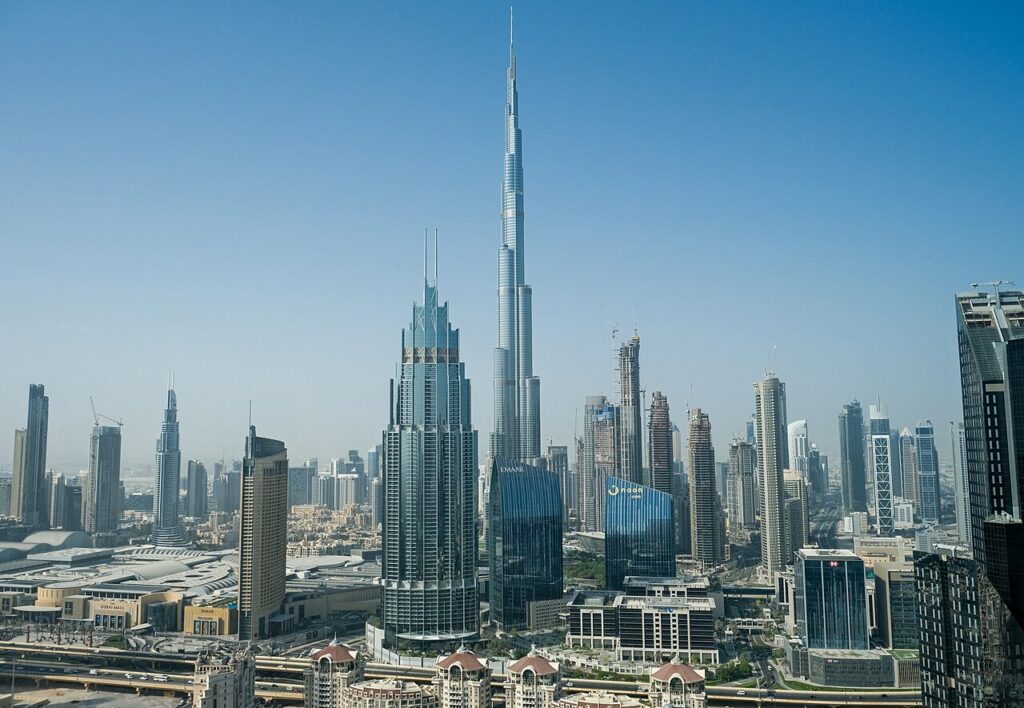
How much does a trip to Dubai cost? Realistic budgets by travel style with live currency conversion.
Daily costs in Dubai
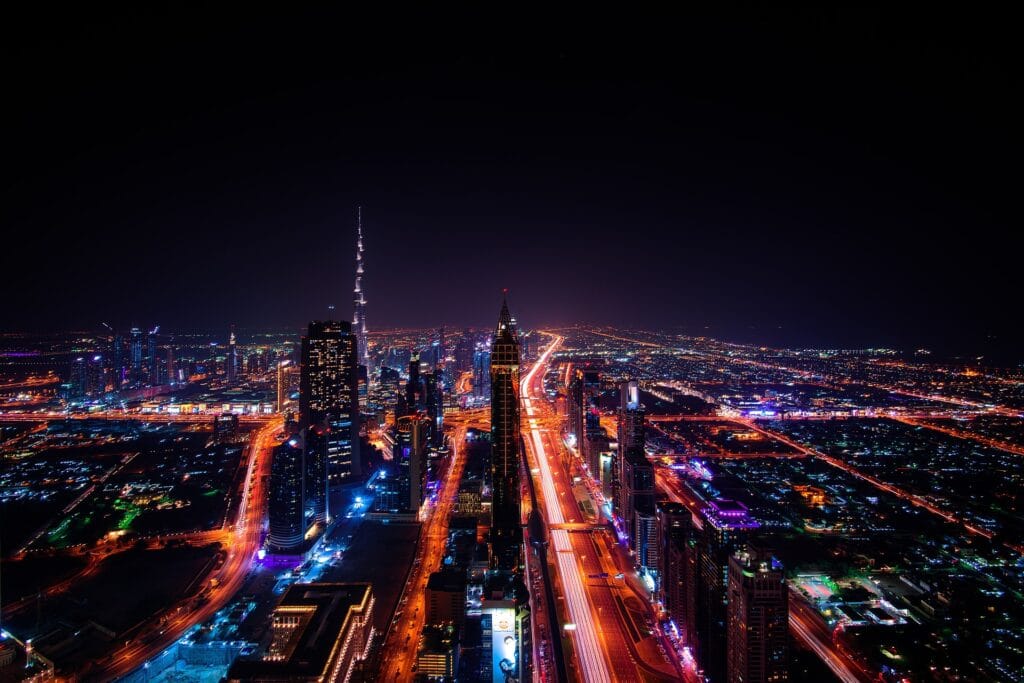
Dubai is a luxury-focused destination, but you can still travel here on a moderate budget. Costs are similar to major European capitals.
Mid-range daily breakdown
Total trip cost estimates
Excludes international flights. Add ~$1,100 from US, ~$600 from EU, ~$450 from Asia (round-trip economy).
Hidden costs to add: Travel insurance ($40-150), visa fees (varies), SIM/data ($10-30), tips (5-20% in tipping cultures), souvenirs ($50-300), 15-20% buffer for the unexpected.
Where your money goes in Dubai
Dubai on a budget: money-saving tips
- Eat at Karama and Deira’s local eateries, not hotel restaurants.
- Use the Metro with a Nol card instead of taxis where you can.
- Spend beach and souk days for free between paid attractions.
- Book attractions like the Burj Khalifa online in advance for lower prices.
- Visit in summer for steep hotel discounts (if you can handle the heat).
What does a shoestring day in Dubai buy compared with a comfortable one?
A shoestring day in Dubai costs around AED 220-370 per person (roughly USD 60-100) and a comfortable day around AED 700-1,100 (roughly USD 190-300), and the gap is almost entirely accommodation and alcohol. Food, transport and the headline sights cost much the same whichever tier you are in.
The shoestring day looks like this: a bed in a hostel or a budget hotel in Deira, Bur Dubai or Al Barsha; breakfast from a bakery; a Silver Nol card on the Metro, where a single trip across three or more zones is about AED 7.50; lunch at an Indian or Pakistani cafeteria for the price of a coffee elsewhere; an afternoon at a free public beach such as Kite Beach or JBR; an evening walk around the Dubai Fountain, which costs nothing to watch from the promenade. Alcohol is absent because a licensed drink is the single most expensive routine purchase in the city.
The comfortable day looks like this: a four-star hotel room near the Marina, Downtown or Jumeirah, with the roughly 22 percent stack of municipality fee, service charge and VAT plus the Tourism Dirham added to the quoted rate; taxis or ride-hailing rather than the Metro; one paid attraction or a shared evening desert safari, which typically runs about AED 150-350 per person depending on what is bundled; a sit-down dinner with two drinks in a hotel restaurant.
Which Dubai costs do visitors most often underestimate?
The costs people underestimate in Dubai are the ones added after the price you were quoted: hotel taxes, the alcohol premium, airport taxi surcharges, road tolls passed on by drivers, and card conversion fees.
- Hotel taxes and fees: a Dubai hotel bill adds a 7 percent municipality fee, a 10 percent service charge and 5 percent VAT to the room rate, plus the Tourism Dirham of about AED 7-20 per room per night depending on the star rating (AED 10 for three-star, 15 for four-star, 20 for five-star). On a quoted AED 500 room that is roughly AED 125 a night extra unless the booking site already shows the all-in total.
- Alcohol: drinks are sold only in licensed venues, mainly hotels and standalone restaurants in zones such as DIFC, and a 30 percent municipality sales tax on alcohol was reinstated from January 2025.
- Airport taxis: every taxi leaving Dubai International Airport carries an AED 25 surcharge before the meter starts, and there is a separate surcharge for trips between 22:00 and 06:00. Airport to the Marina area runs roughly AED 85-100.
- Salik tolls: Dubai’s toll gates charge about AED 4 off-peak and AED 6 at weekday peak hours since variable pricing began in January 2025, and taxis add each gate crossed to the fare.
- Card fees: a terminal or ATM that offers to charge you in your home currency is applying dynamic currency conversion, which typically costs 3-8 percent on top of your bank’s own foreign transaction fee. Always choose to pay in dirhams.
Which money-saving swaps actually work in Dubai?
The swaps that save real money in Dubai are Metro instead of taxi, public beach instead of beach club, July or August instead of January, and the tourist VAT refund on anything you carry home.
- Metro from the airport instead of a taxi: the Red Line stops at Terminals 1 and 3, and a Silver Nol card costs about AED 25 with roughly AED 19 of credit loaded. A cross-city ride is about AED 7.50 against an AED 85-100 taxi to the Marina, so the swap saves roughly AED 80 each way. Terminal 2 has no Metro station, so this only works for Terminals 1 and 3.
- Free beaches instead of beach clubs: Kite Beach and JBR Beach have free public access with showers and food outlets nearby. A beach club day pass is often the price of a night in a budget hotel, so two public-beach days in a week can save several hundred dirhams.
- Summer dates instead of winter: hotel rates in July and August run roughly 40-50 percent below the December to March peak. The trade-off is real, with daytime highs around 40-43 C and heavy coastal humidity in the mornings and evenings, so plan indoor afternoons and early or late beach time.
- Claim the VAT refund: non-resident visitors can reclaim VAT on purchases of at least AED 250 per receipt at retailers in the Planet Tax Free scheme, receiving about 87 percent of the VAT paid less a small fixed fee per claim, as long as the goods leave the country within 90 days. Ask for the tax-free tag at the till.
A smaller one: Dubai’s tap water is desalinated and certified safe by the utility, so a refillable bottle replaces a week of bought water.
Dubai trip cost FAQ
Is Dubai expensive to visit?
It can be, but it’s doable on a budget — cheap local food, the Metro and free beaches offset pricey attractions and alcohol.
When is Dubai cheapest to visit?
The summer months (June-August) are cheapest for hotels, though daytime heat is extreme; winter is peak.
What daily budget do I need for Dubai?
Use the figures above; eating local and using the Metro keeps costs moderate, while alcohol and big attractions add up.
Best time to visit Dubai (real climate data)
Best months: January, February, March, December.
Dubai’s warmest month is August (avg 43°C / 109°F), the coolest is January (low 14°C / 58°F). The wettest is March (22 mm) and the driest is May.
Source: Open-Meteo / WMO climate normals (WMO 1991–2020, or ERA5 2019–2023 where unavailable). See the full month-by-month weather →
You Might Also Love



Working out the money? Check whether your destination is a cash or card country, how much to bring, and how to dodge ATM fees and the DCC trap.
