Last updated August 28, 2026 · Editorial policy
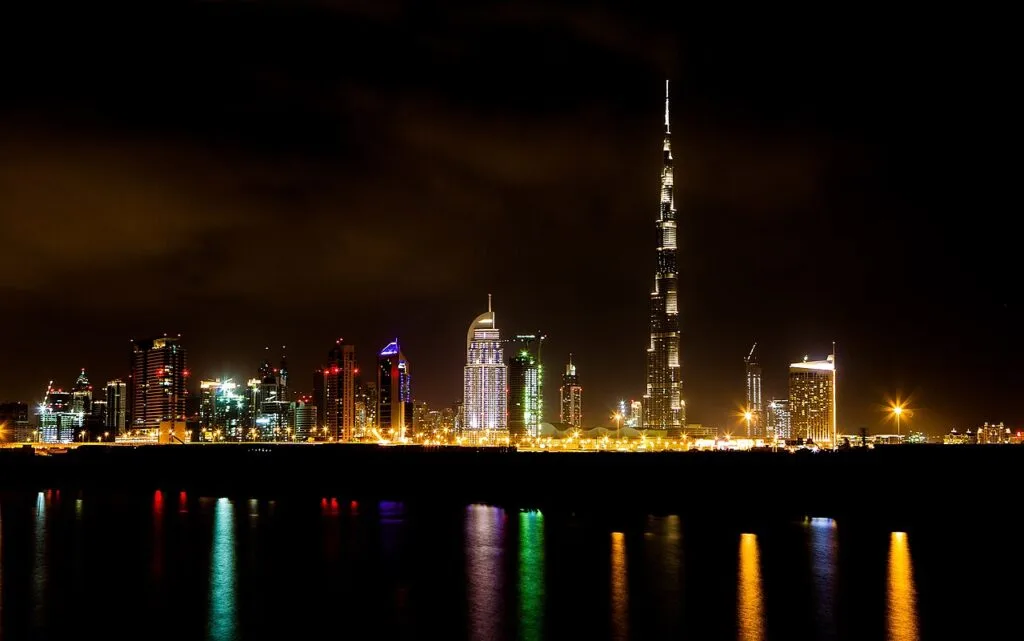
Dubai is a car city at heart — built around a highway network with attractions spread across 50+ km of coastline and desert. However, the Dubai Metro has transformed public transport, providing a fast, clean, and cheap spine through the city from the airport to the Marina. The Metro connects to trams, buses, water taxis, and the monorail on Palm Jumeirah. Taxis and ride-hailing (Careem and Uber) are cheap by Western standards and essential for reaching places off the Metro line. The city is too spread out and too hot for walking between areas, though individual districts (Dubai Marina, JBR, Old Dubai) are walkable internally.
Transport Options:
More: When to visit Dubai · Dubai travel guide
1. Dubai Metro
Two lines — Red (from Rashidiya/Airport through the city to Jebel Ali) and Green (a loop through Deira and Bur Dubai). The Metro is modern, clean, air-conditioned, and covers most tourist areas. Fares are 3-8.50 AED depending on zones using a Nol Card. Trains run every 3-5 minutes from 5 AM to midnight (Thursdays until 1 AM, Fridays 10 AM to 1 AM). Gold Class and Women & Children cars available. The Red Line connects the airport to Downtown, Marina, and Mall of the Emirates. Essential for avoiding Dubai’s traffic.
2. Taxis and Ride-Hailing
Cream-coloured RTA taxis are metered, plentiful, and cheap — flag fall 5 AED (12 AED from airport), plus 1.96 AED/km. A ride from Downtown to the Marina costs about 40-60 AED. Careem and Uber both operate citywide with similar pricing. Careem is preferred locally. Pink-roofed taxis are driven by women for female passengers. The Hala Taxi app is the RTA’s official booking platform. Taxis are essential for reaching beach clubs, restaurants, and areas not on the Metro line.
3. Dubai Tram and Monorail
The Dubai Tram runs along Al Sufouh Road connecting Dubai Marina, JBR Beach, and Media City to the Metro (Red Line interchange at DMCC). Fare is 3 AED with a Nol Card. The Palm Jumeirah Monorail connects the Tram (Palm Gateway station) to Atlantis at the end of the Palm. Monorail fare is 15 AED one-way. These fill the gap between the Metro and the Marina/Palm area. The Tram runs every 8 minutes from 6 AM to 1 AM.
4. Water Taxis and Abras
Traditional wooden abras cross Dubai Creek between Deira and Bur Dubai for just 1 AED — one of the best-value experiences in the city. Water taxis and ferries run by the RTA connect the Marina, Festival City, and the Creek. The Dubai Ferry offers a scenic 90-minute coastal tour from Marina to Al Ghubaiba (50 AED). The abra crossing is atmospheric and connects the Gold Souk (Deira) to the Textile Souk (Bur Dubai). Water buses along the Creek cost 2 AED with a Nol Card.

5. Rental Cars
International and local companies offer rentals from 100-200 AED/day for economy cars. Dubai’s roads are wide, well-maintained, and well-signposted. Driving is easy but aggressive — tailgating on Sheikh Zayed Road is an art form. Parking at malls is free; street parking uses the mParking app (4 AED/hour). Essential for desert excursions, Abu Dhabi day trips, and reaching attractions not on the Metro. Speed cameras are everywhere — fines are steep. An international driving permit is recommended.
6. Buses
Dubai’s RTA bus network covers areas the Metro doesn’t reach. Fully air-conditioned with Nol Card payment (3-5 AED). Route 8 connects Deira to Gold Souk; Route X28 is an express from Airport to Ibn Battuta Mall. Buses are comfortable but infrequent on some routes (every 20-40 minutes). Real-time tracking via the RTA app. Not the primary transport for tourists but useful for specific routes. The Big Bus Dubai hop-on/hop-off tour (270 AED) covers all main attractions with commentary.

Transport Tips for Dubai
Buy a Nol Silver Card (25 AED including 19 AED credit) at any Metro station — it works on Metro, Tram, buses, and water buses. The Metro is the best way to reach the airport (Terminal 1 and 3 on Red Line). Dubai is too hot to walk between areas from May to October — use the Metro and taxis. Friday is the busiest day on roads (weekend day). Mall of the Emirates and Dubai Mall have direct Metro stations. The Dubai Ferry from Marina to Old Dubai is a scenic alternative to driving. Download the RTA Dubai app for real-time transport info.
What is the best way to get around Dubai?
The most practical options are Dubai Metro and Taxis and Ride-Hailing. Two lines — Red (from Rashidiya/Airport through the city to Jebel Ali) and Green (a loop through Dei…
Do I need a car in Dubai?
No. The driverless Dubai Metro, tram, and RTA buses all run on one Nol card, and Careem and Uber are cheap and everywhere. Rent a car only for Hatta, desert excursions, or Abu Dhabi day trips; city traffic and paid parking make driving a hassle.
Is public transport safe in Dubai?
Very safe. The metro, tram, and RTA buses are clean, monitored, and strictly policed; petty crime is rare. Mind the rules instead: fines for eating onboard, and the women and children cabin on the metro is off limits to men.
Related Articles
- 12 Best Things to Do in Dubai
- Where to Stay in Dubai: Best Neighbourhoods for Every Budget
- Best Time to Visit Dubai (2026 Local Guide)
- 3-Day Dubai Itinerary
Frequently Asked Questions
You Might Also Love




Written by
John Morrison is the founder and lead travel writer at Packzup. Over the past decade he has explored destinations across Africa, the Americas, Asia, Europe, the Middle East, and Oceania — always self-funded, never on a press trip.