
Last updated September 12, 2026 · Editorial policy
Quick answer: Yes — Dubrovnik is worth visiting for its breathtaking walled Old Town and the famous walls walk, especially for history and Game of Thrones fans. But it’s small (1–2 days is enough), crowded on cruise days, and one of Croatia’s most expensive spots. Pair it with Split, the islands, or Kotor in Montenegro.
Why Dubrovnik is worth it
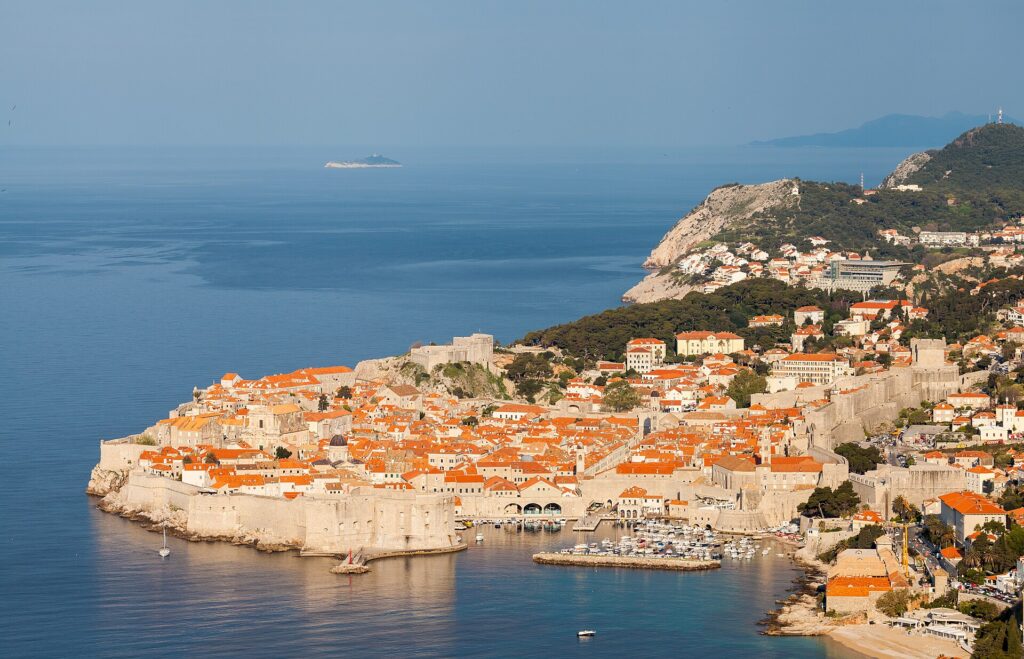
The Old Town is a UNESCO marvel of marble streets and baroque buildings, and walking the city walls above the terracotta rooftops and blue Adriatic is unforgettable. Add a cable car up Mount Srd for the view and you have a genuinely special day or two.
The downsides to know
It gets extremely crowded when cruise ships are in (mornings especially), prices are high, and the Old Town is compact — most visitors find one to two days plenty. Summer heat and crowds peak in July–August.
Who should visit
Go for history, scenery, photography and the walls walk. If you want beaches and a slower pace, base on the nearby islands or in Split and visit Dubrovnik as a highlight, not your whole trip.
Smart alternatives and add-ons
Combine Dubrovnik with Kotor (Montenegro, ~2 hours away), the Elaphiti Islands for beaches, or Split further up the coast — see our Croatia itinerary.
Tips
Walk the walls early or late to beat the heat and cruise crowds, check cruise-ship schedules, and stay just outside the Old Town for better value.
The honest verdict: what is actually worth your euros in Dubrovnik
Here is the candid math most guides skip. The City Walls loop is roughly 2 km and takes about 1.5 to 2 hours, and the main-season ticket runs around 40 euros per adult. For two adults plus two teenagers that is over 100 euros before you have eaten lunch, so Dubrovnik rewards people who treat it as a tight, planned highlight rather than a leisurely week.
The overrated part is the Game of Thrones photo circuit. Fort Lovrijenac and the Jesuit Staircase (Cersei’s walk of shame) are genuinely handsome, but you can see them on a free morning walk without paying for a themed tour that retraces ground you cover anyway. The underrated part is what happens at the edges of the day: the Buza cliff bars cut into the southern wall, and the ferry to Lokrum (around 30 euros including reserve entry, roughly a 15-minute crossing) where the peacocks and old monastery sit well away from the crush.
- Worth it if: you start the walls by 8am, give it one or two focused days, and pair it with Lokrum or the Elaphiti islands.
- Skip it if: you arrive midday on a cruise day in July, want a beach base, or expect a budget city break.
The cruise-ship cap, and how to read the day
Dubrovnik’s crowding problem is specific and measurable: the old town is a walled area of a few hundred metres across, and for years it received several large cruise ships at once. Since 2019 the city has operated a memorandum of understanding with the cruise industry limiting arrivals to two ships a day carrying no more than 5,000 passengers in total, with minimum port-stay requirements that spread those passengers across a longer window — eight hours for ships up to 4,000 passengers and twelve for larger ones. It sits alongside restrictions on tour-group sizes, luggage wheels in the old town and the number of restaurant tables on the main street.
It has helped and it has not solved it. The practical approach is to read the day rather than the season. Cruise arrival schedules for the port of Gruž are published in advance, and the passengers are ashore roughly between nine and five. Before eight in the morning and after six in the evening the old town is a different place — genuinely quiet, with the limestone streets empty and lit. If you are staying overnight, invert the normal schedule entirely: walls at opening, beach or island in the middle of the day, old town in the evening.
What it costs, and the euro
Dubrovnik is expensive by Croatian standards and by Adriatic standards generally, and the gap between it and the rest of the country is large. Croatia adopted the euro on 1 January 2023 and joined the Schengen area on the same date, which removed the kuna and the land border checks with Slovenia and Hungary — older guidance referring to kuna is out of date, and prices rose noticeably around the changeover.
The specific costs to plan for: the city walls ticket is the single largest fixed expense of a visit and is not cheap, though it is worth it and is included in some multi-attraction passes; the cable car up Srd is priced separately and there is a free walking path up for the energetic; and restaurants on Stradun and the immediately adjoining lanes carry a substantial location premium. Eating ten minutes outside the walls, in Lapad or Gruž, costs a fraction of the same meal inside them. Accommodation inside the walls is atmospheric, expensive and involves a great many stairs with luggage.
Where to go instead, or as well
If the walled-Adriatic-town experience is what you are after, Dubrovnik is not the only one and several alternatives are cheaper and quieter. Kotor, in Montenegro, is about two hours south with a fortified old town under a mountain and a fjord-like bay, though it now receives cruise ships of its own. Ston, an hour north on the Pelješac peninsula, has the longest defensive wall in Europe after the Great Wall, salt pans worked since Roman times and outstanding oysters, and almost no crowds.
As day trips from Dubrovnik itself: the Elaphiti Islands are a short ferry away and are largely car-free, with Lopud in particular having a proper sand beach; Lokrum is fifteen minutes by boat and has a botanical garden, a monastery and free-roaming peacocks; and Cavtat, south towards the airport, is a smaller waterfront town reachable by a pleasant boat ride. Further afield, Mostar in Bosnia and Herzegovina is a long but rewarding day, and it crosses a non-Schengen border, so carry your passport and allow for the queue.
FAQ
Is Dubrovnik worth visiting?
How many days do you need?
Compare with our Greece vs Croatia guide.
You Might Also Love

Written by
John Morrison is the founder and lead travel writer at Packzup. Over the past decade he has explored destinations across Africa, the Americas, Asia, Europe, the Middle East, and Oceania — always self-funded, never on a press trip.
