
Last updated September 8, 2026 · Editorial policy
Quick answer: A classic east-to-west Swiss rail loop — Zurich to Lucerne and Mount Pilatus, on through the Jungfrau region to the Jungfraujoch, over to car-free Zermatt beneath the Matterhorn, and finishing aboard the Glacier Express to St. Moritz. Best months: June-September for hiking + open mountain railways. December-March for skiing. Avoid April-May (mountain peaks closed for transition) and October (foliage but rainy). Total cost: US$2800-4500 mid-range / US$8000+ luxury per person. Includes Swiss Travel Pass, accommodation, food, attractions. Excludes international flights.
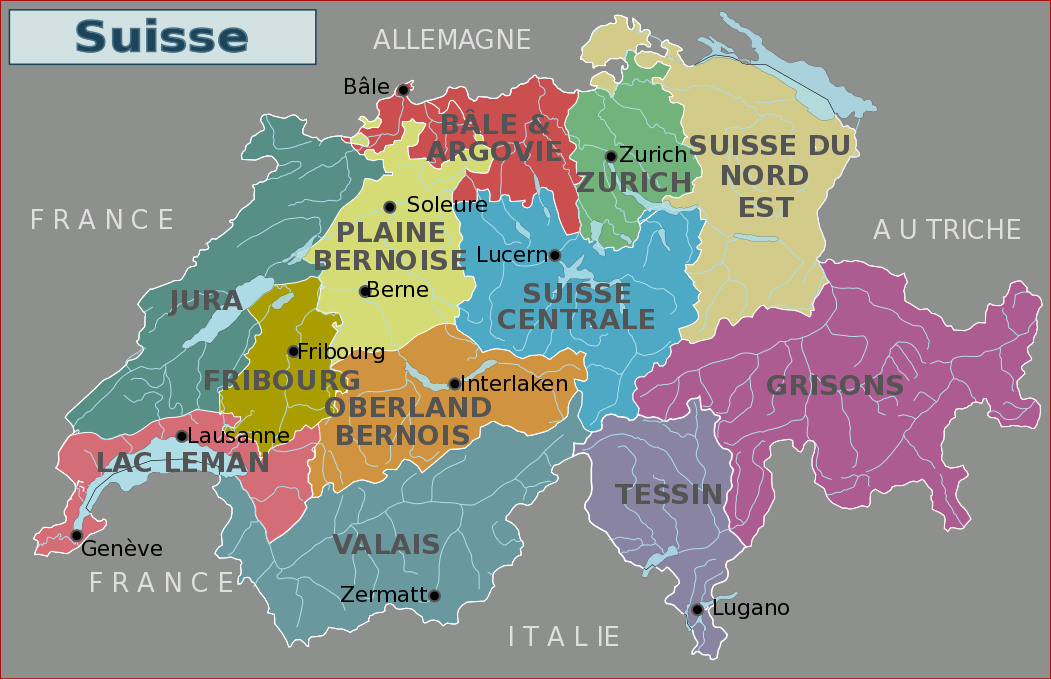
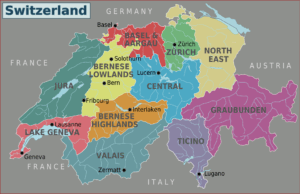
Seven days lets you experience Switzerland’s classic four — Zurich + Lucerne + Jungfrau region + Zermatt — using the legendary Swiss rail network. This itinerary uses the Swiss Travel Pass (worth it for 7+ days) and includes specific viewpoints + cog-railway tips. Built across 2 personal Switzerland trips.
Switzerland itineraries by trip length
Still deciding? Compare: Switzerland vs Austria · Italy vs Switzerland
Day-by-day breakdown
Day 1 — Arrive in Zurich
Land at Zurich Airport and take the direct train to Zurich HB in about 10 minutes (roughly CHF 7, around $8) before dropping your bags near the station. Spend the afternoon on foot in the Old Town (Altstadt), wandering the cobbled Niederdorf lanes and crossing the Limmat to see the twin towers of the Grossmünster and the Chagall stained glass inside the Fraumünster (church entry is a few francs). Stroll the elegant Bahnhofstrasse, then walk down to the Lake Zurich waterfront at Bürkliplatz as the light softens. For dinner, try a local classic like Zürcher Geschnetzeltes — veal in a creamy mushroom sauce with rösti — at a traditional guildhall restaurant; expect roughly CHF 35–50 (about $40–60) for a main. Planning note: buy a Swiss Travel Pass before you arrive, since it covers most of this trip’s trains, boats and many mountain discounts and pays for itself fast.
Day 2 — Lakeside Lucerne
Ride the frequent direct train from Zurich to Lucerne in about 45 minutes (covered by the Swiss Travel Pass). Lucerne rewards slow walking: cross the wooden, flower-lined Chapel Bridge (Kapellbrücke) with its octagonal water tower, then follow the painted facades of the Old Town squares like Weinmarkt. Pay your respects at the poignant Lion Monument, Mark Twain’s “saddest stone in the world,” a short walk uphill. In the afternoon, board a Lake Lucerne paddle-steamer cruise from the quay by the station (shorter loops run about CHF 30–50, roughly $35–60, and are free with the Swiss Travel Pass). Planning note: the city’s medieval Musegg Wall towers are free to climb in the warmer months and give you the best rooftop panorama of the lake and Alps. For dinner, seek out cheese fondue or älplermagronen, the Alpine mac-and-cheese with apple sauce.
Day 3 — Mount Pilatus Day
Give today to the mountains with the celebrated Golden Round Trip to Mount Pilatus. Start with a morning Lake Lucerne boat to Alpnachstad, then climb aboard the world’s steepest cogwheel railway, angling up to nearly 2,132 metres; descend the far side by aerial cableways through Fräkmüntegg to Kriens, and return to the city by bus. The full combination ticket runs about CHF 120 (roughly $135) in 2026, with a 50% discount for Swiss Travel Pass holders; the round trip operates only from about mid-May to mid-October, so check dates. Book a morning slot to beat both crowds and afternoon haze. Up top, walk the ridge trails for views over Lake Lucerne and, on clear days, a sweep of Bernese and central Alpine peaks. Planning note: ride the cogwheel up and the cableway down — the steep rack ascent is far more dramatic in that direction.
Day 4 — Into the Jungfrau
Take the scenic Luzern–Interlaken Express, a roughly 1-hour-50-minute panoramic run along the Brünig Pass past the turquoise Sarnen and Lungern lakes (Swiss Travel Pass valid; grab a seat on the left leaving Lucerne). Base yourself in Interlaken, set between lakes Thun and Brienz, or push on to the village of Grindelwald beneath the Eiger’s north face. Afternoon options abound: ride the Grindelwald–First gondola for cliff-walk views, or take the train up to car-free Lauterbrunnen, the valley of 72 waterfalls, to see the free-falling Staubbach Falls plunge nearly 300 metres. Planning note: the Harder Kulm funicular above Interlaken (about CHF 38 return, roughly $43) delivers a superb twin-lake sunset panorama with far smaller crowds. For dinner, warm up with a bubbling regional cheese fondue.
Day 5 — Top of Europe
Reserve today for the Jungfraujoch, the “Top of Europe” and continental Europe’s highest railway station at 3,454 metres. From Interlaken Ost, cogwheel trains climb via Grindelwald or Lauterbrunnen and Kleine Scheidegg, then bore through the Eiger to the summit terminus; the full return costs about CHF 261 in summer 2026 (roughly $295), with a 25% discount for Swiss Travel Pass holders and mandatory seat reservations from May to October. At the top, walk the Sphinx Observatory terrace, step inside the glittering Ice Palace carved into the glacier, and gaze out over the Aletsch Glacier, the Alps’ longest. Planning note: catch the earliest train for the clearest skies and thinner crowds, dress in real layers even in July, and pace yourself — the altitude is genuinely felt. Descend in time for a relaxed valley evening.
Day 6 — Matterhorn at Zermatt
Transfer to Zermatt, changing trains at Spiez and Visp on a journey of about 2 hours 15 minutes through the Lötschberg tunnel (Swiss Travel Pass valid). Zermatt is blissfully car-free, reached by the final cog-train leg, and the pyramid of the Matterhorn looms over its lanes. This afternoon, ride the Gornergrat cog railway, Europe’s highest open-air rack railway, up to 3,089 metres for a jaw-dropping 360-degree panorama facing the Matterhorn; the return fare is about CHF 132 in summer 2026 (roughly $150), halved with a Swiss Travel Pass. Planning note: hop off at Rotenboden on the way down and walk 10 minutes to the Riffelsee, whose still water mirrors the Matterhorn on calm mornings. Back in the village, wander Bahnhofstrasse and the old Hinterdorf quarter of timber storehouses, and try raclette, the melted Valais cheese scraped over potatoes.
Day 7 — Glacier Express Finale
Cap the trip with one of the world’s great rail journeys, the Glacier Express from Zermatt to St. Moritz. The panoramic train winds roughly 7.5 to 8 hours across 291 kilometres, crossing the graceful Landwasser Viaduct and topping the Oberalp Pass at 2,033 metres, with a multi-course lunch served at your seat. Summer departures leave Zermatt around 8:52am and 9:52am; the base fare is covered by the Swiss Travel Pass, but the seat reservation is mandatory and costs about CHF 49–54 (roughly $55–60), so book well ahead. Arrive in glamorous St. Moritz in the Engadine by late afternoon for a lakeside stroll. Planning note: the return leg often has better afternoon light on the eastern stretches, and sitting on the valley side maximises viaduct and gorge views. Toast the journey with an Engadine specialty like nusstorte, the caramelised walnut tart.
What to book ahead
- Swiss Travel Pass: Buy online before arriving. 7-day pass US$430 covers all trains, buses, lake boats. Worth it if doing 3+ scenic train segments.
- Jungfraujoch: Book 1+ months ahead in summer. Best window: 9-11am for clearest peak views. US$220 round trip from Interlaken.
- Glacier Express: Book 2-3 months ahead for window seats. Full route Zermatt → St. Moritz is 8h. Most do partial segments only.
- Zermatt accommodation: Book 4+ months ahead for July-August + Christmas/February ski season. Car-free village limits options.
A local planning note
Take the Jungfraujoch alternative: Mt. Männlichen ($50) + the Eiger Walk hike instead of paying $220 for Jungfraujoch on a cloudy day. The 1.5-hour Männlichen-to-Kleine-Scheidegg hike gives you Eiger North Face views from arguably the most beautiful trail in Switzerland.
Best time for this trip
June-September for hiking + open mountain railways. December-March for skiing. Avoid April-May (mountain peaks closed for transition) and October (foliage but rainy).
Smart routing for Switzerland: the mistakes to avoid
The costliest sequencing error on a Swiss week is buying the Swiss Travel Pass on autopilot when your big-ticket plan is Jungfraujoch. The pass only knocks 25 percent off the Top of Europe leg, while the Swiss Half Fare Card (about CHF 120 for a month) takes 50 percent off that same cogwheel ride from Kleine Scheidegg. On a roughly CHF 230 Jungfraujoch fare that gap is larger than the price of the card itself, so travelers fixated on the glacier almost always come out ahead buying half-price point-to-point tickets instead. The Half Fare Card also covers 50 percent on the Grindelwald-First gondola and the Schilthorn cable car, both of which the standard pass discounts less generously.
The second avoidable mistake is hopping between five or six hotels in seven nights. Base in Interlaken or Lauterbrunnen for the Bernese Oberland and day-trip out to Grindelwald, Murren and Schynige Platte from one room, then make a single move to Zermatt. Repacking nightly burns a scenic morning to luggage and check-in every single day.
Frequently asked questions
Is 7 days enough for Switzerland?
Yes for the classic Zurich + Lucerne + Interlaken + Zermatt circuit. 10 days adds Geneva + Lake Geneva + Montreux. 14 days for complete circuit including Italian-speaking Ticino.
How much does a 7-day Switzerland trip cost?
Switzerland is one of Europe’s most expensive countries. Mid-range: US$2800-4500. Luxury: US$8000+. Budget below US$2200 is hard.
Is the Swiss Travel Pass worth it?
Yes if you’re doing 3+ scenic train segments (Glacier Express, Bernina, Golden Pass, Gornergrat). For under 5 days or single regions, point-to-point tickets cheaper.
Best time for Switzerland?
June-September for hiking + alpine wildflowers. December-March for skiing. Avoid mud season (April-May, October-November).
Do I need German or French?
No — English widely spoken in tourist areas. German, French, Italian, Romansh are official languages. Switzerland is highly multilingual.
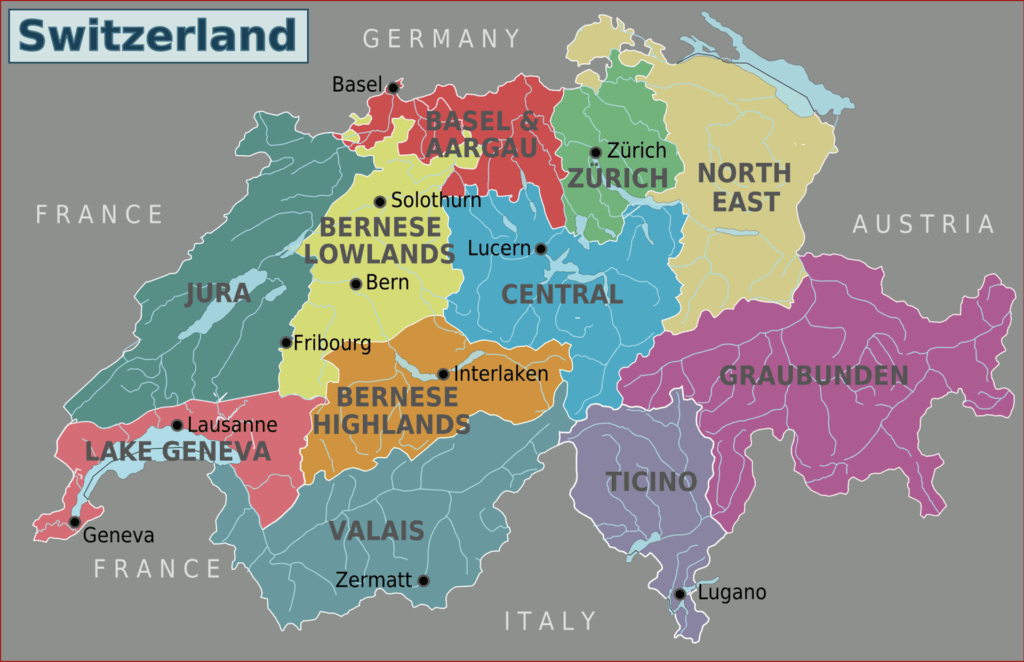
Plan your Switzerland trip
Best time to visit Switzerland (real climate data)
Best months: June, July, August, September.
Switzerland’s warmest month is July (avg 25°C / 77°F), the coolest is January (low -2°C / 29°F). The wettest is May (128 mm) and the driest is February.
Source: Open-Meteo / WMO climate normals (WMO 1991–2020, or ERA5 2019–2023 where unavailable). See the full month-by-month weather →
You Might Also Love

Written by
John Morrison is the founder and lead travel writer at Packzup. Over the past decade he has explored destinations across Africa, the Americas, Asia, Europe, the Middle East, and Oceania — always self-funded, never on a press trip.
Trip prep: before you travel, plan what to wear, check the tap water, sort your mobile data, and see if it is a cash or card country, and skim local etiquette.
