
Last updated September 11, 2026 · Editorial policy
Puerto Rico and the Dominican Republic sit less than an hour’s flight apart, share the same turquoise Caribbean water and a deep Spanish colonial past, and still deliver two completely different trips. Puerto Rico is a US territory: no passport needed for American citizens, US dollars, familiar pharmacies and phone plans, all on a compact island you can drive across in a few hours. The Dominican Republic is a full foreign country and the Caribbean’s all-inclusive heavyweight — roughly five times the size, noticeably cheaper, and rougher around the edges in ways that feel either charming or exhausting depending on your travel style.
We’ve done both more than once — the San Juan food crawl and the Punta Cana resort week, the El Yunque rainforest and the Samaná coast — and this is the comparison we give friends who ask. The short version: Puerto Rico is easier and tastier, the Dominican Republic is cheaper and wilder, and the right answer depends almost entirely on the kind of week you’re planning. Here’s the honest breakdown.
| Category | Puerto Rico | Dominican Republic | Winner |
|---|---|---|---|
| Beaches | Excellent, best on Culebra and Vieques | Long, powdery and everywhere | Dominican Republic |
| Food & drink | Outstanding — a genuine food destination | Good local food, weak resort buffets | Puerto Rico |
| All-inclusive resorts | Few true all-inclusives | The Caribbean’s best selection and prices | Dominican Republic |
| Nature & adventure | Rainforest, bio bays, caves, surf | Highest peak in the Caribbean, waterfalls, whales | Dominican Republic |
| Culture & history | Old San Juan, Santurce art scene | Zona Colonial, merengue and bachata | Puerto Rico (barely) |
| Nightlife | La Placita, salsa clubs, rooftop bars | Dance halls and beach bars, more spread out | Puerto Rico |
| Ease for US travelers | No passport, US dollars, US phone plans | Passport required, more logistics | Puerto Rico |
| Value for money | US prices on most things | 30–50% cheaper across the board | Dominican Republic |
Cost comparison
This is the biggest single difference between the two islands. Puerto Rico runs on US prices: groceries, gas, hotels and restaurant bills all feel like a mid-priced American city. Budget travelers can scrape by on $100–150 a day using guesthouses and beach kiosks, but a realistic midrange trip — a decent hotel in San Juan or Rincón, a rental car, two restaurant meals a day — lands around $250–400 daily for a couple. Boutique hotels in Old San Juan commonly run $180–300 a night in winter, cocktails are $10–14, and a proper mofongo dinner is $15–25 a plate.
The Dominican Republic is a different economy. Independent travelers in towns like Las Terrenas or Cabarete manage comfortably on $60–100 a day, a lunch of la bandera (rice, beans and stewed meat) at a local comedor costs a few dollars, and a cold Presidente beer rarely tops $3 outside the resort zones. The all-inclusive math is even more striking: shoulder-season Punta Cana packages often work out cheaper per night, with all food and drink included, than a room-only hotel in Condado. The value gap here is as dramatic as the one in our Colombia vs Mexico comparison — expect the DR to cost roughly 30–50% less for an equivalent trip.
Beaches & islands
Here’s the honest hierarchy. The single best beach across both countries is Flamenco Beach on Culebra, a small Puerto Rican island reached by ferry or puddle-jumper: a horseshoe of blinding white sand and glassy water that shows up on world’s-best lists for a reason. The catch is that Puerto Rico’s mainland beaches don’t consistently reach that level. Condado and Isla Verde are pleasant urban strands, Luquillo is a solid family beach, and the west coast around Rincón is more about surf than swimming — good, not jaw-dropping.
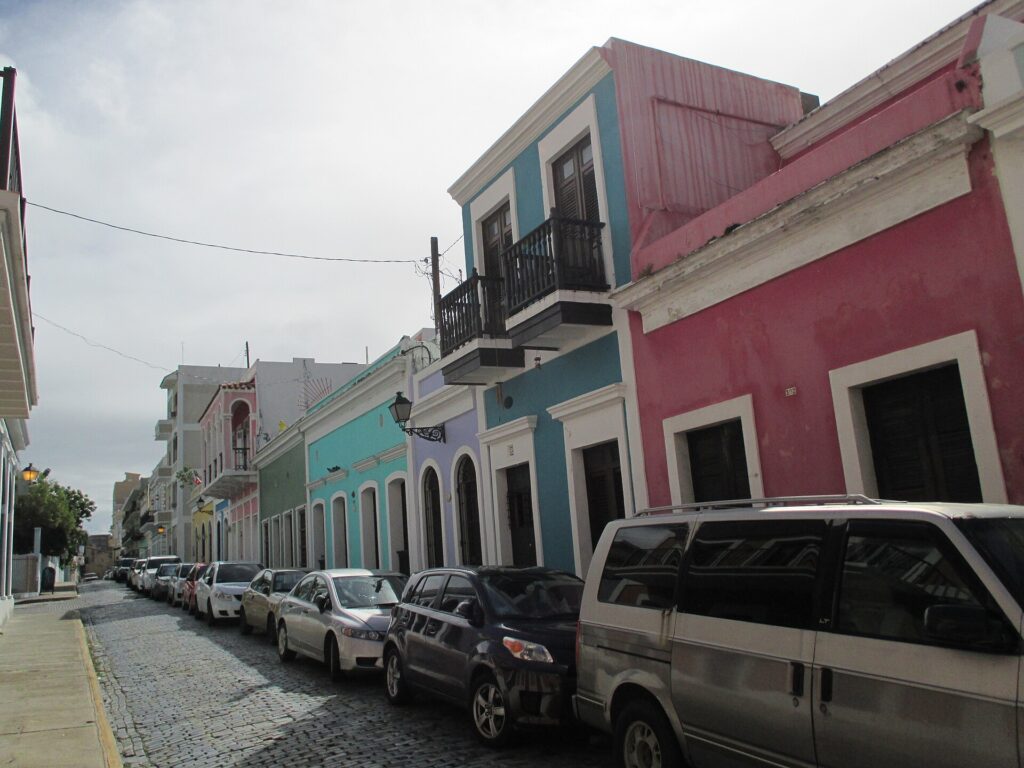
The Dominican Republic wins on sheer supply. The Punta Cana–Bávaro coastline is mile after mile of the powdery, palm-leaning sand the Caribbean brochures promise, and it keeps going: Playa Rincón on the Samaná Peninsula, the sandbars of Saona Island, the mellow expat beaches of Las Terrenas. If your trip is fundamentally about lying on postcard sand every single day, the DR delivers that with less effort. If you’re willing to work for one perfect beach day, Culebra is Puerto Rico’s trump card.
Resorts & where to stay
The Dominican Republic essentially perfected the modern all-inclusive, and it shows. Punta Cana alone offers an entire spectrum — family megaresorts with waterparks, adults-only compounds, cheap-and-cheerful three-stars — at prices no US-flag destination can match. If your ideal vacation is a wristband, a swim-up bar and zero decisions for a week, this is the easiest call in the whole comparison.
Puerto Rico plays a different game. True all-inclusives are rare; instead you get boutique hotels in Old San Juan’s pastel streets, surf lodges around Rincón, paradores in the mountains and a deep short-term rental market. That suits travelers who plan to be out exploring all day and just need a pleasant base. It also means Puerto Rico punishes the resort mindset: parking yourself at a fancy Dorado or Fajardo property costs dramatically more than the equivalent week in Punta Cana.
Food & drink
Puerto Rico is one of the Caribbean’s genuinely great food destinations, and it’s not close. Eat alcapurrias and fried snapper at the beach kiosks of Piñones, drive the lechón route in Guavate for slow-roasted pork on a Sunday, bar-hop La Placita de Santurce where a produce market turns into a street party after dark, and join the eternal argument over which San Juan bar invented the piña colada. Add serious coffee grown in the island’s own mountains and a lively modern restaurant scene in Condado and Santurce, and you can build an entire trip around eating.
Dominican food is honest and comforting rather than dazzling — mangú with fried cheese for breakfast, sancocho stew, grilled fish with coconut rice on a Samaná beach, a bottle of mamajuana passed around after dinner. It’s good, and absurdly cheap at local spots. The problem is that most visitors never taste it, because resort buffets flatten everything into international mediocrity. Foodies should either pick Puerto Rico or commit to leaving the resort regularly.
Nature & adventure
This one surprises people: the Dominican Republic is the adventure island. It has the Caribbean’s highest peak in Pico Duarte, a proper multi-day trek; canyoning at the 27 waterfalls of Damajagua; world-class kitesurfing at Cabarete; and humpback whales gathering in Samaná Bay every winter, one of the great wildlife spectacles in this half of the world. Distances are long, but the raw material is extraordinary — if that’s the trip you want, it belongs on the same shortlist as the treks in our Peru vs Colombia comparison.
Puerto Rico counters with accessibility. El Yunque, the only tropical rainforest in the US National Forest system, is under an hour’s drive from San Juan. The bioluminescent bay on Vieques, often cited as the brightest in the world, is a genuine bucket-list night. Add the Camuy cave system, winter surf in Rincón, and the fact that all of it works as day trips from a single base. The DR has more; Puerto Rico makes it easier.
Culture, history & nightlife
Santo Domingo’s Zona Colonial is the historical heavyweight: the first cathedral in the Americas, streets Columbus’s own family walked, the oldest continuously inhabited European city in the hemisphere. It’s genuinely moving — and it sits inside a sprawling, chaotic capital that most beach tourists never see. Old San Juan, by contrast, is a 500-year-old walled city that’s compact, beautifully restored and effortless: blue cobblestones, El Morro’s ramparts above the Atlantic, galleries and bars packed into a few walkable blocks. History purists may prefer Santo Domingo; almost everyone else will have a better time in Old San Juan.
Nightlife follows the same pattern. San Juan concentrates its energy — La Placita on a weekend night is one of the best nights out in the Caribbean, salsa spilling from every doorway. The DR’s scene is bigger but more diffuse: merengue and bachata were born here and locals dance everywhere, from Santo Domingo clubs to beach-shack speakers in Las Terrenas, but resort-zone nightlife is mostly hotel entertainment. It’s the same concentrated-versus-sprawling split we found in Argentina vs Brazil.
Safety & ease of travel
Neither island is dangerous for tourists who use normal city sense, but they demand different levels of effort. Puerto Rico is functionally domestic travel for Americans: US phone plans work without roaming, tap water is drinkable, pharmacies stock what you expect, and if something goes wrong you’re inside US legal and medical systems. Petty theft exists in San Juan and rental cars do get broken into at trailheads — don’t leave valuables visible — but that’s the extent of most visitors’ worries.
The Dominican Republic asks for more street smarts. Resort zones are heavily secured and feel effortless, but independent travel involves persistent hustling around airports and attractions, taxi negotiations, and roads we would honestly rather not drive on a first visit. None of this is a reason to skip the DR — millions visit without incident every year — but if travel friction stresses you out, Puerto Rico is objectively the smoother ride.
Weather & when to go
Weather won’t decide this one: both islands hover in the low-to-mid 80s Fahrenheit all year, with warm sea temperatures and brief tropical downpours rather than washed-out days. High season on both runs mid-December through April — dry, breezy and priced accordingly. Both sit squarely in the hurricane belt, with the riskiest stretch from August through early October; decent travel insurance is sensible for late-summer trips to either island.
A few timing quirks worth knowing: humpback whales fill Samaná Bay from roughly mid-January to late March, which is the single best reason to time a DR trip. Surfers want Puerto Rico’s west coast between November and March. May and November are the sweet spots on both islands — shoulder-season prices, decent weather and thinner crowds.
Getting there & around
Puerto Rico’s San Juan airport is a major hub with cheap, frequent nonstops from most large US cities, and for US citizens it’s a domestic flight — no passport, no immigration line. Once you land, rent a car: public transport outside San Juan is minimal, and the good stuff (El Yunque, Rincón, the Ceiba ferry to Culebra and Vieques) needs wheels. Roads are decent; San Juan traffic is real.
The Dominican Republic has three main gateways — Punta Cana for the resort coast, Santo Domingo for the capital and the south, Puerto Plata for the north — and package deals with bundled flights keep airfare low. Everyone needs a passport, though the old tourist-card fee is now folded into most airline tickets. On the ground, most visitors rely on resort transfers or private drivers; distances are deceptive (Punta Cana to Samaná eats most of a day), and self-driving is only for the confident.
Puerto Rico or Dominican Republic: the honest verdict
Budget travelers and resort lovers: the Dominican Republic, without hesitation. Your money goes 30–50% further, the all-inclusive scene is the best in the Caribbean, and the beaches you’re picturing are exactly the beaches you get.
Foodies and culture-first travelers: Puerto Rico. Between Santurce, Guavate, Old San Juan and actual coffee farms, it out-eats the Dominican Republic decisively — food settled the verdict here the same way it did in our Croatia vs Portugal matchup.
Pure beach trips: the Dominican Republic, unless your itinerary genuinely includes Culebra — in which case Puerto Rico owns the single best beach day of the two.
First-timers: Puerto Rico for independent travelers and anyone nervous about logistics — it’s the Caribbean with training wheels, in the best possible sense. First-timers whose dream is an effortless all-inclusive week should flip that answer and book Punta Cana.
If we could only take one more trip: Puerto Rico for a week of eating, driving and exploring; the Dominican Republic for a week of doing absolutely nothing, beautifully. We’d take the Puerto Rico week — and envy your bar tab in Punta Cana.
FAQ
Is Puerto Rico or the Dominican Republic cheaper?
Do you need a passport for Puerto Rico or the Dominican Republic?
Which has better beaches, Puerto Rico or Punta Cana?
Is the Dominican Republic safe compared to Puerto Rico?
What it costs: Puerto Rico Trip Cost
You Might Also Love

Written by
John Morrison is the founder and lead travel writer at Packzup. Over the past decade he has explored destinations across Africa, the Americas, Asia, Europe, the Middle East, and Oceania — always self-funded, never on a press trip.
