
Last updated September 11, 2026 · Editorial policy
Dominican Republic is safe for prepared travelers. With basic awareness and precautions, most visitors have trouble-free experiences. This guide covers the real safety situation in Dominican Republic — no sensationalism, just practical advice based on current conditions and traveler reports.
The Short Answer: Yes, Dominican Republic is generally moderately safe for tourists (7/10). Standard travel precautions apply — watch for petty theft in tourist areas, use licensed transport, and keep valuables secured. Most visitors experience no safety issues.
The Real Safety Picture
Yes, Dominican Republic is safe with reasonable precautions. Stay aware of your surroundings, follow local advice, and you’ll likely have zero issues.
What Actually Goes Wrong in Dominican Republic
The most common issues travelers face: Road accidents, petty theft at resorts, bootleg alcohol risk, motorbike safety.
Important context: most of these risks are avoidable with preparation. Violent crime against tourists is very rare.
How to Stay Safe
Stay at reputable resorts. Don’t drink from unlabeled bottles. Use resort taxis. Wear sunscreen constantly. Keep valuables in safe. Be cautious of excursion operators without reviews. Avoid renting motorbikes without experience.
Where Not to Go
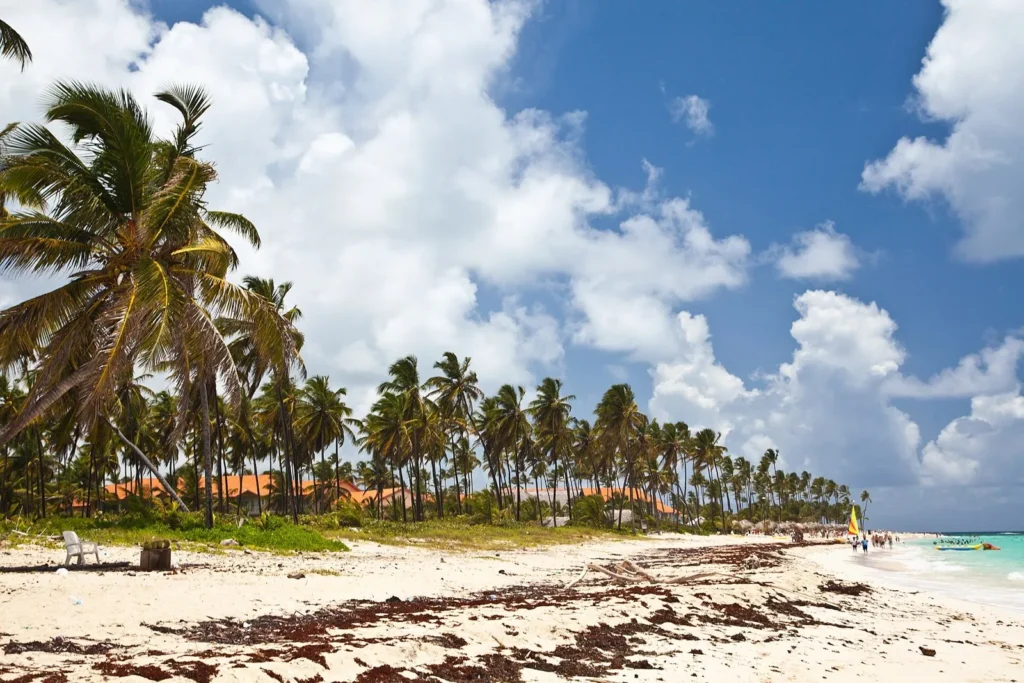
Parts of Santo Domingo at night, Haitian border areas. Resort areas (Punta Cana, Puerto Plata, Samaná) are very safe.
Is Dominican Republic Safe for Solo Female Travelers?
Solo female travelers generally report positive experiences with standard precautions — stay in well-reviewed accommodations, avoid isolated areas after dark, and trust your instincts.
If Something Goes Wrong
Emergency number: 911. Register with your country’s embassy before arrival. Keep digital and physical copies of your passport, insurance, and emergency contacts.
The Two Risks the Brochures Underplay (and the Advisory Level)
The US State Department keeps the Dominican Republic at Level 2, ‘Exercise Increased Caution’ (reaffirmed in 2026), the same tier as France or Italy. The honest read: resort corridors like Punta Cana are heavily policed and most trips are uneventful, but two risks get underplayed. The first is the road. The country logs around 65 traffic deaths per 100,000 people, among the world’s highest rates, and roughly 71 percent of those killed are motorcyclists. Motoconcho (motorbike taxi) drivers rarely carry a passenger helmet and weave through red lights, so skip them in favor of an authorized hotel or airport taxi, or Uber, which runs driver background checks in Santo Domingo and Santiago.
The second is a scam the brochures ignore. The State Department and the US Embassy in Santo Domingo both warn that travelers have been robbed and even held for ransom after meeting people through dating apps such as Tinder and Grindr; the Tourist Police (Politur) field these complaints regularly. A parallel fraud targets visitors over 65, with callers posing as a romantic partner or a relative in trouble to extract wire transfers. Solo women and anyone moving around after dark should lean harder on these precautions.
Bottom line: the Dominican Republic is reasonably safe by Caribbean standards, but treat the roads and dating-app meetups as the real hazards, not the beach.
FAQ
Is Dominican Republic safe for tourists in 2026?
Yes, Dominican Republic is safe with reasonable precautions. Stay aware of your surroundings, follow local advice, and you’ll likely have zero issues.
What are the main safety concerns in Dominican Republic?
Road accidents, petty theft at resorts, bootleg alcohol risk, motorbike safety.
What areas should tourists avoid in Dominican Republic?
Parts of Santo Domingo at night, Haitian border areas. Resort areas (Punta Cana, Puerto Plata, Samaná) are very safe.
Planning the trip? Start with best time to visit Dominican Republic.
You Might Also Love


Written by
John Morrison is the founder and lead travel writer at Packzup. Over the past decade he has explored destinations across Africa, the Americas, Asia, Europe, the Middle East, and Oceania — always self-funded, never on a press trip.
Good to know: staying healthy abroad starts with the water — see where the tap water is safe to drink, and dodge the classics with travel scams by country.
Checking other destinations? Is Egypt safe? · Is India safe? · Is Indonesia safe? · Is Istanbul safe?
