Last updated September 6, 2026 · Editorial policy
Based on the Packzup Cost Index (Pricey tier), typical on-the-ground totals per person, excluding international flights:
| Travel style | 7 days | 14 days |
|---|---|---|
| Budget | $385 - $700 | $770 - $1,400 |
| Mid-range | $1,260 - $2,100 | $2,520 - $4,200 |
| Luxury | $3,150 - $4,900 | $6,300 - $9,800 |
- Sweden trip cost: daily budget at a glance
- Cost Breakdown
- 7-Day Sample Budget
- Plan Your Budget
- The Honest Two-Tier Daily Budget (and the Costs That Sneak Up)
- FAQs
- What Does a Trip to Sweden Actually Cost?
- How to Save Money in Sweden
- When Is Sweden Cheapest to Visit?
- Related Articles
- Frequently Asked Questions
- What allemansratten actually permits, and the accommodation cost it removes
- The alcohol monopoly, and why a Friday afternoon decides your drinks budget
- Dagens lunch: the same kitchen, half the price, weekdays only
- How Swedes actually pay, and why your cash may not work
- The Arlanda station charge that sits on top of your train fare
- At a glance
- Frequently asked questions
Quick answer: A mid-range trip to Sweden costs $180-300/day.
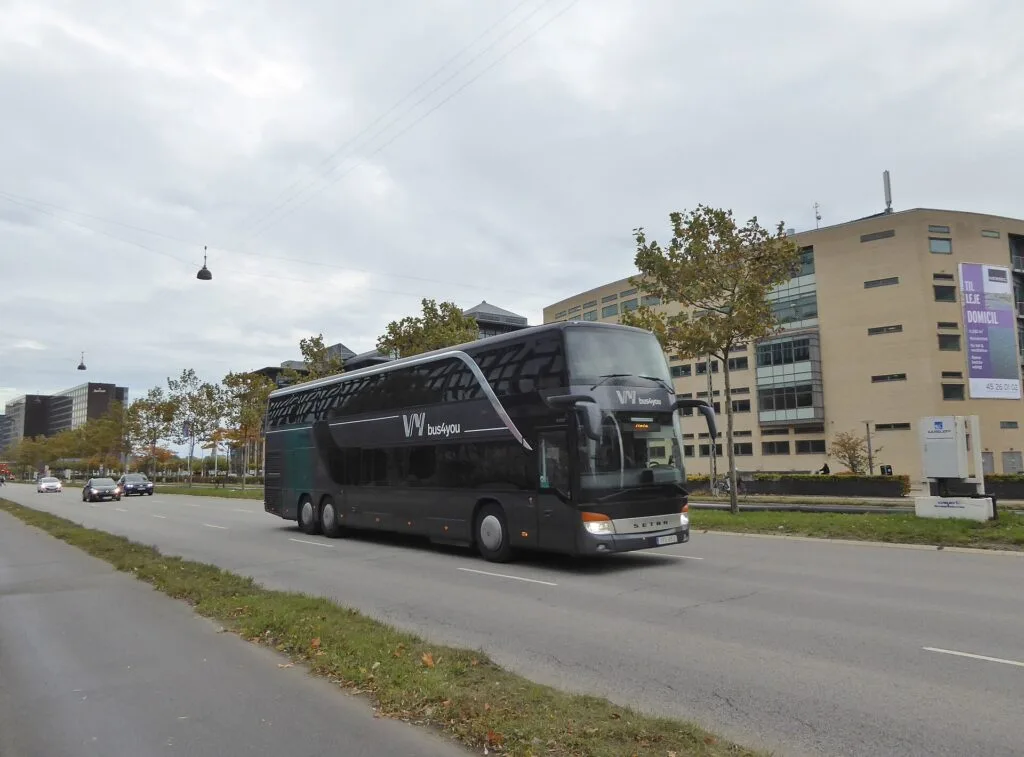
Trip costs to Sweden depend on travel style, season, and length.
Sweden trip cost: daily budget at a glance
Short answer: budget on roughly $170–300 per person per day mid-range (excluding international flights).
| Travel style | Per day (per person) | What it covers |
|---|---|---|
| Budget | $90–140 | Hostels/guesthouses, street food, public transport |
| Mid-range | $170–300 | 3-star hotels, restaurants, the odd tour or taxi |
| Luxury | $450+ | 4–5★ hotels, fine dining, private guides & transfers |
Cost Breakdown
- Budget: $50-100/day
- Mid-range: $180-300/day
- Luxury: $450+/day
7-Day Sample Budget
- Hotels: $400-1,500
- Food: $200-700
- Transport: $100-300
- Attractions: $100-300
- Total: $800-$2,800 (excluding flights)
Plan Your Budget
The Honest Two-Tier Daily Budget (and the Costs That Sneak Up)
Sweden splits cleanly into two real spending lanes once you cost it from the ground up. A true shoestring day runs around USD 70-80: a hostel dorm bed at roughly 200-300 SEK (about USD 20-30), groceries plus one cheap meal near USD 15, and a single Stockholm SL transit ticket at 43 SEK in 2025 (good for 75 minutes), with most museums and waterfront walks free. A comfortable independent day sits closer to USD 150-180, built on a private room or simple hotel at roughly 900-1,200 SEK, a sit-down dinner, a day transit pass, and one paid attraction. Over a typical 7-night trip that lands near USD 525 on the shoestring tier and around USD 1,100-1,260 at the comfortable tier, before flights.
The leaks travelers miss:
- ETIAS authorization launches in late 2026 at EUR 20 (about USD 23), valid three years; under-18 and over-70 travelers pay nothing.
- Tipping is not expected. The card prompt offering 0/5/10 percent is fine at 0, so do not auto-add a US-style 15-20 percent.
- Foreign-card FX surcharges of roughly 1-3 percent add up in near-cashless Sweden, so carry a no-FX card.
Money-saving swaps: book the Stockholm-Gothenburg SJ super ticket from about 250 SEK instead of a flexible 600-900 SEK fare to save around 400 SEK each way, and cook from a hostel kitchen to cut roughly 150-250 SEK off a restaurant dinner.
FAQs
How expensive is Sweden?
Mid-range: $180-300/day.
Cheapest way?
Off-season + hostels.
Flight booking timing?
60-90 days ahead.
What Does a Trip to Sweden Actually Cost?
Sweden uses the Swedish Krona (SEK). A cheap local meal runs $10-15, while a mid-range restaurant dinner costs $18-30. Taxis charge roughly $2-4 per kilometer, a beer averages $6-8, and a coffee is typically $3-5.
Sweden is expensive, but free access to nature (allemansr?tten) and free museum days help. Stockholm’s Gamla Stan, G?teborg’s food scene, and the Northern Lights in Abisko are worth the premium.
How to Save Money in Sweden
Eat where locals eat. Skip tourist-facing restaurants near major sights and walk a few blocks to where the prices drop. Lunch specials and set menus are almost always cheaper than dinner ? la carte.
Travel in shoulder season. Visiting just before or after peak season can cut accommodation costs by 30-50% while still offering good weather. Flights drop too ? use flexible date searches to find the sweet spot.
Use public transport. Taxis and ride-shares add up fast. Most popular destinations have reliable public transit that costs a fraction of what you would spend on private transfers. Research transit passes or tourist cards that bundle transport with attraction entry.
Book accommodation with a kitchen. Even making breakfast and the occasional dinner yourself saves hundreds over a week-long trip. Markets and grocery stores are also a great way to experience local food culture.
When Is Sweden Cheapest to Visit?
Like most destinations, Sweden is cheapest in the low season when fewer tourists compete for hotel rooms and flight seats. Shoulder months typically offer the best balance of price and experience ? decent weather without peak-season markups. Booking flights 6-10 weeks in advance and accommodation 4-8 weeks out generally yields the best rates.
Related Articles
Frequently Asked Questions
How much does a trip to Sweden cost?
A budget trip runs $30-60 per day including accommodation, food, and local transport. Mid-range travelers spend $80-150 per day, while luxury travel starts at $200+ daily.
Is Sweden expensive for tourists?
Cost depends on your travel style. Sweden can be affordable with budget accommodation and local food, or expensive if you opt for luxury hotels and fine dining.
How can I save money in Sweden?
Stay in locally-owned guesthouses, eat at local restaurants instead of tourist spots, use public transport, travel in shoulder season, and book flights early for the best deals.
What currency is used in Sweden?
Check the local currency before you go. ATMs are widely available in most destinations, and credit cards are accepted at larger establishments. Always carry some local cash for markets and small vendors.
What allemansratten actually permits, and the accommodation cost it removes
Sweden’s right of public access is the largest legal saving available to a visitor, because accommodation is the biggest line in a Swedish budget and the right supplies a lawful free alternative. The Swedish Environmental Protection Agency (Naturvardsverket) publishes the outdoor access code in English, and it is worth reading in its own words rather than in summary.
Where it applies. The agency states the right applies almost everywhere and includes privately owned land, but does not extend to areas with growing crops or to the private protection zone, meaning the area closest to someone’s residence. It suggests reading the ground for the boundary, using hedges, roads, ditches and forest edges as markers, and notes the zone is likely to be smaller in hilly or densely vegetated terrain and larger in open, flat country.
Staying the night. The agency’s rule of thumb is one or two nights, and it says explicitly that if you are several people with multiple tents you need landowner permission. Its test for siting a tent is that people living nearby should not be able to see or hear you from their private property and its surrounding zone. Boats may dock or anchor for a night at a respectful distance from homes.
Food from the land. You are free to pick wild flowers, berries and mushrooms and to gather twigs and branches from the ground, in moderation. Some plants are protected by law and may not be picked, and the county administrative board publishes which.
Fire. You may light a fire if conditions are safe and you carry full responsibility for it. The agency recommends a camping stove or a fixed barbecue area, warns against building fires against large rocks or cliffs, and points to the Brandrisk Ute app for live fire-risk information. A fire ban sign means no open fire at all. If you see a fire out of control, the number is 112. The code names three signs to watch for: a fire ban sign, meaning no fires may be lit in the open, a hunting sign, meaning hunting is in progress and you should choose a different location, and a bird protection area sign, meaning a zone where birds are safeguarded from disturbance, especially during nesting.
The limits that cost money. The right does not cover motor vehicles. Driving and parking off-road is illegal, and motor vehicles are not permitted on natural land such as beaches, forests and meadows, which is why a camper van or roof tent needs a legal place to park rather than a patch of forest. Hunting and fishing are excluded, and many lakes and rivers require a fishing permit. National parks and nature reserves may impose their own rules, and municipal regulations can restrict camping or fires in specific areas. Dogs must be kept on a lead from 1 March to 20 August, and always in reindeer husbandry areas, and the agency says a lead is highly recommended for the rest of the year too.
Two more limits are worth naming because people meet them without knowing. Electric bikes are not covered on the same terms as ordinary ones: the code says you may cycle in nature and on private roads and trails, but that e-bikes and e-mountain bikes on trails or off-road require the landowner’s permission. And cultivated land is out, meaning any area used for farming or gardening; where a trail crosses a pasture you may be able to cross, but the code tells you to keep a safe distance from animals, avoid bringing dogs and close the gates behind you.
The honest summary is that allemansratten is a right to pass through and to sleep briefly, not a right to occupy. It removes the cost of a bed for a night or two at a time. It does not remove the cost of parking a vehicle, of a fishing permit, or of a pitch when you are a group.
The alcohol monopoly, and why a Friday afternoon decides your drinks budget
You cannot buy wine, spirits or ordinary-strength beer in a Swedish supermarket. Under the Alcohol Act, alkohollagen (2010:1622), chapter 5 section 1 requires that retail sale of spirits, wine, strong beer and other fermented alcoholic drinks, and of alcoholic-drink-like preparations, be conducted through a limited company formed specially for the purpose and owned by the state. That company is Systembolaget, and it is the single biggest reason a Swedish drinks budget behaves differently from a European one.
Two thresholds do the work.
3.5 per cent by volume. Chapter 1 section 8 of the Act provides that beer with an alcohol content exceeding 3.5 per cent by volume is called starkol, strong beer. Below that line is folkol, which supermarkets may sell. This is why the beer in a Swedish grocery aisle is weaker than it looks, and why the same brand exists in two strengths.
Age 20. Chapter 3 section 7 provides that alcoholic drinks and alcoholic-drink-like preparations may not be sold or otherwise handed over to a person who has not reached 20 years of age, while licensed premises serve from 18. The words about handing over matter: buying for someone under 20 is caught by the same section, not just selling to them. Systembolaget explains the split on its own site: parliament set adulthood at 18, but a lower shop age limit would push supply down through older friends and siblings, and restaurant staff carry a legal duty not to serve someone noticeably intoxicated that does not exist once a bottle leaves a shop. Bring photographic identification; it is checked routinely and a foreign passport is the safe option.
Opening hours are the trap. Systembolaget shops close early on Saturday, typically at 15:00, and do not open on Sundays. Its shop pages carry the hours for each branch and it publishes a separate holiday opening page. A Saturday evening arrival with no shop trip behind you means a weekend of bar prices.
The cost consequence is blunt. Buying a bottle at Systembolaget and drinking it at your accommodation is dramatically cheaper than the same volume across a bar, and the monopoly’s hours put a hard deadline on that choice. If you are planning any self-catering nights, do the Systembolaget trip on a weekday or before 15:00 on Saturday.
Dagens lunch: the same kitchen, half the price, weekdays only
The single largest saving in Swedish eating is a scheduling decision, not a restaurant choice. Most Swedish restaurants run dagens lunch, a fixed-price weekday lunch, and the same kitchen charges substantially more for a comparable plate in the evening.
What the format usually includes is the reason it wins: a main dish, a help-yourself salad table, bread and butter, water, and coffee, all inside one price. Buying those items separately at dinner is where an evening bill grows.
How to use it:
- Eat your main meal at lunch, Monday to Friday. The offer is a weekday one. Weekend menus generally revert to evening pricing, so a Saturday plan that assumes lunch prices will be wrong.
- Arrive inside the service window. Dagens lunch typically runs from around 11:00 to early afternoon, and the offer ends when the window closes rather than when the food runs out.
- Tap water is free and normal. Ask for kranvatten. Bottled water at dinner is an entirely optional cost in a country with excellent tap water.
- Check what is on the bill before adding anything. Tipping is discretionary in Sweden rather than expected, and rounding up is common courtesy rather than an obligation.
On whether Swedish prices are currently moving, Statistics Sweden reported the inflation rate according to the CPI at 0.2 per cent in July 2026, down from 0.7 per cent in June, and the CPIF measure at 0.7 per cent in July, down from 1.3 per cent in June. It attributed the fall largely to energy, with electricity and fuel prices down 12 and 10 per cent respectively. In plain terms, headline Swedish prices were close to flat in mid-2026, so the problem is the level rather than the direction, and a lunch-first strategy is worth more than waiting for prices to fall.
How Swedes actually pay, and why your cash may not work
Sweden is close to cashless, and the Riksbank measures exactly how close. Its Payments Report 2026, published in March 2026, found that card payments, including cards held in a phone, accounted for around 92 per cent of the payment methods used at the most recent in-store purchase. Cards in a phone, such as Apple Pay and Samsung Pay, were used for the most recent in-store purchase by 18 per cent in 2025, up from 9 per cent in 2023.
The cash numbers are the ones that change how you pack. The Riksbank found 5 per cent had paid with cash at their most recent purchase in 2025, against 10 per cent in 2023, and 40 per cent fifteen years ago. On the acceptance side, cash is accepted by 67 per cent of small businesses, with wide variation between sectors.
Read that as three practical rules.
Bring a card that works abroad, and a second one. A card is not a convenience in Sweden, it is the payment method. A single card failure is a genuine problem in a country where a third of small businesses may not take cash.
Do not rely on Swish. Swish is the payment method most people have used in the last 30 days, but the Riksbank found only 2 per cent used it at their most recent in-store purchase, and in any case it is tied to a Swedish bank account and personal identity number. As a visitor you cannot use it.
Expect explicit cashless premises. Museums, cafes and buses that display a card-only notice are ordinary in Sweden, not unusual, and there is no obligation on them to take your notes.
The Arlanda station charge that sits on top of your train fare
The cheapest way into Stockholm from the airport is a commuter train, and the fare you look up is not the whole price. Arlanda’s railway station levies a separate passage charge on top of a normal regional ticket.
The regional authority UL describes it plainly: the Arlandapassage is a supplementary ticket that must be added if you are 18 years or older and hold a valid single or period ticket, in order to access the train station at Arlanda, and it states that the passage ticket cannot be used for travel, it is only a complement. In other words it buys you the right to use the station, not a journey.
Three things follow.
- Travellers under 18 do not need it. The charge is stated as applying from 18 years, which changes the arithmetic for a family sharply.
- The headline commuter fare understates the airport trip. Compare the fare plus the passage charge against the airport coach and the dedicated airport express before deciding, because once the passage charge is added the ranking is not obvious.
- It is revised at the start of the year. Both SL and UL publish the current amount and announce changes, so take the figure from sl.se rather than from a secondary page, and check it against your travel date. SL announced new prices from 8 January 2026.
One warning about SL period tickets specifically. SL’s own site carries a page headed ‘half price on 30-day tickets and monthly subscription’ and a news item on a government proposal to lower public transport prices, describing a temporary reduction on certain period tickets. A temporary reduction has an end date, so a budget built on the reduced figure fails the moment it lapses. SL’s fare pages load their prices by script and returned no figures when checked on 5 September 2026, so take both the amount and the end date from sl.se or the SL app rather than from any article, this one included. No SL fare is quoted here for that reason.
On longer-distance trains, SJ sells tickets in three condition tiers, which it names in Swedish as ej ombokningsbar (non-rebookable), ombokningsbar (rebookable) and aterbetalningsbar (refundable), and the flexibility is priced as a supplement rather than being included. SJ has also moved refundable tickets onto demand-based pricing, so the same seat costs different amounts on different days and the earliest bookings carry the biggest savings. Decide how likely you are to change the journey before you buy: paying for a refundable ticket you never alter is a common and avoidable Swedish overspend.
At a glance
| Swedish rule or cost | Position as of 5 September 2026 | Authority |
|---|---|---|
| Right of public access, overnight stays | One or two nights as a rule of thumb; several people with multiple tents need landowner permission; do not camp where residents can see or hear you | Naturvardsverket, outdoor access code 2025 (English) |
| Right of public access, exclusions | Does not cover motor vehicles, off-road driving and parking, hunting or fishing; national park, nature reserve and municipal rules can restrict it | Naturvardsverket |
| Foraging | Wild flowers, berries and mushrooms may be picked, and twigs and branches gathered from the ground, in moderation; some plants are protected by law | Naturvardsverket; county administrative board for protected species |
| Dogs | Must be on a lead from 1 March to 20 August, and always in reindeer husbandry areas | Naturvardsverket |
| Alcohol retail | Only the state retail company may sell spirits, wine, strong beer and other fermented alcoholic drinks at retail | Alkohollagen (2010:1622), 5 kap. |
| Beer strength threshold | Beer above 3.5 per cent by volume is starkol and may only be sold by the monopoly; folkol at or below that may be sold in shops | Alkohollagen (2010:1622), 1 kap. |
| Age limit | 20 to buy at the monopoly; 18 to be served in licensed premises | Alkohollagen (2010:1622); Systembolaget’s own explanation |
| Monopoly opening hours | Shops typically close at 15:00 on Saturday and are closed on Sunday; branch hours and holiday hours are published per shop | Systembolaget shop pages |
| Card share of in-store payments | About 92 per cent at the most recent in-store purchase; cards in a phone 18 per cent in 2025, up from 9 per cent in 2023 | Sveriges Riksbank, Payments Report 2026 (March 2026) |
| Cash use and acceptance | 5 per cent paid cash at their most recent purchase in 2025, against 10 per cent in 2023 and 40 per cent fifteen years ago; cash accepted by 67 per cent of small businesses | Sveriges Riksbank, Payments Report 2026 |
| Swish | Used at the most recent in-store purchase by 2 per cent; requires a Swedish bank account, so not available to visitors | Sveriges Riksbank, Payments Report 2026 |
| Arlanda station passage charge | A supplementary ticket required from age 18 to access Arlanda station with a valid single or period ticket; it cannot be used for travel | UL customer information; amount published by SL |
| Consumer price inflation | CPI 0.2 per cent in July 2026, down from 0.7 per cent in June; CPIF 0.7 per cent, down from 1.3 per cent | Statistics Sweden (SCB) |
Frequently asked questions
Can you camp anywhere in Sweden for free?
Almost, with real limits. The Swedish Environmental Protection Agency states that the right of public access applies almost everywhere including privately owned land, but not on areas with growing crops or in the private protection zone closest to someone’s home, and that people living nearby should not be able to see or hear you. Its rule of thumb for staying is one or two nights, and it says that several people with multiple tents need landowner permission. National parks, nature reserves and municipal regulations can restrict camping in specific places, so check local signs and the county administrative board’s information before you pitch.
Does allemansratten cover a camper van or a roof tent?
No. The Swedish Environmental Protection Agency states that the right of public access does not cover motor vehicles, that driving and parking off-road is illegal, and that motor vehicles are not allowed on natural land such as beaches, forests and meadows. It advises checking local rules for where you can drive and park overnight. So a tent carried on foot is covered, and a vehicle parked on the same ground is not, which means anyone travelling by camper is budgeting for legal overnight parking or a campsite in a way that a hiker is not.
Why can’t you buy wine in a Swedish supermarket?
Because the Alcohol Act, alkohollagen (2010:1622), reserves retail sale of spirits, wine, strong beer and other fermented alcoholic drinks to the state retail company, Systembolaget. Supermarkets may sell only folkol, beer at or below 3.5 per cent by volume, because the Act classifies beer above that strength as starkol. The purchase age at Systembolaget is 20, against 18 in licensed premises, and shops typically close at 15:00 on Saturday and do not open on Sunday. Plan a shop visit on a weekday if any of your nights are self-catering.
What is dagens lunch and how much does it save?
Dagens lunch is a fixed-price weekday lunch served by most Swedish restaurants, typically including a main dish, a salad table, bread and butter, water and coffee in a single price. The saving comes from the same kitchen charging substantially more for a comparable plate in the evening, so eating your main meal at lunch from Monday to Friday is the largest routine saving available in Sweden. It is a weekday offer inside a set service window, so a weekend plan built on lunch prices will not work.
Do I need cash in Sweden?
Very little, and in some places none is accepted. The Riksbank’s Payments Report 2026 found that cards, including cards in a phone, accounted for around 92 per cent of the payment methods used at the most recent in-store purchase, and that only 5 per cent had paid with cash at their most recent purchase in 2025, against 10 per cent in 2023 and 40 per cent fifteen years ago. Cash is accepted by 67 per cent of small businesses, with wide variation by sector, so card-only premises are normal. Carry two working cards rather than notes, and do not plan on Swish, which needs a Swedish bank account.
Is the commuter train from Arlanda actually cheap?
Cheaper than the alternatives, but not as cheap as the fare suggests, because Arlanda’s station levies a separate passage charge. UL describes the Arlandapassage as a supplementary ticket that must be added if you are 18 years or older and hold a valid single or period ticket in order to access the train station at Arlanda, and states that it cannot be used for travel and is only a complement to a ticket. Travellers under 18 do not need it. Add the charge to the fare before comparing with the airport coach or the dedicated airport express, and take the current amount from sl.se because it is revised at the start of the year.
How far in advance should I book Swedish long-distance trains?
Early, and decide on flexibility before you buy rather than after. SJ sells tickets in three condition tiers, non-rebookable, rebookable and refundable, with the flexible options priced as a supplement over the basic ticket. SJ has moved refundable tickets to demand-based pricing, so the same seat costs different amounts on different days and the largest savings sit with the earliest bookings. Paying for refundability on a journey you were never going to change is a common avoidable cost.
You Might Also Love

Written by
John Morrison is the founder and lead travel writer at Packzup. Over the past decade he has explored destinations across Africa, the Americas, Asia, Europe, the Middle East, and Oceania — always self-funded, never on a press trip.
Working out the money? Check whether your destination is a cash or card country, how much to bring, and how to dodge ATM fees and the DCC trap.