
Last updated September 8, 2026 · Editorial policy
Quick verdict: Both deliver Nordic design, social safety, expensive coffee, and stunning summer light. But Norway is the rugged fjord-and-mountain country, while Sweden is the lake-and-archipelago + chic-Stockholm country. Here is how to decide.
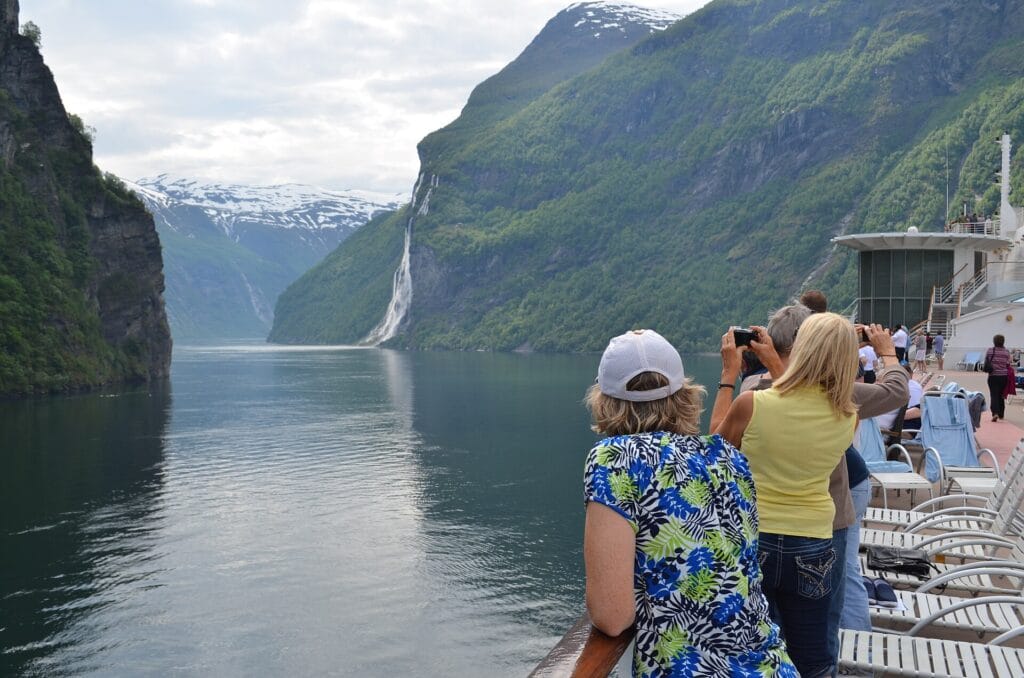
Norway
Best time: Jun-Aug, Sep-Mar (aurora)
Daily cost: $200-320/day
Sweden
Best time: May-Sep
Daily cost: $160-260/day
Norway vs Sweden at a glance
| Norway | Sweden | |
|---|---|---|
| Best for | Fjords, dramatic nature | Forests, lakes, design cities |
| Vibe | Rugged, coastal-alpine | Mellow, varied, urban + wilderness |
| Daily budget (mid-range) | $150–250 | $130–210 |
| Best time | Jun–Aug; auroras Sep–Mar | Jun–Aug; auroras Sep–Mar (north) |
| Don’t miss | The fjords, Lofoten, Bergen | Stockholm, Lapland, Gothenburg |
| The catch | Pricier; vast distances | Expensive; vast distances |
How Norway and Sweden compare on what matters
Landscapes
Cities
Northern Lights
Cost
Hiking
Design & Culture
Norway or Sweden: the honest verdict
Helpful Packzup guides
The Verdict: Which One’s Actually Worth Your Trip
Choose Norway if you came for the scenery and you don’t blink at the bill; choose Sweden if you want the same Nordic magic at a price that won’t sting. That’s the whole decision in one line, and the deciding factor is what you’re optimizing for: raw, postcard landscape or value. Norway out-scenes everywhere on Earth, and Sweden quietly wins on cost while still handing you reindeer, ice and aurora.
Three things that tip it in real numbers:
- The fjords are unmatched, and not cheap to skip. A short cruise through Nærøyfjord, a UNESCO channel just 250 metres wide with cliffs climbing 1,700 metres, runs about €50–70. Sweden has no answer to this. If fjords are the dream, stop reading and book Norway.
- Sweden’s value gap is real. Stockholm runs roughly 10–15% cheaper than Oslo across hotels and food, and mid-range Norway days hit $150–250 while Sweden lands nearer $188. Over a week, that’s a flight home.
- Winter trophy experiences split cleanly. Sweden owns the Jukkasjärvi Icehotel (ice rooms from ~€300/night, 90 minutes by air from Stockholm via Kiruna); Norway owns Lofoten, the most photogenic aurora coastline on the planet.
My call: first-timer chasing the iconic Nordic image, go Norway. Repeat visitor or budget-watcher who wants depth over drama, go Sweden.
Frequently asked questions
Which is cheaper?
Which has better Northern Lights?
Can I visit both?
Which is better in summer?
Which is safer?
Some links on Packzup are affiliate links. We may earn a small commission at no extra cost to you. We only recommend partners we trust.
Planning the trip? See our 10-day Sweden & Stockholm itinerary for a full day-by-day plan.
Which is better for your trip, Norway or Sweden?
For families
Verdict: Sweden. Stockholm is built for kids: Junibacken and the Skansen open-air museum sit minutes apart on Djurgarden, archipelago ferries double as cheap sightseeing, and lower hotel and food costs matter when you are paying for four. Norway’s fjord logistics mean more transfers and longer driving days with children in tow.
For couples & honeymoons
Verdict: Norway. A boat through Geirangerfjord or the narrow Naeroyfjord, a night in a converted rorbu fisherman’s cabin on Lofoten, and aurora hunting from Tromso make a stronger honeymoon than any city break. It costs more per day, so keep the route short and splurgy: Bergen, the Flam railway, one fjord done properly.
For budget travelers
Verdict: Sweden, comfortably. Mid-range days run meaningfully cheaper than in Norway, the dagens lunch set-menu culture trims food spend, and Stockholm, Gothenburg and Malmo are linked by affordable trains. In Norway the scenery is free but almost everything around it is not.
For hikers & nature lovers
Verdict: Norway for drama, Sweden for solitude. Trolltunga, Preikestolen and the Lofoten ridgelines are the most photogenic day hikes in the Nordics, and Trolltunga and Preikestolen both fit inside a normal one-week fjord trip; Lofoten sits far to the north and deserves its own visit. If you would rather walk for days without crowds, Sweden’s roughly 450 km Kungsleden trail and the Sarek wilderness are the better answer.
Planning the trip? Go deeper with our Norway Travel guide and best time to visit Sweden.
You Might Also Love


Written by
John Morrison is the founder and lead travel writer at Packzup. Over the past decade he has explored destinations across Africa, the Americas, Asia, Europe, the Middle East, and Oceania — always self-funded, never on a press trip.
