Quick Answer
Quick answer: Best Bioluminescent Experiences — top 10 options for travelers, ranked by combination of experience, value, and consistent quality.
This guide covers the 10 best options for bioluminescent experiences. Each pick balances real-world experience, value, and traveler satisfaction. Read each entry to find the one that matches your travel style.
Best Bioluminescent Experiences
1. Mosquito Bay, Vieques, Puerto Rico
Best months: Jan–Mar · 22–28°C days · rainy (ERA5 climate data)
The brightest bioluminescent bay on Earth.
2. Toyama Bay, Japan
Best months: Sep–Nov · 14–22°C days · rainy (ERA5 climate data)
Glowing firefly squid in spring.
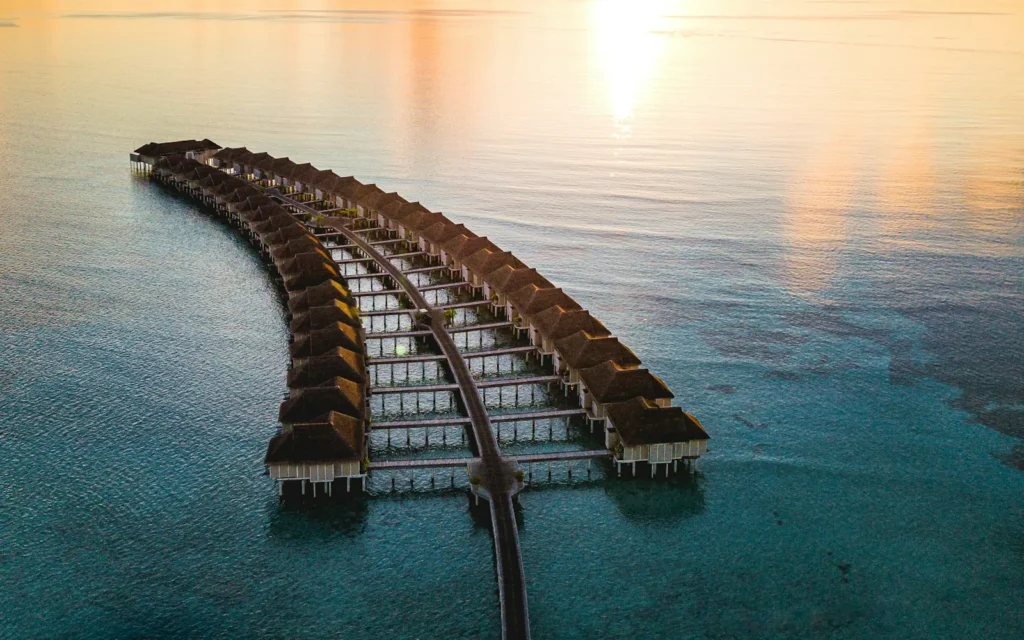
3. The Maldives
Best months: Jan–Mar · 27–28°C days · some rain (ERA5 climate data)
The famous ‘Sea of Stars’ beaches.
4. Matsu Islands, Taiwan
Blue ‘tears’ light the shoreline.
5. Luminous Lagoon, Jamaica
Best months: Dec–Feb · 20–29°C days · rainy (ERA5 climate data)
Swim in glowing waters at Falmouth.
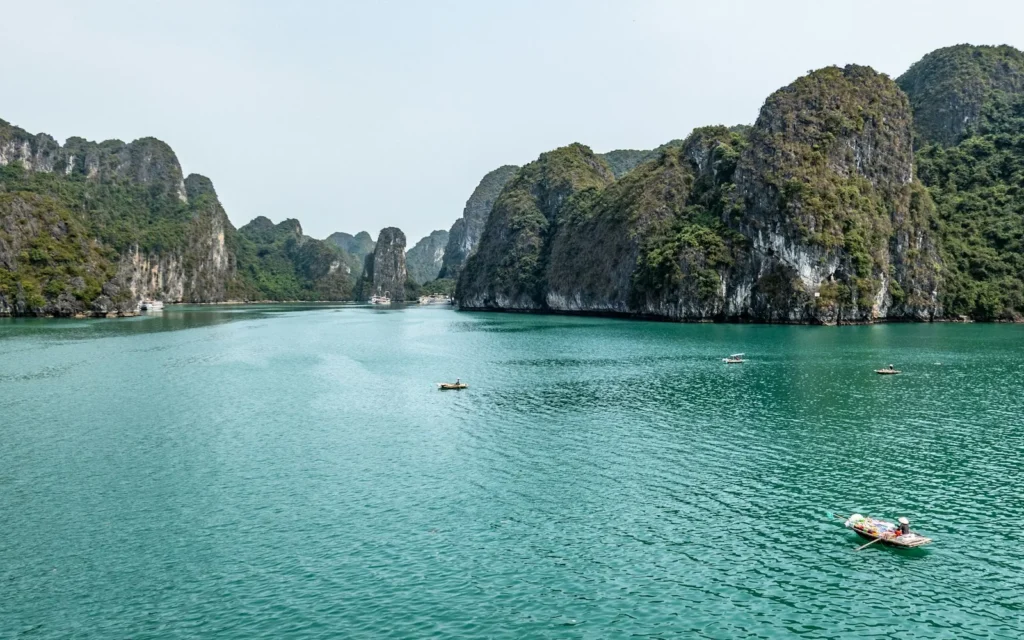
6. Ha Long Bay, Vietnam
Best months: Nov–Jan · 14–22°C days · some rain (ERA5 climate data)
Bioluminescent plankton on night kayaks.
7. Tasmania, Australia
Sea sparkle along southern beaches.
8. Koh Rong, Cambodia
Best months: Dec–Feb · 22–31°C days · dry (ERA5 climate data)
Glowing plankton off the islands.
9. San Diego, USA
Red-tide bioluminescent waves.
10. Springbrook, Australia
Glowworm-lit rainforest caves.
How to Choose
- Match to your priorities: Budget, weather, activities, crowd preference, season.
- Read recent reviews: Last 6 months for current conditions.
- Compare flight + hotel costs together: Cheap flights to expensive destinations can cost more total.
- Check entry requirements: Visa, vaccinations, passport validity.
- Buy travel insurance: $40-150 for medical + cancellation coverage.
Best Booking Tips
- Book flights 8-12 weeks ahead for international trips, 4-6 weeks for domestic.
- Hotels: 6-12 weeks ahead for the best balance of price + selection.
- Set Google Flights alerts for target dates 8-10 weeks out.
- Compare aggregators: Booking.com, Expedia, Hotels.com, Vrbo, direct hotel sites.
- Reviews matter: Recent + detailed reviews give the best picture.
The 5 Picks, Deep-Dived: Season, Cost & the Insider Move for Each
Every glow is not created equal. Here is exactly when to go, what you will pay, and the one thing seasoned glow-chasers know that the brochures leave out.
- Mosquito Bay, Vieques (Puerto Rico) — The brightest bioluminescent bay on Earth, with millions of dinoflagellates per gallon, so it glows every night of the year. Best season: any month, but always around the new moon for the darkest water. Cost: roughly $65-75 for a kayak tour launched on Vieques. Insider tip: full-moon nights are so bright that tours often close for three nights straight, so check the lunar calendar before you book a flight.
- Vaadhoo / Mudhdhoo Islands (Maldives) — The famous “Sea of Stars,” where the tideline itself sparkles electric blue. Best season: June to October, when warmer water lets the phytoplankton bloom. Cost: free to watch from the beach if your resort or guesthouse sits near a glowing shore. Insider tip: walk the wet sand at the water’s edge on a moonless night; every footstep triggers the glow, so you become part of the light show.
- Waitomo Glowworm Caves (New Zealand) — Not plankton but Arachnocampa luminosa larvae studding a cave ceiling like a private galaxy. Best season: year-round; the caves ignore surface weather. Cost: about NZ$61 adult for the classic boat tour, or NZ$170 for black-water rafting through the glow. Insider tip: book a weekday early or late slot; midday summer tours sell out and pack the boats.
- Toyama Bay (Japan) — Firefly squid rise by the millions to spawn and flash cobalt blue. Best season: a tiny window, early April to early May. Cost: around ¥8,000 for the pre-dawn boat from Namerikawa. Insider tip: reservations only, no same-day tickets, and boats leave near 3 a.m. — sleep in the afternoon.
- Lan Ha Bay / Cat Ba (Vietnam) — Night-kayak or swim through glowing plankton beside limestone karsts. Best season: May to September. Cost: roughly $36-50, usually with dinner and pickup. Insider tip: pick a tour that lets you swim, not just paddle; your whole body lights the water.
Which Glow Fits Your Trip? Matching the Experience to Your Style
The “best” bioluminescence depends entirely on what kind of traveler you are. Here is how I steer people once they tell me what they actually want.
- Want the surest thing? Go to Vieques. Mosquito Bay glows nightly and the operators run reliable, guided kayak tours, so as long as you avoid the full moon you will see it. It is the lowest-risk glow on this list.
- Chasing the postcard beach shot? The Maldives is the only pick where the glow washes onto the sand itself. It is also the least predictable, so treat it as a magical bonus to a beach holiday, not the reason you fly.
- Traveling with kids or want zero weather risk? Waitomo wins. It runs every day regardless of rain, the boat glide is calm and short, and the ceiling of glowworms genuinely stops children mid-sentence.
- A patient collector of rare things? Toyama Bay is your grail. The firefly-squid window is barely a month and the boats leave before dawn, but almost no Western tourists ever see it. This is the trophy experience.
- Backpacker or adventure-first? Lan Ha Bay gives you the most glow per dollar, plus the visceral thrill of actually swimming inside the light. It folds neatly into a wider Vietnam route.
My rule of thumb: if it is your only shot, choose reliability (Vieques or Waitomo). If it is one stop on a bigger trip, chase the rarer, riskier glows.
Getting There: The Logistics That Make or Break the Night
The glow is remote by definition; light pollution kills it, so every one of these sits at the end of a real journey. Plan the last leg carefully.
- Vieques: You must overnight on the island; there are no day trips launched locally. Reach it by the Ceiba ferry (about a 45-minute to 1-hour crossing, historically only $2-4 though non-resident fares were set to rise in early 2026) or by Cape Air from San Juan (a 25-minute hop, roughly $109+ one-way). Guided day trips all the way from San Juan run around $200 per person.
- Maldives: Fly into Male, then transfer by speedboat or domestic flight to a guesthouse or resort near a glowing shore in Raa or Baa Atoll. Ask your accommodation directly whether the glow has been appearing; locals know week to week.
- Waitomo: Drive about 2 to 2.5 hours south from Auckland, or roughly an hour west from Hamilton. It pairs naturally with a North Island road trip.
- Toyama Bay: Take the Hokuriku Shinkansen to Toyama, then a short local train to Namerikawa. Stay the night nearby, because the boats depart around 3 a.m. with no same-day tickets.
- Lan Ha Bay: Most tours include a pickup from Hanoi or a Cat Ba Island cruise, so you rarely arrange the last leg yourself.
One rule ties them all together: book your accommodation and tour around the new moon, then work the travel backward from there. A moonless night is worth more than any five-star room.
Frequently Asked Questions
What are the best bioluminescent experiences?
The top 10 options above cover popular + lesser-known choices. Pick based on your priorities, budget, and travel style.
How do I choose between these options?
Match to your priorities: budget, weather, activities, crowd preference. Read each entry to find the one that resonates.
When should I visit?
Shoulder seasons (just before/after peak) generally offer the best balance of weather, prices, and crowds.
How much will it cost?
Budget: $80-150/day excluding flights. Mid-range: $200-400/day. Luxury: $600+/day. Vary by destination.
Should I book in advance?
6-12 weeks ahead for most. Major holidays + peak season: 4-6 months. Last-minute deals exist 2-3 weeks out but limited.
Are these family-friendly?
Several options in the list work for families. Look for destinations with English-friendly tourism, reliable transport, and varied activities.