Quick Answer
The best places to see the aurora australis are Tasmania and Stewart Island, plus the Catlins in New Zealand, Ushuaia in Argentina and Punta Arenas in Chile. The season runs roughly March to September, and you need a clear southward horizon, dark skies and geomagnetic activity.
The southern lights are harder to see than the northern ones for a simple reason: there is far less land at the equivalent southern latitude, and most of it is ocean. That makes the handful of places listed here disproportionately valuable.
Where to See the Aurora Australis
1. Tasmania, Australia
The most accessible aurora australis viewing anywhere. Head south from Hobart to Cockle Creek or South Arm for a clear southward horizon over water.
2. Stewart Island / Rakiura, New Zealand
The name means ‘land of glowing skies’. New Zealand’s southernmost inhabited island, with a Dark Sky Sanctuary designation and almost no light pollution.
3. The Catlins and Otago, New Zealand
South Island coastline with dark southward horizons, and easier to reach than Stewart Island.
4. Ushuaia and Tierra del Fuego, Argentina
Best months: Mar–May · 15–21°C days · some rain (climate data)
The southernmost city in the world, with long dark winter nights from roughly May to August.
5. Punta Arenas, Chile
Best months: Oct–Dec · 12–26°C days · dry (climate data)
Magellan Strait coast with the same latitude advantage as Ushuaia, and a common departure point for Antarctica.
6. The Falkland Islands
Far south, extremely dark and almost entirely free of light pollution.
7. South Georgia
Reached only by expedition ship, and among the most remote places on earth from which to see it.
8. Antarctica itself
Visible during the austral winter, when only research staff are present — tourist season runs in the bright summer months instead.
9. Macquarie Island
Australian sub-Antarctic territory at high southern latitude, accessible only on expedition voyages.
10. South Africa's Cape — the rare exception
Best months: Jul–Sep · 7–21°C days · dry (climate data)
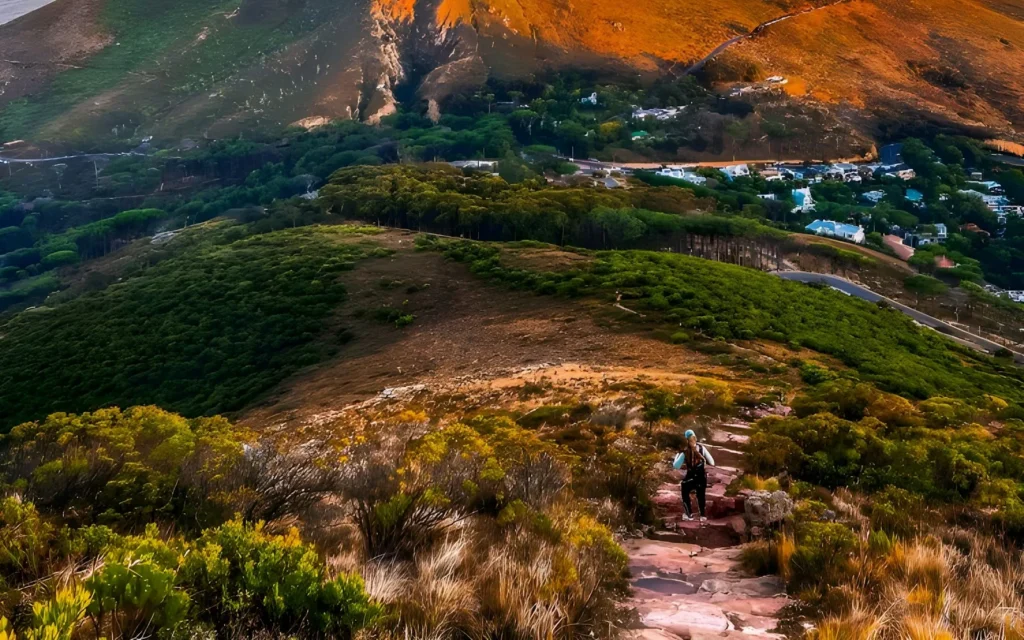
Far too far north in normal conditions, but during exceptionally strong geomagnetic storms the aurora has occasionally been recorded from southern Africa.
How to actually catch one
Three things have to line up: geomagnetic activity, darkness, and a clear view south. Track the Kp index and the aurora forecast from the relevant space-weather service, and be prepared to go out at short notice — strong displays are usually forecast only hours ahead.
The season is roughly March to September, with the equinoxes in March and September statistically the most active periods. Get away from town lights, wait at least twenty minutes for your eyes to adapt, and check the moon phase — a full moon washes out all but the strongest displays.
Manage expectations honestly: the southern lights are frequently faint to the naked eye, appearing as a pale grey-green glow. Cameras see far more colour than you will. Use a tripod, a wide fast lens, an exposure of several seconds and a high ISO. And accept that a trip planned specifically around seeing them may not succeed — go somewhere you would enjoy anyway.
Frequently Asked Questions
Where is the best place to see the southern lights?
Tasmania is the most accessible, and Stewart Island in New Zealand the darkest. Ushuaia and Punta Arenas offer the highest latitude with regular flights.
When is aurora australis season?
Roughly March to September, with the equinoxes statistically most active.
Why are the southern lights harder to see than the northern?
There is much less inhabited land at the equivalent southern latitude — most of the auroral zone is over open ocean.