Quick answer: Bucket-list festivals include Rio Carnival, Diwali and Holi in India, Día de los Muertos in Mexico and Oktoberfest in Germany.
Timing a trip around a great festival turns a visit into something unforgettable. These twelve are worth planning around.
The 12 best cultural festivals
Rio Carnival, Brazil
Best months: May–Jul · 19–25°C days · some rain (ERA5 climate data)
The world’s biggest party — samba parades and street blocos (Feb/Mar).
Diwali, India
Best months: Nov–Jan · 9–21°C days · dry (ERA5 climate data)
The festival of lights, celebrated nationwide (Oct/Nov).
Holi, India
Best months: Nov–Jan · 9–21°C days · dry (ERA5 climate data)
The joyous festival of colors (March).
Día de los Muertos, Mexico
Best months: Dec–Feb · 7–23°C days · dry (ERA5 climate data)
Marigolds, altars and remembrance (late Oct/early Nov).
Oktoberfest, Munich
The world’s largest beer festival (mid-Sep to early Oct).
La Tomatina, Spain
Best months: Apr–Jun · 12–25°C days · some rain (ERA5 climate data)
The giant tomato fight in Buñol (late August).
Carnival, Venice
Elaborate masks and Renaissance costumes (Feb).
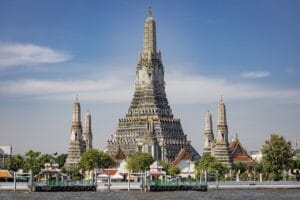
Songkran, Thailand
Best months: Dec–Feb · 22–32°C days · dry (ERA5 climate data)
The Thai New Year water festival (April).
Albuquerque Balloon Fiesta, USA
Hundreds of hot-air balloons at dawn (October).
Edinburgh Festival Fringe, Scotland
Best months: Jul–Sep · 12–18°C days · rainy (ERA5 climate data)
The world’s largest arts festival (August).
Day of the Dead aside — Carnival, Trinidad
The Caribbean’s biggest carnival (Feb/Mar).
Cherry Blossom (Hanami), Japan
Best months: Sep–Nov · 14–22°C days · rainy (ERA5 climate data)
Nationwide blossom-viewing (late Mar/Apr).
How to choose
Festivals sell out accommodation fast — book months ahead and expect higher prices. Pick by season and vibe: spring color (Holi, Hanami, Songkran), autumn spectacle (Diwali, Día de los Muertos, Oktoberfest), or summer arts (Edinburgh).