
Last updated September 11, 2026 · Editorial policy
- Sichuan: the numbing fire
- Cantonese: the precision school
- Beijing duck, properly
- Xi'an & the noodle northwest
- Shanghai & the soup dumpling arts
- Yunnan & the borderlands
- Eating China well
- The best food in China: what to eat
- Best Food In China FAQ
- The picks in depth: when to go, what to spend, the smart move
- The northwest and the Shanghai school: how to eat them right
- How to choose — and getting between them
Quick answer: China is not one cuisine but eight-plus empires of flavour: Sichuan’s numbing fire, Cantonese dim sum precision, Beijing’s lacquered duck, Xi’an’s hand-pulled noodles and Shanghai’s soup dumplings: eat regionally and the country reorganises itself around your appetite.
Sichuan: the numbing fire
Chengdu’s mapo tofu, dan dan noodles and hotpot bubbling with chillies and Sichuan peppercorn (the famous mala tingle): order ice plum juice alongside and surrender. Chengdu’s teahouse pace between meals is part of the cuisine.
Cantonese: the precision school
Dim sum carts in Guangzhou morning teahouses (har gow’s translucent skin is the benchmark), roast goose lacquered to mahogany and steamed fish that tastes of exactly itself: southern China’s kitchen built the world’s Chinatowns.
Beijing duck, properly
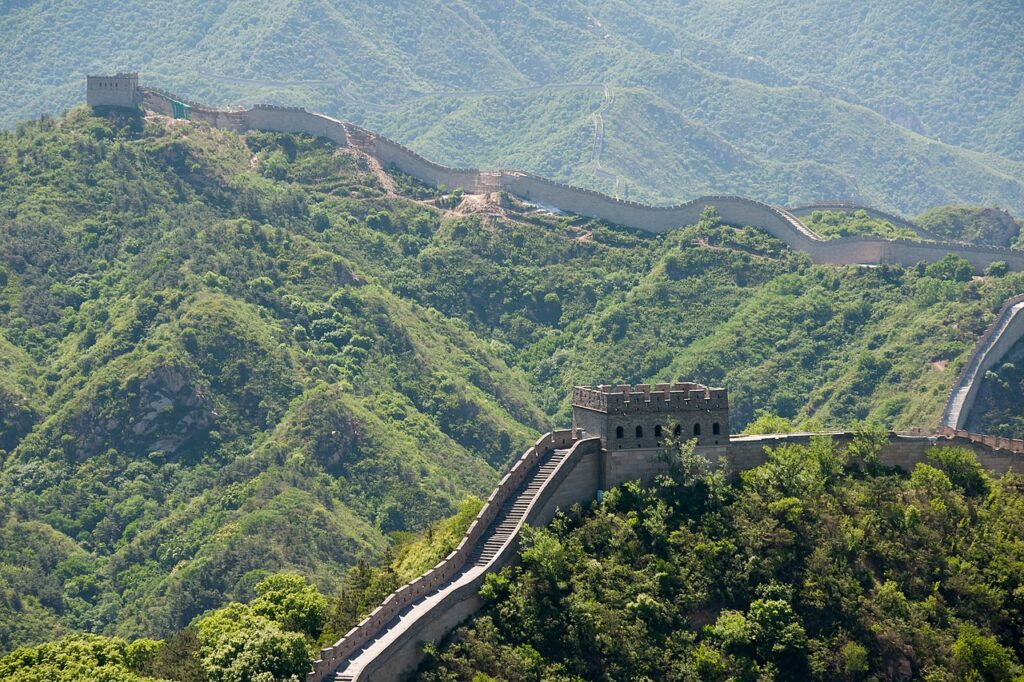
Carved tableside into amber-skinned slices, wrapped in pancakes with scallion and sweet bean: the imperial classic is worth a famous house’s booking: then balance it with zhajiangmian (fried-sauce noodles) at a corner shop.
Xi’an & the noodle northwest
The Muslim Quarter’s rou jia mo (spiced meat in crisp bread: China’s original burger), biang biang noodles slapped to order and lamb skewers in cumin smoke: carb heaven at street prices.
Shanghai & the soup dumpling arts
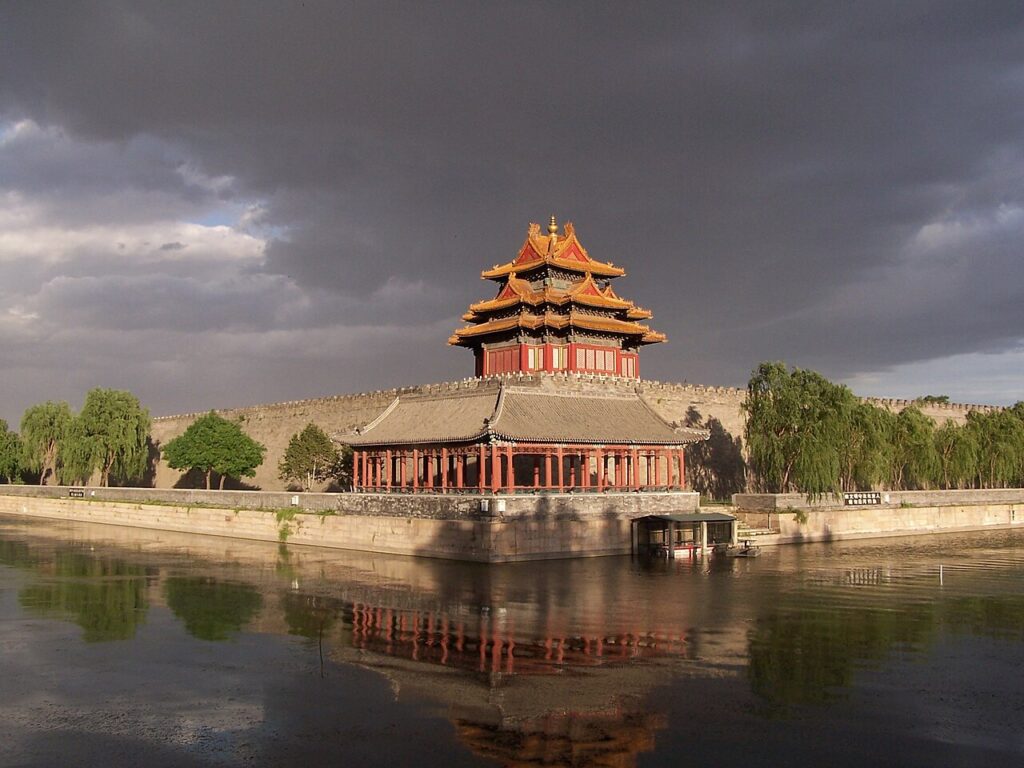
Xiaolongbao engineering (lift, nibble, sip, devour), shengjianbao’s crisp-bottomed cousins and drunken crab for the adventurous: eat in old longtang lanes before they gentrify further.
Yunnan & the borderlands
Crossing-the-bridge rice noodles, wild mushroom feasts in summer and tea-horse-road flavours leaning into Southeast Asia: China’s most surprising table.
Eating China well
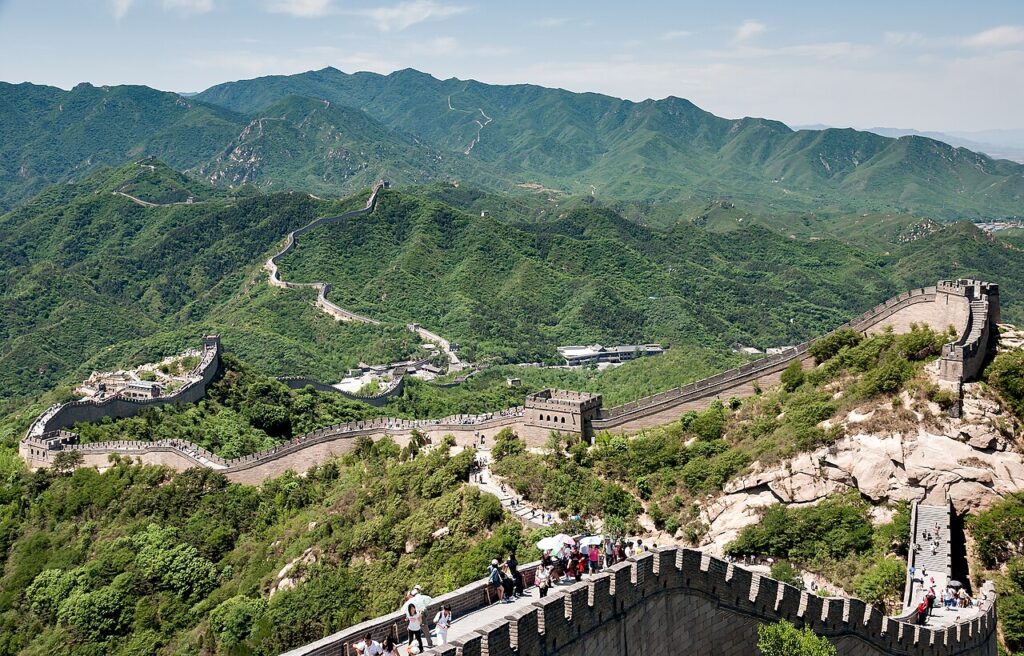
Follow queues not stars, point boldly (menus are pictorial; enthusiasm is universal), carry small change and a translation app for allergies: and order one dish more than seems wise. Regret in China is always the dish you did not try.
The best food in China: what to eat
“Chinese food” is really many distinct regional cuisines — the highlights by region:
- Peking duck (Beijing) — crisp-skinned, with pancakes and hoisin.
- Dim sum (Cantonese/Guangdong) — the great brunch of dumplings and small plates.
- Mapo tofu & hotpot (Sichuan) — fiery, numbing málà spice.
- Xiao long bao (Shanghai) — soup-filled dumplings.
- Hand-pulled noodles (northwest/Lanzhou) — fresh, springy, in clear broth.
- Char siu & roast meats — Cantonese barbecue.
Eat family-style, order across textures and spice levels, and follow the crowds to the busiest, freshest spots.
Best Food In China FAQ
What is the most famous Chinese dish?
Peking duck and dim sum are the icons, but cuisine varies hugely by region.
Is Chinese food regional?
Very — Sichuan is spicy, Cantonese is delicate dim sum, the north favours noodles.
The picks in depth: when to go, what to spend, the smart move
Each region rewards a different month and a different budget. Here is what actually matters on the ground in 2026.
- Sichuan (Chengdu) — the numbing fire. Why go: mala hotpot at its source, plus street xiaochi you can eat all day. Best season: autumn (Sep–Nov), clear and dry after the summer humidity breaks. Cost: a serious hotpot dinner runs ¥120–200 ($16–28) per person. Planning note: always order the yin-yang split pot (yuanyang guo) so half the broth is clear — you will need the escape hatch, and locals never judge you for it.
- Cantonese (Guangzhou) — the precision school. Why go: dim sum is a morning ritual here, not a weekend brunch. Best season: Oct–Dec, when the wet subtropical heat finally lifts. Cost: ¥50–80 ($7–12) at a classic teahouse like Tao Tao Ju; ¥200+ at Michelin rooms. Planning note: go on a weekday before 11am — many houses discount early carts up to 30%, and the har gow are freshest off the first steam.
- Beijing — duck, properly. Best season: Sep–Oct for crisp skies. Cost: a whole duck at Siji Minfu is about ¥259 ($36) for the table; Quanjude runs ~¥300/person. Planning note: skip the tourist-famous name and book Siji Minfu — same craft, half the markup.
The northwest and the Shanghai school: how to eat them right
Two more picks that reward knowing exactly what to order and when.
- Xi’an & the noodle northwest. Why go: hand-pulled biangbiang noodles, cumin-heavy lamb, and roujiamo — the original meat-in-bread. Best season: spring and autumn; summer bakes and the Muslim Quarter turns to a crush after 6pm. Cost: a roujiamo is ¥12–18 ($2), a bowl of biangbiang around ¥12 ($2), so you can graze the whole street for under $10. Planning note: eat the Muslim Quarter at lunch or mid-afternoon, not dinner — same vendors, a fraction of the shoulder-to-shoulder crowd.
- Shanghai & the soup dumpling arts. Why go: xiaolongbao done with obsessive technique. Best season: April–May or October–November for 15–25°C days; avoid Golden Week (Oct 1–7) chaos. Cost: a basket runs ¥18–39 ($3–6); the no-frills original Jia Jia Tang Bao near Huanghe Road is at the low end. Planning note: go off-peak, 3–5pm, to dodge both rushes — then bite a small hole, sip the soup, and eat the rest. Never bite straight in.
How to choose — and getting between them
Choosing your route: if you have one week, do Beijing → Xi’an → Chengdu — duck, noodles, and hotpot in a clean northwest-to-southwest arc, each city a short train apart. If you want refinement over fire, run Shanghai → Guangzhou for soup dumplings and dim sum. Chilli-averse? Start Cantonese and Shanghainese; chilli-chaser? Chengdu is the pilgrimage. Two weeks lets you chain all five.
Getting there by rail (the smart way): China’s high-speed network makes this trivial. Rough times in 2026:
- Beijing → Xi’an: about 4.5 hours
- Xi’an → Chengdu: about 3–4 hours
- Beijing → Shanghai: about 4.5 hours
- Shanghai → Guangzhou: about 7 hours (fly if you’re tight on time)
Logistics that actually trip people up: book trains on the official 12306 app — register with your passport (no Chinese SIM needed), pay with an international Visa/Mastercard, and tap your passport at the orange gate. Before you fly, link that same card to Alipay or WeChat Pay; cash is nearly dead in 2026 and most food stalls won’t take it. Many nationalities also now get up to 240-hour (10-day) visa-free transit at 60-plus ports — enough for a two-city eating run without a visa.
Planning the trip? Start with best time to visit China.
You Might Also Love





Written by
John Morrison is the founder and lead travel writer at Packzup. Over the past decade he has explored destinations across Africa, the Americas, Asia, Europe, the Middle East, and Oceania — always self-funded, never on a press trip.
