Best Places to Visit in Africa: 12 Bucket-List Destinations
Quick answer: Africa's best destinations include Cape Town, Kenya/Tanzania safari, Morocco, and Egypt. The 12 destinations below cover wildlife, culture, history, beaches, and adventure.
Africa is a continent — not a country — and the diversity is enormous. From world-class safaris to Saharan deserts to historic North African medinas to pristine Indian Ocean beaches, the choices can be overwhelming. This guide covers 12 of the most rewarding African destinations with realistic budgets and best times.
12 Top African Destinations
1. Cape Town, South Africa
Best months: Jul–Sep · 7–21°C days · dry (climate data)
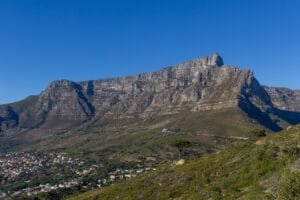
Wine country, Table Mountain, beaches, Robben Island. Most cosmopolitan African city. Best Oct-Apr.
$150-300/day
2. Kenya (Maasai Mara + Nairobi)
Iconic safari + Great Migration (Jul-Oct). Combine with Lake Naivasha + Mt. Kenya.
$200-500/day
3. Tanzania (Serengeti + Zanzibar)
Migration in Serengeti, Ngorongoro Crater, then white-sand beaches in Zanzibar. Best Jun-Oct.
$300-700/day
4. Morocco (Marrakech + Sahara)
Best months: Nov–Jan · 7–21°C days · dry (climate data)
Marrakech souks + Atlas Mountains + Sahara desert camp. Mar-May, Sep-Nov ideal.
$80-200/day
5. Egypt (Cairo + Luxor + Nile)
Best months: Nov–Jan · 12–23°C days · dry (climate data)
Pyramids of Giza, Egyptian Museum, Nile cruise from Luxor to Aswan. Oct-Apr.
$120-300/day
6. Botswana (Okavango Delta)
Premium safari experience. Mobile camps in flood plains. May-Oct dry season.
$500-1500/day (luxury)
7. Namibia (Sossusvlei + Etosha)
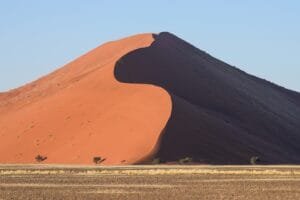
Red sand dunes + wildlife in Etosha. Self-drive friendly. May-Oct.
$200-400/day
8. Rwanda (Mountain Gorillas)
Gorilla trekking in Volcanoes National Park ($1,500 permit). 2-3 day trips.
$1,000+/day
9. Uganda (Bwindi + Gorillas)
Mountain gorillas at $700 permit (cheaper than Rwanda). Murchison Falls + chimpanzees.
$300-600/day
10. Ethiopia (Lalibela + Omo Valley)
Rock-hewn churches in Lalibela + tribal cultures in Omo Valley. Less touristy.
$80-200/day
11. Madagascar (Lemurs + Beaches)
Endemic wildlife (lemurs everywhere) + Avenue of Baobabs. Adventurous.
$100-250/day
12. Seychelles or Mauritius
Indian Ocean island getaways. Beaches, snorkeling, luxury resorts.
$300-1000/day
How to Choose Your African Trip
- For wildlife: Kenya, Tanzania, Botswana, South Africa (Kruger), Uganda/Rwanda (gorillas).
- For culture/history: Egypt (pyramids), Morocco (medinas), Ethiopia (rock churches), Tunisia (Roman ruins).
- For beaches: Zanzibar, Seychelles, Mauritius, Mozambique, Cape Verde.
- For adventure: Namibia (self-drive), Kilimanjaro climb, Madagascar (jungle).
- For luxury: Botswana premium camps, Maasai Mara private conservancies, Cape Winelands.
Trip Planning Essentials
- Book safaris 6-12 months ahead: Top lodges sell out far in advance.
- Visa requirements vary widely: Some countries allow e-visa; others require embassy applications.
- Yellow fever certificate: Required by some countries upon entry.
- Currency: USD widely accepted in tourism contexts. Bring small bills + use ATMs for local currency.
- Tipping: Safari guides $10-20/day, restaurants 10%. Bring cash USD for tipping.
Frequently Asked Questions
What's the best African country for first-time visitors?
For wildlife: Kenya or Tanzania (best-organized safaris). For culture + ease: Morocco. For history: Egypt. For ease + variety: South Africa (Cape Town + Garden Route + safari combo).
How much does an African safari cost?
Budget safari (camping + group tours): $150-300/day. Mid-range (lodges): $300-600/day. Luxury (premium camps): $700-2000+/day. Add international flights ($1,000-1,800) and gorilla permits ($700-1,500) where applicable.
When is the best time to visit Africa?
Depends on country: East Africa (Kenya/Tanzania) dry season Jul-Oct best for safari. North Africa (Morocco/Egypt) Oct-Apr (cooler). South Africa Oct-Apr (summer). West Africa Nov-Apr (less rain).
Is Africa safe for tourists?
Most major safari + tourism countries (Kenya, Tanzania, South Africa, Morocco, Egypt) are safe in tourist zones. Avoid current conflict areas. Travel insurance essential. Use reputable tour operators.
What vaccinations do I need for Africa?
Yellow fever (mandatory for some countries), hepatitis A/B, typhoid, tetanus. Anti-malarial pills for safari areas (Doxycycline or Malarone). Consult a travel medicine specialist 6+ weeks before.
How do I get around Africa?
International flights between countries (Ethiopian Airlines, Kenya Airways, RwandAir hubs). Within countries: organized tours + private guides for safari, public buses in cities. Self-drive in South Africa, Namibia, Botswana works well.
Related Africa Resources
- Things to Do in Morocco
- Things to Do in Egypt
- Things to Do in South Africa
- Things to Do in Kenya
- Things to Do in Tanzania
- Best Wildlife Safari Destinations
Best places to visit in Africa at a glance
| Destination | Country/Region | Best for | Best time to go | Budget |
|---|---|---|---|---|
| Cape Town | South Africa (Southern Africa) | City, wine country, beaches, Table Mountain | Southern-hemisphere summer (warm, dry) | $$ |
| Maasai Mara & Nairobi | Kenya (East Africa) | Classic safari, Great Migration | Dry season (peak wildlife) | $$ |
| Serengeti & Zanzibar | Tanzania (East Africa) | Safari plus Indian Ocean beaches | Dry season for safari; year-round beaches | $$$ |
| Marrakech & Sahara | Morocco (North Africa) | Medinas, mountains, desert camps | Spring or autumn (mild) | $ |
| Cairo, Luxor & the Nile | Egypt (North Africa) | Ancient history, Nile cruises | Cooler months (autumn to spring) | $$ |
| Okavango Delta | Botswana (Southern Africa) | Premium, water-based safari | Dry season (flood and game peak) | $$$ |
| Sossusvlei & Etosha | Namibia (Southern Africa) | Desert dunes, self-drive wildlife | Dry season | $$ |
| Volcanoes National Park | Rwanda (East Africa) | Mountain gorilla trekking | Drier months (easier trails) | $$$ |
| Bwindi & Murchison Falls | Uganda (East Africa) | Gorillas, chimpanzees, lower permit cost | Drier months | $$ |
| Lalibela & Omo Valley | Ethiopia (East Africa) | Rock-hewn churches, tribal cultures | Dry season | $ |
| Lemurs & Avenue of Baobabs | Madagascar (Indian Ocean) | Endemic wildlife, adventurous travel | Drier season | $ |
| Seychelles or Mauritius | Indian Ocean islands | Beaches, snorkeling, resort getaways | Year-round (drier months ideal) | $$$ |
How to plan your Africa trip
The most useful first step is to think in regions rather than trying to see a whole continent at once. North Africa (Morocco, Egypt, Tunisia) is about medinas, deserts and ancient history, and it is generally the most affordable and easiest to reach from Europe. East Africa (Kenya, Tanzania, Rwanda, Uganda, Ethiopia) is the heartland of the classic savanna safari and gorilla trekking. Southern Africa (South Africa, Botswana, Namibia) pairs excellent wildlife with polished infrastructure and self-drive options, while West Africa and the Indian Ocean islands round out the picture with culture and beaches. Picking one or two neighbouring regions per trip keeps travel times and costs sane.
Timing is driven largely by the dry season. As a rule, the dry season is the best window for East and Southern African safaris, because thinner vegetation and shrinking water sources concentrate wildlife around rivers and waterholes and make animals far easier to spot. The same dry, firmer conditions make gorilla-trekking trails in Rwanda and Uganda more manageable. North Africa flips the logic: there the appeal is cooler, milder weather, so the shoulder and cooler months are more comfortable than peak desert heat. Because seasons in the southern hemisphere are reversed from the northern one, always check the local pattern for the specific country rather than assuming.
Budget spreads widely by region and style. Safaris are the expensive end of African travel, especially premium camps in places like the Okavango Delta and permit-based gorilla trekking, where costs are driven up by exclusivity and conservation fees. North Africa and overland travel in countries like Ethiopia sit at the cheaper end. On logistics, distances are large and overland roads can be slow, so most multi-country itineraries lean on internal flights between regional hubs. Book marquee safari lodges and gorilla permits well ahead, since the best options sell out months in advance, and build in buffer days around connecting flights.
Practical tips for traveling in Africa
- Time wildlife trips to the dry season. For East and Southern African safaris, the dry months generally offer the best game viewing because animals gather around limited water and vegetation is sparse.
- Sort out health well before you go. Several African countries have general vaccination and anti-malarial recommendations, and some require proof of yellow-fever vaccination on entry, so consult a travel-medicine clinic several weeks ahead.
- Decide between guided and independent travel by region. Safaris and gorilla treks are best done with reputable operators and guides, while self-drive works well in places with good infrastructure such as South Africa and Namibia.
- Carry some cash. Card acceptance varies outside cities, and small notes are useful for tips, markets and remote lodges; keep a modest reserve for guides and drivers.
- Plan on internal flights for long hops. Overland distances are large and roads can be slow, so regional flights between hubs often save days on multi-stop itineraries.
- Book the headline experiences early. Top safari camps and limited gorilla permits sell out far in advance, so reserve those before locking in the rest of your route.
- Check visa and entry rules per country. Requirements differ widely, with some offering e-visas and others needing advance applications, so verify each destination on your route.