Quick Answer
Africa’s best adventures include gorilla trekking in Rwanda and Uganda, climbing Kilimanjaro, the Okavango Delta by mokoro, Namibia’s dunes, Ethiopia’s Simien Mountains and rafting at Victoria Falls. Most need permits or booking months ahead.
Africa holds a disproportionate share of the world’s genuinely serious adventures — the kind that need permits, seasons and preparation rather than a spare afternoon. These ten are worth building a trip around.
10 Adventures Worth the Journey
1. Gorilla trekking, Rwanda & Uganda
Permits are strictly limited and expensive, and that is deliberate — the fee funds the conservation that brought mountain gorilla numbers back. Book many months ahead.
2. Climbing Kilimanjaro, Tanzania
No technical skill needed, but altitude defeats many who rush it. Choose a longer route — seven or eight days rather than five — and the success rate rises sharply.
3. The Okavango Delta by mokoro, Botswana
A flooded inland delta poled through in a dugout canoe, at water level with the wildlife.
4. Sossusvlei and the Skeleton Coast, Namibia
Enormous red dunes and one of the great self-drive countries, with almost no traffic and superb dark skies.
5. Diving with sardines, South Africa
The annual sardine run along the Wild Coast draws sharks, dolphins and gannets in one of the largest marine feeding events on earth.
6. Trekking the Simien Mountains, Ethiopia
High escarpment scenery with gelada troops, at altitudes that need acclimatisation.
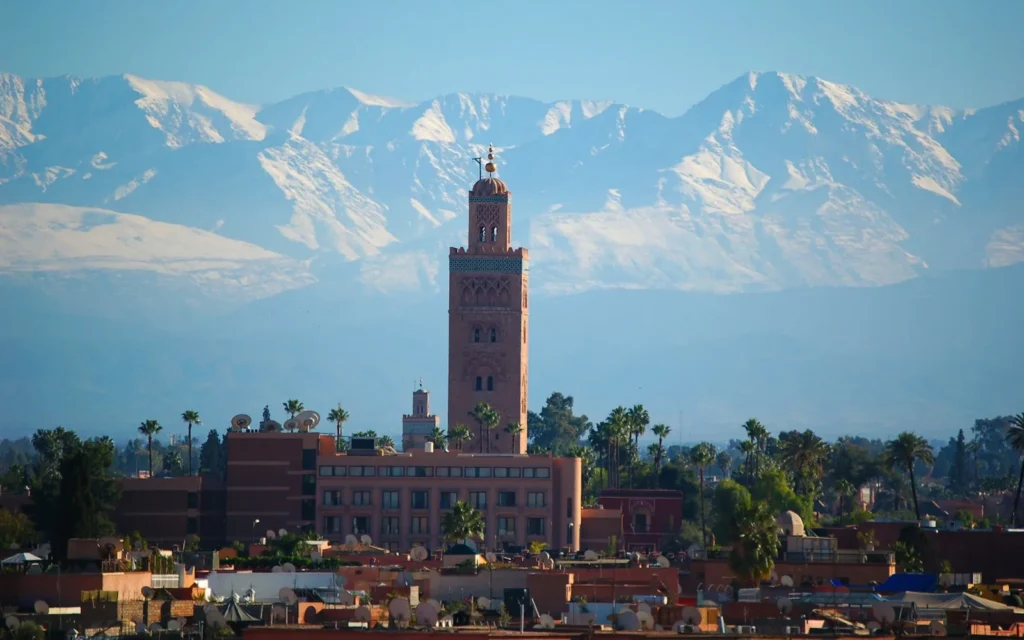
7. The Sahara from Morocco
Camel trekking and desert camps in Erg Chebbi and Erg Chigaga, reached overland from Marrakech.
8. White-water rafting the Nile, Uganda
Serious grade-five water near Jinja, at the river’s source on Lake Victoria.
9. Victoria Falls, Zambia & Zimbabwe
Rafting, bungee and Devil’s Pool, which is only safely accessible in the low-water months — a detail worth checking before booking.
10. Safari on foot, Zambia
South Luangwa is the birthplace of the walking safari, guided by an armed scout at a completely different pace from a vehicle.
Before booking: check your government’s current advisory for the specific region, required vaccinations and whether yellow-fever certification is needed for onward travel, and confirm your insurance includes medical evacuation — which matters far more here than the policy price.
Planning notes
Permits are the constraint, not flights. Gorilla permits are capped daily and sell out months ahead; Kilimanjaro requires a licensed operator; Victoria Falls’ Devil’s Pool only opens at low water. Work backwards from what must be booked first.
On Kilimanjaro specifically, pay for the longer route. Success rates on five-day climbs are dramatically lower than on eight-day ones, and altitude sickness is the reason — the extra days are acclimatisation, not luxury. Choose operators who pay and equip porters properly; there are established schemes that certify this, and it is worth asking.
Seasons vary enormously by region: East African safari is best in the dry months, Namibia is a winter destination, and the Okavango floods arrive months after the rain that caused them. Check the specific park, not the country.
Frequently Asked Questions
How far ahead should you book gorilla trekking?
Six months or more. Permits are capped at a small number per day and sell out well in advance.
What is the success rate on Kilimanjaro?
Much higher on seven- and eight-day routes than on five-day ones. The extra days are for acclimatisation.
When is the best time for safari in East Africa?
The dry season concentrates wildlife around water. Exact months vary by country and park — check the specific reserve.