Quick Answer
The best surf destinations in the world run from Hawaii’s North Shore and Bali’s Bukit peninsula to Jeffreys Bay in South Africa, Portugal’s Ericeira and Nazare, Siargao in the Philippines and Costa Rica’s Pacific coast. Here are 13 of the best, with the season and skill level for each.
Every surf trip comes down to matching swell season to your ability. These 13 destinations cover the world’s most famous waves and its most forgiving ones — from Pipeline in a Hawaiian winter to warm, waist-high beach breaks in Costa Rica — each with when it works and who it suits.
13 of the Best Surf Destinations in the World
1. The North Shore, Oahu, Hawaii
Best months: Jun–Aug · 23–29°C days · some rain (climate data)
Surfing’s proving ground: Pipeline, Sunset and Waimea fire from November to February, when Pacific swells arrive at full power. Experts only in winter; mellow in summer.
2. Uluwatu & the Bukit, Bali
Best months: May–Jul · 24–28°C days · rainy (climate data)
Long, reeling left-handers below limestone cliffs — Uluwatu, Padang Padang and Bingin form the world’s most consistent stretch of reef breaks. Dry season, May to September.
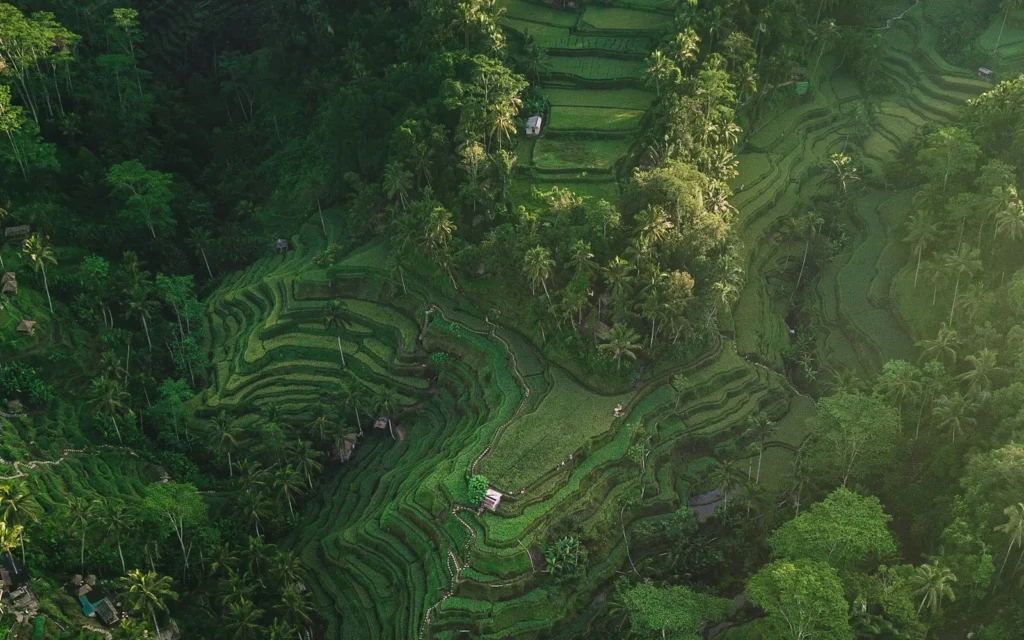
3. Siargao, Philippines
Best months: Dec–Feb · 23–29°C days · dry (climate data)
Cloud 9’s hollow right-hander made this island’s name, but a dozen quieter reefs surround it. Best from August to November.
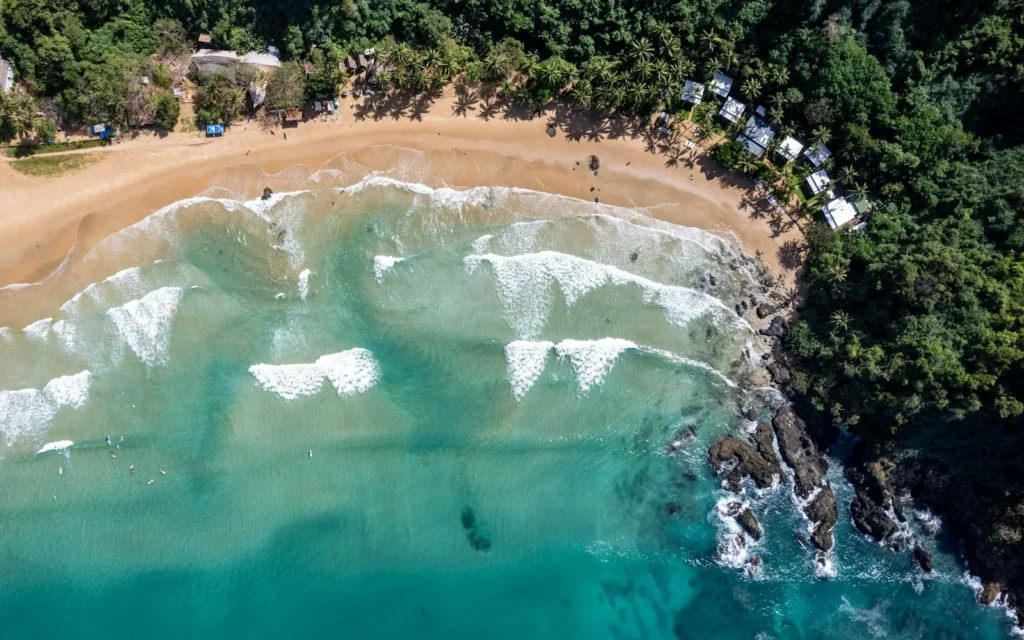
4. Ericeira & Nazare, Portugal
Best months: Jun–Aug · 18–28°C days · dry (climate data)
Europe’s only World Surfing Reserve, plus the giant winter waves of Nazare — a canyon focuses swell into faces over 20 metres.
5. Jeffreys Bay, South Africa
Best months: Jul–Sep · 7–21°C days · dry (climate data)
Supertubes is arguably the finest right-hand point break on earth, running fast and hollow for hundreds of metres. Peak season June to September.
6. Taghazout, Morocco
Best months: Nov–Jan · 7–21°C days · dry (climate data)
Right-hand points, cheap surf camps and reliable Atlantic swell an hour from Agadir — Europe’s winter escape, October to March.
7. The Gold Coast, Australia
Snapper Rocks and the Superbank deliver some of the longest rides anywhere, in warm water with a full surf-town infrastructure.
8. Nosara & Santa Teresa, Costa Rica
Best months: Jan–Mar · 16–26°C days · dry (climate data)
Consistent Pacific beach breaks, warm water year-round and the best beginner-to-intermediate conditions in the Americas.
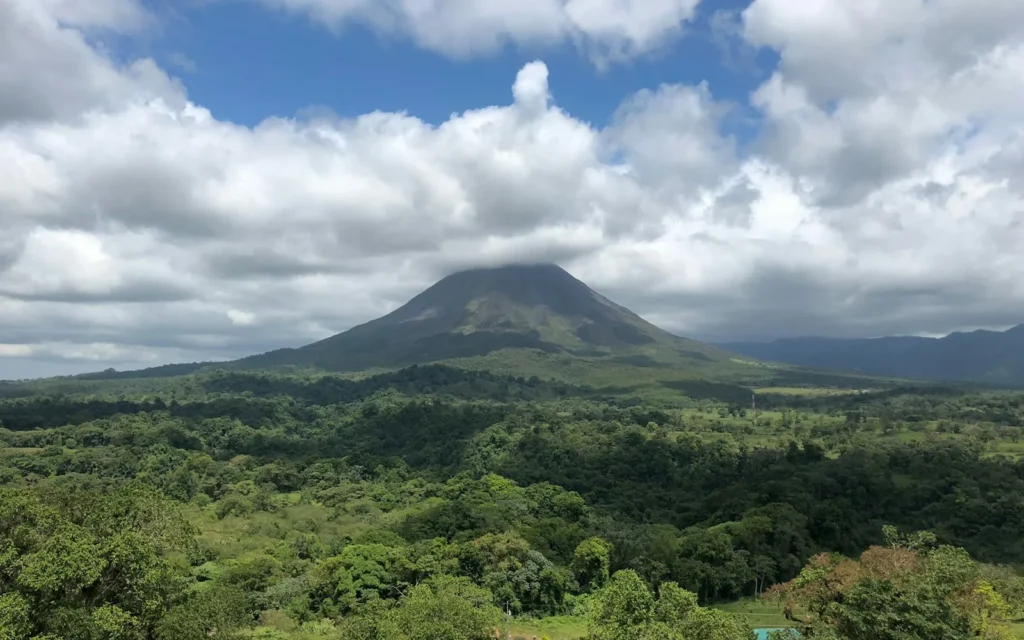
9. The Mentawai Islands, Indonesia
Best months: Jun–Aug · 23–32°C days · some rain (climate data)
A boat-access archipelago of perfect, powerful reef passes — the classic surf-charter destination, April to October.
10. Hossegor, France
Best months: Jun–Aug · 15–26°C days · some rain (climate data)
Europe’s most powerful beach break, with heavy autumn barrels in September and October when the Atlantic switches on.
11. The Maldives
Best months: Jan–Mar · 27–28°C days · dry (climate data)
Warm, uncrowded reef passes surfed from boats or resort islands, with gentle walls that suit improving surfers. March to October.
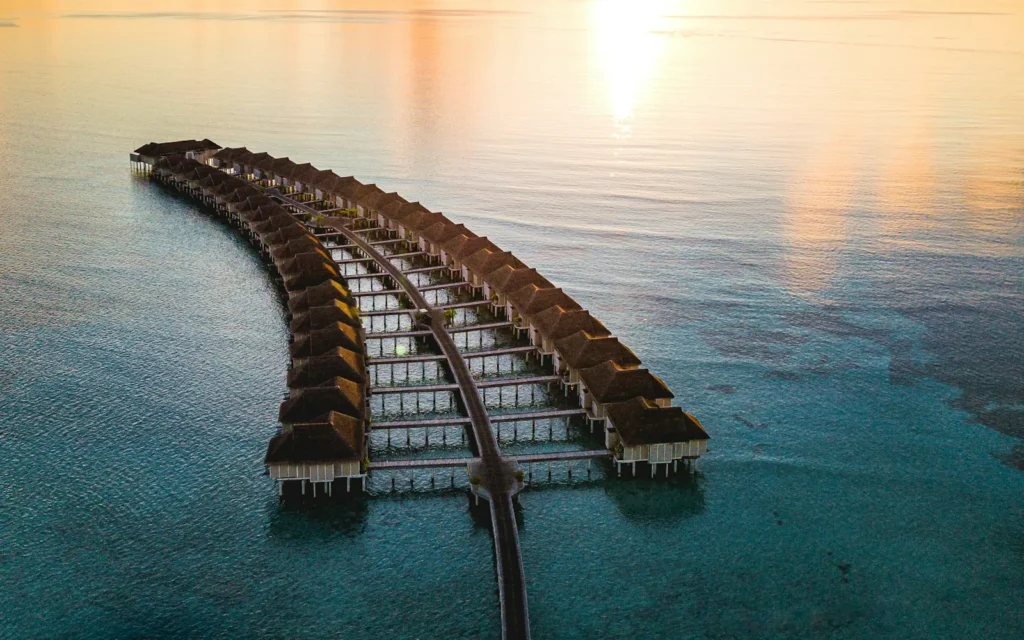
12. Kauai & the outer Hawaiian islands
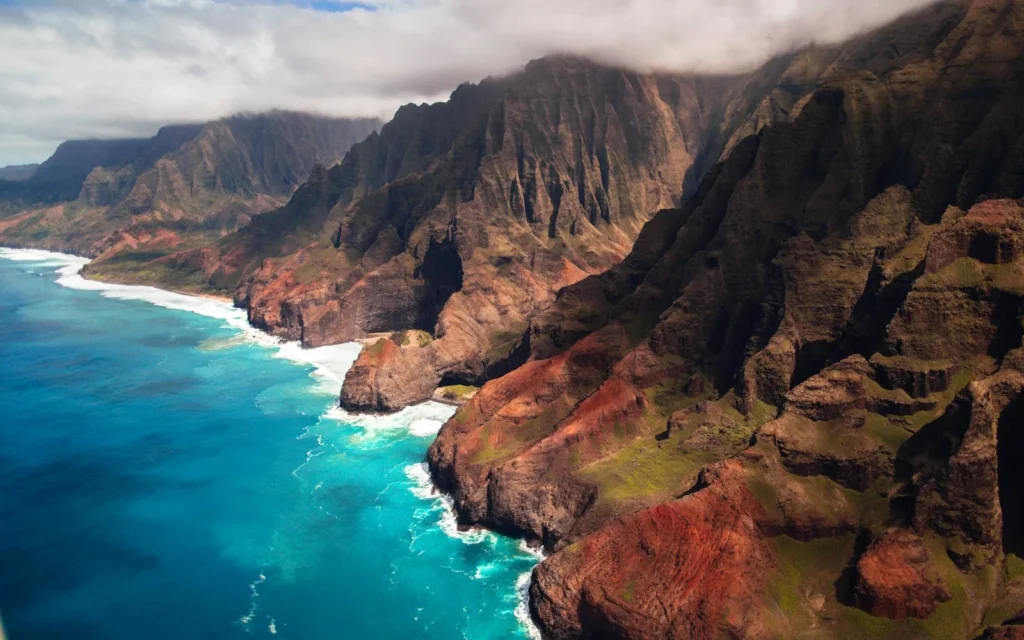
Beyond Oahu’s crowds, Kauai offers powerful winter reefs and mellow summer beach breaks beneath the Na Pali cliffs.
13. Sri Lanka's south and east coasts
Best months: Dec–Feb · 23–30°C days · some rain (climate data)
Two seasons on opposite coasts means year-round surf, with Arugam Bay and Weligama both very beginner-friendly.