Last updated August 29, 2026 · Editorial policy
- Best time to visit New York City: at a glance
- Best Time to Visit New York City: Month-by-Month Guide
- Festivals & Events in New York City
- When to Visit by Travel Goal
- What to Avoid
- Booking Tips
- The Shoulder-Season Sweet Spot: Early May and Late September
- Frequently Asked Questions
- Related New York City Travel Guides
Best time to visit New York City: at a glance
Short answer: April–June and September–November.
| Season | Months | What to expect |
|---|---|---|
| Peak | Jun–Aug, Dec | Summer or the holidays; busiest |
| Shoulder (best value) | Apr–May, Sep–Nov | Spring or crisp fall, ideal for walking |
| Low | Jan–Mar | Cold; lowest rates |
Best Time to Visit New York City: Month-by-Month Guide
Quick take: Every travel blog says the same thing about when to visit New York City. Most of it is copy-pasted from tourism boards. Here’s what actually matters.
Knowing the best time to visit New York City can transform your trip — saving you hundreds on flights and hotels while putting you in better weather with fewer crowds. This guide breaks down each season, key events, and what to expect month by month so you can pick the right travel dates.
| Season | Months | What to Expect |
|---|

Festivals & Events in New York City
New Year’s Eve in Times Square is the single toughest booking in the city: hotels with ball-drop views often sell out six months to a year ahead, and the whole Christmas-to-January 1 stretch commands top rates. Marathon weekend, the first Sunday of November, is a close second.
- New Year’s Eve Ball Drop (Times Square) (late Dec)
- Macy’s Thanksgiving Day Parade (late Nov)
- NYC Pride March (Jun)
- Tribeca Festival (Jun)
- West Indian Day Carnival (Sep)
When to Visit by Travel Goal
- Fewest crowds: January through early March, once the New Year’s rush clears. Cold weather thins the lines at the Empire State Building and the big museums, and Broadway seats are easier to get. Early December, before school breaks start around mid-month, is the calmest slice of the holiday season.
- Festivals & culture: The Macy’s Thanksgiving Day Parade in late November and the Times Square Ball Drop on December 31 are the marquee spectacles, and both send nearby hotel rates soaring. June stacks NYC Pride and the Tribeca Festival for a livelier, warmer alternative.
- Budget travelers: January through early March is the real bargain window, once New Year’s crowds leave and before spring break. Hotel rates are typically at their yearly lows, and winter editions of Restaurant Week and Broadway Week usually run in late January and February, stacking discounts on the cheapest season.
What to Avoid
- Major holidays: Thanksgiving week and the Christmas-to-New Year’s stretch are the big crowd movers, packing Midtown around the parade, the Rockefeller tree, and Times Square. July 4th brings fireworks crowds, and Memorial Day and Labor Day weekends bookend the busy summer. Book well ahead for any of these.
- Closures: New York rarely shuts down; museums, Broadway, and observation decks run year-round. The main seasonal shifts: rooftop bars typically close or move indoors for winter, some outdoor attractions trim hours from around November to April, and most museums close on Thanksgiving Day and Christmas Day.
Booking Tips
- New York City peaks in summer and again from Thanksgiving through New Year’s, so book flights around 2-3 months out for June-August and even earlier for December dates. For the January-March lull or the spring and fall shoulders, 4-6 weeks ahead is usually enough.
- New York’s shoulder sweet spots are early-to-mid May and late September into early October: near-summer warmth without the humidity, hotel rates below peak, and bonuses like Central Park’s cherry blossoms around late April and fall foliage from mid-October. April and mid-November trade cooler days for even thinner crowds.
- US school calendars drive New York’s crowds: summer break from around mid-June through August, spring break weeks in March and April, and the late-December holiday recess all swell family visitor numbers. UK and European school half-terms, especially late October and pre-Christmas weeks, add a noticeable transatlantic bump.
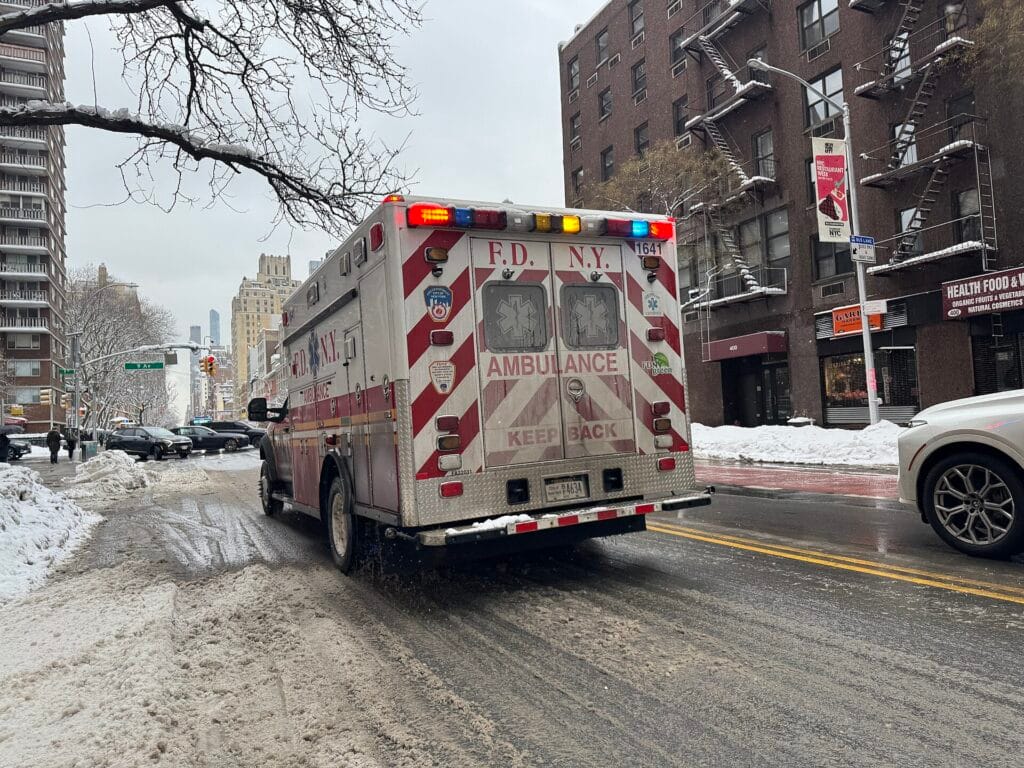
- Travel insurance earns its keep here in winter: December through March nor’easters and snowstorms can ground flights at JFK, LaGuardia, and Newark for a day or more, and holiday-season rebooking is brutal. Summer visitors face milder risk, mostly thunderstorm delays, so prioritize coverage for winter and Christmas-week trips.
The Shoulder-Season Sweet Spot: Early May and Late September
Spring and fall both rank as good windows, but the genuine sweet spot is narrower than that. Aim for early-to-mid May and the late-September-into-early-October stretch, when prices and crowds dip below the summer and holiday peaks while the weather behaves. May averages a high of about 71F and a low near 55F; late September holds highs around 76F before October eases to roughly 65F by day and 51F at night. Those are the days you can walk the bridges and queue for the observation decks without melting or freezing.
Each shoulder window has a payoff worth timing your trip around:
- Late April into early May: Central Park cherry blossoms peak for a short window, often only about 5 to 7 days, so it rewards flexible dates.
- Mid-October into early November: Central Park’s foliage turns, usually peaking around the first week of November.
The period to actively avoid is not summer heat but the late-November-through-New-Year holiday crush and the TCS New York City Marathon weekend (the first Sunday of November, falling on November 1 in 2026). Marathon Sunday alone draws over 50,000 runners and pushes hotel rates up sharply. Shift your stay a week or two off those dates and the same room costs noticeably less.
Frequently Asked Questions
Are there major festivals in New York City?
Yes — New York City hosts notable events including: New Year’s Eve Ball Drop (Times Square) (late Dec), Macy’s Thanksgiving Day Parade (late Nov), NYC Pride March (Jun), Tribeca Festival (Jun), West Indian Day Carnival (Sep). Major festivals can spike hotel prices 50-200% — book 3-6 months ahead if attending.
What should I pack for New York City?
Pack for the season you’re visiting and the climate zone. Summer in New York City: lightweight breathable clothes, sunscreen, hat, comfortable walking shoes. Winter: layers, waterproof jacket, warm accessories. Check the 10-day forecast 1-2 weeks before departure and adjust.
Related New York City Travel Guides
- Best Things to Do in New York City
- Where to Stay in New York City
- Best Food in New York City
- How Much Does a Trip to New York City Cost?
- New York City Itinerary Guide
Torn between destinations? See our honest, first-hand comparisons: New York City vs Los Angeles, New York vs Chicago, New York vs London.
You Might Also Love





Written by
John Morrison is the founder and lead travel writer at Packzup. Over the past decade he has explored destinations across Africa, the Americas, Asia, Europe, the Middle East, and Oceania — always self-funded, never on a press trip.