Last updated August 13, 2026 · Editorial policy
- Best time to visit Yosemite: at a glance
- Best Time to Visit Yosemite National Park: Month-by-Month Guide
- Best Months to Visit Yosemite National Park
- Yosemite National Park Travel Seasons at a Glance
- Festivals & Events in Yosemite National Park
- When to Visit by Travel Goal
- What to Avoid
- Booking Tips
- The Sweet Spot Most Visitors Miss: Late September Over Peak Summer
- Frequently Asked Questions
- Related Yosemite National Park Travel Guides
- Related Articles
Best time to visit Yosemite: at a glance
Short answer: May–June for roaring waterfalls; September–October for crisp, quiet days.
| Season | Months | What to expect |
|---|---|---|
| Peak | Jun–Aug | Warm, all open; busiest |
| Shoulder (best value) | May, Sep–Oct | Waterfalls or fall colour, fewer crowds |
| Low | Nov–Apr | Snow; Tioga & Glacier Point roads closed |
Best Time to Visit Yosemite National Park: Month-by-Month Guide
Quick take: Every travel blog says the same thing about when to visit Yosemite National Park. Most of it is copy-pasted from tourism boards. Here’s what actually matters.
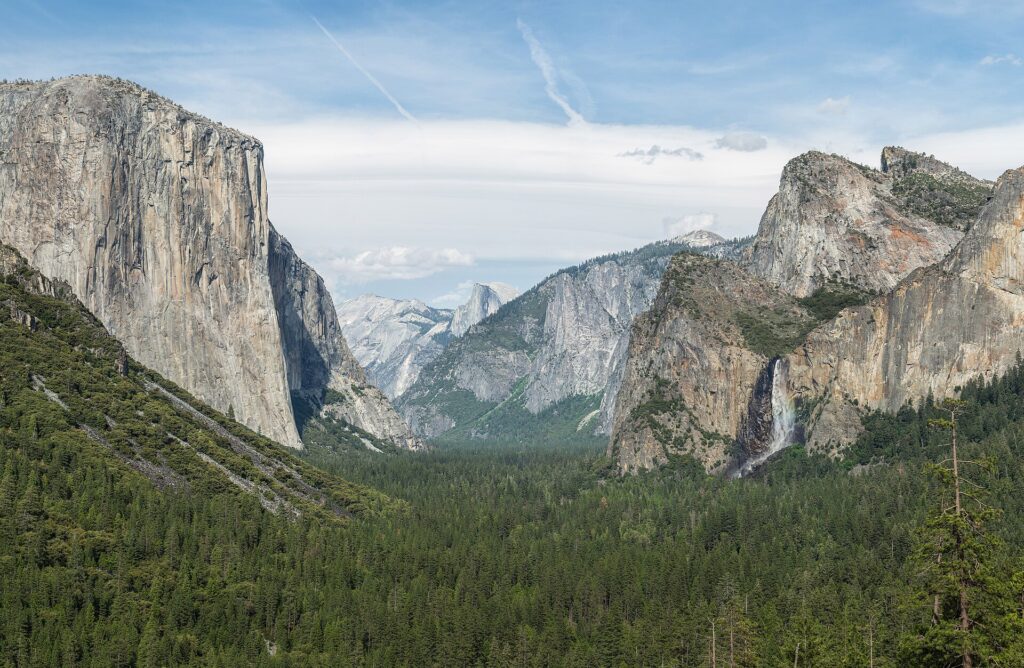
Peak: summer (June-August) · Off-season: winter (December-February)
Knowing the best time to visit Yosemite National Park can transform your trip — saving you hundreds on flights and hotels while putting you in better weather with fewer crowds. This guide breaks down each season, key events, and what to expect month by month so you can pick the right travel dates.
Best Months to Visit Yosemite National Park
Top pick: shoulder seasons (typically April-May and September-October). You get the best balance of weather, crowds, and price. Hotels and flights typically run 15-30% below peak season, the weather is comfortable, and major attractions are open without the high-summer chaos.
Yosemite National Park Travel Seasons at a Glance
| Season | Months | What to Expect |
|---|---|---|
| Peak | summer (June-August) | Best weather (for that region), highest prices, biggest crowds. Book hotels 3-6 months ahead. |
| Shoulder | shoulder seasons (typically April-May and September-October) | Sweet spot: good weather, moderate crowds, 15-30% lower prices than peak. |
| Off-season | winter (December-February) | Cheapest, quietest. Some sights may be closed. Best for budget travelers and shoulder-month flexibility. |
Festivals & Events in Yosemite National Park
If you’re planning around a specific event, book early — major festivals spike hotel prices 50-200% and sell out 3-6 months ahead.
- Firefall (Horsetail Fall) (Feb)
- Bracebridge Dinner (Dec)
When to Visit by Travel Goal
- Best weather: Visit during shoulder seasons (typically April-May and September-October). Comfortable temperatures, low rainfall, manageable crowds.
- Lowest prices: winter (December-February). Hotels and flights cut 30-50%. Trade weather for savings.
- Fewest crowds: Just outside peak season — first 2 weeks before peak begins or last 2 weeks after peak ends.
- Festivals & culture: See the events list above. Book 3-6 months ahead for major dates.
- Outdoor activities: Avoid peak rain/hurricane months. shoulder seasons (typically April-May and September-October) is generally optimal.
- Budget travelers: Mid-week flights in off-season offer the best deals. Set Google Flights alerts 6-8 weeks ahead.
What to Avoid
- Peak crowds: summer (June-August) brings 2-3x the visitors. Major sites require ticket reservations weeks ahead.
- Major holidays: Local school holidays and religious festivals drive domestic travel surges — popular spots fill up.
- Closures: Some sights and restaurants close during deep off-season. Verify business hours before booking.
Booking Tips
- Book flights 8-12 weeks ahead for peak season; 4-6 weeks for off-season usually works.
- Set Google Flights price alerts for your target dates.
- Watch shoulder weeks: the week just before/after peak season often has near-peak weather at 30% lower prices.
- Check local school holidays — these spike domestic travel and crowd major sites.
- Travel insurance is wise for any peak-season trip given high prices and harder-to-rebook flights.
The Sweet Spot Most Visitors Miss: Late September Over Peak Summer
If you want the version of Yosemite that the brochures sell without the parking-lot gridlock, target the two weeks right after Labor Day. The waterfall crowd has gone home, schools are back, yet the valley still runs warm highs in the 70s to mid-80s F with cool nights, and Tioga Road and Glacier Point Road remain open before the first storms close them. Spring has a stronger pull for one specific thing: Yosemite Falls and Bridalveil Fall hit peak runoff in April and May, when snowmelt makes them thunderous. The catch is that the high country stays locked, since Tioga and Glacier Point roads usually clear by late May or early June after plowing that starts around April 15.
What to weigh by season:
- Mid-July to mid-August: hottest and busiest, with July valley highs near the upper 80s F and Saturday-morning traffic that backs up entrances. Skip it unless you must.
- Mid-to-late February: the Horsetail Fall ‘firefall’ glows roughly February 11-26, peaking near the 21st, weather permitting. There is no day-use reservation in 2026, but viewing spots fill fast and the event hinges on a clear western sky.
Frequently Asked Questions
Are there major festivals in Yosemite National Park?
Yes — Yosemite National Park hosts notable events including: Firefall (Horsetail Fall) (Feb), Bracebridge Dinner (Dec). Major festivals can spike hotel prices 50-200% — book 3-6 months ahead if attending.
What should I pack for Yosemite National Park?
Pack for the season you’re visiting and the climate zone. Summer in Yosemite National Park: lightweight breathable clothes, sunscreen, hat, comfortable walking shoes. Winter: layers, waterproof jacket, warm accessories. Check the 10-day forecast 1-2 weeks before departure and adjust.
Related Yosemite National Park Travel Guides
Related Articles
- Best Things to Do in Yosemite National Park
- Yellowstone vs Yosemite: National Park Pick
- Best Things to Do in Zion National Park
- Best Things to Do in Grand Canyon National Park
You Might Also Love


Written by
John Morrison is the founder and lead travel writer at Packzup. Over the past decade he has explored destinations across Africa, the Americas, Asia, Europe, the Middle East, and Oceania — always self-funded, never on a press trip.