Quick Answer
The finest UNESCO natural World Heritage sites include Plitvice Lakes, Ha Long Bay, the Grand Canyon, the Serengeti, Komodo, the Galápagos, the Great Barrier Reef and Patagonia’s ice fields. Here are 10, with what earned each its listing and when to go.
UNESCO’s natural sites are chosen for outstanding geology, ecosystems or biodiversity — a shortlist of the planet’s most remarkable places. These 10 are the ones most worth travelling for, each with what makes it significant and the season that suits.
10 of the Best UNESCO Natural Sites
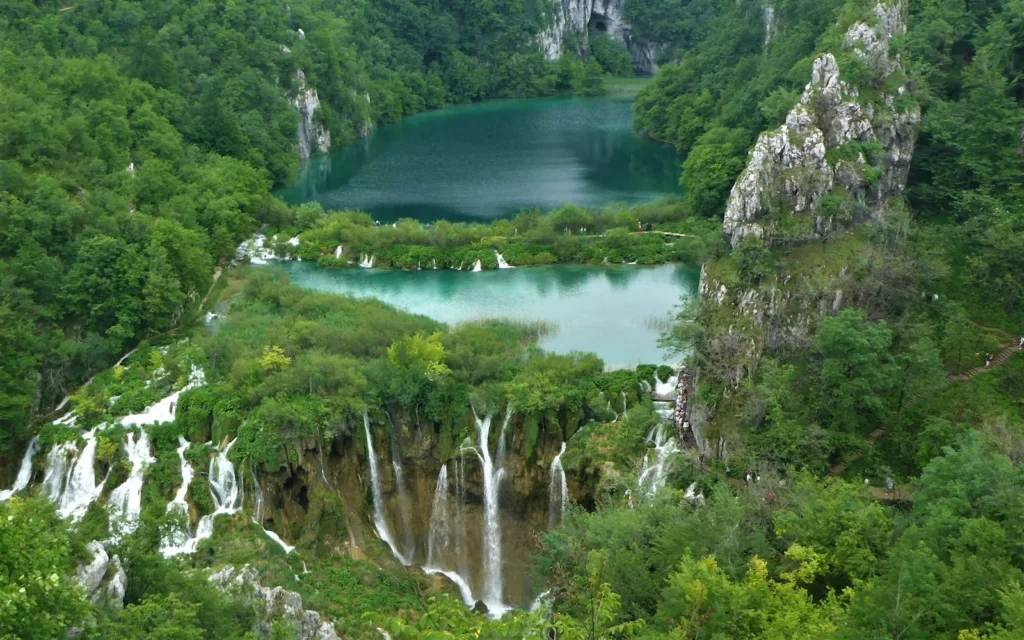
1. Plitvice Lakes, Croatia
Best months: Sep–Nov · 14–22°C days · some rain (climate data)
Sixteen terraced lakes cascading over travertine barriers through forest, linked by wooden walkways. Listed in 1979.
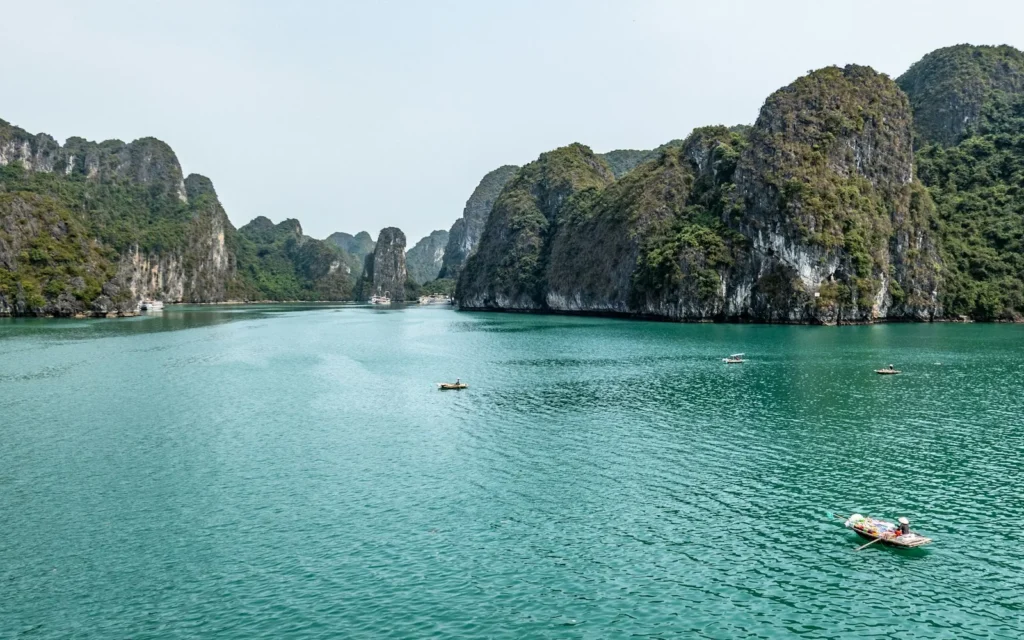
2. Ha Long Bay, Vietnam
Best months: Nov–Jan · 14–22°C days · some rain (climate data)
Nearly 2,000 limestone karsts rising from emerald water — best seen from an overnight boat rather than a day trip.
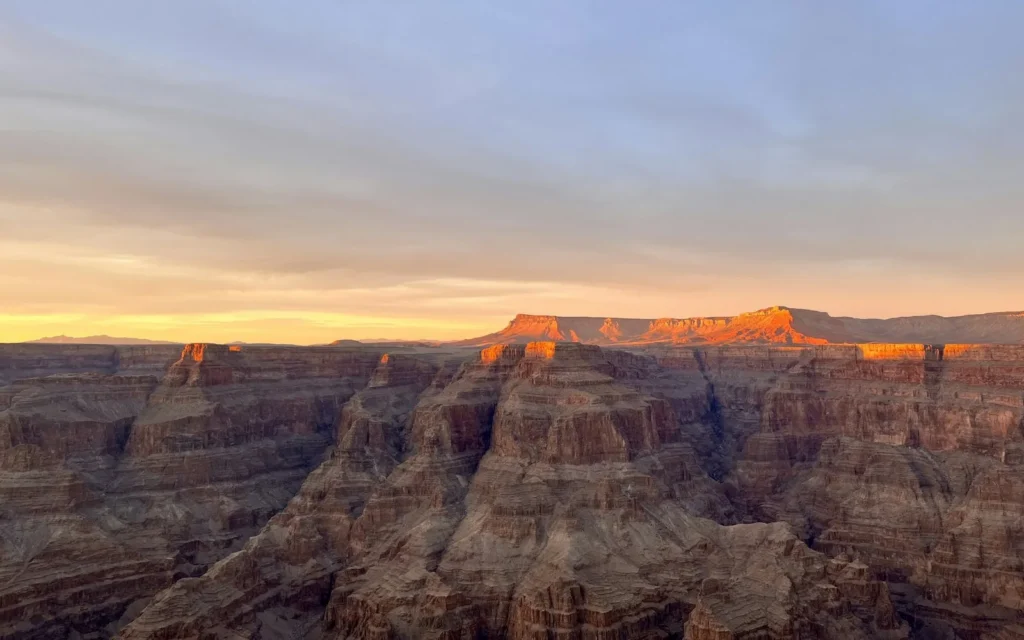
3. Grand Canyon, USA
A mile deep and up to 29km wide, exposing nearly two billion years of geological history along the Colorado.
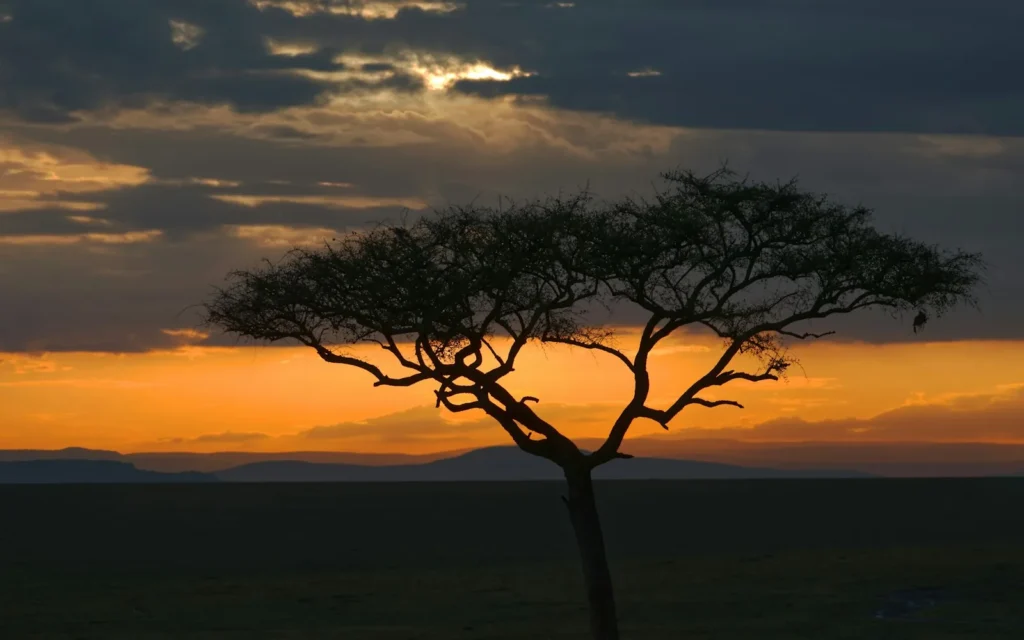
4. Serengeti National Park, Tanzania
The Great Migration of nearly two million wildebeest and zebra — one of the last mass land-mammal movements on earth.
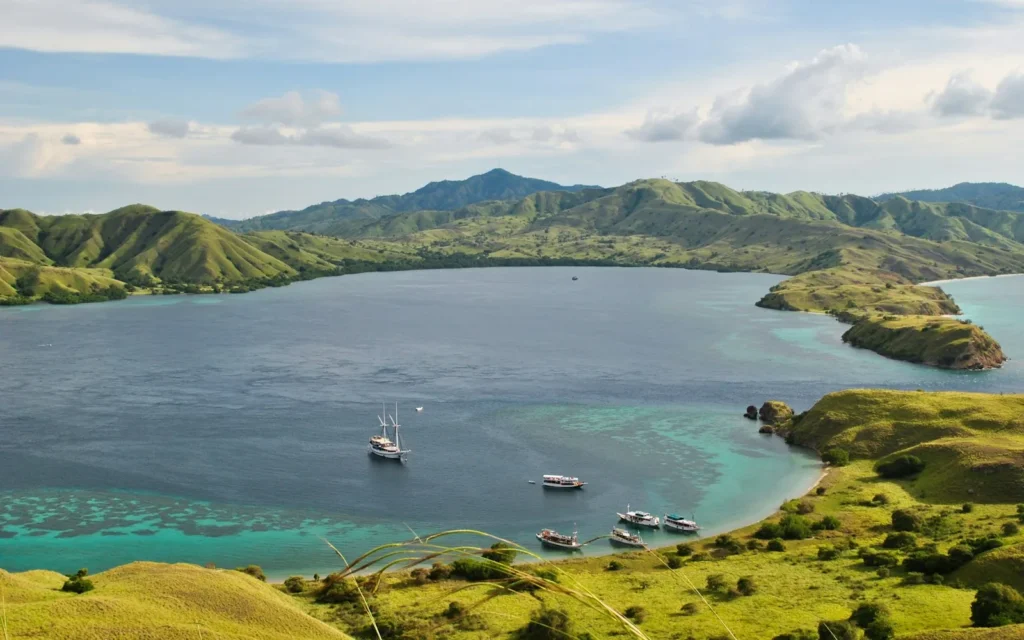
5. Komodo National Park, Indonesia
Best months: Jun–Aug · 23–32°C days · some rain (climate data)
Volcanic islands, pink-sand bays and the world’s largest lizard, protected since 1980.
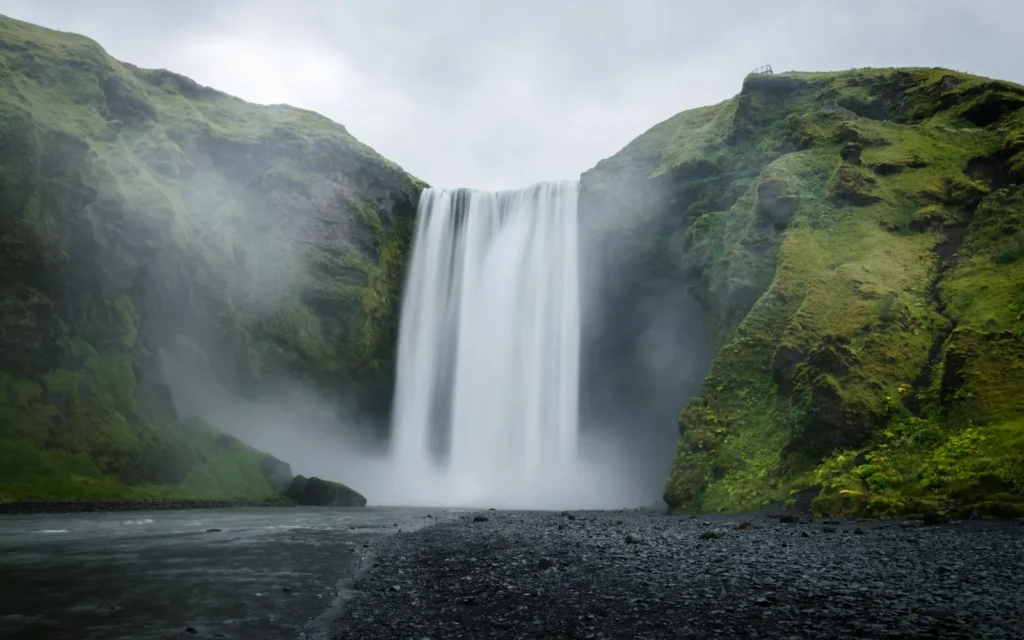
6. Þingvellir & Iceland's volcanic landscapes
Best months: Jun–Aug · 9–13°C days · rainy (climate data)
Where the Atlantic plates pull apart — Þingvellir is listed for both geology and its role as the world’s oldest parliament site.
7. Galápagos Islands, Ecuador
Best months: Jun–Aug · 7–18°C days · some rain (climate data)
The archipelago that shaped Darwin’s thinking, and among the first sites ever inscribed, in 1978.
8. Great Barrier Reef, Australia
The largest living structure on earth, visible from space and under serious pressure from bleaching.
9. Torres del Paine & Los Glaciares, Patagonia
Best months: Dec–Feb · 10–17°C days · some rain (climate data)
Granite towers, ice fields and calving glaciers across the Chilean and Argentine south.
10. Yellowstone, USA
The world’s first national park, and a supervolcano caldera with half the planet’s active geysers.
Visiting responsibly
Several of these sites are under real pressure, and visitor rules exist for good reason: the Galápagos caps numbers and requires licensed guides, Komodo restricts landing points, and the Great Barrier Reef asks visitors to use reef-safe sunscreen and licensed operators. Dry seasons generally give the best access — June to October for the Serengeti and Komodo, spring and autumn for Plitvice and the Grand Canyon, and the southern summer for Patagonia. Book park permits and boat trips ahead; most now cap daily entries.
Frequently Asked Questions
What is the most impressive UNESCO natural site?
The Grand Canyon for sheer scale, the Serengeti for wildlife, and the Galápagos for evolutionary significance.
How many UNESCO natural sites are there?
Over 200 worldwide, alongside a much larger number of cultural sites and a few dozen mixed ones.
Which is easiest to visit?
Plitvice and the Grand Canyon — both have excellent infrastructure and can be visited independently.