Quick Answer
Europe holds more UNESCO World Heritage sites than any other continent. The essentials run from the Acropolis and Venice to Prague, Dubrovnik and the Rhine Gorge. Here are 15 of the best — what earned each its listing and the best way to visit.
UNESCO’s World Heritage list is a shortcut to Europe’s greatest places — sites judged of outstanding universal value. These 15 span ancient Greece, medieval walled cities, Renaissance capitals and natural wonders, and every one deserves a place on a European itinerary.
15 of the Best UNESCO Sites in Europe
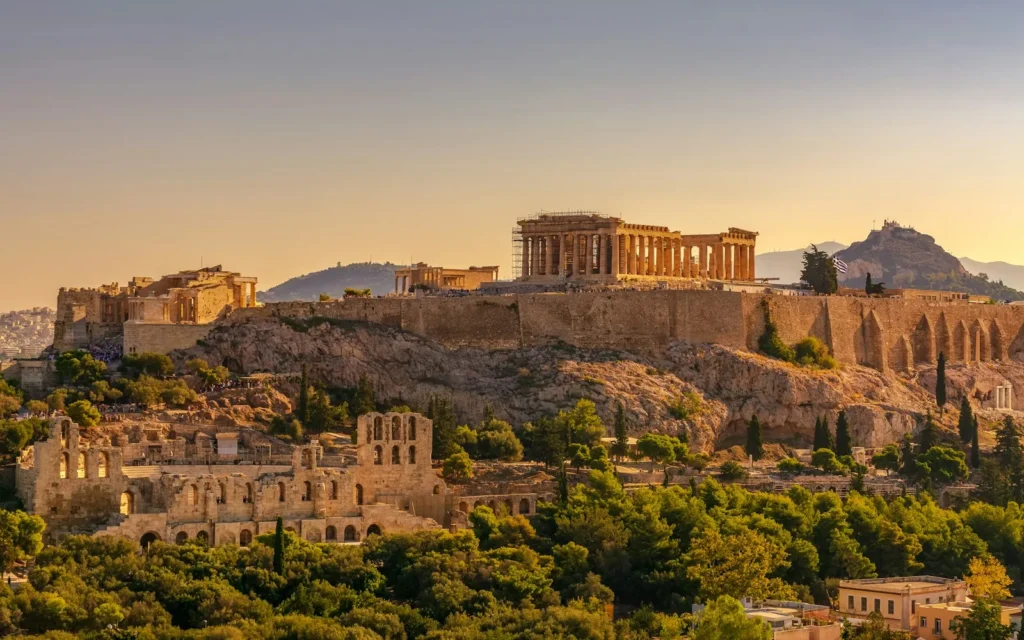
1. The Acropolis, Athens, Greece
Best months: Sep–Nov · 15–24°C days · dry (climate data)
The Parthenon and its temples have crowned Athens for 2,500 years — the defining monument of classical civilisation, glorious at golden hour.
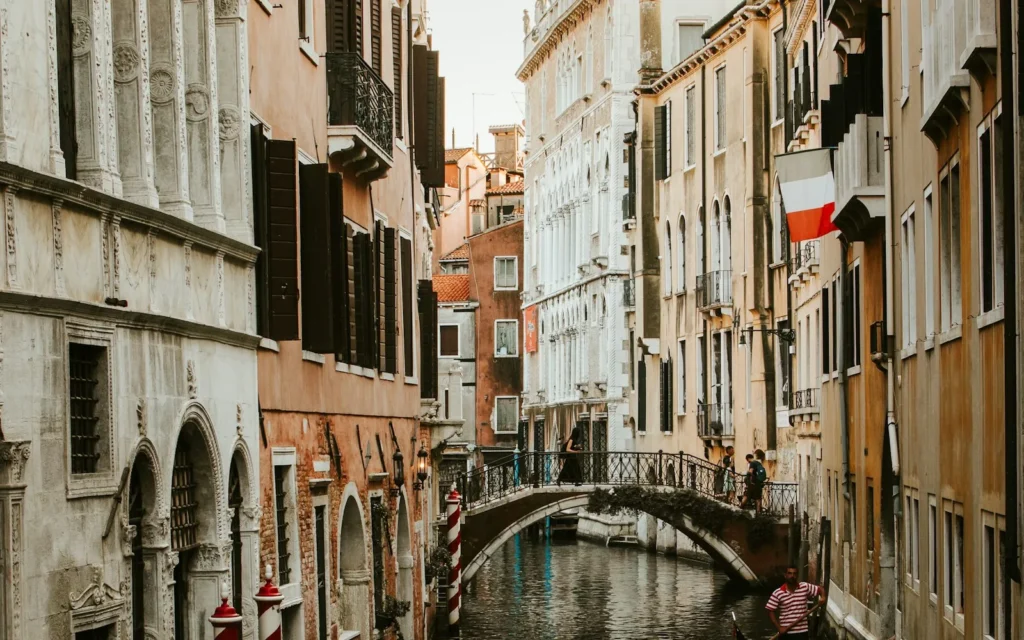
2. Venice and its Lagoon, Italy
Best months: Apr–Jun · 13–23°C days · rainy (climate data)
An entire city on the water, listed in full: canals, palaces and St Mark’s, best appreciated once the day-trippers leave.
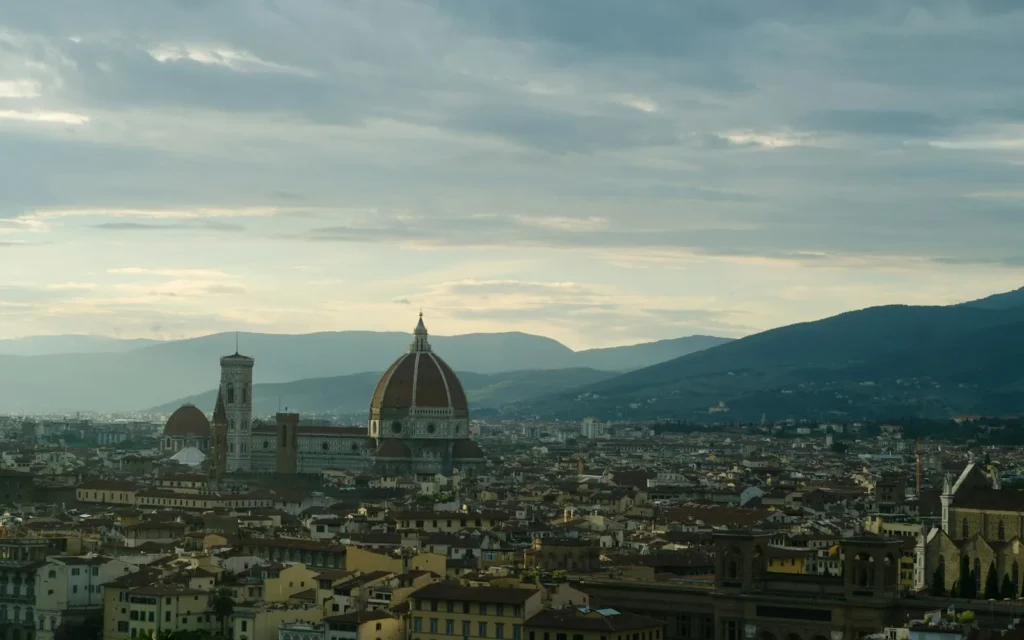
3. Historic Centre of Florence, Italy
Best months: Apr–Jun · 13–23°C days · rainy (climate data)
The cradle of the Renaissance — Brunelleschi’s dome, the Uffizi and Michelangelo’s David within a few walkable blocks.
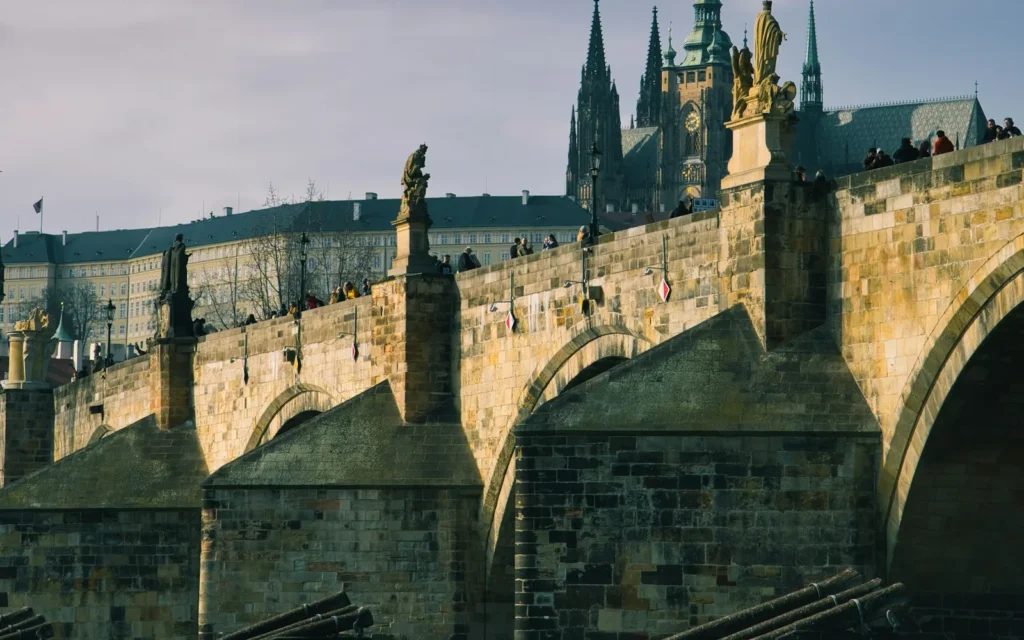
4. Historic Centre of Prague, Czech Republic
Best months: Jul–Sep · 15–25°C days · some rain (climate data)
Charles Bridge, the castle and a thousand years of architecture escaped the wars intact — Europe’s best-preserved medieval capital.
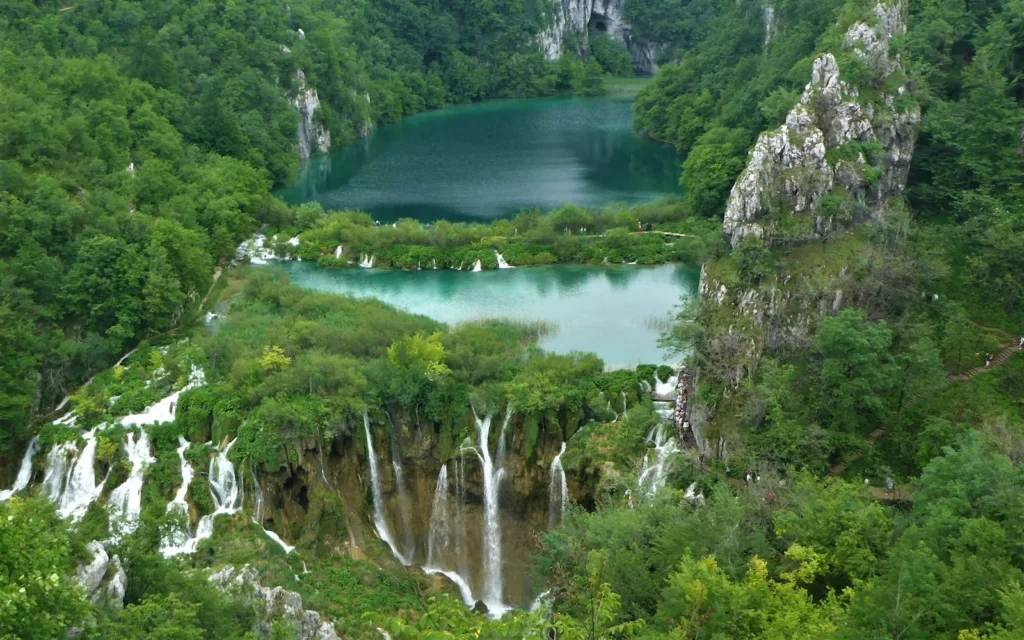
5. Plitvice Lakes National Park, Croatia
Best months: Sep–Nov · 14–22°C days · some rain (climate data)
Sixteen terraced lakes spill over travertine barriers in a forested canyon — a natural World Heritage site laced with wooden walkways.
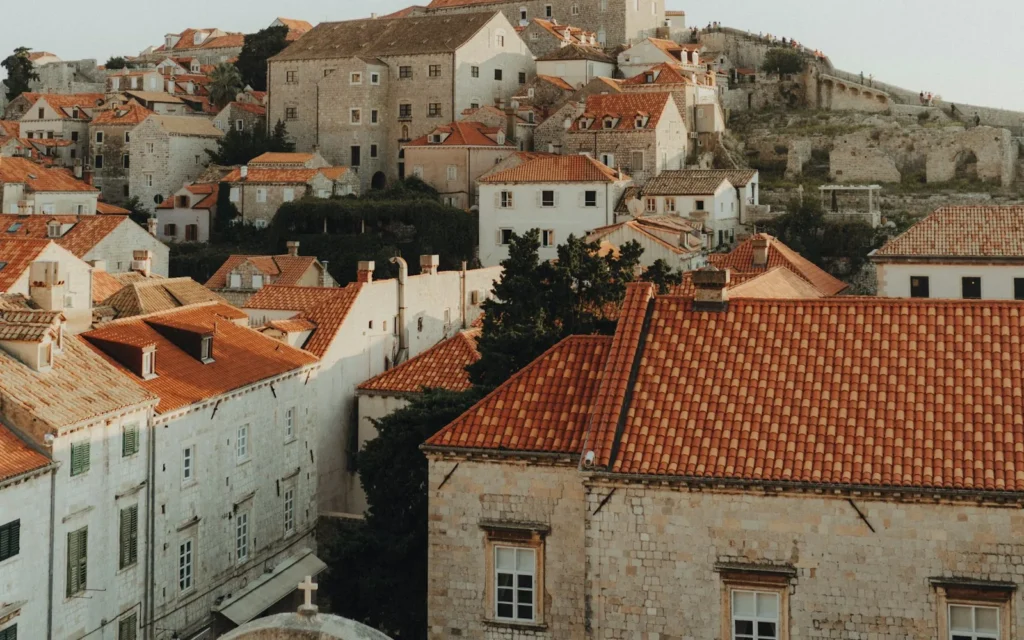
6. Old City of Dubrovnik, Croatia
Best months: Sep–Nov · 14–22°C days · some rain (climate data)
Marble streets and mighty sea walls enclose the ‘Pearl of the Adriatic’ — walk the full circuit at opening time to beat the crowds.
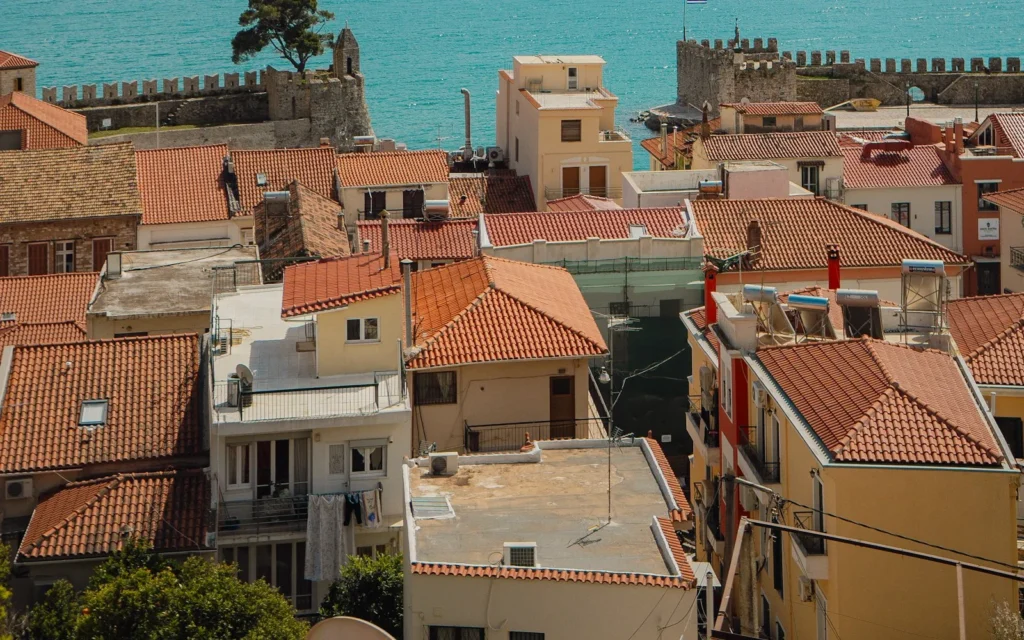
7. Medieval City of Rhodes, Greece
Best months: Sep–Nov · 15–24°C days · dry (climate data)
The Knights of St John built Europe’s finest surviving medieval walled town, its Street of the Knights still intact.
8. Historic Centre of Vienna, Austria
Best months: Jul–Sep · 17–26°C days · rainy (climate data)
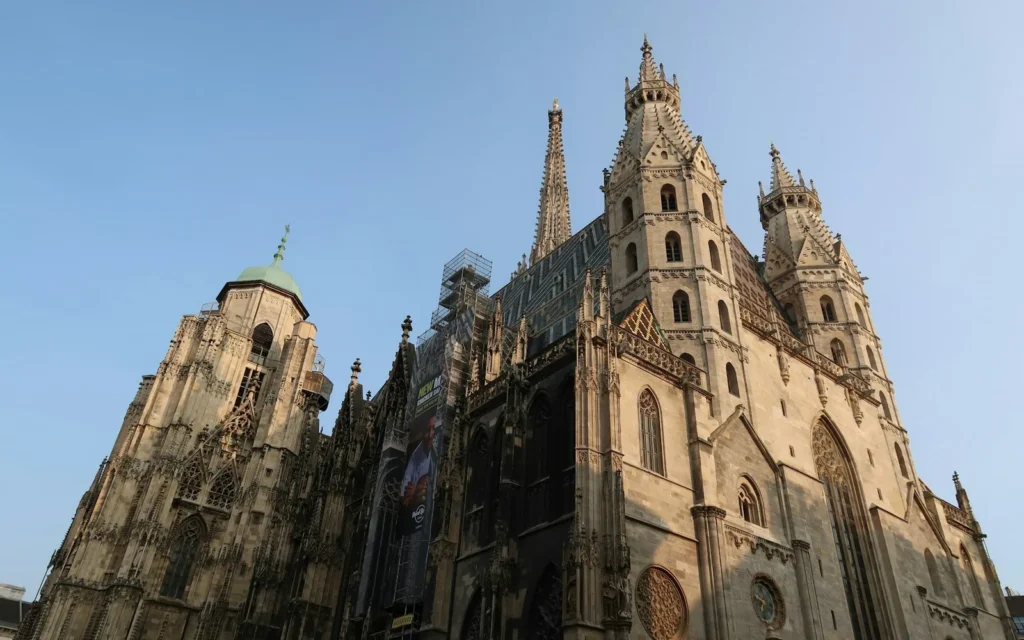
Imperial palaces, St Stephen’s Cathedral and the Ringstrasse chronicle the Habsburgs’ capital — with coffee houses to match.
9. Budapest and the Banks of the Danube, Hungary
Best months: Aug–Oct · 13–23°C days · some rain (climate data)
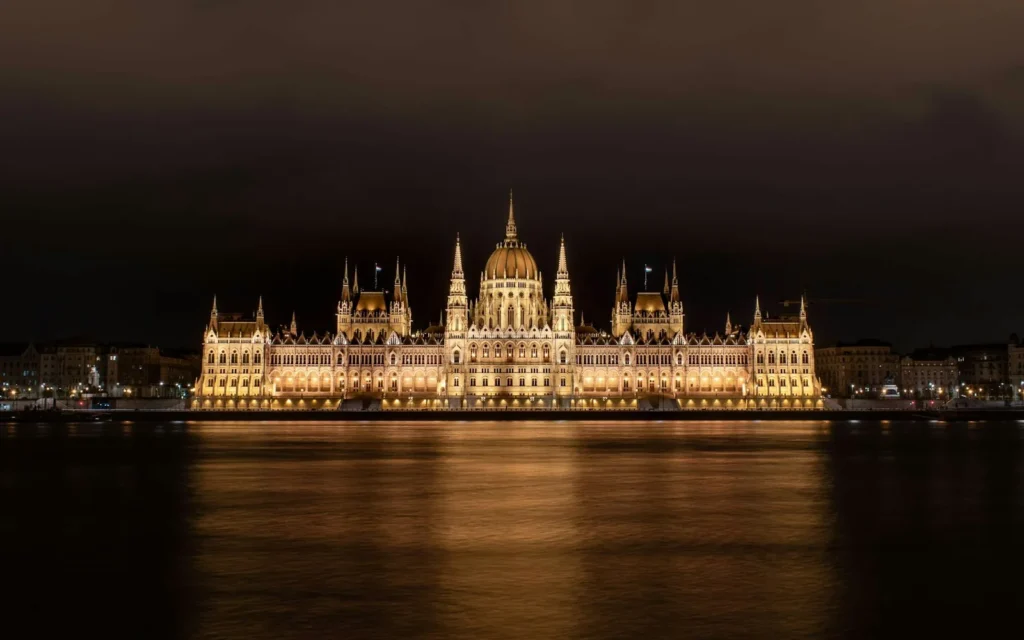
The parliament, Buda Castle and the Chain Bridge form one of Europe’s great river panoramas, listed as a single ensemble.
10. Old and New Towns of Edinburgh, Scotland
Best months: Jun–Aug · 12–19°C days · rainy (climate data)
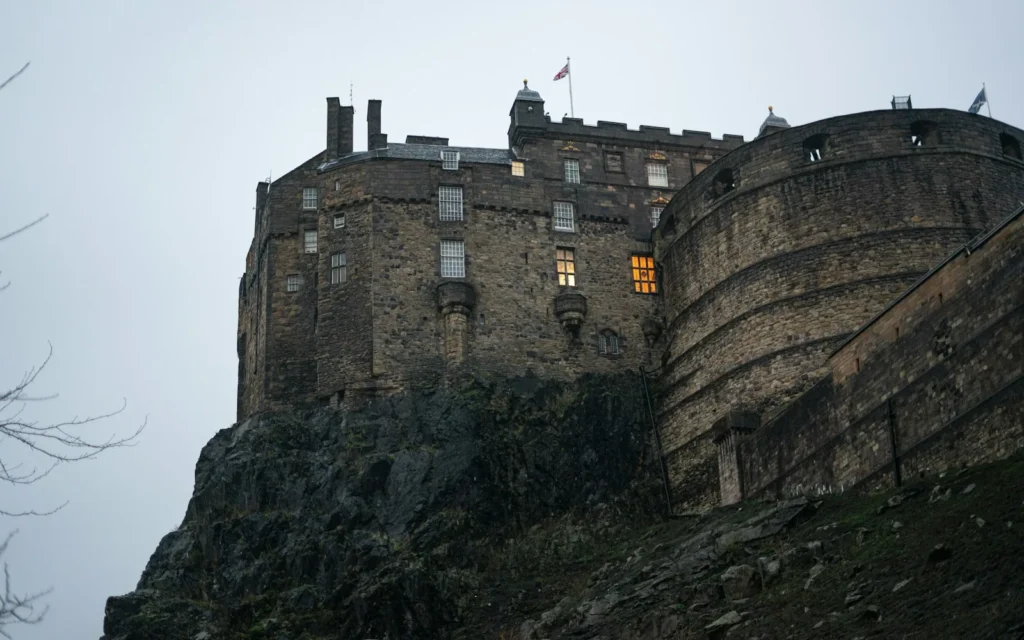
A medieval Old Town facing a Georgian New Town across the gardens, crowned by the castle on its volcanic crag.
11. The Upper Middle Rhine Valley, Germany
Best months: Jul–Sep · 16–25°C days · some rain (climate data)
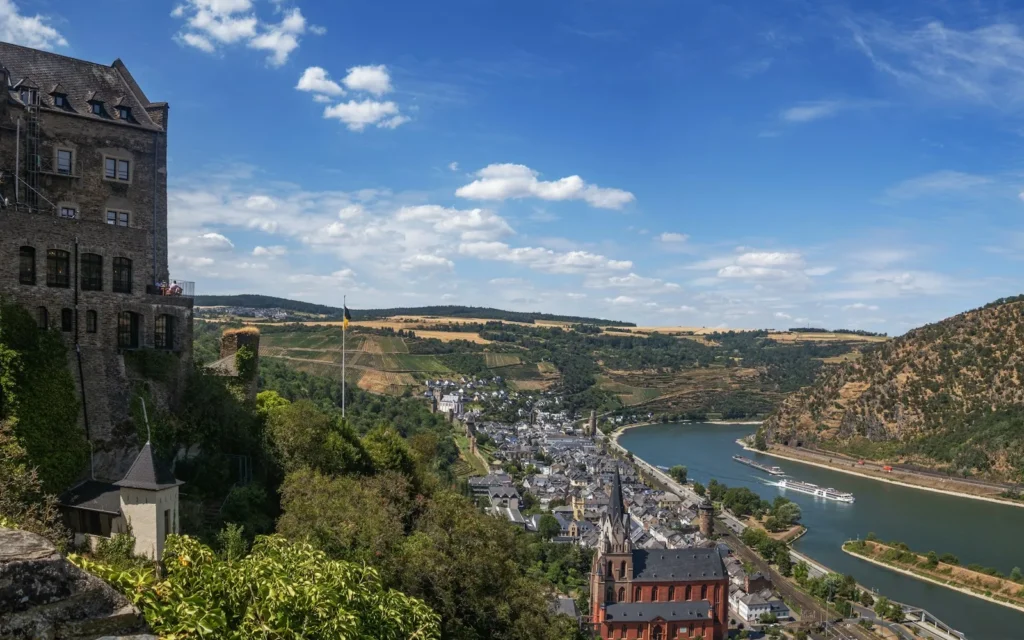
Forty castles in sixty kilometres: the Rhine Gorge’s vineyards, villages and the Lorelei rock, best seen from the river.
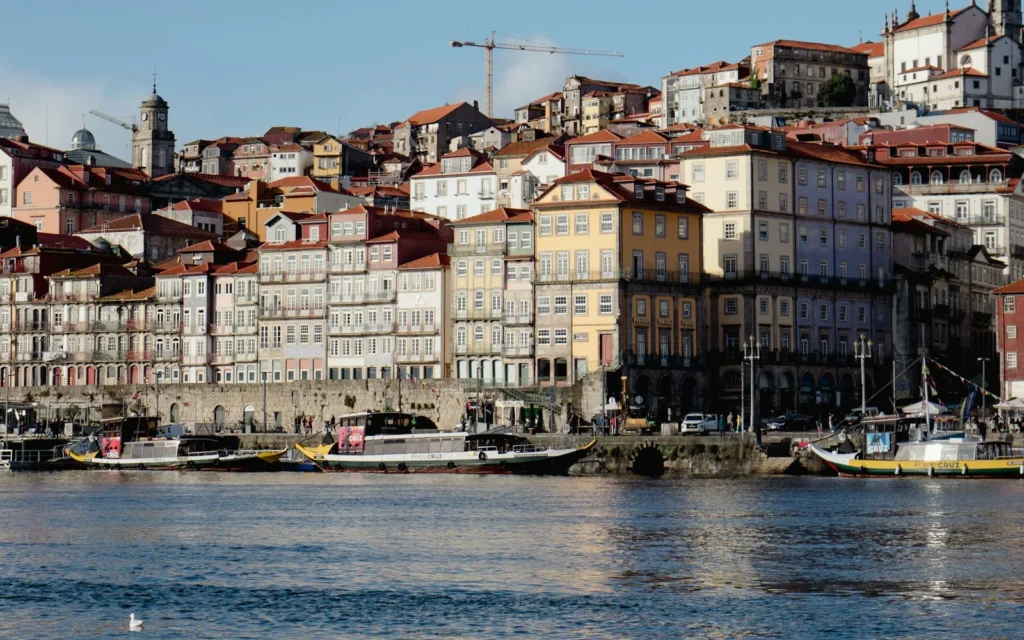
12. Historic Centre of Porto, Portugal
Best months: Jun–Aug · 18–28°C days · dry (climate data)
The Ribeira’s tumbling tiled houses and the port lodges across the Douro make Porto’s listed core one of Europe’s most atmospheric.
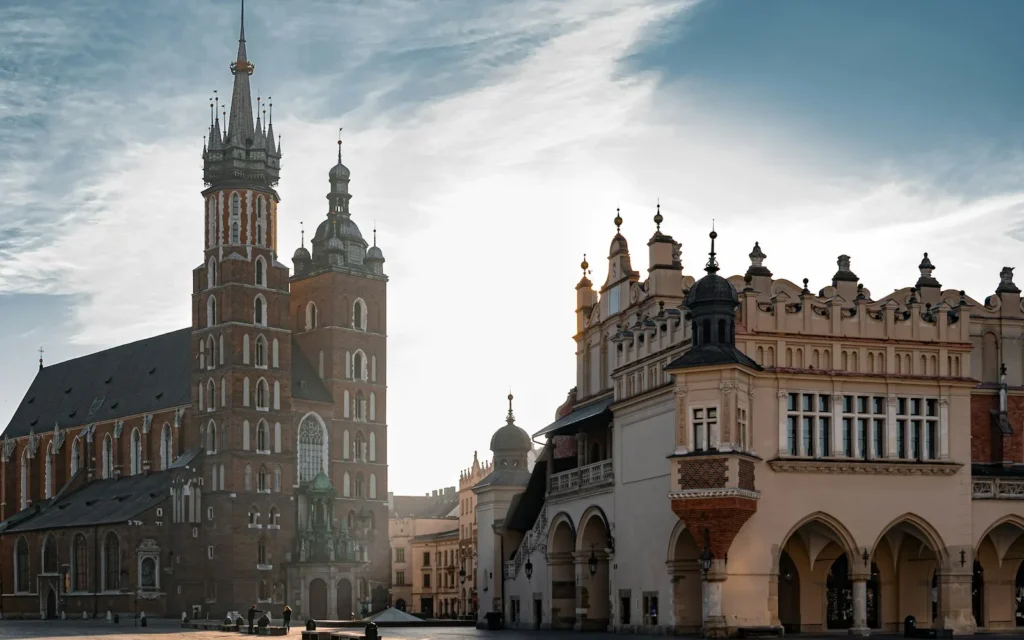
13. Old Town of Kraków, Poland
Europe’s largest medieval market square, the Cloth Hall and Wawel Castle — on the very first World Heritage list of 1978.
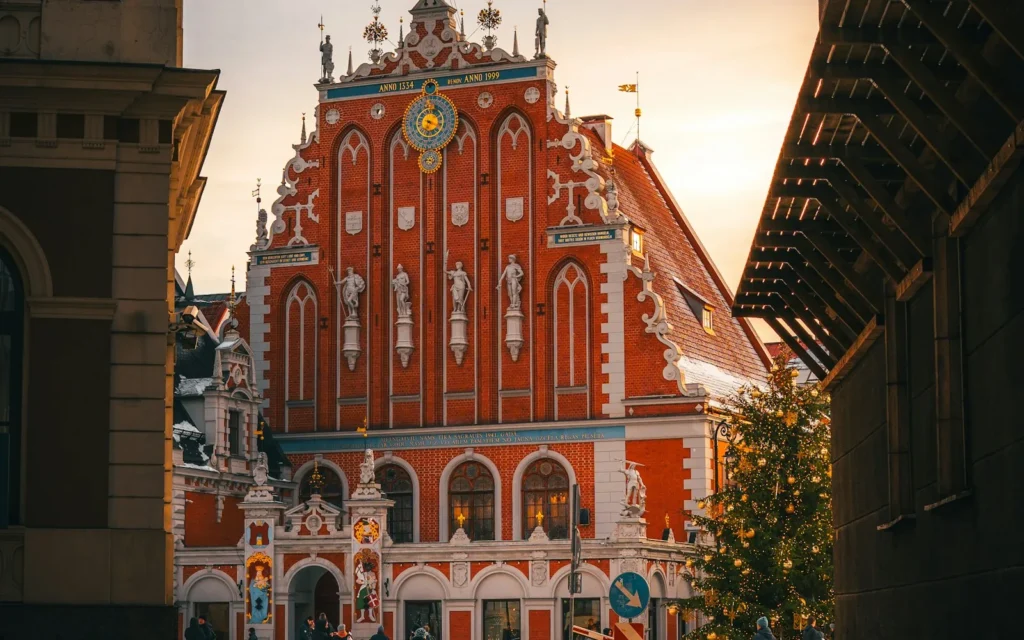
14. Historic Centre of Riga, Latvia
A Hanseatic old town wrapped in the continent’s richest collection of art nouveau architecture.
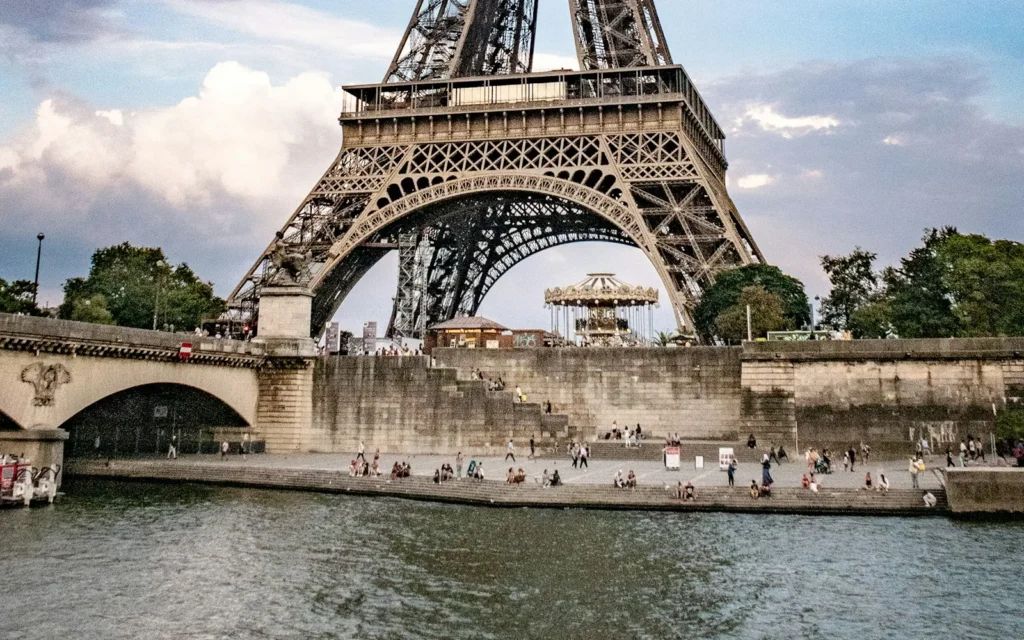
15. Paris, Banks of the Seine, France
Best months: Jun–Aug · 15–26°C days · some rain (climate data)
From Notre-Dame to the Eiffel Tower, the river frontage of Paris is itself a World Heritage site — best surveyed from a bateau.
How to plan a heritage trip
Many of these sites cluster conveniently: Venice, Florence and Rome make a classic Italian rail loop; Vienna, Budapest and Prague sit within four hours of each other; and Dubrovnik pairs naturally with Plitvice. Visit headline sites at opening time or late afternoon to dodge tour groups, and check ahead for timed-entry tickets — the Acropolis and Plitvice now cap daily numbers in summer.
Frequently Asked Questions
Which European country has the most UNESCO sites?
Italy leads the world, with Spain, Germany and France close behind — Italy alone has around 60 listed sites.
What was the first UNESCO site in Europe?
Kraków’s old town and the nearby Wieliczka salt mine were among the very first inscriptions in 1978.
Are natural sites included?
Yes — alongside cultural monuments, Europe lists natural wonders such as Plitvice Lakes and the Dolomites.