Quick Answer
The best UNESCO sites in Asia are led by Angkor in Cambodia, historic Kyoto, Ha Long Bay, Sigiriya, Bagan and the Taj Mahal, alongside the Great Wall, Borobudur, Petra and Cappadocia. Here are 12 of the finest, with what earned each its listing and how to visit.
Asia holds more World Heritage sites than any other continent — ancient capitals, temple cities and natural wonders spread from Jordan to Japan. These 12 are the essentials, each with what makes it significant and the best way to see it.
12 of the Best UNESCO Sites in Asia
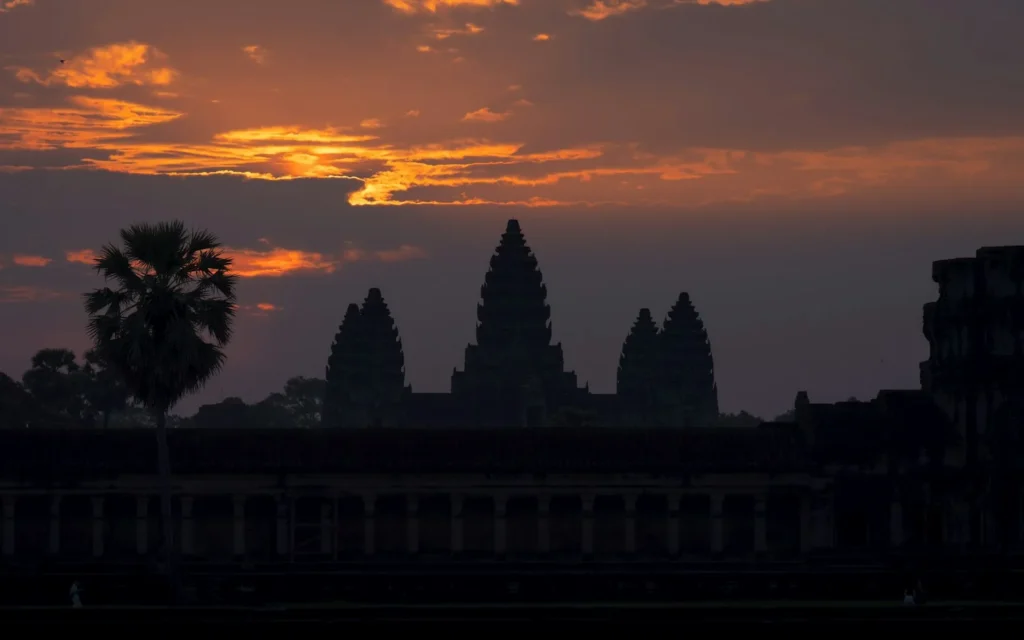
1. Angkor, Cambodia
Best months: Dec–Feb · 22–31°C days · dry (climate data)
The largest religious monument on earth, its five lotus towers rising over jungle — plus Bayon’s carved faces and Ta Prohm’s strangler figs.
2. Historic Kyoto, Japan
Best months: Sep–Nov · 14–22°C days · rainy (climate data)
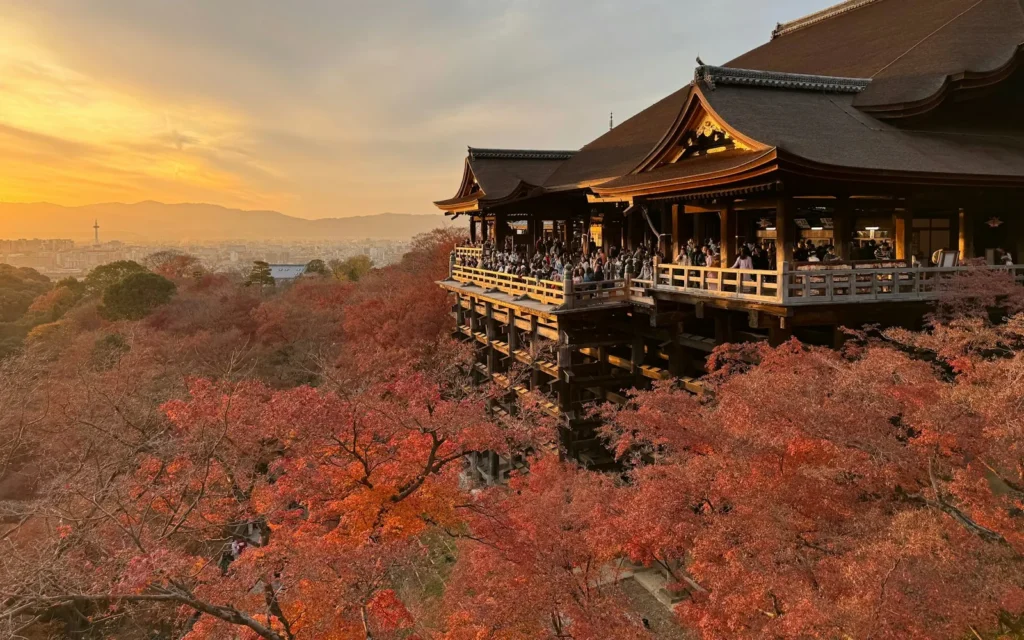
Seventeen listed temples, shrines and gardens across the old imperial capital, at their finest under autumn maples.
3. Ha Long Bay, Vietnam
Best months: Nov–Jan · 14–22°C days · some rain (climate data)
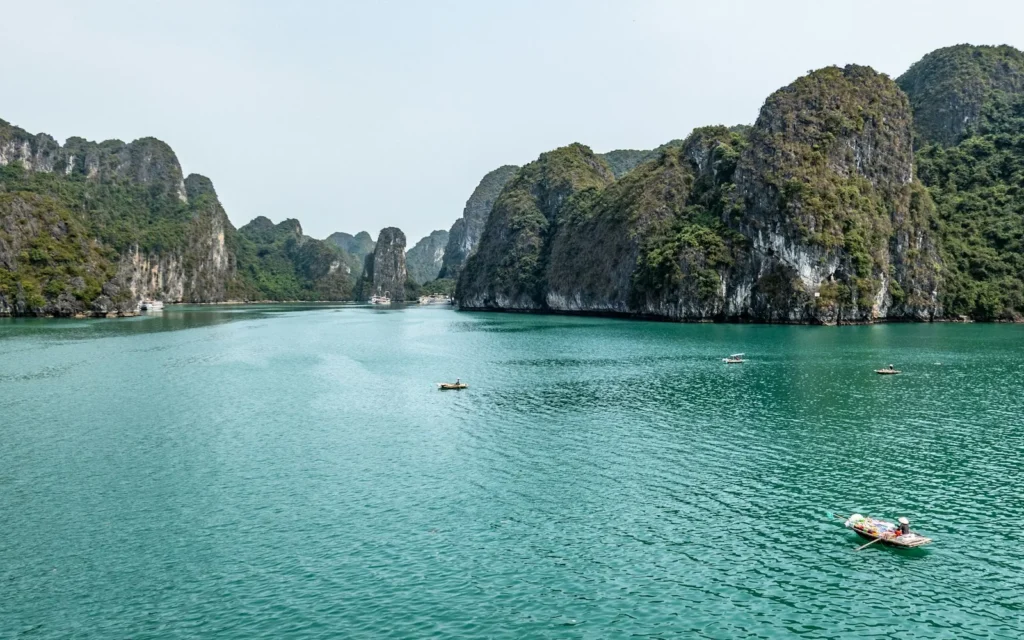
Nearly 2,000 limestone karsts and islets rising from emerald water — a natural World Heritage site best seen by overnight boat.
4. Sigiriya, Sri Lanka
Best months: Dec–Feb · 23–30°C days · some rain (climate data)
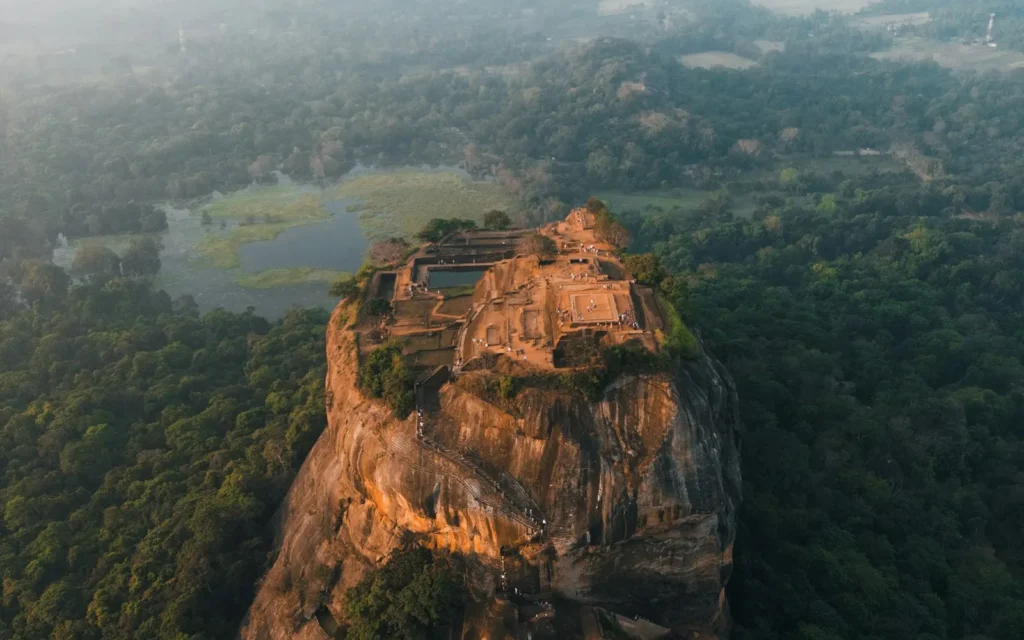
A 5th-century royal citadel on a 200-metre rock, reached past ancient frescoes and a gateway carved as a lion’s paws.
5. Bagan, Myanmar
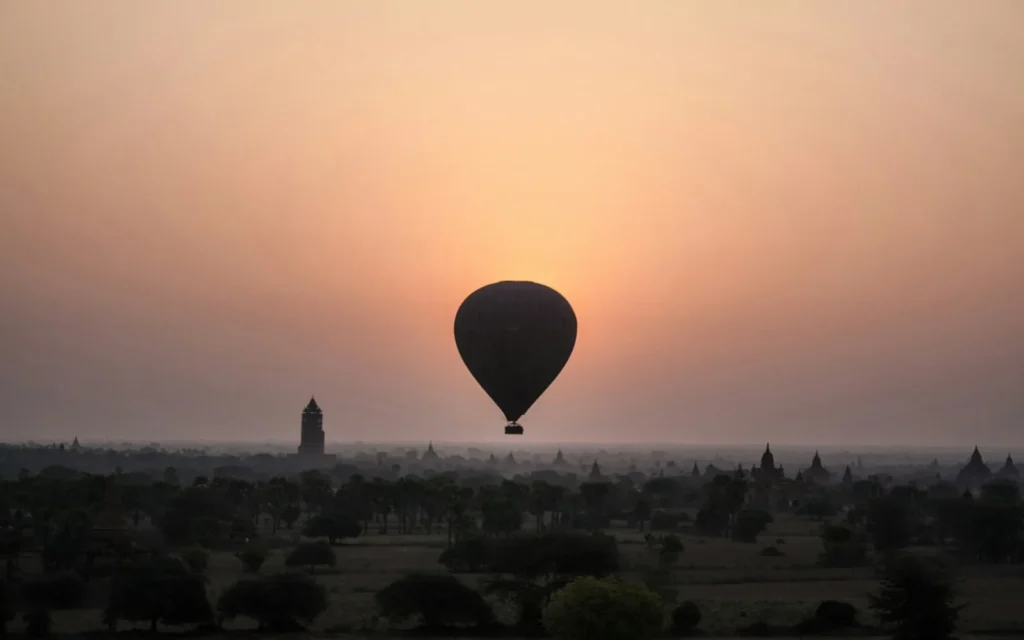
More than 2,000 brick temples and stupas scattered across a plain beside the Irrawaddy, spectacular at first light.
6. Hampi & the forts of Rajasthan, India
Best months: Nov–Jan · 9–21°C days · dry (climate data)
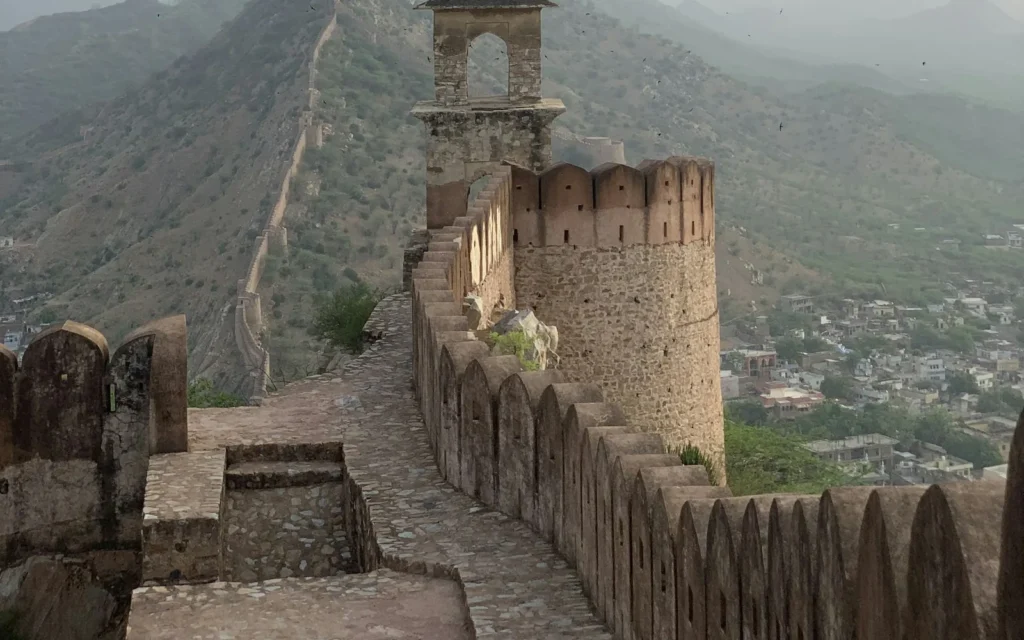
India’s listed hill forts and the ruined Vijayanagara capital at Hampi — vast, atmospheric and still largely uncrowded.
7. The Great Wall of China
Some 21,000km of wall snaking along ridgelines; the restored sections near Beijing are easiest, the wild sections more rewarding.
8. The Taj Mahal, India
Best months: Nov–Jan · 9–21°C days · dry (climate data)
The most perfect building on earth, a marble mausoleum best seen at dawn when the crowds are thin and the light is soft.
9. Borobudur, Indonesia
Best months: Jun–Aug · 23–32°C days · some rain (climate data)
The world’s largest Buddhist temple, a stepped stone mandala on Java surrounded by volcanoes.
10. Persepolis, Iran
The ceremonial capital of the Achaemenid empire, with monumental staircases and reliefs carved 2,500 years ago.
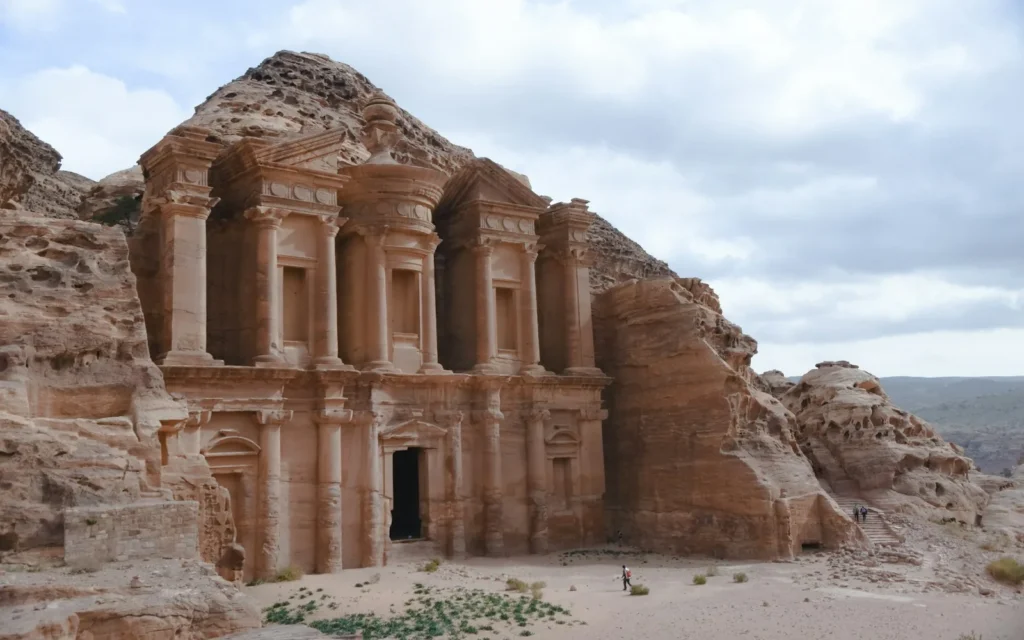
11. Petra, Jordan
Best months: Apr–Jun · 16–29°C days · dry (climate data)
Rose-red facades carved into desert sandstone by the Nabataeans, entered through a mile-long slot canyon.
12. Cappadocia, Turkey
Best months: Jul–Sep · 16–30°C days · dry (climate data)
A listed cultural landscape of fairy chimneys, rock-cut churches and underground cities carved from volcanic tuff.

How to plan a heritage trip in Asia
Most of these reward an early start: Angkor, Bagan and the Taj Mahal are all at their best at sunrise, before both the heat and the tour groups. Dry seasons matter — November to March for Southeast Asia and India, spring or autumn for Japan and Turkey. Several sites now cap daily numbers or require timed tickets, and Angkor sells multi-day passes that are far better value than a single day. Hiring a local guide is worth it at the bigger complexes, where the carvings and layout carry meaning that is easy to miss.
Frequently Asked Questions
Which country in Asia has the most UNESCO sites?
China leads Asia and rivals Italy globally, with India and Japan close behind.
What is the best UNESCO site in Asia?
Angkor is the largest and most impressive complex; the Taj Mahal is the single most famous building; Kyoto offers the greatest concentration of listed temples.
When should you visit?
November to March for Southeast Asia and India; spring and autumn for Japan, China and Turkey.