More: Italy travel guide
Quick Answer
The best wine regions in Italy are led by Tuscany (Chianti and Brunello) and Piedmont (Barolo and Barbaresco), followed by Veneto for Amarone and Prosecco, Puglia, and the volcanic slopes of Etna in Sicily. Here are 10 of the best, with what each produces and when to visit.
Italy makes more wine than any country on earth, across twenty regions and hundreds of native grapes. These 10 are the ones worth planning a trip around — each with the wines it is known for, and the season to see the vineyards at their best.
10 of the Best Wine Regions in Italy
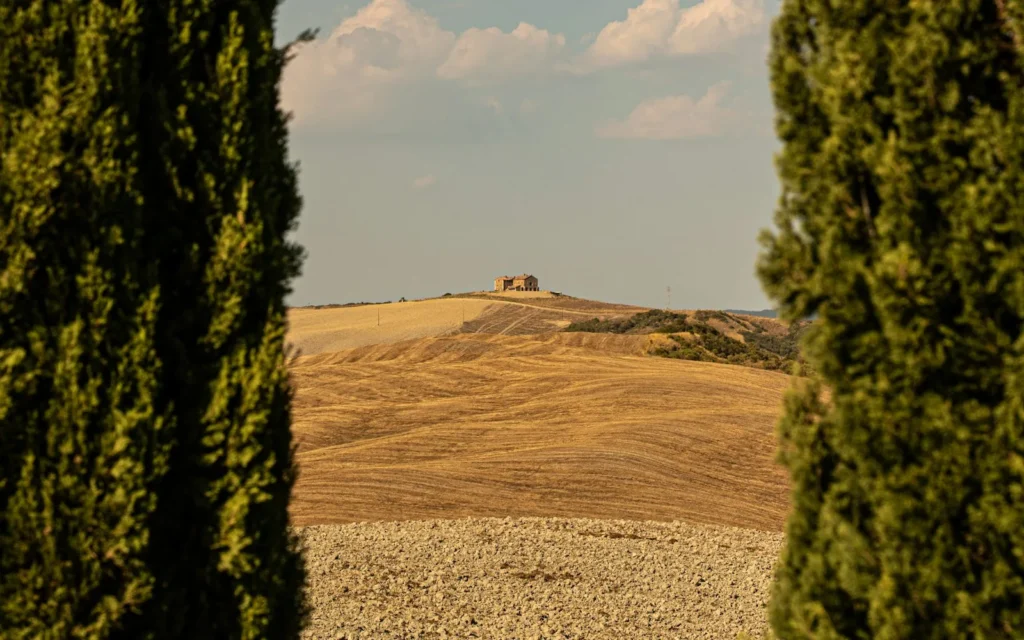
1. Tuscany & Chianti
Cypress-lined hills between Florence and Siena produce Chianti Classico, Brunello di Montalcino and Vino Nobile — Italy’s most scenic wine country.
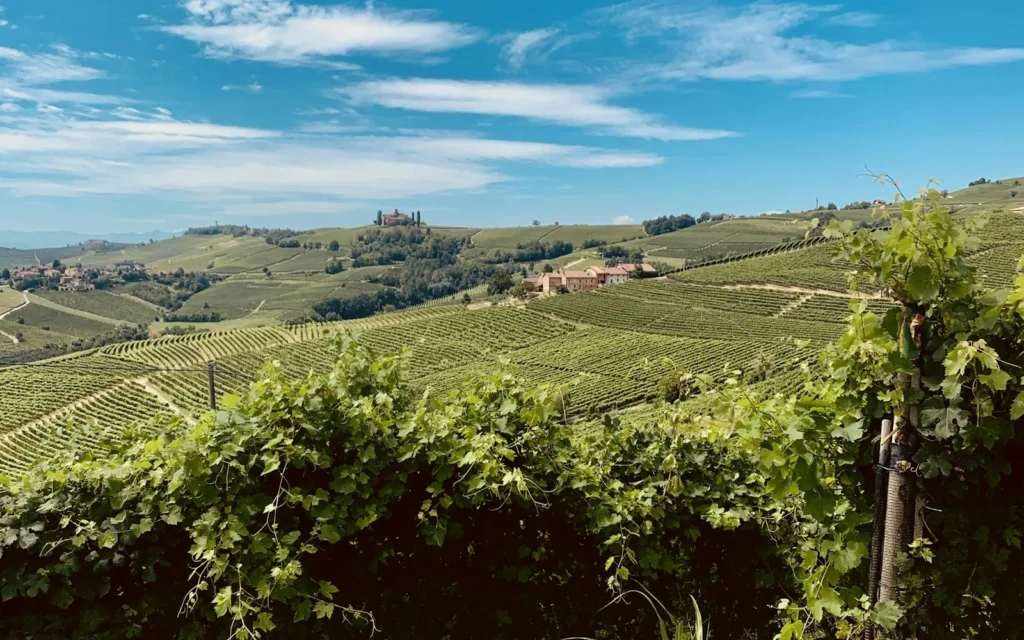
2. Piedmont & the Langhe
Barolo and Barbaresco, made from nebbiolo in fog-wrapped hills, plus white truffles in autumn — arguably Italy’s finest reds.
3. Veneto & Valpolicella
Home of Amarone and Prosecco, with the Valpolicella hills above Verona and the sparkling-wine slopes of Conegliano.
4. Puglia
The heel of Italy delivers rich primitivo and negroamaro alongside whitewashed towns and Adriatic beaches.
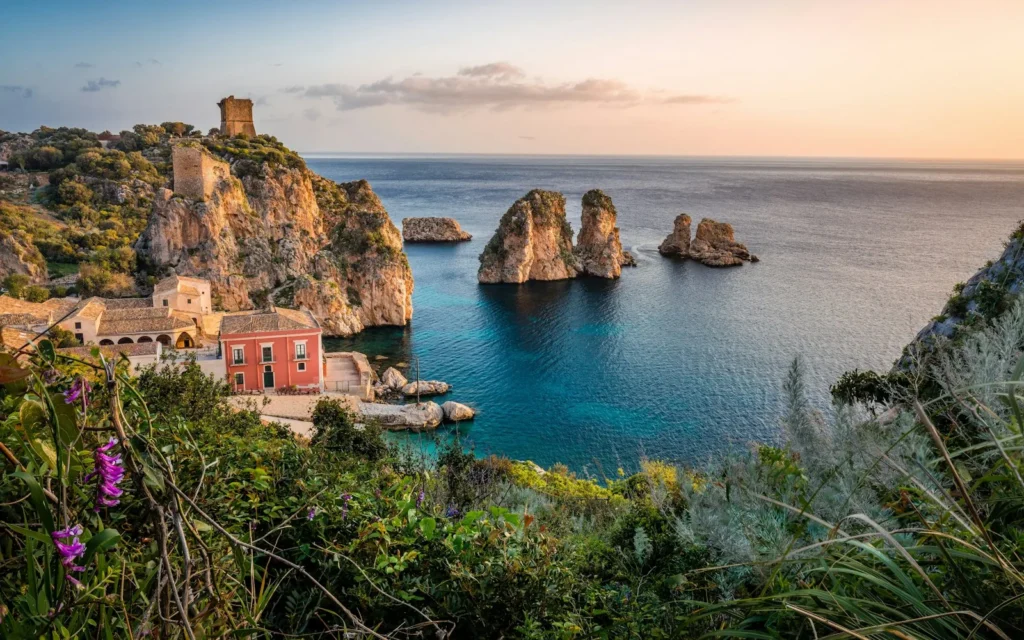
5. Sicily & Mount Etna
Volcanic soils on Etna’s slopes produce elegant nerello mascalese, one of the most exciting wine styles in Europe.
6. Umbria
Sagrantino di Montefalco and Orvieto Classico in a greener, quieter alternative to neighbouring Tuscany.
7. Alto Adige
Alpine vineyards on steep terraces produce crisp whites — pinot grigio, gewurztraminer — in Italy’s German-speaking north.
8. Campania
Ancient grape varieties revived on volcanic soils near Naples and Vesuvius, led by Taurasi and Fiano di Avellino.
9. Friuli Venezia Giulia
Italy’s white-wine benchmark near the Slovenian border, and the birthplace of the modern orange-wine movement.
10. Sardinia
Cannonau reds and vermentino whites grown on an island with some of the Mediterranean’s best beaches alongside.
When to visit and how to taste
September and October are the most atmospheric months, with the harvest under way and the vines turning gold; spring is quieter and greener. Unlike Napa, many Italian estates are family-run and require booking ahead — email a day or two in advance rather than dropping in. Base yourself in a hill town (Greve for Chianti, Alba for the Langhe) and use a driver for tasting days, as rural roads are winding and enforcement is strict.
Frequently Asked Questions
What is the best wine region in Italy?
Tuscany for scenery and famous names, Piedmont for the finest reds, and Veneto for variety from Amarone to Prosecco.
When is the best time for an Italian wine trip?
September and October for the harvest; May and June for green landscapes and fewer visitors.
Do you need to book tastings?
Usually yes — most Italian wineries are small and family-run, and appointments are expected.