Quick Answer
The best cities in Europe blend world-class art and history with unmistakable local character — from Paris, Rome and Barcelona to Prague, Vienna and Istanbul. This guide ranks 15 of the finest, with what each is known for and the best time to visit.
Few places pack as much variety into short distances as Europe, where a two-hour flight can carry you from Renaissance Florence to canal-laced Amsterdam or the minarets of Istanbul. These 15 cities are the ones worth building a trip around — here is what makes each special and when to go.
15 of the Best Cities to Visit in Europe
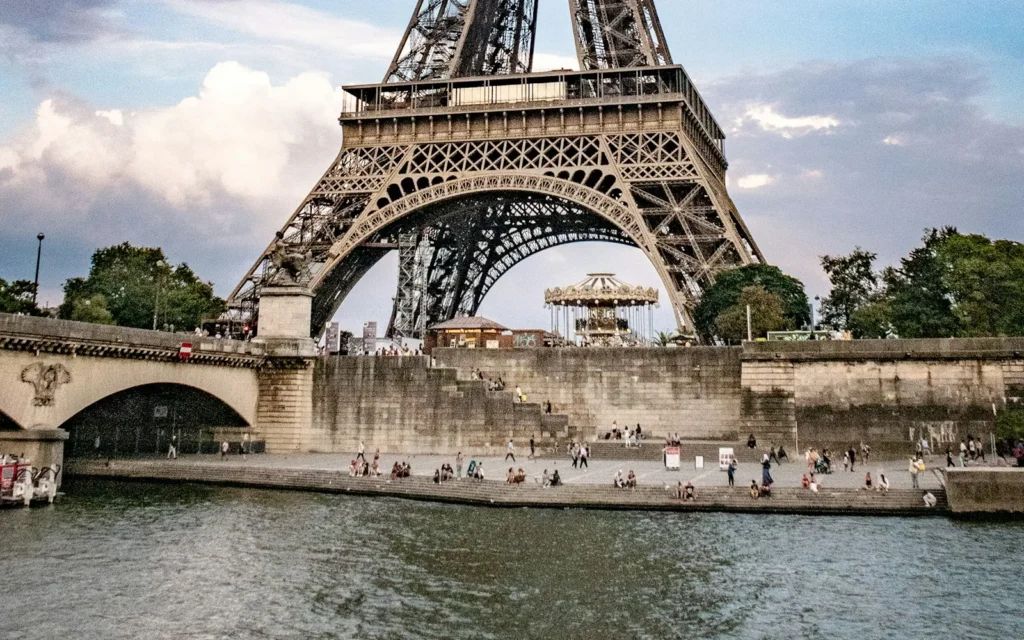
1. Paris, France
Best months: Jul–Sep · 15–25°C days · rainy (ERA5 climate data)
The ‘City of Light’ needs little introduction: the Eiffel Tower, the Louvre, Notre-Dame and grand boulevards made for wandering, all wrapped in unrivalled cafe culture. Spring and autumn are loveliest.
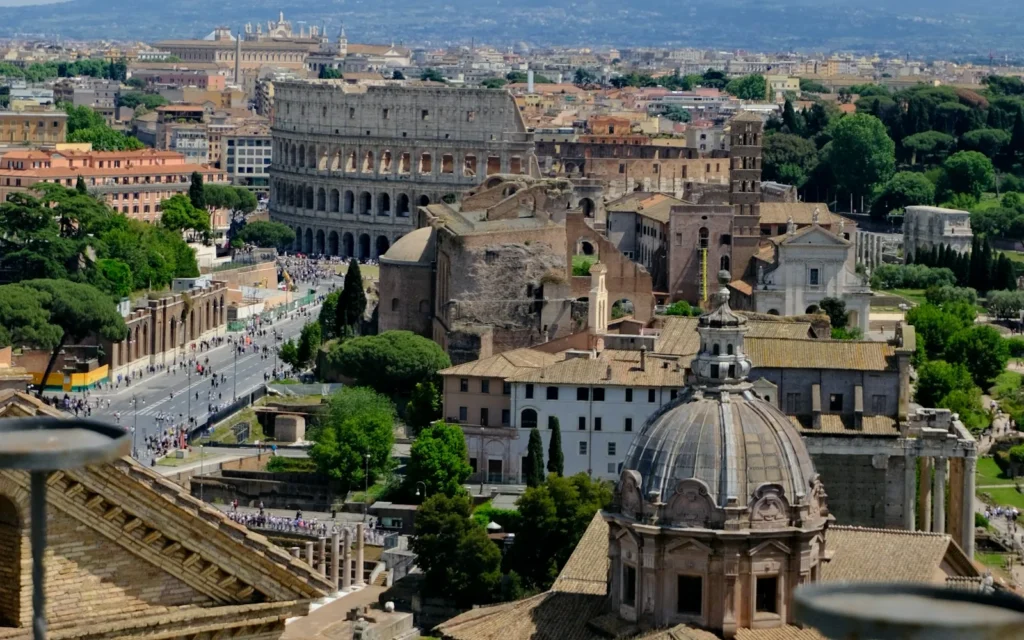
2. Rome, Italy
Best months: Apr–Jun · 13–23°C days · rainy (ERA5 climate data)
An open-air museum where the Colosseum, Roman Forum, Vatican and Trevi Fountain sit among lived-in piazzas and some of Italy’s best food. Come in spring or autumn to dodge the summer heat and queues.
3. Barcelona, Spain
Best months: Jun–Aug · 22–29°C days · some rain (ERA5 climate data)
Gaudi’s fantastical Sagrada Familia and Park Guell, a buzzing Gothic Quarter, Mediterranean beaches and world-class tapas make Barcelona endlessly fun. Late spring and early autumn are ideal.

4. Amsterdam, Netherlands
Best months: May–Jul · 13–21°C days · rainy (ERA5 climate data)
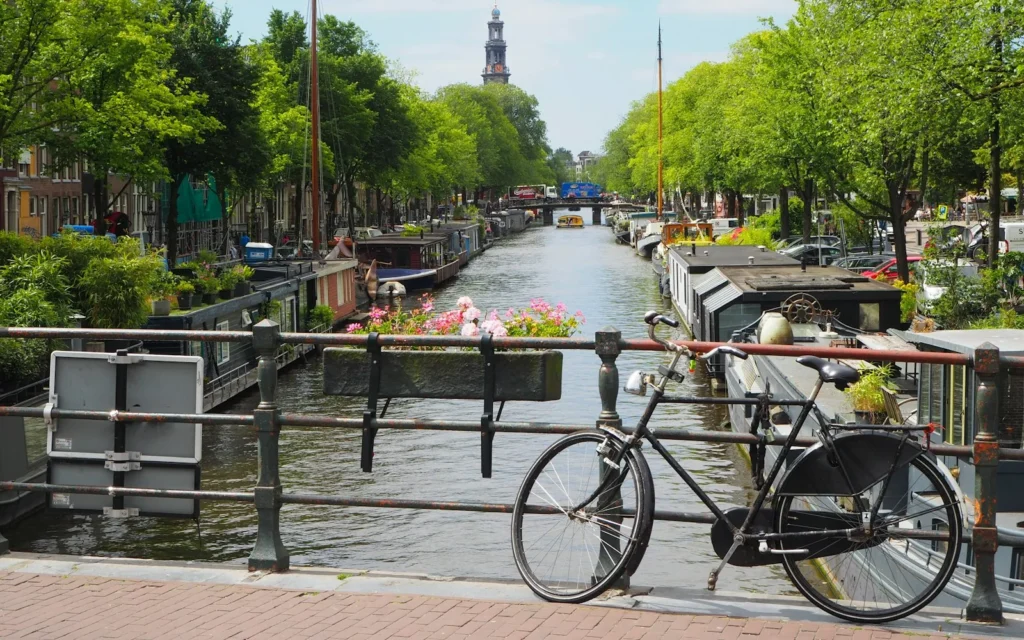
Amsterdam charms with its ring of gabled canal houses, world-class museums (the Rijksmuseum, Van Gogh) and a relaxed, bike-friendly pace. Spring tulip season and summer are the busiest.
5. Prague, Czech Republic
Best months: Jul–Sep · 15–25°C days · rainy (ERA5 climate data)
The ‘City of a Hundred Spires’ pairs a fairy-tale castle, the medieval Charles Bridge and an astronomical clock with famously good, cheap beer. Shoulder seasons avoid the summer crowds.

6. Vienna, Austria
Best months: Jul–Sep · 17–26°C days · rainy (ERA5 climate data)
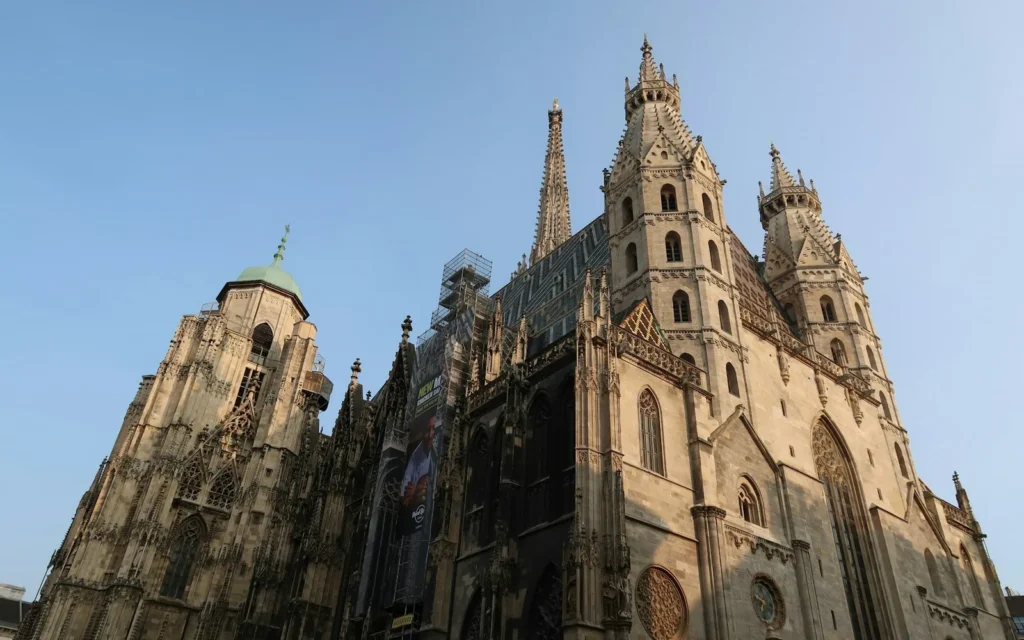
Imperial palaces, coffee-house culture and a musical heritage from Mozart to the New Year’s Concert give Vienna its grand, elegant feel. It regularly tops the world’s most-liveable-city lists.
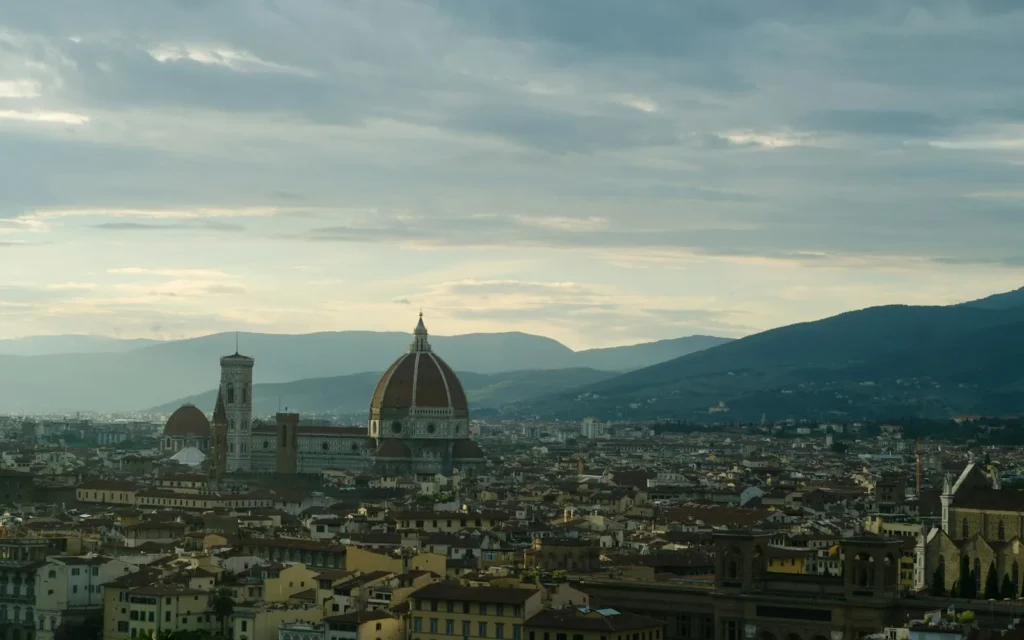
7. Florence, Italy
Best months: Apr–Jun · 13–23°C days · rainy (ERA5 climate data)
The cradle of the Renaissance packs Michelangelo’s David, Brunelleschi’s Duomo and the Uffizi’s masterpieces into a compact, walkable centre. Spring and autumn are the sweet spots.
8. Venice, Italy
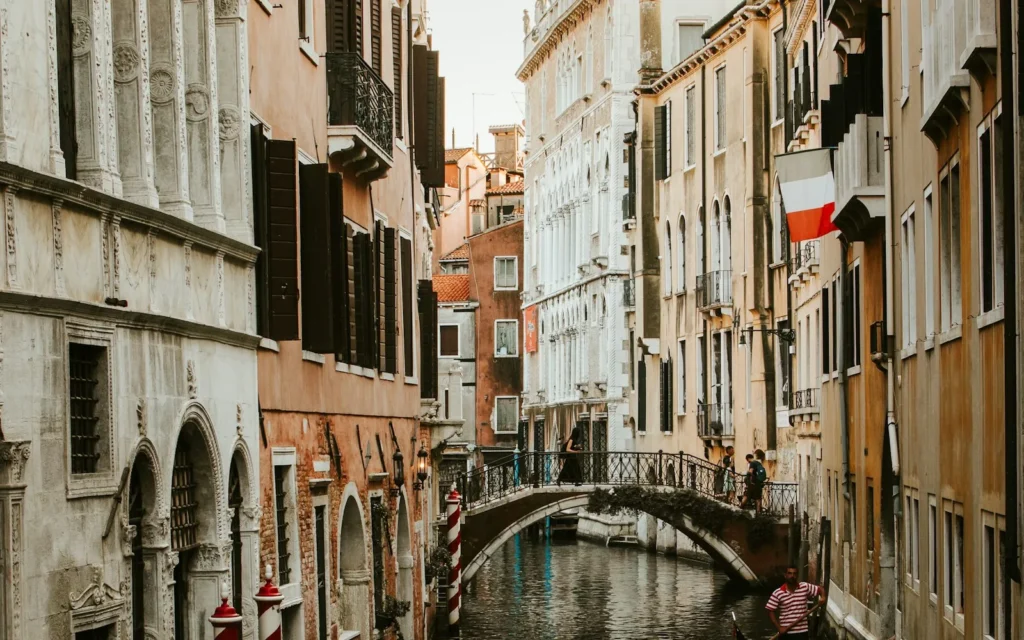
Best months: Apr–Jun · 13–23°C days · rainy (ERA5 climate data)
Built across 118 islands and laced with canals, Venice is unlike anywhere else — St Mark’s Square, gondolas and the Grand Canal. Visit in the shoulder seasons and stay overnight once the day-trippers leave.
9. Budapest, Hungary
Best months: Aug–Oct · 13–23°C days · some rain (ERA5 climate data)
Split by the Danube into hilly Buda and flat Pest, Budapest wows with its parliament, grand thermal baths and lively ruin bars — all at gentle prices. Spring and autumn are most pleasant.

10. Lisbon, Portugal
Best months: Jun–Aug · 18–28°C days · dry (ERA5 climate data)
Portugal’s sunny, hilly capital rolls down to the Tagus in a tumble of pastel houses, tiled facades and rattling yellow trams, with pasteis de nata on every corner. Spring and autumn shine.

11. Athens, Greece
Best months: Sep–Nov · 15–24°C days · dry (ERA5 climate data)
The birthplace of Western civilisation is crowned by the Acropolis, with lively neighbourhoods, great food and easy ferries to the islands. Spring and autumn sidestep the fierce summer heat.

12. Istanbul, Turkey
Best months: Jul–Sep · 21–30°C days · dry (ERA5 climate data)
Straddling Europe and Asia across the Bosphorus, Istanbul dazzles with the Hagia Sophia, the Blue Mosque, the Grand Bazaar and layers of Byzantine and Ottoman history. Spring and autumn are best.

13. Berlin, Germany
Best months: Jul–Sep · 16–25°C days · rainy (ERA5 climate data)
Germany’s edgy, creative capital blends heavy history — the Wall, the Brandenburg Gate, world-class museums — with legendary nightlife and an art scene to match. Late spring to early autumn is ideal.

14. Edinburgh, Scotland
Best months: Jul–Sep · 12–18°C days · rainy (ERA5 climate data)
Scotland’s dramatic capital rises around a clifftop castle, with a medieval Old Town, Georgian New Town and the world’s biggest arts festival each August. Summer is liveliest, spring and autumn quieter.

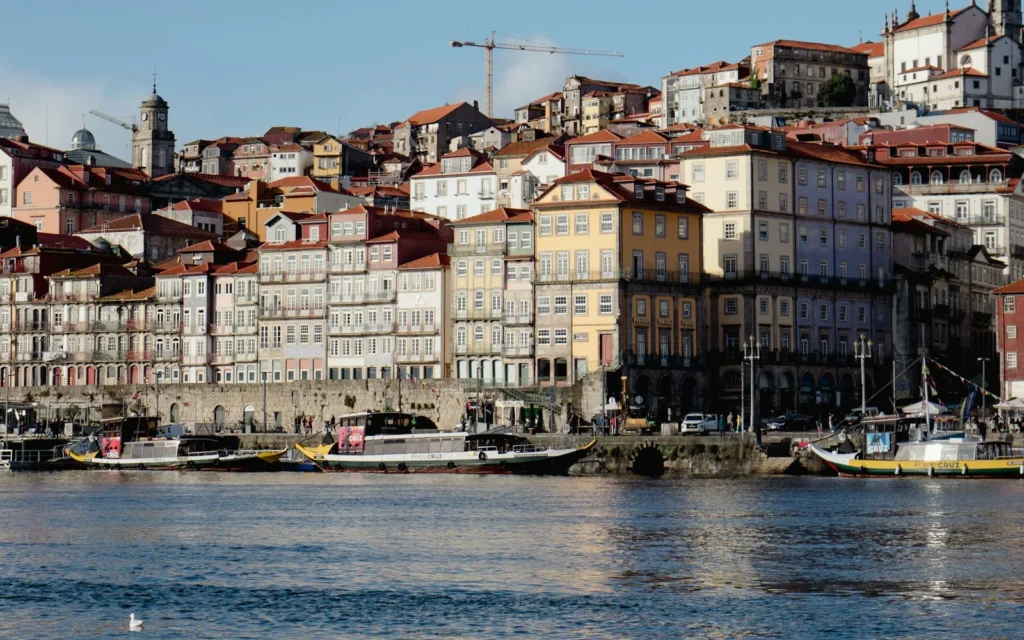
15. Porto, Portugal
Best months: Jun–Aug · 18–28°C days · dry (ERA5 climate data)
Portugal’s atmospheric second city tumbles in tiled houses down to the Douro, where port lodges line the far bank. Compact, affordable and delicious — go in late spring or September.
How to plan a European city break
Spring (April to June) and early autumn (September to October) are the sweet spots almost everywhere — warm but not sweltering, and quieter than peak summer. Your budget carries much further in Central and Eastern Europe (Prague, Budapest, Porto) than in Paris, Amsterdam or Venice. Europe’s cities are close together and superbly linked by budget flights and high-speed rail, so pairing two or three — Rome and Florence, or Paris and Amsterdam — makes an easy first itinerary.
Frequently Asked Questions
What is the best city to visit in Europe?
Paris, Rome and Barcelona top most lists for first-timers, combining iconic sights, food and atmosphere. For better value, Prague, Budapest and Lisbon are hard to beat.
What is the cheapest time to visit European cities?
The shoulder seasons — roughly April to May and September to October — and winter outside the Christmas markets offer the lowest flight and hotel prices, along with thinner crowds.
Which European cities are easiest to combine?
Cities close together and linked by fast trains pair well — Rome with Florence and Venice, Paris with Amsterdam, or Vienna with Budapest and Prague.