Skip to content

15 Best Slow Travel Destinations

Quick Answer

Quick answer: Best Slow Travel Destinations — top 10 options for travelers, ranked by combination of experience, value, and consistent quality.

This guide covers the 10 best options for slow travel destinations. Each pick balances real-world experience, value, and traveler satisfaction. Read each entry to find the one that matches your travel style.

Best Slow Travel Destinations

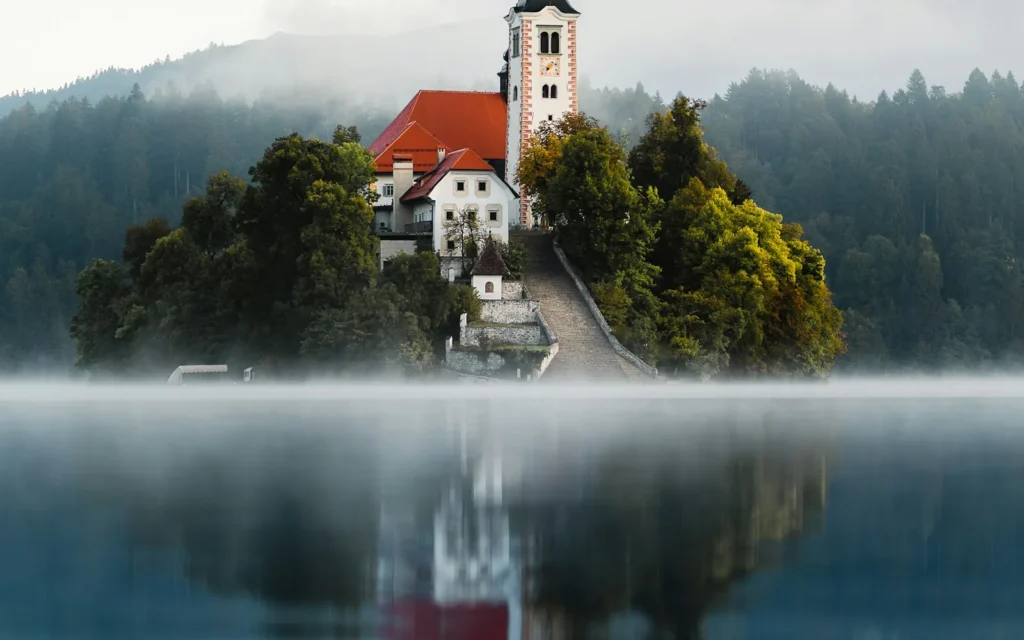
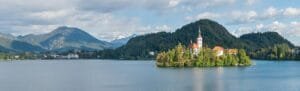
1. Slovenia

Compact, green and easy to savor.

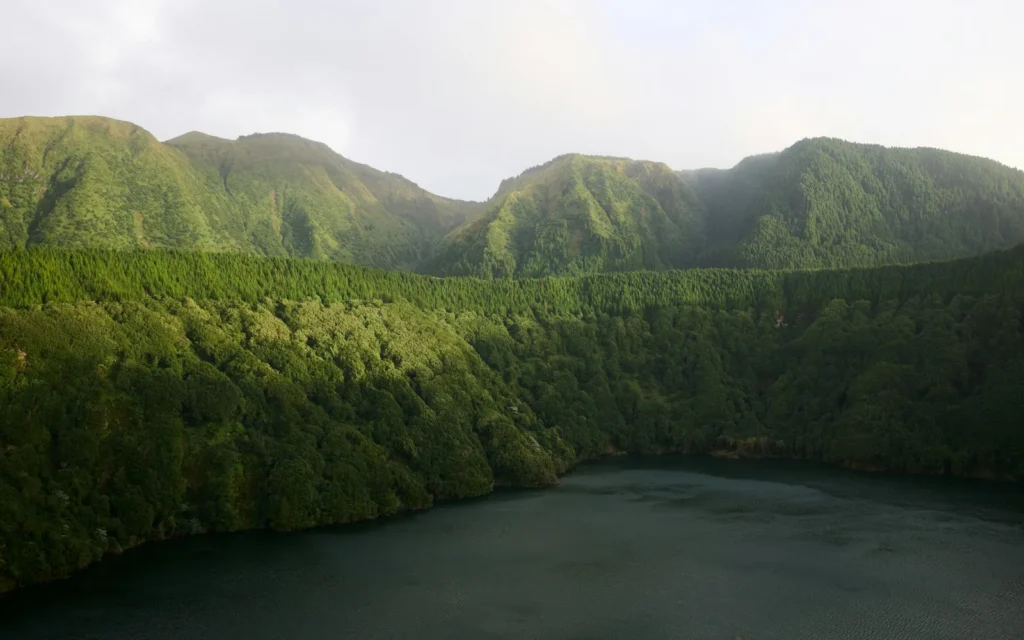
2. The Azores, Portugal

Volcanic islands made for unhurried days.

3. Laos

River towns and a gentle pace.

4. Kerala, India

Backwaters, tea hills and rhythm.

5. Tuscany, Italy

Hilltop towns and long lunches.

6. Faroe Islands

Wild, quiet and gloriously remote.

7. Mekong Delta, Vietnam

Life along the water.

8. New Zealand

Road-trip country built for lingering.

9. Scottish Highlands

Glens and lochs that reward slowing down.

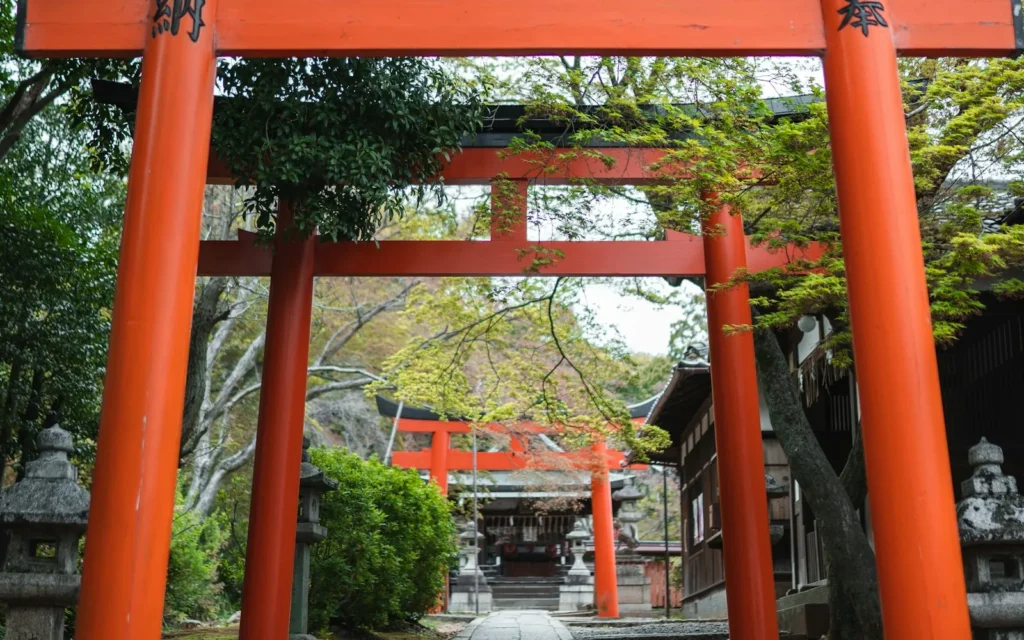
10. Kii Peninsula, Japan

Sacred trails and hot-spring inns.

How to Choose

  • Match to your priorities: Budget, weather, activities, crowd preference, season.
  • Read recent reviews: Last 6 months for current conditions.
  • Compare flight + hotel costs together: Cheap flights to expensive destinations can cost more total.
  • Check entry requirements: Visa, vaccinations, passport validity.
  • Buy travel insurance: $40-150 for medical + cancellation coverage.

Best Booking Tips

  • Book flights 8-12 weeks ahead for international trips, 4-6 weeks for domestic.
  • Hotels: 6-12 weeks ahead for the best balance of price + selection.
  • Set Google Flights alerts for target dates 8-10 weeks out.
  • Compare aggregators: Booking.com, Expedia, Hotels.com, Vrbo, direct hotel sites.
  • Reviews matter: Recent + detailed reviews give the best picture.

The Four Picks, Deep: Why-Go, Season, Cost & Insider Tip

Every slow-travel list names the same places. Here’s what actually matters once you commit to staying a month, not a weekend.

  • Oaxaca, Mexico — The best food city in the Americas for the money, full stop: mole negro, tlayudas, and mezcal poured by the people who distilled it. Best season: the dry months of October through April; skip late October to early November unless you want Día de Muertos, which drives lodging up 50-80%. Cost: slow travelers routinely live on $26-60 per person per day, with menú del día lunches at 100-150 pesos ($6-9). Insider tip: base yourself in Jalatlaco or Xochimilco (the barrio, not the canals) rather than the Zócalo — quieter, cheaper monthly rentals, and a ten-minute walk to everything.

  • Chiang Mai, Thailand — The most functional slow-travel base in Southeast Asia: 300-600 Mbps wifi, a deep expat bench, and world-class private healthcare. Best season: cool season, November to February. Avoid February-April — agricultural burning pushes air quality to AQI 150-300+ and everyone leaves. Cost: a comfortable month (private apartment, coworking, eating out) runs $900-1,500; $1,800-2,500 for real ease. Insider tip: rent monthly in Nimmanhaemin for cafés or Old City for temples, but sign the lease in person after viewing — online monthly rates run 30-40% above what you’ll negotiate on the ground.

  • Kyoto, Japan — Slow travel as a discipline: 1,600 temples, tea houses, and a rhythm that punishes rushing. Best season: autumn foliage peaks roughly November 25 to December 7. Cost: $80-100 a day is doable with hostels and konbini meals, but peak-foliage hotel weeks jump to 2-3x off-peak rates. Insider tip: the temple matters less than the hour — arrive at Tofuku-ji 15 minutes before the 8:30am opening and its 2,000 maples are silent; by 10am it’s a wall of tour groups.

  • Puglia, Italy — Southern Italy at half northern prices: trulli in Alberobello, orecchiette made by hand, olive groves to the horizon. Best season: May, June, and September — 20s Celsius, no August crush. Cost: €50-70 per day budget, €90-130 mid-range; Lecce hotels run €60-100 versus Florence’s €150-220. Insider tip: stay overnight in Alberobello — day-trippers clear out by 6pm and the whitewashed cones are yours after dark.

How To Choose Between Them (Match The Place To The Trip)

These four reward completely different travelers. Pick by what you actually want your month to feel like.

  • Choose Oaxaca if you’re food-first and budget-conscious. Nowhere else on this list delivers this depth of eating and culture at $30-60 a day. It’s the strongest pick for a first long trip: cheap, warm, walkable, and forgiving if your plans wobble.

  • Choose Chiang Mai if you’re working remotely. It’s the only one built around the remote worker — reliable fiber, coworking with 1 Gbps lines, a community that turns over monthly so it’s easy to land friends fast. The trade-off is the burning season, so plan your months around it, not into it.

  • Choose Kyoto if you want depth over ease. It’s the most expensive and the most demanding — small apartments, a real language barrier, and etiquette that rewards patience. Go when you want the place to change how you move, and when your budget can absorb $80-230 a day.

  • Choose Puglia if you want Europe without the crowds or the euros. Best for couples and slow-food travelers who’d rather linger in one masseria than tick off cities. Ten days is the sweet spot — three in the Valle d’Itria, three in Salento, four on the coast.

The honest tiebreaker: match the season to the destination, not the other way around. A month in Chiang Mai in March or Kyoto in a peak-price December can sour a place you’d otherwise love. Let the calendar pick, then book long.

Getting There & Getting Around

Slow travel starts the moment you plan the arrival badly, so front-load the logistics.

  • Oaxaca: Fly into Oaxaca (OAX). The simplest route is a one-hour hop from Mexico City (MEX) on Aeroméxico, Volaris, or VivaAerobus, one-way from about $59. Once you land, you don’t need a car — the historic center is entirely walkable and colectivos reach the valley villages (Teotitlán, Mitla) for a few dollars.

  • Chiang Mai: Fly into Chiang Mai (CNX). From Bangkok it’s a 1h10m flight on AirAsia, Thai, or Nok Air, with fares regularly in the $30-46 range if you book a week or two out. Skip a car entirely — Grab, red songthaews, and a rented scooter cover everything.

  • Kyoto: There’s no major airport in Kyoto; fly into Osaka Kansai (KIX) and take the Haruka express train (about 75-80 minutes). During peak foliage, consider basing in Osaka Umeda and commuting in — the highway bus is roughly ¥600 and an hour, and weekday hotel rates run about 40% cheaper. Inside Kyoto, buses and bikes beat the subway.

  • Puglia: Fly into Bari (BRI) or Brindisi (BDS), both served by budget carriers from across Europe. Unlike much of Italy, you can do the classic circuit — Lecce, Alberobello, Ostuni — largely by regional train and the Ferrovie del Sud Est line, which alone saves hundreds of euros over a week’s car rental.

Universal rule: book the first three nights before you arrive, then find your monthly place on the ground once you know which neighborhood you actually like. Long-stay deals are almost always cheaper negotiated in person than reserved from home.

Frequently Asked Questions

What are the best slow travel destinations?

The top 10 options above cover popular + lesser-known choices. Pick based on your priorities, budget, and travel style.

How do I choose between these options?

Match to your priorities: budget, weather, activities, crowd preference. Read each entry to find the one that resonates.

When should I visit?

Shoulder seasons (just before/after peak) generally offer the best balance of weather, prices, and crowds.

How much will it cost?

Budget: $80-150/day excluding flights. Mid-range: $200-400/day. Luxury: $600+/day. Vary by destination.

Should I book in advance?

6-12 weeks ahead for most. Major holidays + peak season: 4-6 months. Last-minute deals exist 2-3 weeks out but limited.

Are these family-friendly?

Several options in the list work for families. Look for destinations with English-friendly tourism, reliable transport, and varied activities.

Related Travel Resources

Save to Pinterest