
Last updated August 24, 2026 · Editorial policy
- United States: Visa free · up to 90 days
- United Kingdom: Visa free · up to 90 days
- Canada: Visa free · up to 90 days
- Australia: Visa free · up to 90 days
- Germany: Visa free
- France: Visa free
- India: Visa required
- Japan: Visa free · up to 90 days
Different passport? Check any nationality →
- Czech Republic visa requirements by passport
- Key facts about visiting Czech Republic
- How to enter Czech Republic (step by step)
- What people often miss
- Common Czech Republic trip scenarios
- Plan your trip
- Frequently asked questions
- Official sources
- Related guides for Czech Republic
- Related Articles
- Frequently Asked Questions
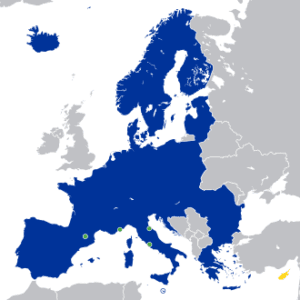
Quick answer: Czech Republic is a full Schengen member since 2007. Most non-EU travelers can enter visa-free for 90 days within any 180-day period.
Planning a trip to Czech Republic? Here’s the complete, current visa picture — without the legalese. We’ve checked every detail against the Czech Republic Ministry of Foreign Affairs and EU travel portals as of May 2026, and we’ll tell you the things the official sites don’t spell out clearly.
Czech Republic visa requirements by passport
The first question is which passport you hold. Czech Republic’s rules differ significantly by nationality:
Key facts about visiting Czech Republic
- Schengen status: December 21, 2007
- EU membership: Since 2004
- Local currency: Czech Koruna (CZK)
- Passport validity: 3 months beyond planned departure, issued within the last 10 years.
- Visa-free stay: 90 days within any 180-day Schengen window
- Future authorization: ETIAS is not yet in force for visa-exempt travelers; EES biometric checks at the border since April 2026; ETIAS not yet in force
How to enter Czech Republic (step by step)
For most visa-exempt travelers, the process is simple. Here’s what you actually need to do:

- Check your passport validity. Most travelers need at least 3 months remaining past the planned departure date, with the passport issued within the last 10 years.
- Apply for ETIAS (from late 2026 onwards). Online at the official EU portal. ETIAS will cost €7 (free for under-18 and over-70). ETIAS approvals typically within minutes.
- Book your flights/accommodation. Have proof of onward travel and booked lodging. Border officers can ask.
- Carry proof of funds. Around €50-100 per day of stay shown as bank statement, credit card, or cash.
- Get travel insurance. Not legally required for visa-exempt travelers, but smart. €30,000 medical minimum is the Schengen standard.
- At immigration: Have all docs ready. Friendly questions are normal: where are you staying, how long, return ticket?
What people often miss
From our own trips and reader emails, here are the things that catch people off guard:

- Prague Airport (Václav Havel) has separate Schengen and non-Schengen sections — read signage carefully.
- Czech Republic uses the Czech Koruna, NOT the Euro. ATMs are everywhere; cards widely accepted.
- If you’re transiting through Vienna or Frankfurt, you’ve already cleared Schengen entry — no controls at Czech land borders.
- Carry passport when crossing into Germany or Austria for shopping — random checks happen.
- Czech border guards take overstays seriously — fines start at 3,000 CZK (~€120).
Common Czech Republic trip scenarios
Different trip styles trigger different visa concerns. Find yours:
Plan your trip
Already cleared on the visa? Plan the rest with our free tools:

Frequently asked questions
Do I need a visa for the Czech Republic?
If you hold a US, UK, EU, Canadian, Australian, or New Zealand passport: no visa needed for stays up to 90 days within any 180-day period. From late 2026, ETIAS will be required for visa-exempt entry.
How long can I stay visa-free?
90 days within any rolling 180-day window — and this is shared across ALL Schengen countries.
Is the Czech Republic in Schengen?
Yes, since December 21, 2007. There are no border checks when traveling from Germany, Austria, Slovakia, or Poland by land.
Does Czech Republic use the Euro?
No. The Czech Republic uses the Czech Koruna (CZK). Many tourist-area businesses accept Euros but rates are poor — use ATMs or cards instead.
Can I extend my stay beyond 90 days?
Visa-free stays cannot be extended. To stay longer, apply for a residence permit (work, study, family, or business). The Czech Republic has a popular Trade License (živnostenský list) route for freelancers.
Is Prague Airport tricky for connections?
It has clear Schengen / non-Schengen separation. Allow 90 minutes for international-to-domestic connection if arriving on a non-Schengen flight.
Are there bag restrictions at Czech land borders?
No — full free movement within Schengen. Random customs checks possible but rare.
What happens if I overstay?
Fines start at 3,000 CZK (~€120) for short overstays. Longer overstays trigger entry bans across all Schengen.
Official sources
We update this guide regularly, but visa rules can change. Always verify on the official sources before you travel:
Related guides for Czech Republic
Related Articles
Frequently Asked Questions
Do I need a visa for Czech Republic?
Visa requirements depend on your nationality. Many passport holders can enter visa-free or obtain a visa on arrival for short stays. Check the specific requirements for your passport above.
How long can I stay in Czech Republic without a visa?
Visa-free stays typically range from 30 to 90 days depending on your nationality and the specific agreement between countries. Always verify current rules before traveling.
How long does it take to get a Czech Republic visa?
Processing times vary from a few days to several weeks depending on the visa type and your local embassy. Apply well in advance of your travel dates, especially during peak season.
What documents do I need for a Czech Republic visa?
Common requirements include a valid passport (6+ months validity), completed application form, passport photos, proof of accommodation, return flight booking, and evidence of sufficient funds.
Sources: European Commission – Entry/Exit System (EES) · European Union – official ETIAS information. Entry rules change; confirm with the official source before booking. Last checked 25 August 2026.
You Might Also Love




Written by
John Morrison is the founder and lead travel writer at Packzup. Over the past decade he has explored destinations across Africa, the Americas, Asia, Europe, the Middle East, and Oceania — always self-funded, never on a press trip.
