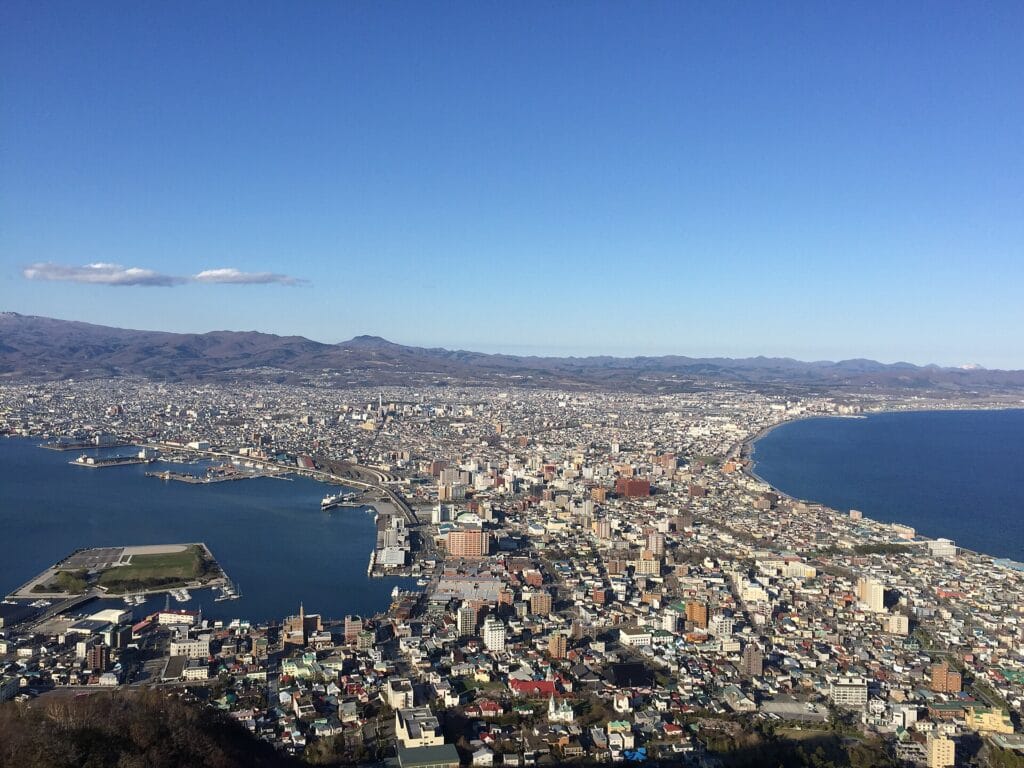
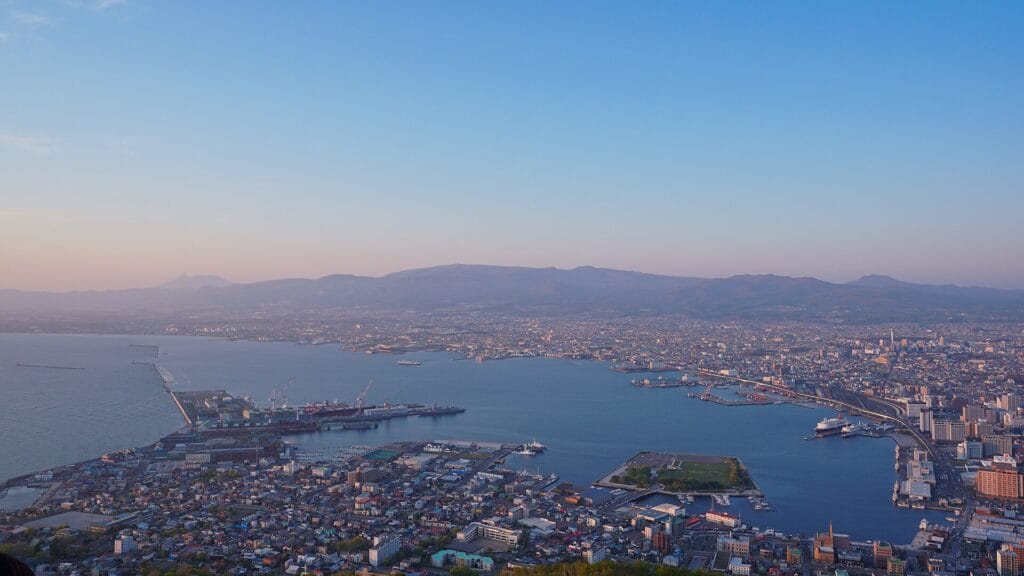
Hokkaido is Japan’s wild north — an island of volcanic peaks, lavender fields, powder snow, and seafood so fresh it makes the rest of Japan jealous. While Tokyo and Kyoto get the crowds, Hokkaido offers a different Japan entirely: vast national parks with brown bears and red-crowned cranes, hot spring villages buried in snow, a Sapporo food scene built on miso ramen and lamb barbecue, and ski resorts with the lightest powder on earth. Summer transforms the island into a pastoral landscape of flower fields and dairy farms that feels more like Provence than Asia. Hokkaido rewards the traveler who ventures beyond the golden route.
- Eat Miso Ramen in Sapporo’s Ramen Alley
- Ski the Powder Snow at Niseko
- Walk Through the Lavender Fields of Furano
- Drive the Patchwork Hills of Biei
- Soak in Noboribetsu Onsen
- See Red-Crowned Cranes at Kushiro Wetlands
- Explore the Canal District of Otaru
- Tour the Sapporo Beer Museum and Beer Garden
- Hike in Daisetsuzan National Park
- Visit Asahiyama Zoo in Winter
- Eat Fresh Seafood at Nijo Market in Sapporo
- Drive the Coast Road to Cape Kamui on Shakotan Peninsula
1. Eat Miso Ramen in Sapporo’s Ramen Alley
Sapporo is the birthplace of miso ramen, and Ramen Yokocho (Ramen Alley) in Susukino is a narrow lane of 17 tiny ramen shops that have been ladling rich miso broth since 1951. Sapporo Junkie, Ramen Shingen, and Sumire are local legends. A bowl costs 850-1,100 JPY. The miso broth is thick, rich, and topped with butter, corn, bean sprouts, and chashu pork — heartier than any other regional ramen style. Go late evening when the alley is atmospheric and the cold outside makes the hot broth even better.
2. Ski the Powder Snow at Niseko
Niseko receives 14 to 18 metres of annual snowfall — the lightest, driest powder in the world, thanks to Siberian weather systems crossing the Sea of Japan. The four interconnected resorts (Grand Hirafu, Hanazono, Niseko Village, An’nupuri) offer terrain for all levels with a combined All Mountain Pass from 7,400 JPY per day. Off-piste tree skiing in birch forests is the main draw. Night skiing under floodlights at Grand Hirafu runs until 8:30 PM. The apres-ski scene in Hirafu village is the liveliest in Japan.
3. Walk Through the Lavender Fields of Furano
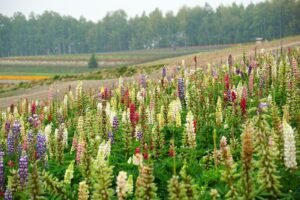
From late June through early August, Farm Tomita in Nakafurano erupts in stripes of purple, white, pink, and orange as lavender, poppies, and wildflowers bloom across hillside terraces backed by the Tokachi Mountains. Entry is free. The lavender soft serve ice cream is a Hokkaido icon. The Irodori field’s rainbow stripes are the most photographed spot. Nearby Choei Lavender Farm has fewer visitors. The Norokko sightseeing train runs between Furano and Biei during the bloom season for 640 JPY one way.
4. Drive the Patchwork Hills of Biei
The rolling agricultural landscape between Biei and Kamifurano creates a quilt of colour — green wheat, golden barley, purple lavender, white potato flowers — across gentle hills with lone trees that have become famous photography subjects. Mild Seven Hill, Christmas Tree Hill, and Ken and Mary Tree are the landmarks. Rent a bicycle in Biei town for 200-1,000 JPY per hour to explore the back roads. The hills are most dramatic from late June through September. Shikisai no Oka flower park adds more colour for 500 JPY entry.
5. Soak in Noboribetsu Onsen
Hokkaido’s most famous hot spring town sits above Jigokudani (Hell Valley), where volcanic vents blast sulphurous steam from a cratered landscape of bubbling grey mud pools. The public bath at Dai-ichi Takimotokan has 35 pools fed by seven different spring sources for 2,250 JPY. The milky white sulphur pools are the most dramatic. An 800-metre boardwalk trail through Hell Valley leads to Oyunuma, a boiling lake with a natural hot river foot bath. The town is an hour from Sapporo by express bus.
6. See Red-Crowned Cranes at Kushiro Wetlands
The tancho (red-crowned crane) is Japan’s most iconic bird, and the Kushiro Wetlands in eastern Hokkaido are the primary habitat for the resident population of about 1,800 birds. In winter (December-February), the cranes gather at feeding stations where photographers line up for shots of mating dances against snowy backgrounds. Tsurui Ito Tancho Crane Sanctuary and the Akan International Crane Centre are the best viewing spots. The wetland boardwalk trails are accessible year-round. Free access to feeding stations.
7. Explore the Canal District of Otaru
The historic port town 40 minutes from Sapporo by train has a picturesque canal lined with converted stone warehouses now housing glass studios, music box shops, and seafood restaurants. The canal is most atmospheric at dusk when gas lamps reflect in the water. The sushi along Sushi Street is superb — Masazushi and Otaru Masazushi serve the freshest catches from 2,500 JPY for a set. The LeTAO double fromage cheesecake is an Otaru specialty. A half-day trip from Sapporo is sufficient.
8. Tour the Sapporo Beer Museum and Beer Garden
Japan’s most iconic beer brand was born in Sapporo in 1877, and the red-brick museum in a former brewery building traces the history through the original copper kettles and advertising posters. The self-guided tour is free; a tasting set of three beers is 800 JPY. The attached Sapporo Beer Garden serves Genghis Khan lamb barbecue — diners grill thin-sliced lamb on dome-shaped griddles — the all-you-can-eat-and-drink course is 5,500 JPY for 100 minutes.
9. Hike in Daisetsuzan National Park
Hokkaido’s largest national park covers 2,267 square kilometres of volcanic peaks, alpine meadows, and virgin forest at the centre of the island. The Asahidake ropeway ascends to 1,600 metres for trailheads into the volcanic landscape — steaming fumaroles, wildflower meadows, and views of the highest peaks. A day hike around the Sugatami Pond loop takes three hours. The autumn colours in late September are Japan’s earliest and among its finest. Ropeway tickets are 3,300 JPY return.
10. Visit Asahiyama Zoo in Winter
Japan’s northernmost zoo near Asahikawa is famous for its penguin walk — a procession of king penguins waddling along a snowy path through the zoo, free-ranging among delighted visitors. The walk runs daily from December through March when snow covers the ground. The zoo’s underwater viewing tunnels for seals and polar bears are also exceptional. Entry is 1,000 JPY. The zoo is consistently rated Japan’s best for natural habitat design. Afternoon is quieter than the morning penguin walk crowds.
11. Eat Fresh Seafood at Nijo Market in Sapporo
Sapporo’s 100-year-old seafood market near Odori Park is a compact collection of stalls selling the morning catch — hairy crab, sea urchin, scallops, salmon roe, and squid — much of it eaten on the spot. Uni (sea urchin) donburi costs 2,500-3,500 JPY and is devastatingly fresh. Crab legs are grilled on the spot for 1,000-2,000 JPY. The market is busiest before 10 AM. For a more extensive market experience, the Sapporo Central Wholesale Market opens to the public on weekday mornings.
12. Drive the Coast Road to Cape Kamui on Shakotan Peninsula
The Shakotan Peninsula northwest of Otaru has the most dramatic coastline in Hokkaido — sea stacks, cobalt-blue water, and Cape Kamui jutting into the Sea of Japan at the tip of a narrow headland with cliffs on both sides. The Shimamui Coast has turquoise water rivalling tropical destinations. The drive from Otaru takes 90 minutes along scenic coastal roads. Summer is best for the vivid water colours. The peninsula is one of Hokkaido’s quietest destinations — you may have the viewpoints to yourself.
Practical Tips for Hokkaido
Check our full Hokkaido travel guide for detailed tips on transport, safety, money, and the best time to visit. For food recommendations beyond this list, see our Hokkaido food guide.
Frequently Asked Questions
What are the top things to do in Hokkaido?
The must-do experiences include Eat Miso Ramen in Sapporo’s Ramen Alley, Ski the Powder Snow at Niseko, and Soak in Noboribetsu Onsen. Hokkaido also offers incredible food, vibrant neighbourhoods, and easy day trips.
How many days do you need in Hokkaido?
We recommend at least 3 to 4 days to cover the highlights, though a week lets you explore at a relaxed pace and add day trips.
Is Hokkaido safe for tourists?
Hokkaido is generally safe for tourists who take normal precautions. Stay aware of pickpockets in crowded areas and keep valuables secure.